In an era where fashion meets function, the small square bag has emerged as a wardrobe staple—compact enough for daily essentials, yet structured enough to make a statement. But not all square bags are created equal. With so many options flooding the market, from fast-fashion imitations to heritage leather goods, selecting one that delivers both longevity and elegance requires careful consideration. This guide cuts through the noise, offering practical insights into materials, construction, design details, and long-term value to help you invest wisely in a piece that lasts.
Understand the Anatomy of a High-Quality Square Bag
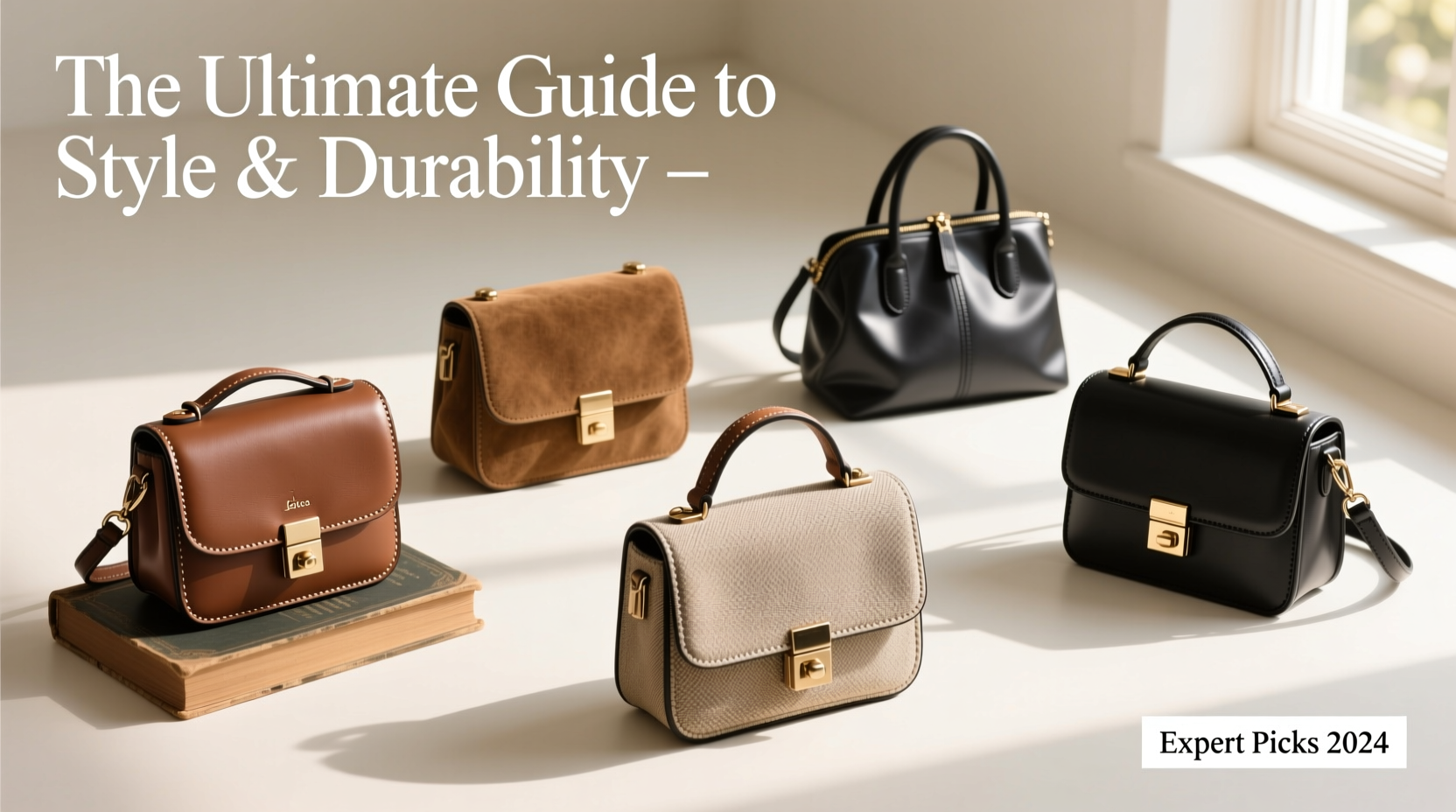
A well-made small square bag is more than just a trendy silhouette. It’s a product of thoughtful design and durable craftsmanship. Begin by examining its core components: shell material, lining, hardware, stitching, and structure. Each plays a role in how the bag performs over time.
The exterior should resist scuffing and maintain shape without feeling rigid. Full-grain or top-grain leather remains the gold standard due to its natural strength and ability to develop a rich patina. Alternatives like waxed canvas or high-density nylon offer water resistance and lighter weight but may lack the luxury appeal.
Inside, the lining matters. Cheap polyester linings fray quickly and trap odors. Opt for tightly woven cotton twill, microfiber, or branded fabric linings (like those from premium labels) that feel smooth and resist pilling. Check seams—double-stitching or reinforced box corners indicate attention to stress points.
Tip: Run your fingers along edges and corners. A high-quality bag will have clean finishes with no loose threads or glue residue.Material Matters: Leather vs. Vegan Alternatives vs. Textiles
Your choice of material affects not only aesthetics but also environmental impact, maintenance needs, and lifespan. Here’s a breakdown of common options:
| Material | Pros | Cons |
|---|---|---|
| Full-Grain Leather | Durable, ages beautifully, water-resistant when treated | Higher cost, requires conditioning |
| Top-Stitched Vegan Leather | Eco-conscious option if plant-based (e.g., cork, apple leather), consistent texture | Often less breathable, can peel over time |
| Waxed Canvas | Weather-resistant, rugged charm, low environmental footprint | Limited formal versatility, heavier than leather |
| Nylon or Recycled Polyester | Lightweight, easy to clean, often used in designer tech bags | Can look synthetic, prone to static and dirt buildup |
For long-term wear, full-grain leather stands out. As noted by Italian leather artisan Marco Bellini:
“The best bags don’t hide their age—they wear it proudly. A mark on good leather isn’t damage; it’s history.” — Marco Bellini, Tuscan Leather Craftsmanship Guild
Hardware and Closure: Small Details, Big Impact
Many shoppers overlook zippers, clasps, and chain straps—yet these elements often fail first. Test any magnetic snap or turn-lock mechanism before purchasing. It should engage smoothly without excessive force. Zippers must glide without catching and ideally be branded (YKK, Riri, or Lampo are reliable indicators).
Metal components should feel substantial, not hollow. Lightweight alloys may save grams but sacrifice resilience. If the bag uses a chain strap, check link welds—poorly fused links can break under strain. For crossbody styles, ensure the strap attachment points are double-reinforced with metal rivets or bar tacks.
Tip: Avoid bags with plastic-coated zippers or painted hardware—these coatings chip easily, exposing base metals to tarnish.Step-by-Step: How to Evaluate a Bag Before Buying
Follow this sequence when assessing a small square bag, whether online or in-store:
- Inspect the silhouette: Place the bag upright. Does it stand evenly? A well-structured interior frame or stiffener prevents slouching.
- Check interior pockets: Are they sewn-in or glued? Sewn pockets last longer. Look for at least one zippered compartment for security.
- Test the weight: A truly high-quality bag balances sturdiness with comfort. Over 1.5 lbs may become burdensome when carried daily.
- Examine edge painting: On leather bags, edges should be burnished or painted evenly—no streaks or chipping.
- Feel the underside: Flip it over. The base should have protective studs or a reinforced panel to prevent abrasion when set down.
Mini Case Study: Sarah’s Commute Upgrade
Sarah, a graphic designer in Portland, needed a bag that could hold her tablet, sketchbook, and wallet while surviving rainy mornings and crowded transit. She initially bought a $75 vegan leather square bag online. Within six months, the bottom peeled, the zipper jammed, and the strap detached. She then invested in a $280 full-grain leather piece with YKK zippers and brass hardware. Two years later, it shows light wear but still functions flawlessly—and she receives compliments weekly. Her lesson? “Spending more upfront saved me money and hassle in the long run.”
Style Versatility: Matching Your Lifestyle, Not Just Trends
A timeless small square bag transcends seasons. Neutral tones—black, tan, oxblood, or slate gray—pair effortlessly with workwear, evening attire, or weekend denim. Bold colors or exotic textures can be eye-catching but limit coordination.
Consider strap adjustability. A convertible design (short handle, shoulder drop, or detachable crossbody) increases usability. If you frequently switch between hands-free errands and office meetings, prioritize modularity.
Proportion is key. A true “small” square bag measures between 6”–8” per side. Larger than that, and it risks appearing bulky. Smaller than 6”, and it may exclude essentials like a phone or lipstick.
Checklist: What to Verify Before Purchase
- ✅ Exterior material is scratch-resistant and appropriate for your climate
- ✅ Lining is tightly woven and non-shedding
- ✅ All seams are double-stitched, especially at handles and closures
- ✅ Hardware operates smoothly and feels solid
- ✅ Base has feet or reinforcement to prevent wear
- ✅ Interior includes at least one secure pocket
- ✅ Weight is under 1.5 lbs when empty
- ✅ Brand offers repair services or warranty (a sign of confidence)
Frequently Asked Questions
Is a small square bag practical for everyday use?
Yes—if thoughtfully designed. Look for models with internal organization: a phone slip, card slots, and a zippered coin or valuables pouch. While it won’t replace a tote, it excels as a minimalist day bag or evening clutch alternative.
How do I care for a leather square bag?
Clean monthly with a damp cloth and mild soap. Condition every 3–6 months using a cream suited to the leather type. Store in a breathable dust bag away from heat sources. Never leave it in direct sunlight, which causes fading and drying.
Are expensive designer bags worth it for durability?
Not always. Some luxury brands charge premiums for branding rather than superior construction. However, houses like Loewe, Bottega Veneta, or Polène demonstrate exceptional craftsmanship. Research independent reviews and teardown videos to assess actual build quality beyond the logo.
Final Thoughts: Invest in Integrity, Not Just Image
The perfect small square bag blends understated elegance with resilient design. It doesn’t shout for attention but earns admiration through consistency—year after year. When choosing yours, prioritize integrity over instant gratification. Examine every seam, test every clasp, and ask whether this piece will still serve you in five years.
Remember, fashion cycles fade, but well-crafted accessories endure. By focusing on materials, construction, and functionality, you’re not just buying a bag—you’re curating a legacy of personal style.
💬 Found your ideal square bag? Share your tips or brand recommendations in the comments—help others make smarter, lasting choices.








