Your car is more than just a mode of transportation—it’s a personal space, a mobile sanctuary where you spend hours each week commuting, running errands, or embarking on road trips. One subtle yet powerful way to enhance that experience is through scent. A well-chosen car pendant can transform your vehicle’s atmosphere, improve your mood, and even sharpen focus during long drives. But with so many fragrances available—from citrus bursts to woody depths—how do you pick the one that truly suits you? This guide breaks down the science, psychology, and practical considerations behind selecting the ideal scent for your car pendant.
Understanding How Scent Influences Your Drive
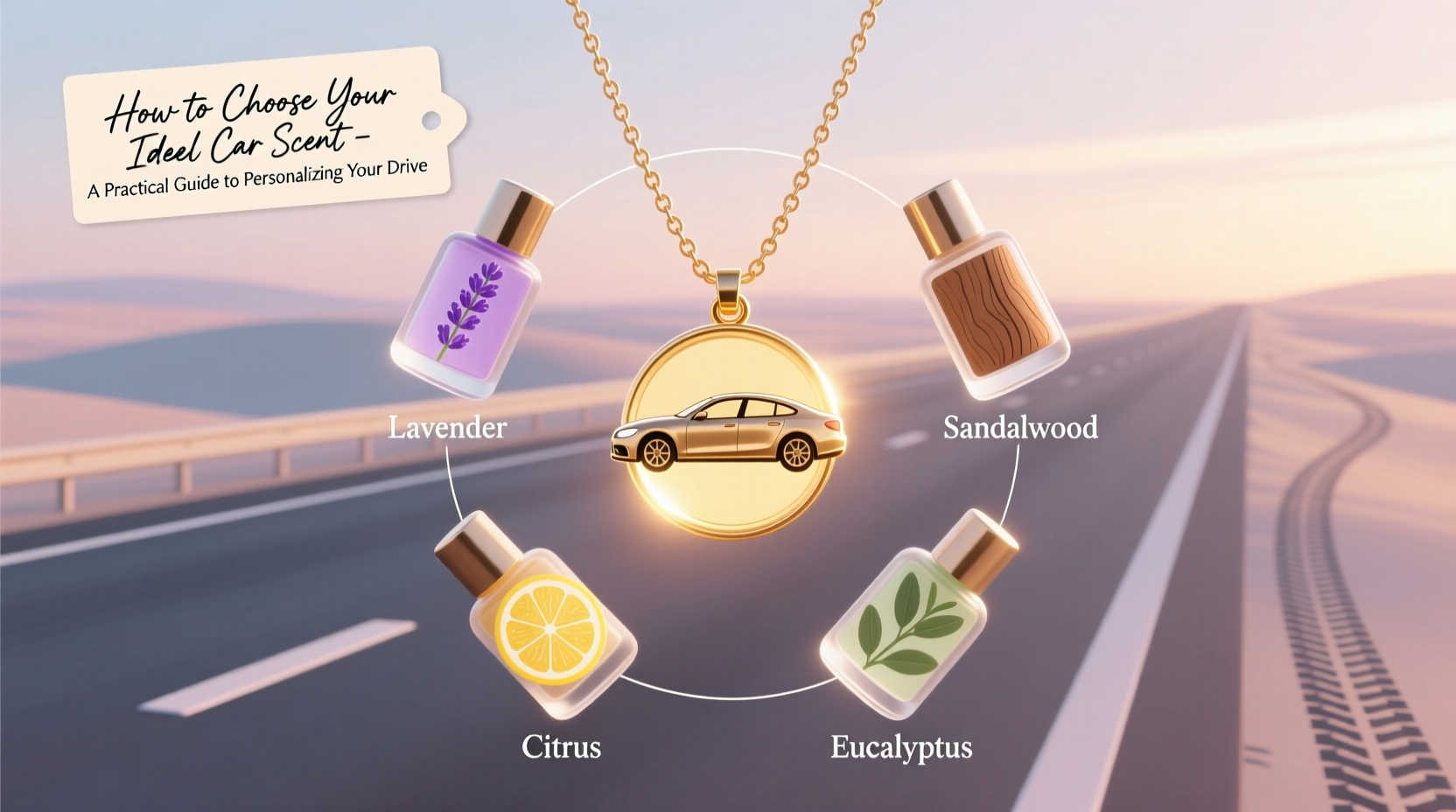
The olfactory system is directly linked to the limbic system, the part of the brain responsible for emotions, memory, and behavior. Unlike sight or sound, smell bypasses conscious processing and triggers immediate emotional responses. That’s why a whiff of pine might evoke memories of winter holidays, or a citrus note could instantly uplift your mood.
In the context of driving, scent plays a functional role beyond ambiance. Studies have shown that certain aromas can reduce driver fatigue, increase alertness, and decrease stress levels. For example, peppermint and eucalyptus are known to stimulate mental clarity, while lavender and chamomile may promote calmness—ideal for high-traffic commutes.
“Scent isn’t just about preference; it’s a tool for cognitive modulation. In confined spaces like cars, the right fragrance can significantly influence safety and comfort.” — Dr. Lena Torres, Neurologist & Sensory Researcher
Step-by-Step Guide to Selecting Your Ideal Car Scent
Choosing a fragrance isn’t just about what smells “nice.” It’s about alignment with your lifestyle, environment, and emotional needs. Follow this five-step process to make an informed decision:
- Assess Your Driving Patterns: Do you drive short urban routes daily, or embark on long highway journeys weekly? High-stress city driving benefits from calming scents like sandalwood or green tea, while long-distance drivers may prefer energizing notes like lemon or rosemary.
- Consider Seasonal Changes: Light, fresh scents (citrus, ocean breeze) suit spring and summer. Warmer months amplify fragrance intensity, so opt for subtlety. In fall and winter, richer scents (vanilla, cinnamon, cedar) provide coziness without overwhelming.
- Test for Sensitivity: Spend time near sample scents in stores or request testers. Avoid strong florals or musks if you’re prone to headaches or allergies. Always start with milder concentrations.
- Match Scent to Personality: Are you bold and adventurous? Try leathery or smoky blends. Prefer minimalism and clarity? Go for crisp linen or rain-inspired accords. Your car should reflect your identity.
- Evaluate Longevity and Diffusion: Some pendants release scent for weeks; others fade in days. Gel-based diffusers last longer but may intensify over time. Wooden pendants absorb oil gradually, offering a slow, consistent release.
Top Fragrance Families and Their Driving Benefits
Fragrances are categorized into families based on their dominant notes. Understanding these groups helps narrow choices based on desired effects.
| Fragrance Family | Common Notes | Best For | Driving Benefit |
|---|---|---|---|
| Citrus | Lemon, grapefruit, bergamot | Morning commutes, short trips | Boosts energy and alertness |
| Floral | Jasmine, lily, peony | Relaxing drives, weekend outings | Promotes calm and positivity |
| Woody | Sandalwood, cedar, pine | Night driving, cooler months | Grounding and focus-enhancing |
| Fougère | Lavender, coumarin, oakmoss | Stressful traffic, long hauls | Balances stimulation and relaxation |
| Gourmand | Vanilla, caramel, coffee | Road trips, family drives | Creates warmth and comfort |
A Real Example: Choosing Scent for a Daily Commuter
Sarah, a marketing executive in Chicago, spends 90 minutes each day in traffic. She used to arrive at work feeling tense and drained. After experimenting with different car scents, she discovered that a blend of spearmint and green tea helped her stay focused without agitation. The cool, herbal aroma acted as a sensory cue—signaling her brain that it was time to transition into work mode. Over three months, she reported a 40% reduction in perceived stress levels during her commute.
Her success wasn’t accidental. By aligning her scent choice with her routine and emotional goals, she turned a frustrating daily grind into a mindful ritual.
Do’s and Don’ts When Using Car Pendants
To maximize effectiveness and avoid common pitfalls, follow this checklist:
- Do place the pendant in direct airflow (e.g., rearview mirror or vent clip) for even diffusion.
- Do clean the pendant monthly to prevent clogging or odor buildup.
- Do store unused pendants in sealed containers away from heat and sunlight.
- Don’t use overly sweet or heavy scents—they can cause drowsiness or nausea.
- Don’t combine multiple strong scents; layering can create olfactory confusion.
- Don’t leave gel or oil-based pendants on dashboards in direct sun—heat can degrade materials and cause leaks.
FAQ: Common Questions About Car Scent Pendants
How long does a typical car pendant last?
Most quality pendants last between 2 to 6 weeks, depending on material and environment. Vent clips tend to diffuse faster due to constant airflow, while passive hangers may last longer. Rechargeable models allow you to refresh the scent by adding essential oils.
Can car scents affect passengers with allergies?
Yes. Strong synthetic fragrances can trigger headaches, sneezing, or respiratory discomfort in sensitive individuals. Opt for naturally derived essential oils and avoid allergens like linalool or limonene if someone in your household has sensitivities.
Are there eco-friendly car pendant options?
Increasingly, yes. Look for brands using biodegradable materials (like bamboo or recycled paper), non-toxic dyes, and sustainably sourced essential oils. Some companies offer refill systems to reduce plastic waste.
Final Checklist: Choosing Your Perfect Car Scent
Before purchasing, run through this quick checklist to ensure you’re making the best choice:
- Identify your primary driving conditions (urban, highway, seasonal).
- Select a fragrance family that matches your mood goals (energizing, calming, balancing).
- Test the scent in person if possible, or order samples.
- Check the pendant material and longevity claims.
- Ensure compatibility with your car’s interior (no staining, safe placement).
- Confirm ease of replacement or refilling.
- Verify if it’s suitable for shared use or pet passengers.
Conclusion: Personalize Your Drive, One Scent at a Time
Your car deserves more than generic air fresheners or overpowering sprays. By thoughtfully selecting a scent for your pendant, you’re not just masking odors—you’re curating an environment that supports your well-being, focus, and enjoyment behind the wheel. Whether you crave the crisp clarity of alpine air or the comforting warmth of vanilla bourbon, the right fragrance can turn every drive into a more intentional, pleasurable experience.
🚀 Ready to transform your ride? Pick one new scent this week, test it on your next journey, and notice the difference. Share your favorite car fragrance combo in the comments below—your insight could inspire another driver’s perfect match.