Thunderstorms can be terrifying for cats. The sudden booms of thunder, flashes of lightning, and changes in barometric pressure often trigger intense fear responses. Unlike humans, cats can't rationalize the storm as temporary or harmless. Instead, their instincts take over, leading to hiding, vocalizing, trembling, or even destructive behavior. While prescription medications exist, many pet owners prefer natural, non-invasive approaches to help their feline companions cope. Fortunately, several evidence-based, holistic strategies can significantly reduce a cat’s anxiety during storms—without side effects.
Understanding Feline Storm Anxiety
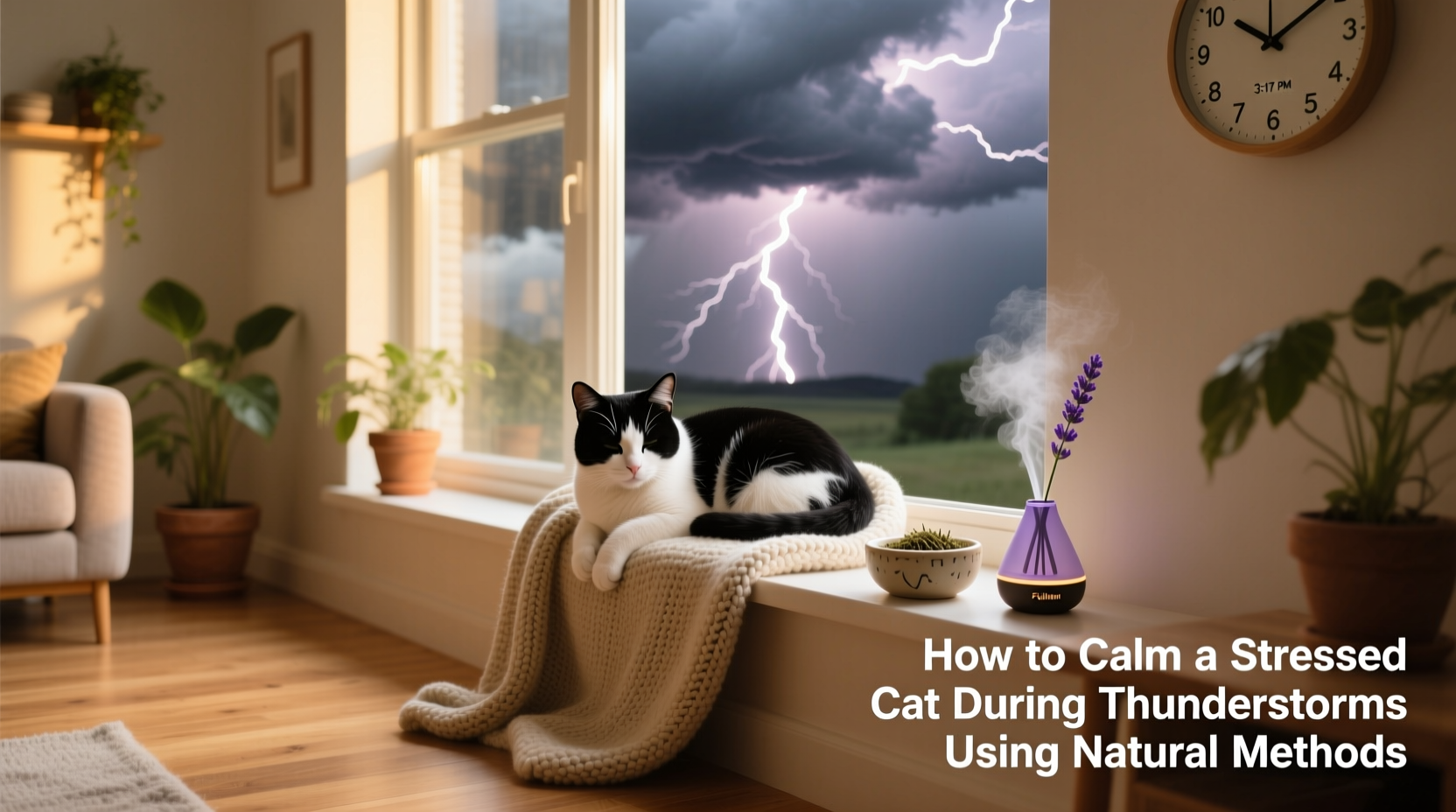
Cats are highly sensitive creatures. Their acute hearing allows them to detect distant rumbles of thunder long before humans do—sometimes up to 10 miles away. Similarly, they can sense shifts in atmospheric pressure, static electricity, and vibrations through the ground, all of which precede a storm. These early warnings can cause anxiety hours before rain begins.
When a cat feels threatened, its sympathetic nervous system activates—the “fight-or-flight” response. This leads to increased heart rate, dilated pupils, and muscle tension. In enclosed spaces like homes, escape isn’t an option, so the cat may resort to freezing, hiding, or attempting to flee indoors (e.g., under beds or inside closets).
Chronic stress from repeated storms can weaken a cat’s immune system, disrupt sleep, and lead to behavioral issues such as inappropriate elimination or aggression. Addressing storm anxiety early with natural tools is not just about comfort—it’s part of responsible pet care.
Tip: Observe your cat’s behavior in the hours before a storm. Early signs of distress include pacing, excessive grooming, or seeking out dark, enclosed spaces.Natural Calming Techniques That Work
Medication-free solutions focus on reducing sensory input, providing security, and leveraging calming pheromones and routines. When combined, these methods create a multi-layered approach that addresses both physical and psychological aspects of fear.
Create a Safe Indoor Shelter
A designated safe space gives your cat control over its environment—a key factor in reducing anxiety. Choose a quiet interior room with minimal windows, such as a closet, bathroom, or spare bedroom. Equip it with familiar items: a soft bed, favorite blanket, toys, and a litter box if needed.
To further muffle sound, consider adding heavy curtains, rugs, or even noise-dampening panels. Playing low-frequency background noise, such as classical music or white noise, can mask thunderclaps. Studies show that species-appropriate music—like compositions with feline vocalization frequencies—can lower heart rates in anxious cats.
Use Pheromone Therapy
Feline facial pheromones are naturally released when cats rub their cheeks on objects, signaling safety and familiarity. Synthetic versions, such as those in Feliway diffusers, mimic this chemical signal and can reduce stress-related behaviors by up to 90% in some cases.
Plug a Feliway diffuser into the room your cat frequents most, ideally 24–48 hours before a storm is expected. The device releases pheromones continuously over a four-week period and covers approximately 700 square feet. It’s especially effective when used proactively rather than during peak anxiety.
“Pheromone therapy doesn’t sedate cats, but it helps reset their emotional baseline to one of security.” — Dr. Sarah Wooten, DVM, Veterinary Contributor at PetMD
Apply Gentle Pressure with a Thundershirt
Thundershirts are snug-fitting garments that apply gentle, constant pressure around a cat’s torso. Inspired by Temple Grandin’s work with autism and deep-touch pressure, these wraps can have a calming effect on the nervous system.
While research on cats is limited compared to dogs, anecdotal evidence and small-scale studies suggest that consistent pressure may reduce cortisol levels and inhibit panic responses. Introduce the Thundershirt gradually during calm weather so your cat associates it with comfort, not fear.
Step-by-Step Guide: Preparing for a Storm Season
Waiting until the sky darkens is too late. Effective natural calming requires preparation. Follow this timeline to build resilience over time:
- Week 1–2: Identify Triggers and Safe Zones
Observe your cat’s reactions to loud noises. Note where they hide. Begin setting up a dedicated safe room with bedding, water, and toys. - Week 3: Introduce the Thundershirt (if using)
Let your cat sniff the garment. Place it nearby with treats. After a few days, drape it loosely over their back for short periods, rewarding calm behavior. - Week 4: Install Pheromone Diffuser
Set up a Feliway diffuser in the main living area. Run it continuously to establish a baseline of calm. - Ongoing: Desensitization Training
Play recorded thunderstorm sounds at low volume while engaging your cat in positive activities (feeding, play). Gradually increase volume over weeks only if no distress occurs. - Daily: Maintain Routine
Cats thrive on predictability. Feed, play, and interact at consistent times to reinforce stability, especially during storm-prone seasons.
Herbal and Dietary Support Options
Some natural supplements can support nervous system balance without sedation. Always consult your veterinarian before introducing new products, especially if your cat has health conditions or takes other medications.
- L-Theanine: An amino acid found in green tea, shown to promote relaxation without drowsiness. Available in vet-formulated chews like Composure Pro.
- Chamomile: Mildly sedative and anti-inflammatory. Use only in cat-safe formulations; avoid essential oils, which are toxic.
- Passionflower: Traditionally used to ease anxiety. Often combined with valerian root in herbal blends designed for pets.
- Omega-3 Fatty Acids: Found in fish oil, these support brain health and may improve stress resilience over time.
Note: Never give human herbal supplements to cats unless explicitly approved by a vet. Cats metabolize compounds differently and are highly sensitive to certain plant chemicals.
Do’s and Don’ts During a Thunderstorm
| Do’s | Don’ts |
|---|---|
| Maintain a calm demeanor—cats read human emotions | Punish or scold fearful behavior |
| Close windows and blinds to reduce light and sound | Force your cat out of hiding |
| Turn on fans, white noise, or calming music | Use essential oil diffusers (many are toxic to cats) |
| Offer favorite treats or food to encourage positive association | Administer unapproved herbs or supplements |
| Use a pheromone diffuser or spray in advance | Leave your cat outdoors during a storm |
Real-Life Example: Helping Luna Through Storm Season
Luna, a 4-year-old domestic shorthair, began showing severe storm anxiety after a particularly violent summer thunderstorm. Her owner, Maria, noticed Luna would hide under the bed for hours, refusing food and litter box access. After consulting her veterinarian, Maria decided to try a natural protocol.
She started by setting up a cozy safe zone in a walk-in closet, complete with a heated pad, familiar blanket, and Feliway diffuser. She introduced a Thundershirt slowly over two weeks, pairing it with tuna treats. Maria also began playing “Through a Cat’s Ear” calming music playlists during mild weather to acclimate Luna.
When the next storm approached, Maria closed the blinds, turned on the fan and music, and activated the diffuser early. Luna still retreated to her closet but remained visible, lying calmly on her bed instead of trembling in the back corner. Over three months, Luna’s reaction diminished significantly—she now often sleeps through minor storms.
“Natural methods aren’t instant fixes, but they empower cats to feel safer in their own homes.” — Dr. Liz Bales, Former Shelter Veterinarian and Feline Behavior Advocate
Frequently Asked Questions
Can I use lavender to calm my cat during storms?
No. While lavender is often marketed as calming, it contains linalool and linalyl acetate—compounds toxic to cats when inhaled or ingested. Even diffused lavender oil can cause respiratory distress, vomiting, or liver damage. Stick to vet-approved pheromones instead.
How do I know if my cat’s anxiety is severe enough to need medication?
If your cat exhibits self-harm (excessive grooming to the point of hair loss), refuses to eat or drink for more than 12 hours, or shows signs of hyperventilation during storms, consult your veterinarian. Severe phobias may require short-term anti-anxiety medication alongside behavioral strategies.
Are there any foods that naturally calm cats?
Some commercial cat foods and treats are fortified with calming ingredients like L-theanine, colostrum, or alpha-casozepine (a milk protein derivative). Brands like Royal Canin Calm and Greenies TREATS Calming Soft Chews are formulated specifically for stress support. Always introduce new foods gradually.
Final Checklist: Natural Storm Preparedness Kit
- ✅ Designated safe room with comfortable bedding
- ✅ Feliway or similar pheromone diffuser installed and active
- ✅ White noise machine or speaker with calming music playlist
- ✅ Thundershirt properly fitted and acclimated
- ✅ Calming treats or vet-approved supplement on hand
- ✅ Closed blinds and windows to minimize sensory input
- ✅ Familiar toys and litter box accessible near safe zone
Conclusion: A Calmer Home Starts with Understanding
Fear of thunderstorms is not something cats simply “grow out of.” Left unaddressed, it can escalate and impact quality of life. But with thoughtful, natural interventions, you can transform your cat’s experience from one of panic to manageable discomfort—even eventual indifference. The key lies in preparation, consistency, and empathy. By creating a predictable, secure environment and leveraging science-backed tools like pheromones and pressure therapy, you’re not just managing symptoms—you’re building long-term resilience.
💬 Have a natural tip that worked for your cat? Share your story in the comments and help fellow cat owners navigate storm season with confidence.