
CC cream—short for \"color corrector\" or \"complexion corrector\"—has earned its place as a multitasking skincare-makeup hybrid. It evens skin tone, provides light to medium coverage, hydrates, and often includes SPF protection. But even the highest-quality CC cream can look patchy, streaky, or dull if applied incorrectly. Achieving a flawless finish isn’t just about the product; it’s about technique, timing, and understanding your skin type. This guide breaks down the science and art of applying CC cream for a naturally radiant, airbrushed look that lasts all day.
Understanding Your CC Cream: What It Does and Doesn’t Do
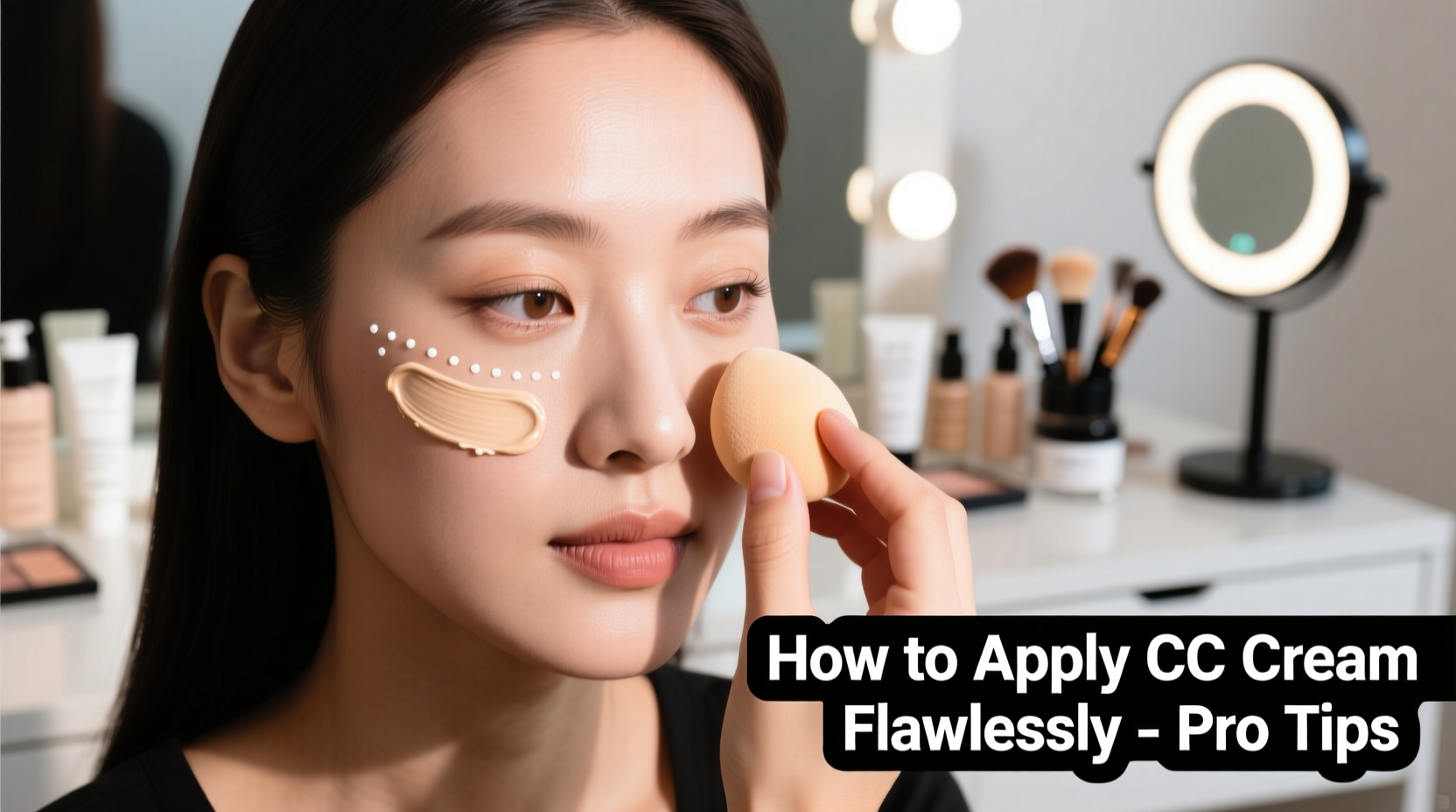
Before diving into application, it's essential to know what sets CC cream apart from foundation or BB cream. While foundations offer heavier coverage and BB creams lean toward skincare with minimal tint, CC creams are formulated to correct discoloration—redness, sallowness, or dullness—while providing a lightweight, breathable layer of color.
Most CC creams contain optical diffusers that blur imperfections and adapt to your skin tone. Many also include antioxidants, SPF 30–50, and ingredients like niacinamide or hyaluronic acid to improve skin texture over time. However, they typically don’t offer full coverage for deep scars or acne. That’s not their purpose. Their strength lies in enhancing real skin, not masking it.
“CC creams work best when treated as part of a skincare-makeup continuum. They’re not a shortcut—they’re a smart evolution.” — Dr. Lena Patel, Cosmetic Dermatologist
Step-by-Step Guide: How to Apply CC Cream Flawlessly
The key to a seamless finish starts long before you squeeze product onto your fingers. Follow this timeline for optimal results:
- Cleanse and Exfoliate (Morning or Night Before): Begin with clean, smooth skin. Use a gentle cleanser and a mild exfoliant 2–3 times per week to prevent dead skin buildup, which causes pilling.
- Apply Serum and Moisturizer: Even oily skin benefits from hydration. Wait 2–3 minutes after moisturizing to let products absorb fully. Skipping this step leads to dry patches and uneven blending.
- Prime Strategically (Optional): If you have large pores or oily T-zone, use a mattifying primer only where needed. For dry areas, skip primer or use a hydrating one.
- Warm the Product: Squeeze a pea-sized amount onto the back of your hand. Rub your fingertip gently across it to warm the formula—this improves spreadability and adhesion.
- Dab and Press, Don’t Drag: Use fingertips or a damp beauty sponge to press the product into the skin starting from the center of the face outward. Avoid dragging, which stretches the skin and creates streaks.
- Layer Thinly: Build coverage gradually. One thin layer is usually enough. Add a second only on areas needing extra correction—never apply thickly from the start.
- Blend Into Hairline and Jawline: Use the edge of a sponge or your ring finger to soften edges. Harsh lines at the jaw are a telltale sign of poor application.
- Set Only Where Necessary: If you’re prone to shine, lightly dust translucent powder on the T-zone. Avoid powdering the entire face—it can dull the dewy finish CC creams are known for.
Choosing the Right Tools: Fingers vs. Sponge vs. Brush
Your application tool significantly impacts the final result. Here’s how each option performs:
| Tool | Best For | Pros | Cons |
|---|---|---|---|
| Fingertips | Dry to normal skin; beginners | Body heat warms product; precise control; no extra tools needed | Can transfer oils; harder to blend edges evenly |
| Damp Beauty Sponge | All skin types; most recommended | Blends seamlessly; builds coverage; reduces product waste | Requires cleaning; can absorb too much product if not dampened properly |
| Firm Foundation Brush | Oily skin; quick application | Precise; fast; good for touch-ups | May leave brush strokes; less natural finish than sponge |
For most users, a slightly damp beauty sponge delivers the most natural, skin-like finish. Wet the sponge, wring it out thoroughly, and bounce—not swipe—to blend.
Common Mistakes That Ruin Your CC Cream Application
Even experienced users fall into traps that compromise the look and longevity of their makeup. Avoid these pitfalls:
- Skipping Skincare Prep: Applying CC cream on dry or oily skin leads to flaking or sliding. Hydration is non-negotiable.
- Using Too Much Product: A little goes a long way. Over-application turns a sheer, fresh look into a cakey mess.
- Mixing Incompatible Products: Some primers or moisturizers contain silicones or oils that repel water-based CC creams, causing pilling. Patch-test new combinations.
- Not Matching Skin Tone Properly: CC creams should disappear into the skin. If your neck looks different, adjust your shade or blend downward.
- Applying Immediately After Sunscreen: Wait at least 60 seconds after sunscreen so layers don’t slide or pill.
Real Example: Transforming a Rushed Morning Routine
Sarah, a 34-year-old marketing manager, used to apply her CC cream quickly with her fingers while rushing to work. She often ended up with visible streaks around her nose and chin, and by midday, her T-zone would shine while her cheeks looked dry. After consulting a dermatologist, she revised her routine: she began using a hydrating serum, waited three minutes, then applied her CC cream with a damp sponge using a bouncing motion. She skipped powder except on her forehead. The result? Her makeup lasted eight hours without touch-ups, and colleagues complimented her “glowy, healthy skin.” The change wasn’t the product—it was the method.
Checklist: Perfect CC Cream Application in 7 Steps
Keep this checklist handy until the routine becomes second nature:
- ✅ Cleanse and gently exfoliate (2–3x weekly)
- ✅ Apply serum and moisturizer; wait 2–3 minutes
- ✅ Use sunscreen and wait 60 seconds
- ✅ Warm a pea-sized amount of CC cream
- ✅ Apply with fingertips or damp sponge using pressing motions
- ✅ Blend outward and downward into hairline and jaw
- ✅ Lightly set oily zones with translucent powder
FAQ: Your CC Cream Questions Answered
Can I wear CC cream every day?
Absolutely. Most CC creams are formulated with skincare ingredients and SPF, making them ideal for daily wear. Just ensure you remove it thoroughly at night with a proper cleanser to prevent clogged pores.
Should I use CC cream under foundation?
Yes, but selectively. If you need more coverage, apply CC cream first for color correction and hydration, then layer a lightweight foundation on top. Avoid doing this if your skin is oily—too many layers increase the risk of pilling.
Why does my CC cream look gray or ashy?
This often happens with formulas containing high SPF or mineral filters (like zinc oxide), especially on deeper skin tones. Look for CC creams labeled “sheer tint” or “universal tint” that are specifically designed to avoid oxidation. Always test in natural light before purchasing.
Final Thoughts: Elevate Your Everyday Routine
Flawless CC cream application isn’t about perfection—it’s about harmony between product, skin, and technique. When applied correctly, CC cream enhances your natural complexion, protects your skin, and simplifies your beauty routine. It’s not just makeup; it’s intelligent daily care. By respecting the prep, choosing the right tools, and avoiding common errors, you unlock a finish that looks effortless and feels comfortable all day.
🚀 Ready to transform your morning routine? Try the 7-step checklist tomorrow and notice the difference. Share your experience or ask questions in the comments—let’s build a community of glowing, confident skin!