When building a functional wardrobe, few decisions carry as much weight as choosing the right outerwear. A jacket isn’t just protection from the elements—it’s a cornerstone of personal style. Among the most debated choices: should you opt for a green jacket or a neutral-toned one? While green brings character and seasonal flair, neutrals promise flexibility and timelessness. The answer to which one truly goes with more outfits depends on understanding color theory, lifestyle needs, and long-term versatility.
The Versatility Factor: Defining \"Goes With More Outfits\"
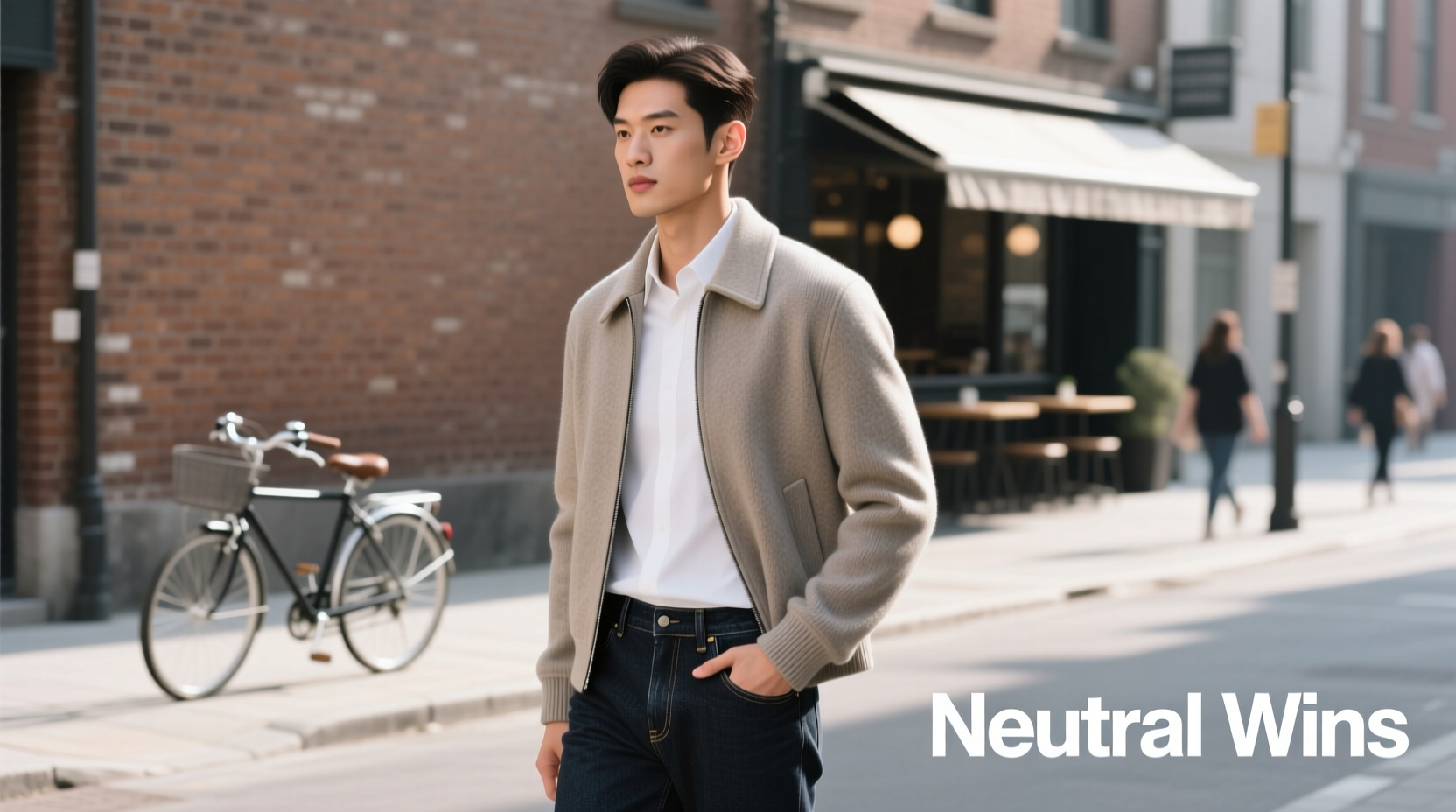
To determine which jacket is more compatible with existing clothing, we must first define what “goes with more outfits” really means. It’s not just about matching colors—it’s about adaptability across occasions, seasons, and styles. A jacket that works with jeans, chinos, formal trousers, dresses, and layered casual wear has higher utility than one limited to specific settings.
Neutral jackets—typically in shades like beige, gray, navy, black, or camel—operate within a broad compatibility zone. They don’t compete with other colors; instead, they support them. Green jackets, depending on the shade (olive, forest, emerald, sage), can be surprisingly versatile but often come with subtle constraints due to their inherent saturation and undertones.
“Neutrals are the silent anchors of a wardrobe—they let your other pieces speak while holding everything together.” — Marcus Tran, Menswear Stylist & Wardrobe Consultant
Color Theory in Practice: How Neutrals Stack Up
Neutral tones exist outside the dominant hue spectrum, making them inherently easier to pair. Gray blends seamlessly with both warm and cool palettes. Navy complements earth tones and brights alike. Beige and camel harmonize with autumnal hues and pastels. These colors rarely clash because they lack strong chromatic dominance.
Consider this: a charcoal gray blazer can transition from a white-collared shirt and dress pants in a professional setting to a black t-shirt and jeans for evening drinks. A beige trench coat elevates a monochrome outfit or adds structure to a floral summer dress. This level of cross-contextual functionality is difficult to match.
Tip: When in doubt, choose a mid-tone neutral—like taupe or medium gray—for maximum compatibility across light and dark ensembles.A Comparison of Common Jacket Colors and Their Compatibility
| Color | Likes to Pair With | Potential Conflicts | Outfit Range Estimate |
|---|---|---|---|
| Black | Nearly all colors, especially white, gray, red, denim | Can feel harsh with very soft pastels | High (9/10) |
| Gray (Medium) | Blue, pink, yellow, olive, black, white | Faint clashing with certain purples | Very High (9.5/10) |
| Beige/Camel | Brown, navy, cream, olive, burgundy | Clashes with neon brights or icy blues | High (8.5/10) |
| Olive Green | Denim, black, white, tan, rust | Challenging with reds or bright greens | Moderate-High (7.5/10) |
| Forest Green | Navy, cream, mustard, gray | Difficult with pinks, oranges, yellows | Moderate (6.5/10) |
| Emerald Green | White, gold, black, deep purple | Limited with earth tones or muted colors | Low-Moderate (5/10) |
The Case for the Green Jacket: Personality and Seasonal Strength
While neutrals win on sheer volume of combinations, green jackets offer something equally valuable: identity. Olive and forest green, in particular, perform exceptionally well in transitional seasons. They echo natural landscapes, making them ideal for fall hikes, spring outings, or urban layering during unpredictable weather.
Olive green, especially, has earned its place as a quasi-neutral in modern wardrobes. Paired with navy chinos, a white tee, and brown boots, it creates a rugged yet refined look. With black jeans and a gray hoodie, it reads effortlessly urban. Its earthy tone avoids the starkness of black and the blandness some associate with gray.
However, not all greens are created equal. Bright emerald or lime green jackets drastically reduce pairing options. They demand deliberate coordination and often limit wear to statement occasions rather than daily use.
Real-Life Example: Office to Weekend Wear
Take Sarah, a marketing professional in her early 30s. She owns two jackets: a camel trench coat and an olive utility jacket. Over six weeks, she tracked how often each was worn and how easily it paired with her existing wardrobe.
- Camel Trench: Worn 14 times. Paired successfully with 18 different outfits, including dresses, tailored pants, jeans, and skirts.
- Olive Utility Jacket: Worn 9 times. Worked with 11 outfits, mostly casual or smart-casual combinations. Struggled with her red blouse and coral summer dress.
The data shows that while the green jacket was a favorite for weekend wear, the neutral option offered broader utility across contexts. Still, the green piece added distinctiveness that elevated otherwise simple looks.
Step-by-Step: Choosing the Right Jacket for Your Wardrobe
Follow this process to make a decision based on your actual closet—not trends or assumptions.
- Inventory Your Bottoms: List your most-worn pants, jeans, and skirts. If you own mostly denim, black, gray, or navy, a neutral jacket will integrate more easily.
- Analyze Top Colors: Count your frequently worn shirts, sweaters, and tees. A wardrobe rich in pastels or jewel tones may benefit from a neutral base. One dominated by earth tones could welcome a green jacket.
- Assess Lifestyle Needs: Do you need one jacket for work, travel, and evenings? A neutral is likely better. If you’re outdoors often or prioritize seasonal style, green might align better.
- Test Layering Potential: Try layering existing jackets over three different outfits. Note any visual clashes or awkward contrasts.
- Decide on Primary Role: Is this jacket meant to be invisible infrastructure or a style highlight? Neutrals support; green accents express.
Checklist: Picking the Most Compatible Jacket
- ✅ Identify your top five most-worn clothing items
- ✅ Determine whether your palette is warm, cool, or balanced
- ✅ Decide if you need year-round wear or seasonal specificity
- ✅ Evaluate if your style leans minimalist or expressive
- ✅ Try virtual or physical mock-ups of the jacket with current outfits
- ✅ Prioritize fabric and cut alongside color—poor fit undermines even the best color choice
FAQ: Green Jacket vs. Neutral – Answering Common Questions
Can a green jacket be considered a neutral?
In certain contexts—especially olive or muted sage—green can function as a near-neutral within earth-tone palettes. However, it still carries more chromatic weight than true neutrals like gray or beige, limiting its universal compatibility.
Will a neutral jacket make my wardrobe boring?
Not at all. Neutrals provide a canvas for bolder accessories, shoes, or inner layers. A gray jacket with a patterned scarf, colored turtleneck, or unique watch becomes anything but dull. In fact, neutrality often enhances individuality by removing competition from the outer layer.
What’s the most versatile shade of green?
Olive green is widely regarded as the most versatile green for outerwear. Its low saturation and brown undertones allow it to blend with both warm and cool earth tones, making it suitable for casual and semi-formal settings.
Conclusion: The Strategic Choice for Long-Term Style
The question isn’t whether green or neutral jackets are “better”—it’s about purpose. If your goal is maximum outfit compatibility, ease of coordination, and timeless adaptability, a neutral jacket wins every time. It integrates into more color schemes, suits more occasions, and ages more gracefully.
That said, a green jacket—particularly in olive or forest—adds dimension, seasonality, and character. It’s an excellent secondary piece for those who already have a neutral foundation. For many, the optimal solution isn’t choosing between the two, but strategically owning both: one for seamless integration, the other for intentional expression.
💬 Ready to optimize your outerwear? Audit your current jacket collection, identify gaps, and invest in the piece that fills your most frequent styling need—versatility or vibrancy.