
Caring for fine jewelry requires more than occasional wear and admiration. Delicate chain necklaces, especially those made from gold, silver, or platinum with intricate designs, are vulnerable to tarnish, oil buildup, and microscopic damage when improperly cleaned. Over time, skin oils, lotions, perfumes, and environmental pollutants accumulate on the surface, dulling their luster. While it may be tempting to use commercial cleaners or vigorous scrubbing, such methods can weaken links, scratch surfaces, or strip protective coatings. The key to maintaining brilliance lies in using gentle, deliberate techniques that preserve both beauty and integrity.
Understanding Your Chain’s Material and Structure
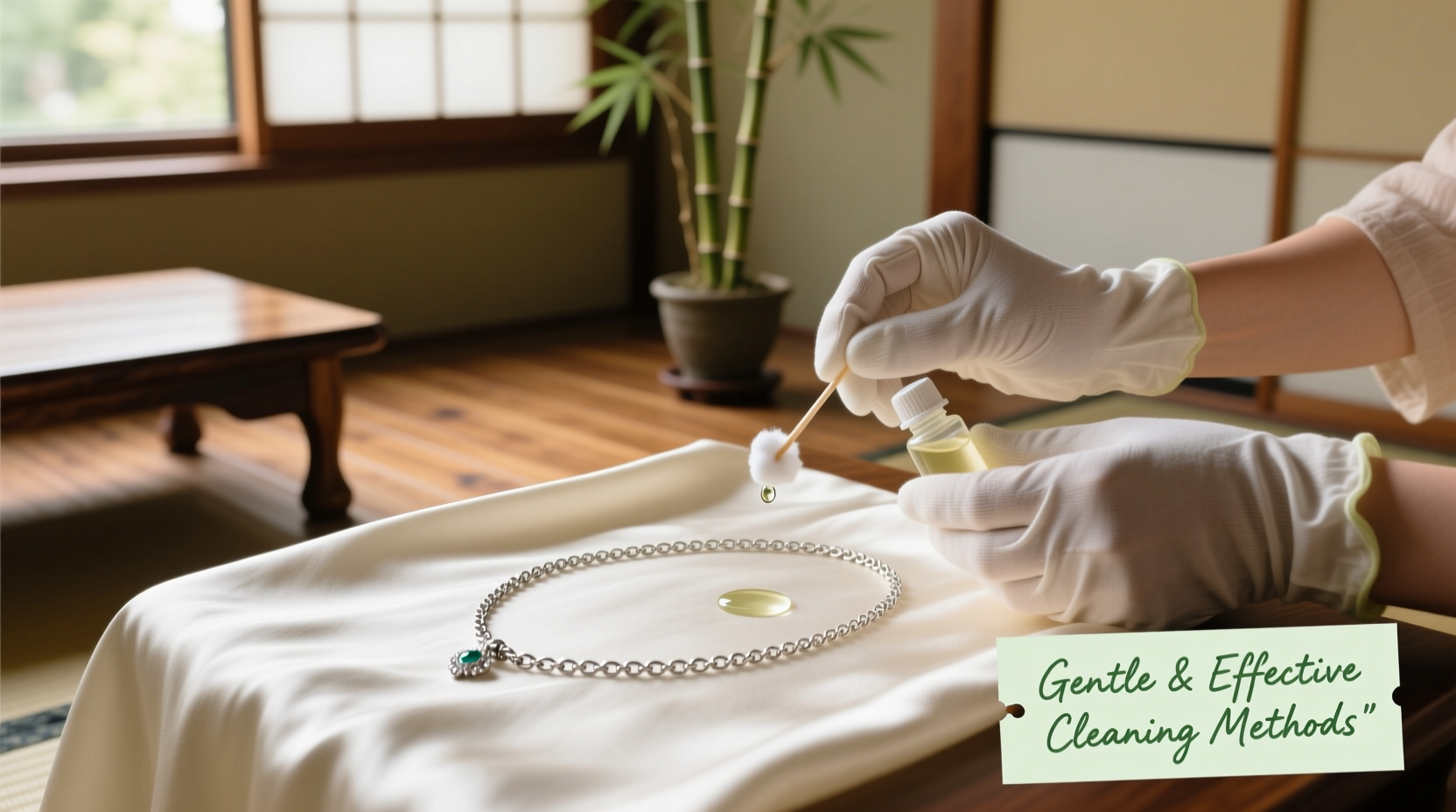
Before any cleaning begins, identifying the metal type and construction of your necklace is essential. A 14k gold cable chain has different care needs than a sterling silver box chain or a platinum curb link. Some chains—like figaro, snake, or rope—are tightly woven or have interlocking segments that trap debris but are easily damaged by forceful brushing.
Delicate chains often feature thin gauges (measured in millimeters), sometimes as fine as 0.5mm. These are prone to kinking or breaking if twisted or pulled during cleaning. Additionally, chains with gemstone accents, enamel detailing, or antique finishes require extra caution. For example, pearls or opals should never be submerged in liquid solutions, and antique pieces may lose value if over-cleaned.
“Many people don’t realize that even soft metals like gold can fatigue over time. Repeated stress from improper handling during cleaning leads to premature breakage.” — Lydia Tran, Master Jeweler & Conservator at the American Jewelry Institute
Step-by-Step Guide: Safe Hand Cleaning at Home
The most reliable method for cleaning a delicate chain necklace involves a controlled, manual process using mild ingredients commonly found in the kitchen. This approach minimizes risk while effectively removing grime.
- Prepare your workspace: Lay down a soft towel on a clean, flat surface. Ensure good lighting and remove any distractions. Place a small bowl nearby to prevent accidental drops.
- Gather supplies: You’ll need lukewarm distilled water (to avoid mineral deposits), a few drops of phosphate-free dish soap, a soft-bristled toothbrush (preferably labeled for babies or contact lenses), two microfiber cloths, and a strainer or coffee filter.
- Create the cleaning solution: Mix one cup of water with two drops of dish soap. Avoid soaps with moisturizers, bleach, or degreasers.
- Soak the chain: Submerge the necklace for 10–15 minutes. Do not exceed this time, especially for silver, which can oxidize faster in prolonged moisture exposure.
- Agitate gently: After soaking, lift the chain and use the toothbrush to lightly stroke along the length. Focus on areas near the clasp and where the chain rests against the neck. Never bend or stretch the chain while brushing.
- Rinse thoroughly: Hold the chain under a slow stream of lukewarm distilled water. Use the strainer to catch it if needed.
- Dry completely: Pat dry with a microfiber cloth, then lay flat on a second cloth to air-dry for at least 30 minutes before storing or wearing.
Do’s and Don’ts: Best Practices for Delicate Chains
| Do | Don’t |
|---|---|
| Use distilled water to prevent mineral spotting | Use tap water high in chlorine or fluoride |
| Clean every 4–6 weeks with regular wear | Wait until the chain looks visibly dull or dirty |
| Store flat in a fabric-lined jewelry box | Hang chains long-term (can cause stretching) |
| Inspect clasps monthly for wear | Pull or tug on a snagged chain |
| Use a single drop of ammonia only on solid gold (rarely) | Soak silver or plated chains in ammonia-based solutions |
Real Example: Reviving a Heirloom Gold Chain
Sarah inherited a 12k yellow gold trace chain from her grandmother. Though beautiful, it had darkened significantly and felt sticky to the touch after decades of occasional wear and improper storage in a plastic bag. Fearing damage, she avoided commercial dips and instead followed the hand-cleaning method described above. After the first soak and gentle brushing, much of the surface grime lifted. She repeated the process once more after four days, focusing on the clasp area. The result was a noticeable restoration of shine without compromising the chain’s structural integrity. A jeweler later confirmed the links remained strong, crediting Sarah’s patience and careful technique.
Alternative Methods and When to Avoid Them
While ultrasonic cleaners are popular in professional settings, they are generally not recommended for delicate or vintage chains. The high-frequency vibrations can loosen stones, weaken solder points, or fracture thin links. Similarly, steam cleaning, though effective for some rings, poses risks for chains due to rapid temperature changes and pressure.
For silver chains showing light tarnish, a polishing cloth designed specifically for silver can be used with light, back-and-forth motions. However, avoid aggressive rubbing on engraved or textured areas. Dip solutions should be avoided entirely—they often contain harsh chemicals like thiourea or acid salts that erode metal over time.
Tip: If your chain has a strong odor after cleaning, it may indicate trapped residue. Let it air out fully before storing—never seal it in a box while damp.Checklist: Monthly Chain Necklace Care Routine
- ☐ Inspect the entire length for kinks, fraying, or weak links
- ☐ Check the clasp function—does it secure firmly?
- ☐ Wipe lightly with a dry microfiber cloth after wearing
- ☐ Perform a full cleaning every 4–6 weeks (or more often with daily use)
- ☐ Store separately from other jewelry to prevent tangling and scratches
- ☐ Schedule professional inspection annually for valuable pieces
Frequently Asked Questions
Can I use baking soda to clean my delicate chain?
Baking soda is mildly abrasive and can scratch soft metals like gold and silver, especially on fine chains. While sometimes recommended for heavy tarnish, it’s too harsh for routine care. Stick to pH-neutral dish soap for safety.
How do I know if my chain is too damaged to clean at home?
If you notice visible breaks, stretched links, or a clasp that no longer catches securely, stop handling the chain and consult a professional. Attempting to clean a compromised piece may lead to loss or further damage.
Is it safe to wear my delicate chain while washing hands or showering?
No. Daily exposure to soap, shampoo, and hot water accelerates wear, promotes tarnish, and increases the chance of snags. Always remove delicate chains before bathing or household chores.
Conclusion: Preserve Beauty Through Mindful Maintenance
A delicate chain necklace is more than an accessory—it’s often a symbol of sentiment, style, or legacy. Its longevity depends not on how often it’s worn, but on how thoughtfully it’s cared for. Gentle cleaning isn’t just about restoring shine; it’s a practice of preservation. By adopting safe, consistent habits, you protect both the physical structure and emotional value of your jewelry. Whether it’s a gift, heirloom, or personal treat, treat each chain with the attention it deserves.
💬 Have a favorite jewelry care tip or story? Share your experience in the comments—your insight could help someone save a cherished piece.