
For runners, choosing between a fitness tracker and a smartwatch isn't just about budget or design—it's about precision, functionality, and the data that actually improves performance. While both devices can track steps and heart rate, their capabilities diverge significantly when it comes to advanced running metrics, GPS accuracy, and long-term training insights. Understanding which metrics are most valuable—and how each device delivers them—can help you make an informed decision that aligns with your running goals.
Why Metrics Matter More Than Features
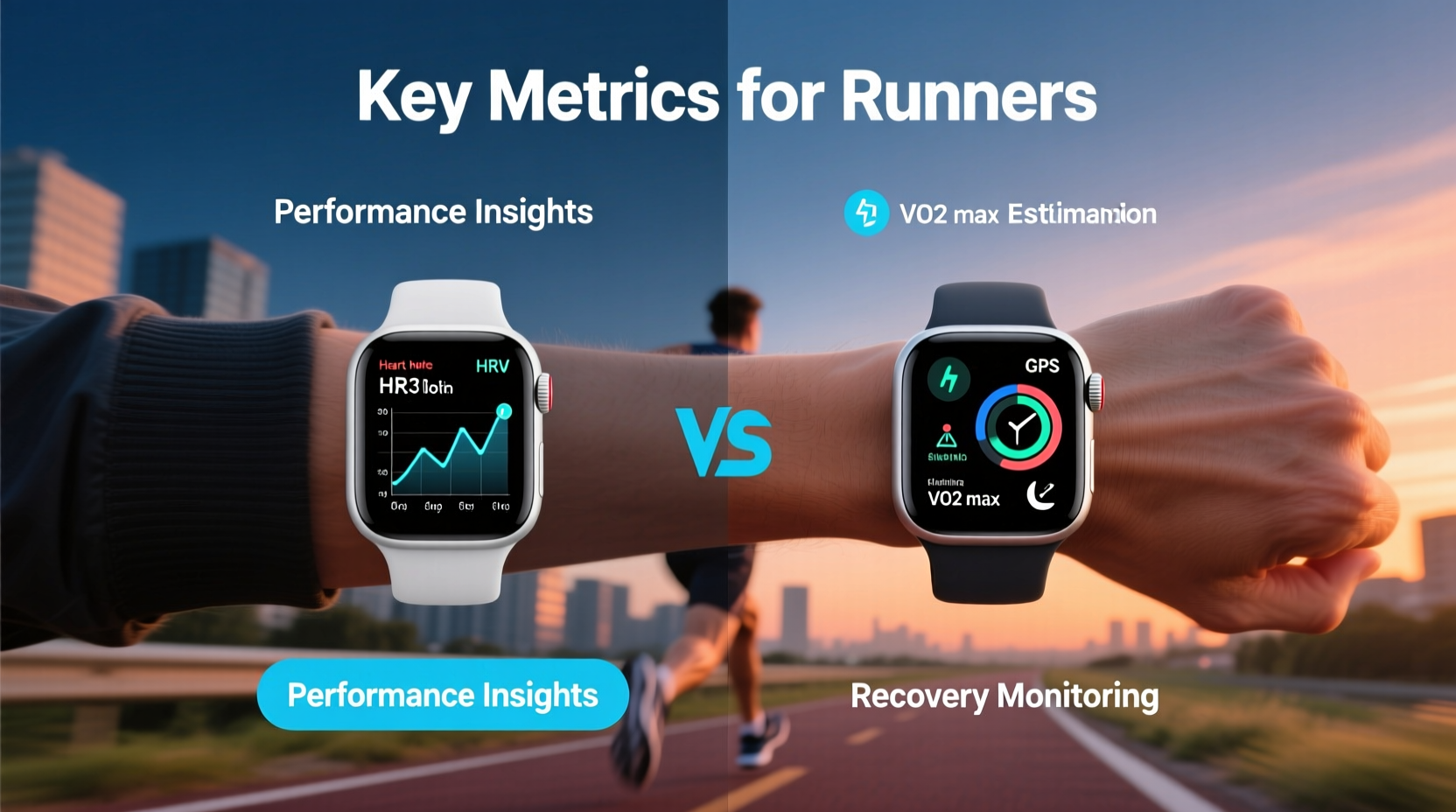
Runners don’t just want to know how far they’ve gone; they want to understand how efficiently they ran, whether their body is adapting well, and if they're on track for improvement. This requires more than step counting. The right metrics provide actionable feedback, reduce injury risk, and optimize training load.
A fitness tracker might be sufficient for casual joggers who prioritize convenience and battery life. But serious runners often need deeper analytics—cadence, stride length, ground contact time, elevation gain, and recovery metrics—that only high-end trackers or dedicated sports smartwatches offer.
Tip: Don’t get distracted by flashy features like music storage or notifications. Focus first on sensor quality and metric accuracy.Core Running Metrics That Actually Improve Performance
Not all tracked data is equally useful. Some metrics directly influence pacing, form, and progression. Others are vanity numbers with little practical impact. Here are the key metrics every runner should consider:
- Heart Rate (HR): Monitors effort level in real time. Helps avoid overtraining and ensures you’re staying within target zones during intervals or endurance runs.
- GPS Accuracy: Essential for measuring distance, pace, and route consistency. Poor GPS leads to inaccurate splits and misleading progress reports.
- Running Cadence: Steps per minute. Optimal cadence (typically 170–180) reduces impact forces and lowers injury risk.
- Variability in Heart Rate (HRV): A marker of recovery and stress levels. Low HRV may indicate fatigue or overtraining.
- Elevation Gain/Loss: Critical for trail runners or those training on hilly terrain. Impacts perceived effort and energy expenditure.
- Stride Length & Ground Contact Time: Advanced biomechanical data available on select devices. Shorter ground contact usually correlates with better running economy.
- VO₂ Max Estimate: Predicts aerobic capacity. Useful for gauging fitness improvements over time.
“Accurate, consistent metrics allow runners to train smarter, not harder. A misread heart rate zone can turn a recovery run into a strain session.” — Dr. Lena Patel, Sports Physiologist at Boston Running Institute
Fitness Tracker vs Smartwatch: A Practical Comparison
The line between fitness trackers and smartwatches has blurred, but fundamental differences remain in sensor sophistication, software focus, and user experience.
| Metric/Feature | Fitness Trackers (e.g., Fitbit Charge, Garmin Vivosmart) | Smartwatches (e.g., Apple Watch, Garmin Forerunner, Samsung Galaxy Watch) |
|---|---|---|
| GPS Accuracy | Limited internal GPS; often relies on phone connection | Dedicated multi-band GPS on premium models; highly accurate |
| Heart Rate Monitoring | Basic optical sensors; decent for trends, less reliable under intensity | Advanced optical + ECG support on some; better motion compensation |
| Battery Life | 5���10 days typical; ideal for continuous wear | 18–36 hours (Apple Watch); up to 2 weeks on rugged models (Garmin) |
| Running-Specific Analytics | Limited to pace, distance, HR, calories | Cadence, stride, vertical oscillation, training load, recovery time |
| User Interface | Simplified screen; swipe-based navigation | Full touchscreen OS; customizable watch faces and apps |
| Price Range | $80–$180 | $200–$700+ |
| Best For | Casual runners, general health monitoring | Serious runners, marathon training, structured coaching integration |
When a Fitness Tracker Is Enough
If you run 2–3 times a week for general fitness, enjoy park loops or treadmill sessions, and value long battery life and simplicity, a fitness tracker will likely meet your needs. Devices like the Fitbit Charge 6 or Huawei Band 9 offer solid heart rate tracking, basic GPS, sleep monitoring, and weekly summaries—all without daily charging.
When You Need a Smartwatch
Competitive runners, half/full marathon trainees, or those following structured plans benefit from smartwatches. Models like the Garmin Forerunner 265 or Coros Pace 3 deliver advanced metrics such as Training Effect, Recovery Time, and Race Predictor. These tools help fine-tune workouts based on actual physiological response rather than guesswork.
Tip: Look for watches with offline workout modes and built-in interval timers—critical for tempo runs and hill repeats.Real Runner Case: From Injury to PR With Better Data
Marissa, a 34-year-old recreational runner from Portland, used a basic fitness band for two years. She consistently logged 15–20 miles weekly but plateaued in her 10K times and suffered recurring shin splints. After switching to a Garmin Forerunner 255, she discovered her average cadence was only 158—well below the recommended range.
The watch alerted her to high training load and low HRV after back-to-back hard efforts. Using guided recovery suggestions, she adjusted her schedule, added drills to improve turnover, and gradually increased cadence. Within four months, her 10K time dropped by 2 minutes, and her leg pain disappeared.
“I didn’t realize how much I was overstriding,” Marissa said. “Seeing my ground contact time and receiving real-time alerts made me change my form. No fitness tracker I’d used before gave me that level of insight.”
What to Prioritize When Choosing Your Device
Selecting the right tool depends on your running habits, goals, and willingness to engage with data. Use this checklist to guide your decision:
Device Selection Checklist
- ✅ Does it have built-in GPS with proven accuracy?
- ✅ Can it track heart rate continuously and during intense intervals?
- ✅ Does it display real-time pace, distance, and elapsed time clearly?
- ✅ Are running-specific metrics like cadence and VO₂ max included?
- ✅ Does it sync with your preferred app (Strava, TrainingPeaks, etc.)?
- ✅ Is battery life sufficient for long runs or races?
- ✅ Is the interface easy to navigate mid-run?
- ✅ Does it offer post-run analysis beyond basic summaries?
Step-by-Step Guide: Setting Up for Success
- Define Your Goals: Are you training for a race, improving endurance, or recovering from injury? This determines required metrics.
- Test Battery Needs: If you run ultramarathons or multi-day events, prioritize extended battery life (e.g., Coros or Garmin).
- Compare Sensor Quality: Read independent reviews focusing on HR accuracy during variable efforts, not just steady-state jogging.
- Check Compatibility: Ensure the device works with your smartphone OS and integrates with your coaching platform.
- Try Before You Buy: Many brands offer return windows. Wear it for a week of mixed activity to assess comfort and usability.
- Customize Your Dashboard: Set up screens to show only the metrics you care about—clutter slows reaction time.
- Use Post-Run Insights: Review weekly trends in training load, HRV, and recovery to adjust future workouts.
Common Pitfalls to Avoid
Even the best device won’t help if misused. Here are frequent mistakes runners make:
- Overreliance on calorie estimates: These are notoriously inaccurate across all wearables. Use them as rough guides, not dietary anchors.
- Ignoring recovery signals: High stress scores or low HRV should prompt rest, not another hard session.
- Chasing arbitrary metrics: Striving for a higher VO₂ max without context can lead to burnout.
- Poor placement: Wearing the device too loose or rotating it during runs affects heart rate readings.
“The best wearable is the one you trust and act upon. Data without behavior change is just noise.” — James Wu, Running Coach and Tech Advisor for RunnersConnect
Frequently Asked Questions
Do fitness trackers work accurately without a phone?
It depends. Many entry-level trackers lack internal GPS and rely on your phone’s connection to map routes. Without your phone, distance and pace data may be estimated using accelerometer data, which is far less accurate. Higher-end trackers and most smartwatches include standalone GPS.
Can a smartwatch prevent running injuries?
Not directly, but it can reduce risk. By monitoring training load, recovery status, and biomechanics like asymmetry or excessive ground contact, smartwatches alert you to potential red flags before they become injuries. Used wisely, they promote balanced training.
Is VO₂ max from a wrist device reliable?
Estimates from wrist-based devices are reasonably accurate for trend tracking but not lab-grade precise. They use heart rate, pace, and movement data to model aerobic capacity. While not diagnostic, consistent increases in estimated VO₂ max generally reflect real fitness gains.
Final Verdict: Match the Tool to Your Running Journey
The choice between a fitness tracker and a smartwatch ultimately hinges on intent. If running is part of a broader wellness routine—something you do for mental clarity, cardiovascular health, or social enjoyment—a capable fitness tracker offers excellent value with minimal hassle.
But if you’re aiming to beat personal records, train systematically, or understand the nuances of your physiology, a running-focused smartwatch pays dividends. The investment goes beyond hardware—it enables data-driven decisions that compound over time into better performance, fewer setbacks, and greater confidence.
Regardless of which device you choose, remember that consistency matters more than gadgetry. The most advanced watch won’t help if left in a drawer. Pair your tech with intentional training, proper recovery, and a mindset focused on sustainable progress.
🚀 Ready to level up your runs? Audit your current gear, identify one missing metric that could make a difference, and take the next step—whether it’s upgrading your tracker or simply using your current device more intentionally.