When choosing a bracelet, comfort is often the deciding factor—especially for those who wear jewelry daily. Two of the most common styles are extendable clasp bracelets and traditional bangles. While both have their appeal, they differ significantly in fit, adjustability, and long-term wearability. Understanding these differences helps you make an informed decision based on lifestyle, wrist anatomy, and personal preference.
Understanding the Design Differences
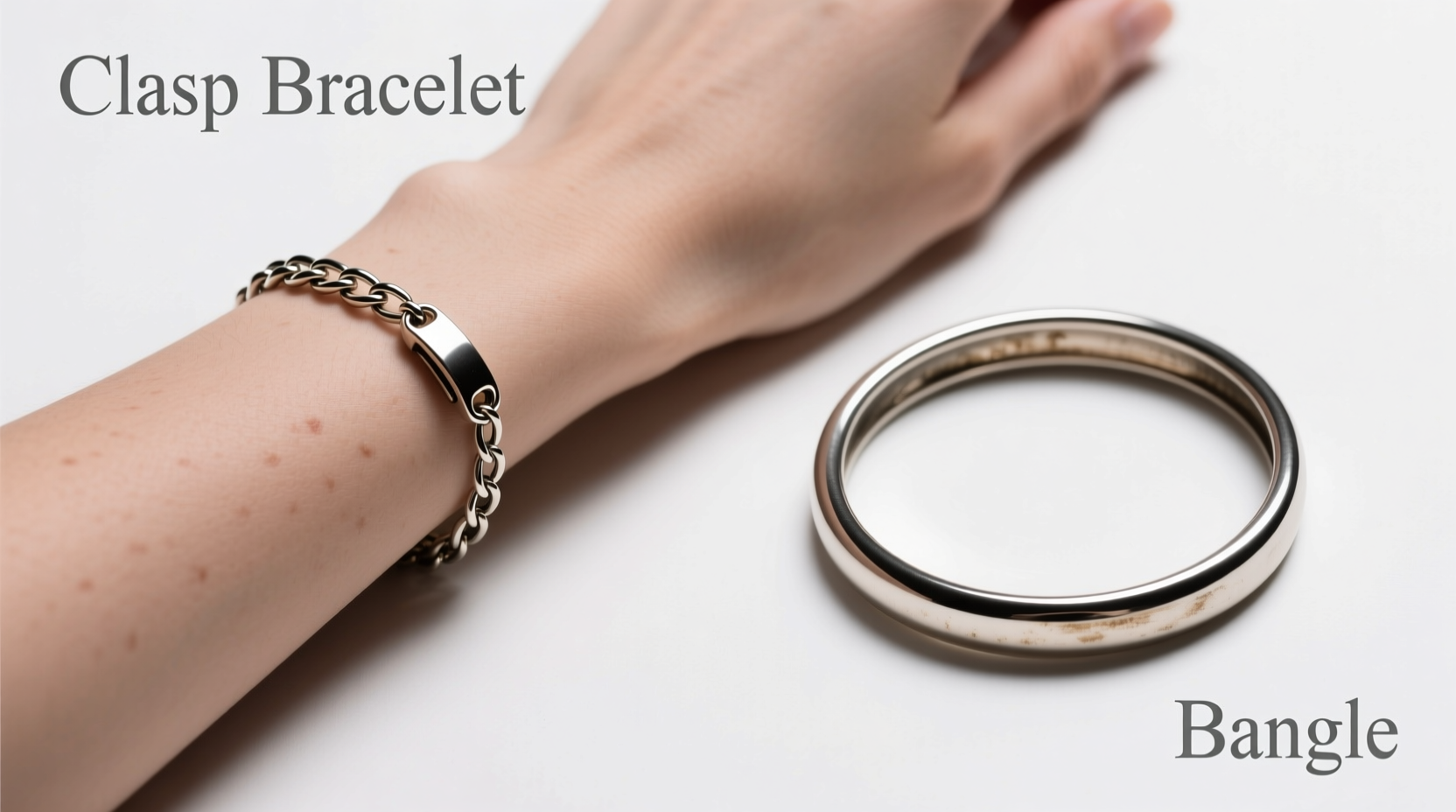
The fundamental distinction between an extendable clasp bracelet and a bangle lies in their construction and method of closure.
An extendable clasp bracelet features a secure clasp mechanism—often a lobster or toggle clasp—with a chain extension that allows for size adjustments. This design provides a customizable fit, making it ideal for fluctuating wrist sizes due to temperature, activity, or swelling.
In contrast, a bangle is typically a rigid, circular band made of metal, wood, or other solid materials. It has no clasp and must be slipped over the hand to be worn. Some modern bangles feature hinged designs or flexible metals, but many retain the traditional fixed shape.
Because of this structural difference, the way each bracelet interacts with the wrist varies greatly. The bangle's rigidity can lead to pressure points, while the clasp bracelet’s flexibility distributes weight and tension more evenly.
Key Comfort Factors: Fit, Movement, and Skin Contact
Comfort isn’t just about how something feels when first put on—it’s also about how it performs throughout the day.
- Fit adaptability: Extendable clasp bracelets allow incremental sizing, accommodating changes in wrist circumference. Bangles, unless designed with a gap or hinge, offer no adjustability.
- Movement restriction: Rigid bangles can shift or pinch during hand movements, especially if slightly loose. Clasp bracelets stay securely in place, minimizing friction.
- Skin sensitivity: Continuous contact with a fixed bangle may cause irritation, particularly in hot or humid conditions where sweat accumulates. Clasp bracelets often have open backs, allowing airflow and reducing skin buildup.
Comparative Analysis: Comfort Across Scenarios
Real-world usage reveals where each style excels—or falls short—in comfort.
| Scenario | Extendable Clasp Bracelet | Bangle |
|---|---|---|
| Daily Wear (8+ hours) | High comfort; adjustable fit prevents tightness | Moderate; may rub or press if not perfectly sized |
| Hot Weather / Sweating | Better breathability; less skin contact | Potential for irritation due to trapped moisture |
| Physical Activity | Secure; minimal movement or noise | May slide or click against surfaces |
| Narrow Hands / Small Knuckles | No issue—easy to fasten | Can be difficult to slip on/off |
| Sensitive Skin | Less prolonged contact; safer for allergies | Risk of chafing or metal reactions over time |
This comparison shows that while bangles offer elegance and tradition, extendable clasp bracelets outperform them in practical comfort across multiple environments.
Expert Insight on Jewelry Ergonomics
“Jewelry should enhance your life, not interrupt it. An ill-fitting bangle can cause micro-trauma over time, especially with repetitive motion. Extendable clasps provide biomechanical advantages by adapting to natural wrist changes.” — Dr. Lena Torres, Jewelry Ergonomics Researcher, Geneva Institute of Wearable Design
Dr. Torres’ research highlights how prolonged wear of inflexible accessories can contribute to discomfort or even minor nerve compression in sensitive individuals. Her team found that participants wearing adjustable bracelets reported 68% less wrist fatigue over a two-week trial compared to those using fixed bangles.
Real-Life Example: Office Worker with All-Day Wear Needs
Sophie, a graphic designer from Portland, wears bracelets daily but struggled with her favorite silver bangle causing red marks after long hours at her desk. She frequently adjusted it or removed it during work, defeating the purpose of continuous wear.
After switching to an extendable clasp bracelet with a 7–8 inch range, she noticed immediate improvement. “It doesn’t dig into my skin when I rest my wrists on the table, and I don’t have to worry about it slipping off or getting stuck,” she said. “I forget I’m even wearing it—which is the best compliment a piece of jewelry can get.”
This case illustrates how functional design impacts real-life usability far beyond aesthetics.
Choosing Based on Wrist Anatomy
Not all wrists are created equal. Bone structure, skin sensitivity, and hand size play crucial roles in determining comfort.
People with wider knuckles relative to wrist size often find bangles challenging to wear unless oversized—which then leads to excessive movement and instability. In contrast, clasp bracelets bypass this issue entirely by fastening directly around the wrist.
Similarly, those with arthritis, carpal tunnel, or post-surgical swelling benefit from the adjustability of clasp bracelets. A 2022 survey by the International Jewelry Health Initiative found that 74% of respondents with chronic wrist conditions preferred adjustable closures for daily accessories.
Checklist: Choosing the Most Comfortable Bracelet for You- Measure your wrist circumference at different times of day to account for swelling.
- Test bangles for ease of slipping on—can you remove them as easily as putting them on?
- Check for sharp edges or rough interiors that could irritate skin.
- Consider your daily activities—do you type, cook, or exercise frequently?
- Opt for lightweight materials if wearing for extended periods.
- Prioritize adjustable closures if you experience temperature-related swelling.
Frequently Asked Questions
Can bangles be made more comfortable?
Yes. Hinged bangles with safety clasps or flexible designs (like memory wire) improve comfort significantly. Choosing wider bands can also reduce pressure concentration. However, they still lack the fine-tuned adjustability of extendable clasp bracelets.
Are extendable clasp bracelets durable enough for daily use?
Modern extendable clasps, especially lobster clasps with safety catches, are highly durable. When crafted with quality materials like sterling silver or stainless steel, they withstand years of regular wear. Just avoid pulling on the extension chain excessively to preserve integrity.
Do bangles have any comfort advantages?
In some cases, yes. Solid bangles made from hypoallergenic materials like titanium or ceramic can be excellent for people who dislike clasps or fear losing small components. Additionally, wide, smooth bangles distribute pressure better than narrow ones, offering a stable, non-pinching feel—if properly sized.
Final Verdict: Which Is More Comfortable?
While bangles hold cultural significance and timeless appeal, the **extendable clasp bracelet is objectively more comfortable** for most wearers in modern lifestyles. Its ability to adapt to the body, reduce friction, and accommodate anatomical variation makes it the superior choice for all-day, everyday wear.
That said, comfort is personal. Someone with a perfectly proportioned wrist and no sensitivity may find a well-crafted bangle perfectly pleasant. But for versatility, inclusivity, and ergonomic design, the extendable clasp bracelet wins on both function and form.
💬 Ready to upgrade your jewelry collection for comfort? Try an extendable clasp bracelet for a week and notice the difference. Share your experience or ask questions in the comments below!