For many watch enthusiasts, legibility in low light isn’t just a convenience—it’s a hallmark of craftsmanship and function. Luminous watch hands are designed to remain visible in darkness, but over time, their brightness can fade due to material degradation, exposure, or age. While some may consider quick fixes like applying household glow paint, such methods often do more harm than good. Enhancing the luminous performance of your watch requires precision, respect for materials, and an understanding of luminescent technology. This guide delivers expert-backed strategies to improve and preserve your watch’s nighttime visibility—safely, ethically, and effectively.
Understanding Luminescent Materials in Modern Watches
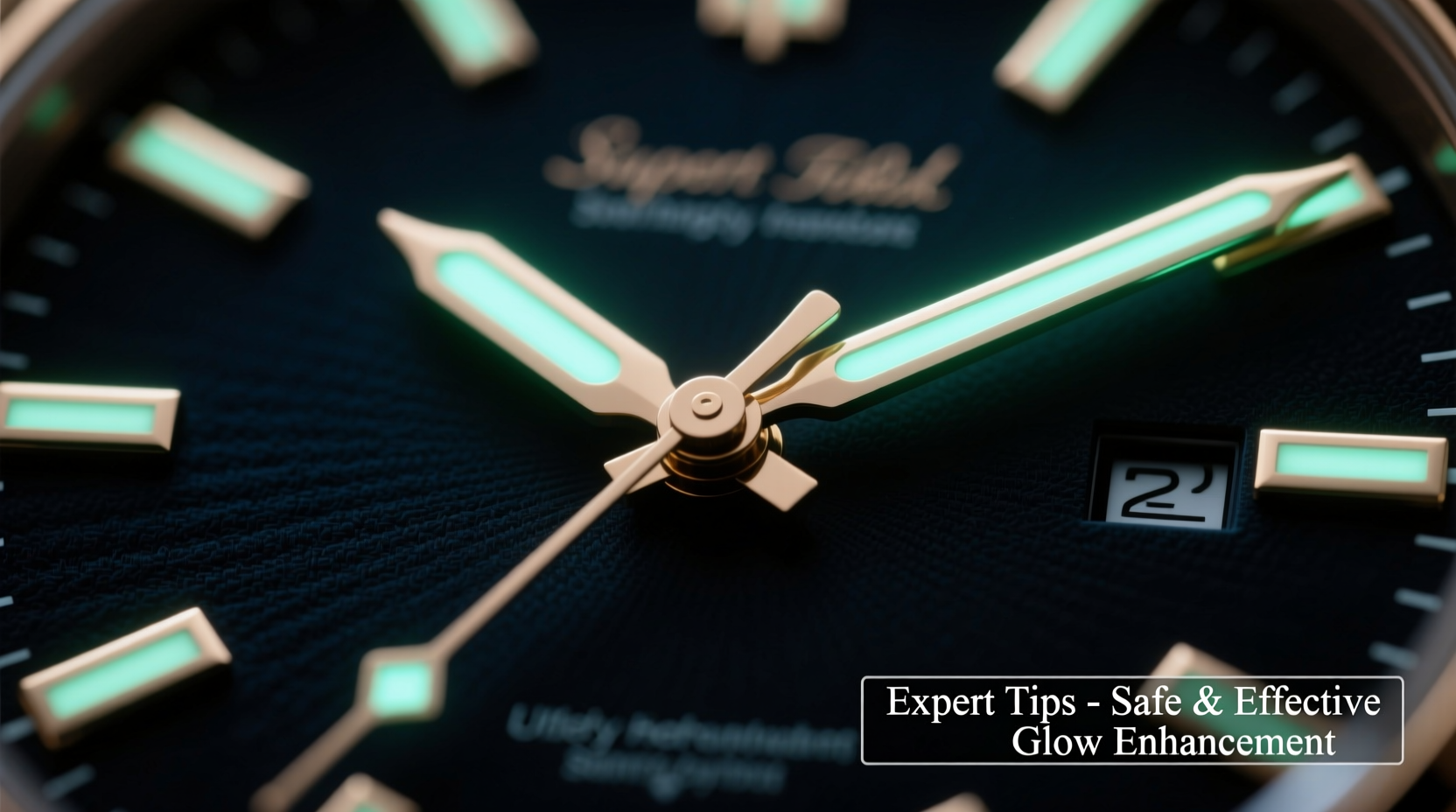
Luminous compounds used on watch hands have evolved significantly over the decades. Early watches relied on radium-based paint—a hazardous solution now long obsolete. Today’s timepieces use non-radioactive photoluminescent or radioluminescent materials that charge under light and emit a sustained glow.
- Super-LumiNova: The most common photoluminescent pigment. It absorbs UV and visible light and re-emits it as a soft glow, lasting several hours depending on charge duration and intensity.
- Traser H3 / GTLS (Gaseous Tritium Light Sources): Self-powered microtubes filled with tritium gas that emit continuous light for up to 25 years without charging.
- LumiBrite (Seiko): A proprietary compound similar to Super-LumiNova but engineered for faster charging and longer persistence.
The key to enhancing luminosity lies not in replacing these materials haphazardly, but in optimizing their performance through proper care and, when necessary, professional restoration.
Tip: Avoid exposing your watch to direct sunlight for extended periods—UV radiation can degrade photoluminescent pigments over time.Safe Methods to Maximize Existing Glow Performance
You don’t need to modify your watch to see improved luminosity. Often, simple maintenance practices restore much of the original brilliance.
- Regular Exposure to Bright Light: Charge your watch under strong daylight or artificial UV sources for 10–15 minutes daily. This saturates the luminescent material for optimal night-time output.
- Clean the Crystal and Dial Surface: Dust, oils, and smudges block light absorption. Use a microfiber cloth slightly dampened with distilled water to clean the crystal. Never spray cleaners directly onto the watch.
- Store Near Ambient Light at Night: Place your watch near a nightlight or under indirect room lighting while you sleep. This keeps the lume gently charged and ready for immediate visibility.
- Avoid Moisture Build-Up: Condensation beneath the crystal scatters light and reduces glow clarity. Ensure your watch maintains water resistance through regular seal checks.
“Most owners don’t realize that a dirty sapphire crystal can reduce lume efficiency by nearly 40%. Simple cleaning restores what they thought was permanent fading.” — Daniel Rivas, Master Watchmaker & Restoration Specialist
When and How to Reapply Lume: A Professional Approach
If your watch has visibly degraded lume—patchy application, dark spots, or no glow after charging—re-luming may be necessary. However, this is a delicate procedure best handled by trained professionals.
DIY re-luming kits are available online, but improper application risks contaminating the movement, misaligning hands, or creating uneven glow patterns. More critically, opening the case yourself may void manufacturer warranties and compromise water resistance.
Step-by-Step Guide to Professional Lume Restoration
- Assessment: A qualified watchmaker inspects the dial, hands, and seals to determine if re-luming is needed or if cleaning suffices.
- Disassembly: The movement is carefully removed from the case, and the hands and dial are detached.
- Stripping Old Lume: Residual or degraded luminescent material is gently removed using specialized solvents and tools.
- Reapplication: High-grade Super-LumiNova or equivalent is applied precisely to hand cavities and dial markers using fine-tipped applicators.
- Curing & Reassembly: The lume is cured under controlled conditions before reattaching components and pressure-testing the case.
Cost varies by brand and complexity—typically $100–$300 for mid-tier brands like Seiko or Tissot, and higher for luxury models requiring OEM parts.
Tip: Always request archival photos of your dial before disassembly. This ensures accurate replication of lume placement and font alignment.Do’s and Don’ts of Lume Care
| Do’s | Don’ts |
|---|---|
| Charge your watch regularly under bright light | Use abrasive cloths or ammonia-based cleaners on the crystal |
| Have lume restored by certified watchmakers | Attempt to open the case back unless trained |
| Store your watch where it receives ambient evening light | Expose tritium-equipped watches to extreme heat (e.g., saunas) |
| Inspect seals every 2–3 years if frequently worn in humid environments | Apply aftermarket glow paints directly to vintage dials |
Real Example: Restoring a Vintage Rolex Submariner
Mark, a collector based in Geneva, inherited a 1978 Rolex Submariner with faded lume plots and almost invisible hands in the dark. Initially tempted by a DIY kit, he consulted a vintage Rolex specialist instead. The watchmaker confirmed the original tritium had decayed beyond usability and recommended a sympathetic restoration using modern non-radioactive LumiNova in a cream hue to match the aged appearance.
After meticulous re-luming and resealing, the watch retained its vintage charm but gained excellent night visibility. Crucially, the work was documented and reversible—preserving collectible value. Mark now enjoys wearing the piece regularly, even during evening dives.
Frequently Asked Questions
Can I make my watch glow brighter permanently?
No single method makes lume “permanently” brighter, as all photoluminescent materials fade over time. However, consistent charging, professional reapplication, and protective storage significantly extend peak performance. Tritium-based systems offer the closest thing to permanent glow, lasting 10–25 years without external charging.
Is it safe to recharge lume with UV flashlights?
Yes, short exposures (under 5 minutes) to UV-A light (365nm) are safe and effective for rapidly charging lume. Avoid prolonged exposure to high-intensity UV, which may yellow plastics or degrade adhesives over time.
Will re-luming affect my watch’s resale value?
In vintage or collectible watches, improper re-luming can decrease value. However, a professionally executed, period-correct re-lume by a reputable service center is often seen as maintenance—especially if original lume has fully decayed. Always disclose any restoration work when selling.
Final Recommendations and Action Steps
Enhancing the luminous glow of your watch hands isn’t about shortcuts—it’s about respecting the engineering and artistry behind each timepiece. Whether you own a dive watch built for darkness or a dress model with subtle lume accents, maintaining visibility ensures both utility and pride in ownership.
Start with simple, daily habits: expose your watch to bright light, keep the crystal spotless, and store it thoughtfully. For deeper issues, trust only certified professionals who treat lume restoration as part of holistic watch care—not cosmetic surgery.
“The glow of a well-maintained watch hand in total darkness is one of horology’s quietest triumphs. Preserve it with patience and precision.” — Clara Nguyen, Curator of Timekeeping at the Swiss Horological Institute💬 Have experience with lume restoration or a favorite tip for nighttime legibility? Share your insights below and help fellow enthusiasts keep their watches glowing with integrity.