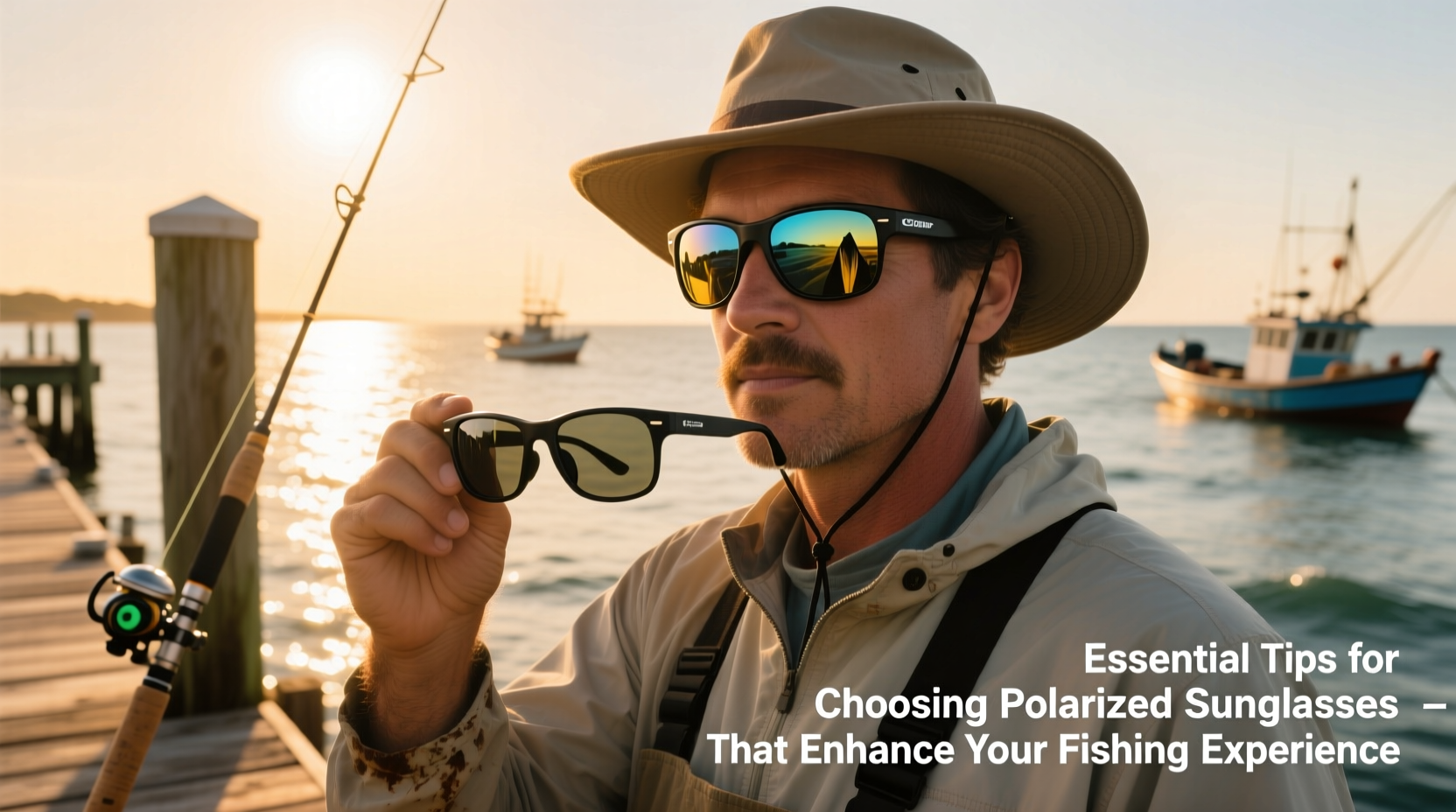
Fishing isn’t just about skill and patience—it’s also about how well you can see. Whether you’re casting into a sun-drenched river or scanning deep waters from a boat, glare from the surface can obscure fish, structure, and hazards. Polarized sunglasses are not a luxury for anglers; they’re a necessity. They cut through reflective light, enhance contrast, and reveal what lies beneath the surface. But not all polarized lenses are created equal. Choosing the right pair requires understanding lens technology, frame fit, and environmental conditions. The wrong choice can leave you squinting, straining, or worse—missing bites.
How Polarized Lenses Work on Water
When sunlight hits a horizontal surface like water, it scatters in multiple directions, creating intense reflected glare. This glare reduces visual clarity and causes eye fatigue. Polarized lenses contain a special filter that blocks horizontally oriented light waves—the primary component of surface glare—while allowing vertical light to pass through. The result is a dramatic reduction in glare and a clearer view into the water column.
This optical advantage is critical when sight-fishing for trout in shallow streams, targeting redfish along muddy flats, or spotting bass near submerged vegetation. Anglers who wear non-polarized or poorly polarized glasses often miss subtle movements, fail to detect depth changes, and struggle with eye strain during long days on the water.
“Polarization isn’t just about comfort—it’s about visual intelligence. It allows anglers to read water like a map.” — Dr. Lena Torres, Optometrist & Outdoor Vision Specialist
Key Features to Look for in Fishing Sunglasses
Not every pair labeled “polarized” delivers performance. To get the most out of your investment, focus on these five core features:
- True polarization with high-quality filters: Ensure the lenses have a bonded polarizing film, not a surface coating that can peel over time.
- Visible Light Transmission (VLT) levels: Choose VLT between 10%–20% for bright conditions and 20%–40% for overcast days.
- UV400 protection: Full UVA/UVB blockage is non-negotiable for long-term eye health.
- Frame wrap and coverage: A close-fitting, wraparound design prevents peripheral light leakage and wind exposure.
- Durable, hydrophobic lens coatings: Repel water, oil, and scratches for clearer vision in wet environments.
Lens Colors and When to Use Them
The tint of your lenses affects contrast, depth perception, and color recognition underwater. Matching the lens color to lighting and water conditions makes a measurable difference in performance.
| Lens Color | Best Conditions | Benefits for Anglers |
|---|---|---|
| Brown/Amber | Bright, sunny days | Enhances contrast over blue and green water; ideal for spotting fish against sandy bottoms |
| Gray | High-glare, full-sun environments | Provides true color perception and maximum brightness reduction |
| Green | Moderate light, mixed conditions | Balances glare reduction and contrast; good for variable weather |
| Yellow/Orange | Low-light mornings, overcast days, dawn/dusk | Boosts brightness and detail in dim conditions; excellent for freshwater rivers |
| Copper/Rose | Bluewater or high-contrast scenarios | Sharpens definition in open ocean; helps spot baitfish schools |
Real Example: A Day on the Florida Flats
Tom, an experienced fly angler, spent two consecutive weekends chasing permit in the Keys. On the first trip, he wore generic polarized sunglasses with gray-green lenses. Despite calm water, he struggled to distinguish fish from shadows and spooked several tailing reds. The next weekend, he switched to amber-lensed, 100% polarized glasses designed for shallow-water sight fishing. Immediately, he noticed improved depth perception and could see the subtle movement of a permit’s tail against the white sand. He landed his first permit that afternoon—crediting the lens choice as the deciding factor.
Fit, Durability, and Practical Design
No matter how advanced the optics, sunglasses must stay secure and comfortable during active fishing. Frames made from lightweight, flexible materials like Grilamid or O Matter resist corrosion from saltwater and withstand accidental drops. Rubber nose pads and temple grips prevent slippage when sweating or moving quickly.
Consider lens shape and size. Larger lenses offer more coverage but may interfere with some rod actions or hats. Wraparound styles minimize wind and debris entry but can fog in humid conditions. Ventilated lenses or anti-fog coatings help mitigate this issue.
Tip: Always carry a microfiber pouch and cleaning solution. Salt residue and fingerprints degrade lens clarity quickly.Step-by-Step Guide: Choosing Your Ideal Pair
- Assess your primary fishing environment: Freshwater lakes? Saltwater flats? Fast rivers?
- Determine typical lighting conditions: Mostly sunny, variable, or low-light?
- Select a lens color based on the table above.
- Verify true polarization and UV400 protection—check manufacturer specs or consult an optician.
- Try the fit: Ensure the frame sits snugly without pressure points; lenses should cover your field of vision laterally.
- Test durability claims: Look for shatter-resistant polycarbonate or Trivex lenses.
- Check return policies: Some brands offer trial periods for outdoor eyewear.
Frequently Asked Questions
Can I wear polarized sunglasses while using a polarized phone screen?
Yes, but viewing angles matter. Tilting your head may temporarily darken the screen due to overlapping polarization filters. Most modern phones adjust brightness dynamically, minimizing disruption.
Do polarized lenses affect depth perception?
They enhance it—when properly aligned. Poorly manufactured lenses can distort images, leading to misjudged distances. Stick to reputable brands with optical-grade lens curvature.
Are mirrored coatings worth it for fishing?
Mirrored (flash) coatings reduce additional glare by reflecting light before it reaches the lens. They’re especially useful in high-altitude or tropical environments with intense sun exposure. However, they don’t replace polarization—they complement it.
Final Checklist Before You Buy
- ✅ 100% polarization (not just “anti-glare”)
- ✅ UV400 protection certified
- ✅ Lens color suited to your fishing conditions
- ✅ Durable, lightweight frame with grip details
- ✅ Scratch-resistant and hydrophobic lens coating
- ✅ Full eye coverage with minimal light leakage
- ✅ Reputable brand with warranty or customer support
Conclusion: See More, Catch More
The right polarized sunglasses do more than shield your eyes—they transform how you interact with the water. With enhanced clarity, reduced fatigue, and better detection of fish and structure, they become an extension of your angling instincts. Don’t settle for fashion-forward frames with weak optics. Invest in performance-driven eyewear that meets the demands of real-world fishing. Test options, prioritize function, and match your gear to your environment. When you can see the flick of a tail or the contour of a drop-off clearly, your success rate rises. Step onto the bank or deck with confidence, knowing your vision is as sharp as your hook.
💬 What’s your go-to pair of fishing sunglasses? Share your favorite model and why it works for you—help fellow anglers make smarter choices on the water!