
Retro letter prints—those bold, nostalgic block fonts or vintage script designs—are a staple in streetwear fashion. Whether it’s a classic band logo, an old-school sports team emblem, or a throwback brand slogan, these printed graphics carry both style and sentiment. But over time, without proper care, the ink can crack, fade, or peel, robbing your favorite hoodie of its character. Preserving the integrity of retro letter prints isn’t just about aesthetics; it’s about protecting personal style and investment. With the right washing techniques, storage habits, and preventative measures, you can extend the life of your printed hoodie by years.
Understanding Retro Letter Print Materials
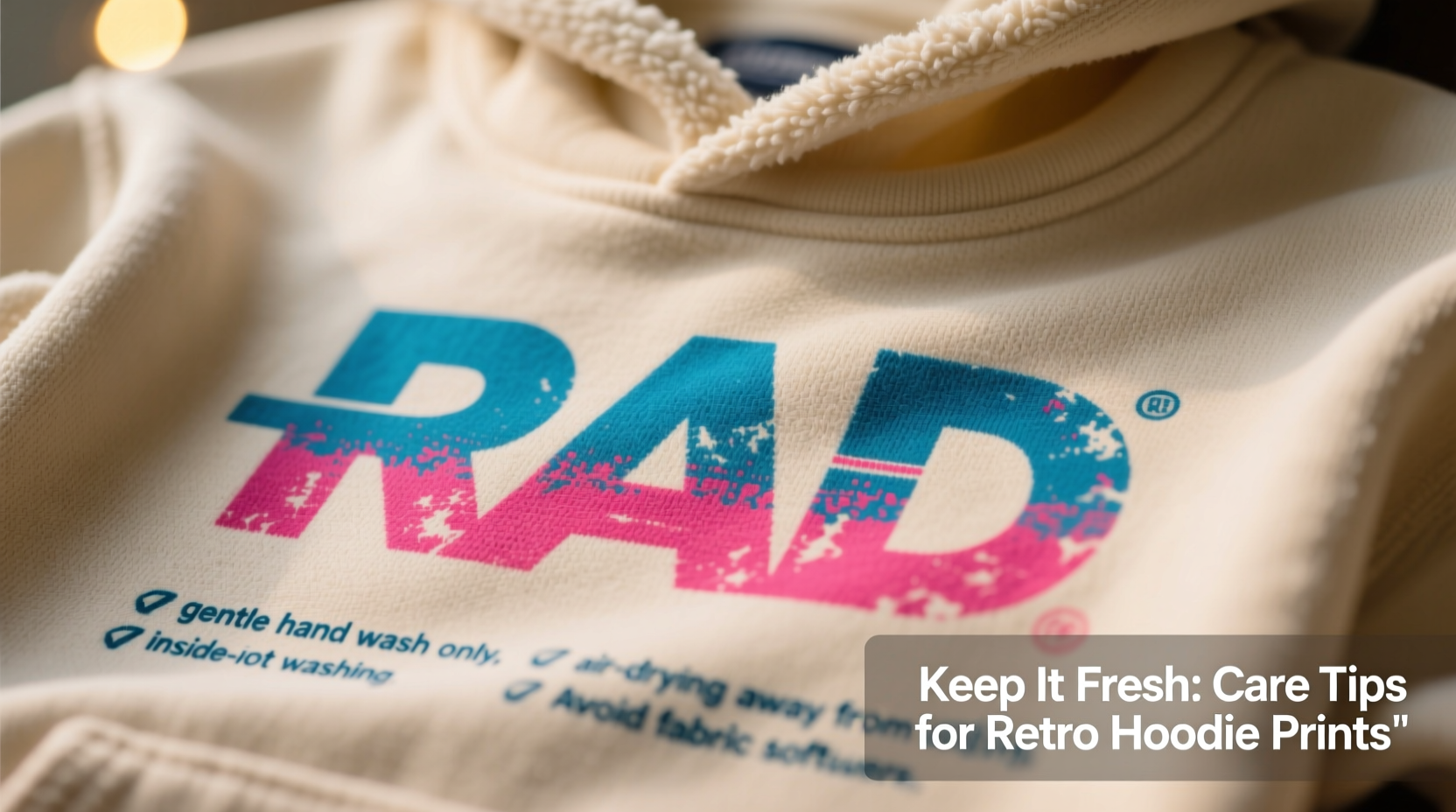
Retro letter prints are typically applied using screen printing, plastisol ink, or heat transfers—methods that were especially popular from the 1970s through the 1990s. These inks sit on top of the fabric rather than soaking into it, which makes them more prone to cracking when stretched or exposed to harsh conditions. Plastisol, while durable, is sensitive to high heat and repeated abrasion. Modern reproductions may use softer water-based inks, but they still require careful handling.
The cotton-polyester blend common in vintage-style hoodies also plays a role. Cotton shrinks and absorbs moisture, while polyester resists wear but can trap heat. This combination affects how prints react during washing and drying. Knowing what your hoodie is made of—and how the print was applied—is the first step toward effective preservation.
Tip: Always check the care label and look for clues like “screen printed” or “do not iron on design” to guide your maintenance routine.Washing Techniques That Protect the Print
Improper washing is the leading cause of print deterioration. Aggressive cycles, hot water, and harsh detergents break down ink binders and accelerate fading. To maintain vibrancy, adopt a gentle laundering approach every time.
- Turn the hoodie inside out before washing. This shields the print from friction with other clothes and the drum walls.
- Use cold water (below 30°C / 86°F). Heat causes ink layers to expand and contract, leading to cracks.
- Select a delicate cycle with reduced spin speed to minimize mechanical stress.
- Avoid bleach and strong detergents. Opt for a mild, color-safe detergent formulated for darks or delicate fabrics.
- Wash with similar colors and soft garments. Zippers, buttons, or denim can scratch and abrade the print surface.
If the hoodie is only lightly worn, consider spot-cleaning instead of full washing. A damp cloth with a drop of gentle soap can remove small stains without subjecting the entire garment to stress.
Step-by-Step Guide: How to Wash a Retro-Printed Hoodie Safely
- Turn hoodie inside out.
- Zip up the front (if applicable) and fasten any drawstrings.
- Place in washing machine with like-colored soft items (e.g., cotton tees).
- Add a small amount of mild detergent—avoid fabric softener, which can degrade ink adhesion.
- Set machine to cold water, delicate cycle.
- After wash, inspect print for any lifting or stiffness.
- Proceed to air-dry—never machine dry.
Drying and Ironing: What to Avoid
Heat is the enemy of retro letter prints. Tumble drying subjects the ink to extreme temperatures and constant tumbling, which leads to flaking and distortion. Even moderate dryer heat can weaken the bond between ink and fabric over time.
Air-drying is the only recommended method. Lay the hoodie flat on a clean towel or hang it on a padded hanger away from direct sunlight. UV rays contribute to fading, especially in reds, yellows, and bright whites commonly used in retro designs.
Ironing directly on the print will melt plastisol ink and destroy the design. If necessary, iron the reverse side at low heat with a pressing cloth. However, for most retro-printed hoodies, ironing should be avoided entirely.
| Action | Safe? | Reason |
|---|---|---|
| Machine wash (cold, inside out) | ✅ Yes | Minimizes fading and abrasion |
| Tumble dry | ❌ No | Heat causes cracking and shrinkage |
| Iron on print | ❌ No | Melts ink layer |
| Air dry in shade | ✅ Yes | Preserves color and structure |
| Bleach stain removal | ❌ No | Destroys dyes and weakens fibers |
Storage Practices for Long-Term Preservation
How you store your hoodie between wears matters more than many realize. Folding is preferable to hanging, as hanging can stretch the shoulders and distort the print alignment over time. Store in a cool, dry place away from humidity, which can encourage mold and weaken fabric bonds.
To prevent creasing on the print area, fold the hoodie so the graphic lies flat and uncompressed. Avoid placing heavy items on top. For collectors or sentimental pieces, consider storing in breathable cotton garment bags instead of plastic, which traps moisture and promotes mildew.
Tip: Place acid-free tissue paper between folds if storing long-term to reduce pressure on the print.Mini Case Study: The 1995 Band Tour Hoodie
Mark, a collector of vintage music apparel, owned a rare 1995 tour hoodie with a large retro block-letter print across the back. After years of regular machine washing and tumble drying, the letters began to flake. He switched tactics: turning the hoodie inside out, washing monthly in cold water, and always air-drying flat. Within six months, not only did the remaining print stabilize—it appeared less stiff and more flexible. Three years later, the hoodie remains a centerpiece of his collection, with minimal further degradation. His experience underscores that even damaged prints can be preserved with consistent, correct care.
“Once a print starts cracking, you can’t reverse it—but you can absolutely stop it from getting worse with proper laundering and storage.” — Lena Torres, Textile Conservation Specialist
Preventative Maintenance Checklist
- ✅ Turn hoodie inside out before every wash
- ✅ Use cold water and gentle cycle
- ✅ Avoid bleach, fabric softeners, and stain removers on prints
- ✅ Air-dry flat or on a padded hanger
- ✅ Store folded in a dry, dark space
- ✅ Inspect print edges quarterly for lifting or brittleness
- ✅ Limit wash frequency—spot clean when possible
Frequently Asked Questions
Can I restore a cracked retro print?
While you cannot fully reverse cracking, a fabric sealant designed for screen prints may help stabilize flaking areas. Apply sparingly with a sponge, following product instructions. However, prevention is far more effective than restoration.
Is hand-washing better than machine washing?
Yes, hand-washing gives you greater control. Fill a basin with cold water and mild detergent, gently agitate for 3–5 minutes, then rinse thoroughly. It reduces mechanical stress significantly compared to even the gentlest machine cycle.
How often should I wash a retro-printed hoodie?
Only when necessary—typically every 3–5 wears, depending on activity. Over-washing accelerates wear. For light use, airing out between wears is sufficient.
Final Thoughts: Respect the Design, Extend the Life
Retro letter prints are more than decoration—they’re cultural artifacts, personal statements, and fashion heirlooms. Treating them with care doesn’t require special equipment or expertise, just consistent attention to detail. From washing inside out to avoiding the dryer, each small action compounds over time to preserve vibrancy and structural integrity. These hoodies tell stories; your job is to make sure those stories last.
💬 Have a retro hoodie you’ve kept looking fresh for years? Share your best tip in the comments and inspire others to protect their favorites!