Purchasing sterling silver jewelry online offers convenience, variety, and often better prices than physical stores. However, the digital marketplace is also rife with misleading listings, counterfeit products, and untrustworthy sellers. Without the ability to physically inspect a piece before buying, consumers risk receiving low-quality or even fake items. The good news is that with the right knowledge and precautions, you can shop online with confidence and bring home beautiful, authentic sterling silver pieces that last for years.
Understand What Sterling Silver Really Is
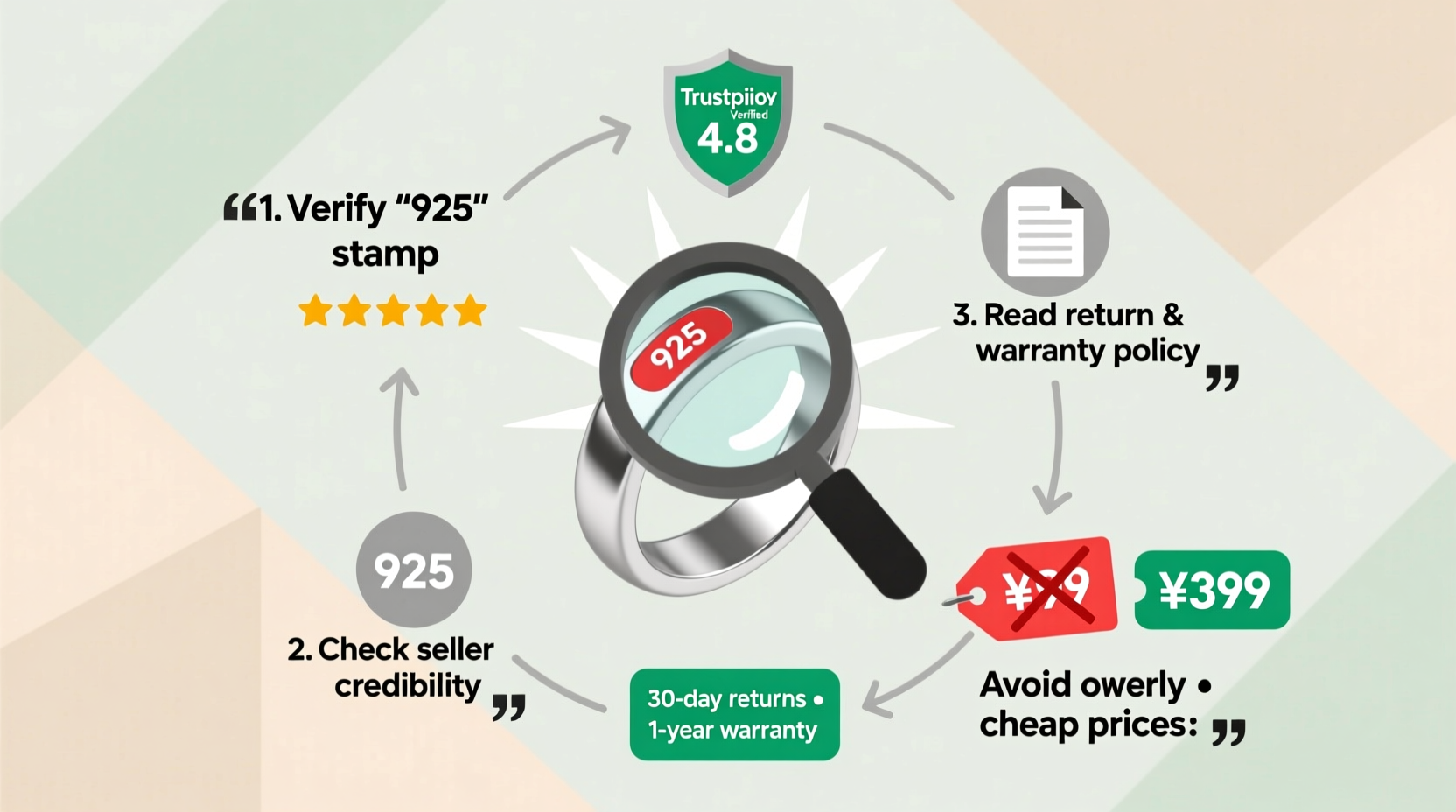
Sterling silver is an alloy composed of 92.5% pure silver and 7.5% other metals, typically copper. This blend enhances durability while maintaining the luster and value associated with silver. Jewelry marked “925” or “sterling” meets this standard. Be cautious of terms like “silver-plated,” “nickel silver,” or “alloy”—these are not genuine sterling silver and lack its intrinsic worth.
Many fraudulent sellers use ambiguous language to mislead buyers. For example, a listing might say “silver tone” or “looks like real silver” without making any claims about material composition. Always look for clear, explicit statements about metal content.
Tip: If the product description doesn’t clearly state “sterling silver” or “925 silver,” assume it’s not authentic.Verify Seller Credibility and Reputation
The foundation of a safe online purchase lies in choosing a trustworthy seller. Start by researching the store or artisan behind the listing. Reputable platforms like Etsy, Amazon, and Shopify host thousands of jewelers, but not all maintain high standards.
- Check customer reviews thoroughly—not just star ratings, but written feedback mentioning quality, accuracy of description, and shipping experience.
- Look for consistent patterns in negative reviews. Multiple complaints about tarnishing within days or missing hallmarks are red flags.
- Visit the seller’s website directly if possible. Professional sites with detailed policies on returns, materials, and craftsmanship signal legitimacy.
- Avoid newly created accounts with no history or overly promotional language without substance.
“Transparency in sourcing and material disclosure separates professional jewelers from opportunistic resellers.” — Lena Patel, Jewelry Appraiser & GIA Graduate
Spot Authenticity Markers Before You Buy
Authentic sterling silver jewelry should include specific identifying features. While you can't touch the item pre-purchase, knowledgeable scrutiny of product details can help confirm legitimacy.
Key Indicators of Genuine Sterling Silver:
- Hallmark Stamp: Look for “925,” “Sterling,” or “.925” engraved on the clasp, band, or back of pendants.
- Weight: Real silver has substantial heft. If a necklace feels unusually light in videos or photos, question its composition.
- Tarnish Over Time: Unlike fake metals that corrode or turn skin green, real sterling silver tarnishes slowly with exposure to air and moisture—a natural trait, not a flaw.
- Magnet Test (Inferred): Silver is non-magnetic. Sellers who mention this test in descriptions demonstrate awareness of authentication methods.
| Feature | Genuine Sterling Silver | Fake or Plated Imitations |
|---|---|---|
| Hallmark | Clearly stamped “925” or “Sterling” | No stamp or vague engraving |
| Color | Bright white luster, consistent throughout | Dull, yellowish, or uneven finish |
| Reaction to Air | Gradual tarnish (can be polished) | Rust, flaking, or green residue |
| Price Point | Reflects material cost and craftsmanship | Suspiciously low for intricate designs |
Follow a Step-by-Step Buying Process
To minimize risk and maximize satisfaction, adopt a structured approach when shopping online:
- Define Your Budget and Style: Know what type of piece you want—ring, bracelet, earrings—and set realistic expectations based on market pricing.
- Research Multiple Vendors: Compare similar items across different sellers to spot inconsistencies in quality claims or photography.
- Read Product Descriptions Carefully: Prioritize listings that specify metal type, plating (if any), gemstone details, and dimensions.
- Contact the Seller: Ask direct questions: “Is this solid 925 silver?” or “Can you provide a close-up photo of the hallmark?” Responsive, detailed answers build trust.
- Review Return Policy: Ensure there’s a reasonable window (at least 14–30 days) to return the item if it doesn’t meet expectations.
- Make the Purchase Securely: Use credit cards or PayPal for buyer protection. Avoid wire transfers or cryptocurrency payments.
- Inspect Upon Arrival: Check for stamps, weight, magnetism, and overall finish immediately. Take photos if issues arise.
Avoid Common Pitfalls: Do’s and Don’ts
Even experienced shoppers can fall prey to deceptive practices. Stay alert with these practical guidelines.
| Action | Do | Don’t |
|---|---|---|
| Product Research | Compare specs and prices across trusted retailers | Assume lowest price means best deal |
| Photos | Look for high-resolution images showing engravings and clasps | Rely solely on stock photos or renderings |
| Shipping | Choose tracked and insured delivery | Accept “free shipping” with no tracking |
| Payment | Use secure gateways with fraud protection | Pay via gift cards or direct bank transfer |
| Communication | Save all messages and receipts | Conduct negotiations outside official channels |
Real Example: A Cautionary Tale
Sophie, a first-time online jewelry buyer, found a delicate 925 silver pendant necklace listed at 60% off a major retail site. The photos looked stunning, and the seller had a 4.7-star rating. Excited, she purchased it as a birthday gift. When it arrived, the box lacked branding, the chain felt flimsy, and there was no “925” stamp anywhere. After consulting a local jeweler, she learned the piece was silver-plated brass. The seller refused a refund, citing “final sale” policy buried in fine print. Sophie lost $85 and her confidence in online shopping—until she learned how to verify authenticity and vet sellers properly.
This scenario is more common than many realize. It underscores the importance of due diligence before clicking “buy now.”
Frequently Asked Questions
Does sterling silver turn your skin green?
No, genuine sterling silver does not cause skin discoloration. Green marks usually result from copper or nickel in low-grade alloys or plated jewelry reacting with sweat and oils. If your skin turns green, the item likely isn’t pure sterling silver.
How much should I expect to pay for real sterling silver jewelry?
Prices vary by design and craftsmanship, but basic stud earrings start around $25–$40, while solid silver bracelets range from $70–$150+. Extremely cheap pieces (e.g., $10 necklaces claiming to be sterling) are almost always imitations.
Can I clean tarnished sterling silver at home?
Yes. Use a soft polishing cloth designed for silver, or gently wash with warm water, mild dish soap, and a microfiber towel. Avoid abrasive cleaners or soaking for long periods, especially if the piece has stones or patina detailing.
Final Thoughts
Buying sterling silver jewelry online doesn’t have to be risky. By understanding what to look for, knowing how to evaluate sellers, and following a careful purchasing process, you can enjoy access to unique, high-quality pieces from artisans worldwide. Authenticity, transparency, and attention to detail should guide every decision—from browsing to unboxing.
🚀 Ready to shop smarter? Bookmark this guide, share it with friends, and start building a collection of genuine sterling silver jewelry you can wear with pride.