Let’s be honest—sometimes dinner is just too good to stop at one serving. Whether it’s pasta, pizza, or an all-you-can-eat brunch, post-meal bloating is real. And if you're wearing a tight-fitting mini skirt, that \"food baby\" can feel impossible to conceal. The choice between an elastic waist and a zipper mini skirt isn’t just about fashion—it’s about function, comfort, and confidence in those moments when your stomach feels fuller than expected.
This isn’t about body shaming or restrictive dressing. It’s about smart styling choices that let you enjoy life without sacrificing comfort or looking put-together. So, which design truly wins when it comes to hiding a post-meal bulge? Let’s dive into the structural, aesthetic, and practical differences between elastic waist and zipper mini skirts.
How Fabric and Fit Influence Appearance
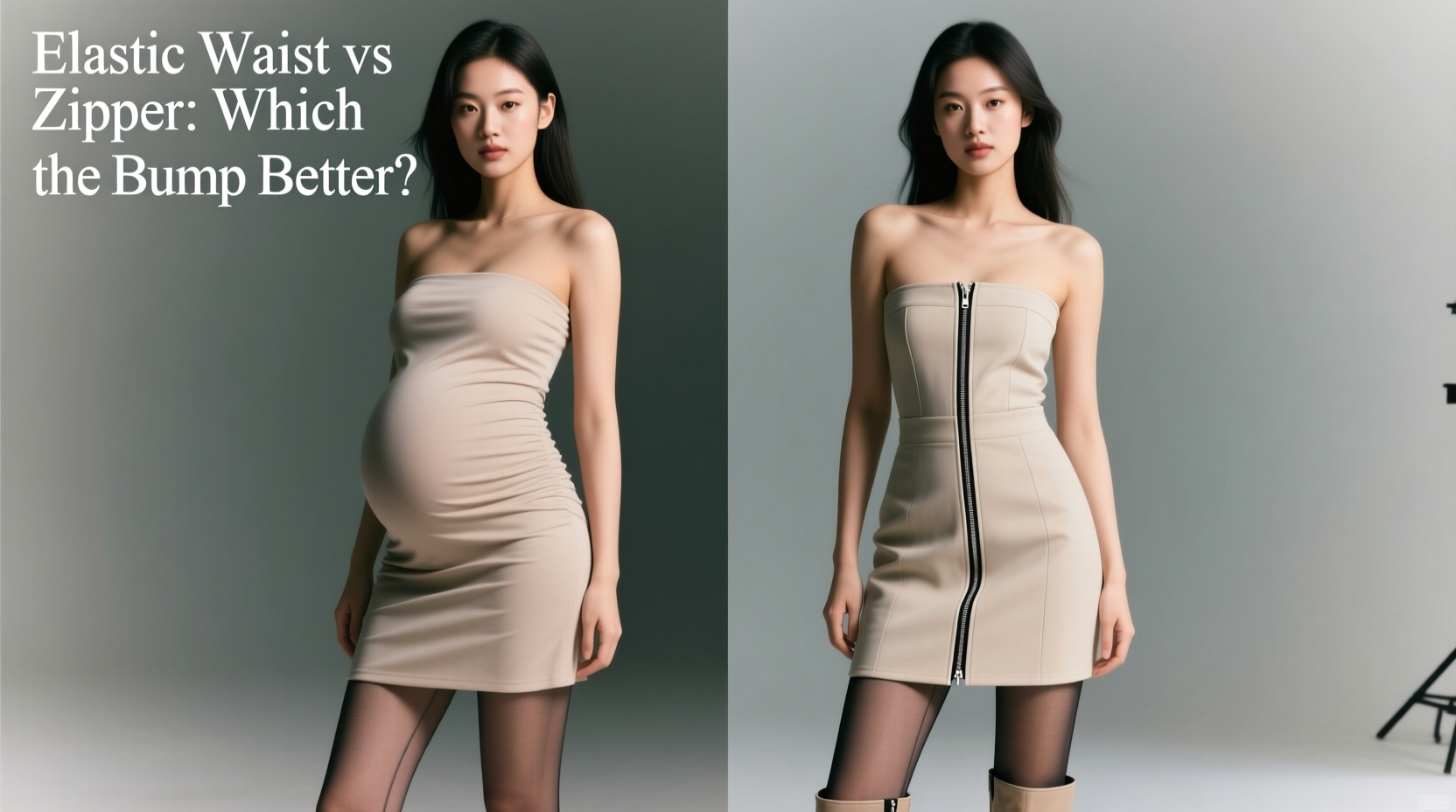
The way a garment fits around the waist directly impacts how it interacts with your body after eating. Elastic waistbands are designed with stretchable materials—typically spandex, elastane, or rubberized bands—woven into the fabric or attached as a separate band. This allows the waist to expand and contract with minimal resistance. In contrast, zipper mini skirts rely on rigid construction, often with non-stretch fabrics like denim, wool blends, or structured cotton. These require precise sizing and offer little give once zipped up.
A 2022 consumer wearability study by the Fashion Institute of Technology found that garments with adaptive waistbands (like elastics) reduced reported discomfort by 63% during digestion-heavy periods compared to fixed-fit alternatives. That flexibility translates not only to physical ease but also visual smoothness.
“Comfort doesn’t have to mean sloppy. A well-designed elastic waist can flatter more body types and adapt to natural fluctuations throughout the day.” — Lena Park, Sustainable Apparel Designer
Structural Comparison: Elastic Waist vs Zipper Skirts
| Feature | Elastic Waist Skirt | Zipper Mini Skirt |
|---|---|---|
| Waist Flexibility | High – stretches up to 2–3 inches depending on band strength | Low – limited to seam allowance; no dynamic stretch |
| Fabric Commonly Used | Jersey, ponte knit, scuba, soft cotton blends | Denim, twill, structured wovens, faux leather |
| Bloating Accommodation | Excellent – expands naturally with abdominal movement | Poor – may dig in or create visible tension lines |
| Style Versatility | Moderate – leans casual or athleisure unless tailored | High – easily dressed up for formal or professional settings |
| Long-Term Fit Consistency | Lower – elastic can degrade over time | Higher – maintains shape if sized correctly |
Real-Life Scenario: The Brunch Test
Sophia, a 29-year-old marketing consultant, planned a Saturday photoshoot for her lifestyle blog at a popular rooftop brunch spot. She brought two outfits: a high-waisted black denim mini skirt with a back zipper and a navy ponte knit skirt with a concealed elastic waist. Before ordering, she felt confident in both. After avocado toast, pancakes, and bottomless mimosas, the difference became undeniable.
The denim skirt began pulling across her hips within 20 minutes. The zipper strained slightly, creating diagonal wrinkles radiating from the closure. Sitting down required tugging the hemline constantly. Meanwhile, the ponte skirt expanded subtly with her midsection, maintaining a smooth drape. Even when seated, the fabric retained its shape without pinching or rolling.
She ended up switching during the shoot—and noticed her audience engagement spiked on posts where she wore the elastic version. “People commented things like, ‘You look so comfortable,’ and ‘How do you make that look polished?’ I realized functionality can enhance perceived style,” she said.
Design Details That Make a Difference
Not all elastic waist skirts are created equal. Some use cheap, thin bands that roll or lose elasticity quickly. Others incorporate wide, supportive waistbands that distribute pressure evenly. Similarly, certain zipper skirts now include small panels of stretch fabric or side gussets to allow slight expansion—though still far less than full elastic options.
Key features to watch for:
- Wide waistbands (2+ inches): Distribute pressure and reduce digging.
- Inner lining: Prevents see-through issues and improves structure.
- Control panels: Built-in smoothing sections, often mesh-backed, that gently compress without restricting.
- Asymmetrical hems or draping: Draw attention away from the waistline.
Conversely, avoid ultra-thin elastics or skirts labeled “tight fit” even if they claim stretch. These often prioritize trend over wearability.
Step-by-Step Guide: Choosing the Right Skirt for Your Day
- Assess your schedule: Are you dining out or attending a long event? Prioritize comfort with elastic.
- Check the fabric blend: Look for at least 5–10% spandex or elastane in non-elastic styles for micro-stretch.
- Test the waistband: Pull gently on the inside waist—does it give? If not, expect zero forgiveness later.
- Try sitting down: In the fitting room, mimic real-life posture. Does the skirt ride up or bind?
- Layer strategically: Pair tighter skirts with longer tops or jackets to camouflage any tension.
Expert Insight: Why Comfort Shouldn’t Be Optional
Fashion has long prioritized aesthetics over wearability, especially in women’s clothing. But designers like Mara Hoffman and Eileen Fisher have pushed back, advocating for garments that respond to real human needs—including digestion-related bloating, hormonal shifts, and daily activity changes.
“We design clothes for bodies, not mannequins. If a garment can’t accommodate normal bodily functions, it fails its primary purpose.” — Diego Mendez, Inclusive Fit Specialist at Studio Varia
This philosophy explains the rise of hybrid designs—mini skirts with side zippers *and* elasticated backs, or drawstring waists styled with a fashion belt. These merge the polish of traditional tailoring with modern comfort expectations.
Frequently Asked Questions
Can a zipper skirt ever hide a food baby effectively?
Rarely, unless it has built-in stretch (e.g., 20% rayon-spandex blend) or is intentionally oversized. Most zipper skirts are cut to fit snugly, so any expansion creates visible strain. If you must wear one after a large meal, opt for A-line cuts that flare outward, minimizing waist emphasis.
Do elastic waist skirts look unprofessional?
Not inherently. Tailored ponte or wool-blend skirts with structured elastic waists appear polished and are common in office-appropriate wardrobes. Avoid loose sweat-style bands or overly baggy silhouettes in formal settings.
How do I prevent my elastic waist from rolling?
Choose skirts with internal grip tape or silicone strips along the inner waistband. Washing in cold water and air-drying preserves elasticity and prevents degradation that leads to rolling.
Final Verdict: Which One Wins?
When the sole objective is hiding a food baby, the elastic waist mini skirt is the clear winner. Its ability to expand seamlessly with your body, maintain a smooth silhouette, and avoid visible tension marks gives it a functional edge that zipper skirts simply can’t match. While zipper styles offer sleekness and structure, they lack the adaptive fit needed during digestive expansion.
That said, the ideal wardrobe includes both. Save zipper skirts for lighter meals or events where you’ll stand and move frequently. Reserve elastic-waist versions for brunches, dinners, travel days, or any occasion where comfort is as important as appearance.
💬 What’s your go-to skirt when you know you’re in for a big meal? Share your favorite brands or hacks in the comments—we’d love to hear what works for you!