
As temperatures rise each summer, pet owners face a growing concern: the safety of their dog’s paws on scorching sidewalks, asphalt, and parking lots. With urban environments heating up under direct sunlight, pavement surfaces can reach dangerously high levels—often exceeding 140°F (60°C) on a 90°F (32°C) day. This raises a critical question: Are dog boots for summer truly necessary to protect paws from hot pavement? The answer isn’t always straightforward, but understanding the risks, benefits, and alternatives can help you make an informed decision for your canine companion.
Understanding the Risks of Hot Pavement
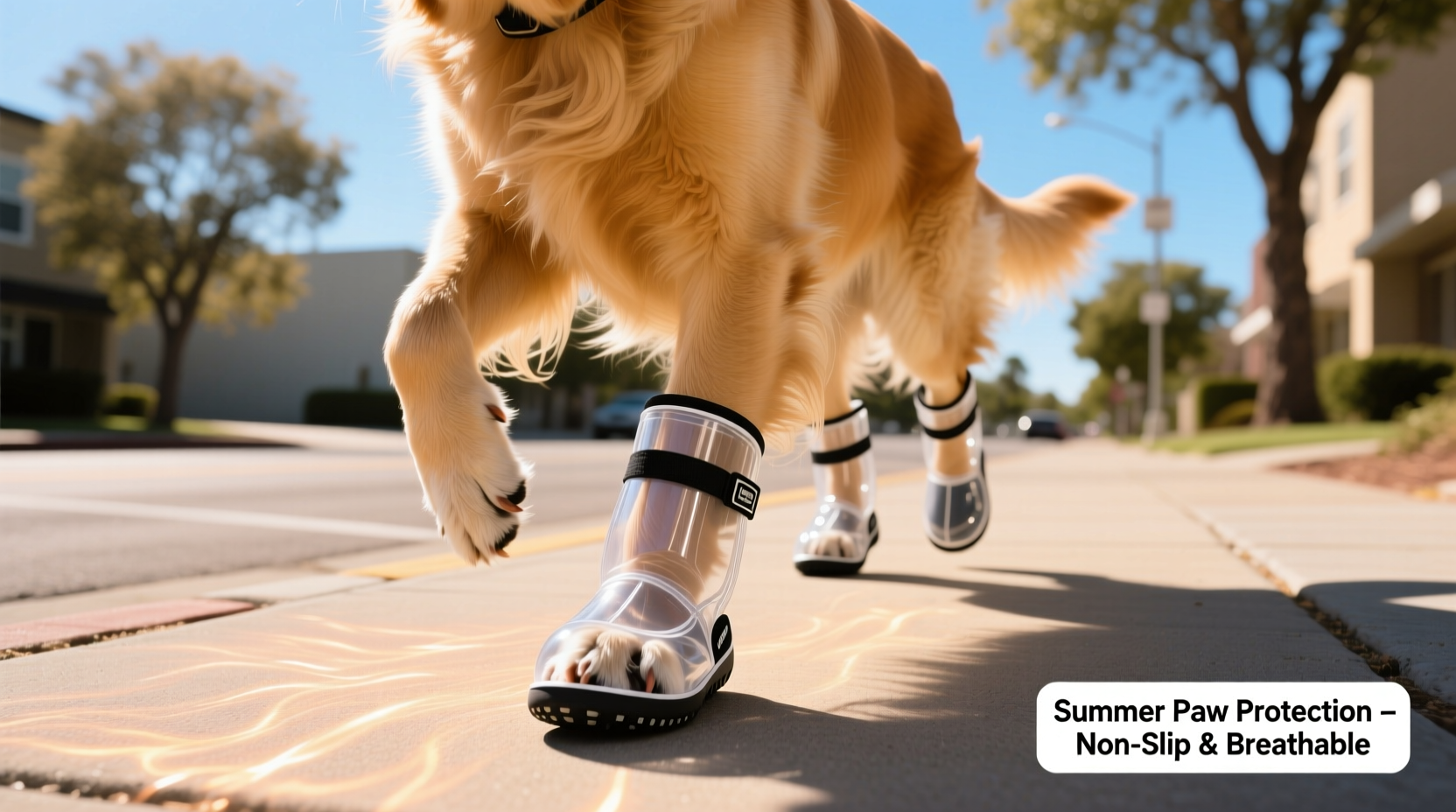
Dog paw pads are tough, but they’re not immune to heat damage. Unlike humans, dogs don’t wear shoes, so their sensitive footpads come into direct contact with whatever surface they walk on. During summer months, common walking areas like asphalt driveways, concrete sidewalks, and even metal grates can become unexpectedly hazardous.
The thermal conductivity of materials like asphalt and concrete means they absorb and retain heat far beyond air temperature. A study by the Animal Medical Center in New York found that at 86°F (30°C), asphalt can reach 135°F (57°C)—hot enough to cause burns in just 60 seconds of contact. At 95°F (35°C), pavement temperatures can soar above 150°F (65°C), posing serious risks to unprotected paws.
Symptoms of burned paw pads include limping, excessive licking of the feet, blistering, redness, or cracked skin. In severe cases, tissue damage may require veterinary treatment, including antibiotics or bandaging. For dogs with thin or sensitive pads—such as puppies, senior dogs, or breeds with less calloused feet—the danger is even greater.
Tip: Perform the \"seven-second test\": Place the back of your hand on the pavement for seven seconds. If it’s too hot for your hand, it’s too hot for your dog’s paws.Do Summer Dog Boots Actually Work?
Dog boots designed for summer use are typically made from lightweight, breathable materials with heat-reflective or insulating soles. These are different from winter boots, which prioritize warmth and traction in snow. Summer-specific models aim to provide a barrier between the paw and hot ground while allowing airflow to prevent overheating and moisture buildup.
High-quality summer boots often feature:
- Heat-resistant outsoles (e.g., TPR or rubber compounds)
- Mesh or ventilated upper materials
- Non-slip treads for added safety
- Secure, adjustable closures to prevent slipping
When properly fitted, these boots can reduce surface heat transfer significantly. Independent testing by pet product reviewers has shown that some boots can lower paw exposure temperature by 20–30°F (11–17°C) compared to barefoot contact. However, effectiveness depends heavily on fit, duration of use, and environmental conditions.
One limitation is acclimatization. Many dogs resist wearing boots initially, perceiving them as foreign objects. Without gradual training, dogs may limp, chew at the boots, or refuse to walk altogether—defeating the purpose of protection.
“While no boot eliminates all heat transfer, a well-designed summer boot can be the difference between a safe walk and a painful burn.” — Dr. Lena Patel, DVM, Veterinary Dermatology Specialist
Alternatives to Dog Boots
Boots aren’t the only solution—and for many dogs and owners, they may not be practical. Fortunately, several effective alternatives exist to minimize paw exposure to hot surfaces.
Walk During Cooler Times
The simplest strategy is adjusting walk times. Early morning (before 7 a.m.) or late evening (after 7 p.m.) walks often avoid peak pavement temperatures. Even a two-hour shift can reduce surface heat by 30°F or more.
Stick to Grass or Shaded Paths
Whenever possible, keep your dog on grassy areas, dirt trails, or shaded sidewalks. Natural surfaces absorb less heat and cool faster than asphalt or concrete. Parks, tree-lined neighborhoods, or nature trails offer safer walking options during summer.
Use Paw Balm or Protective Wax
While not a substitute for avoiding hot surfaces, paw balms containing natural waxes (like shea butter or beeswax) can add a minor protective layer. These products moisturize and condition pads, improving resilience—but they do not insulate against extreme heat.
Train Your Dog to Avoid Hot Surfaces
Some dogs learn to lift their paws or hesitate when stepping onto hot pavement. Positive reinforcement training can encourage this behavior. Pair verbal cues (“Hot! Step off.”) with redirection to cooler ground, rewarding compliance.
| Protection Method | Effectiveness | Practicality | Best For |
|---|---|---|---|
| Summer Dog Boots | High (when fitted & trained) | Moderate (requires adjustment) | Dogs in urban areas, frequent walkers |
| Cooler Walk Times | Very High | High | All dogs, especially in hot climates |
| Grass/Trail Walking | High | Depends on location | Suburban/rural dogs |
| Paw Balm | Low (preventative only) | High | Supplemental care, dry/cracked pads |
| Behavioral Training | Moderate | Moderate | Intelligent, responsive breeds |
When Dog Boots Make Sense: A Real Example
Consider Max, a 4-year-old Border Collie living in downtown Phoenix, Arizona. His owner, Sarah, works long hours and typically walks him around 5:30 p.m. Despite the sun setting, pavement temperatures regularly exceed 130°F well into the evening due to the city’s urban heat island effect. After Max developed second-degree burns on two paw pads following a routine walk, Sarah consulted her veterinarian.
Following the vet’s advice, she invested in a pair of ventilated summer dog boots. She spent two weeks gradually introducing them—starting with five minutes indoors, then increasing time and adding short outdoor steps. By week three, Max tolerated 30-minute walks comfortably.
Sarah also adjusted his schedule when possible and carried a small spray bottle of water to cool his paws mid-walk. Over the next summer, Max completed over 70 walks without incident. While the boots required maintenance (washing after use, checking for wear), Sarah considered them essential for city life in extreme heat.
This case illustrates that boots aren’t universally needed—but for dogs in high-risk environments, they can be a practical and effective safeguard.
Choosing the Right Summer Dog Boots: A Checklist
If you decide to try dog boots, use this checklist to ensure you select a suitable pair:
- Breathable Material: Look for mesh, neoprene, or other lightweight fabrics that allow airflow.
- Heat-Resistant Sole: Check for rubber or TPR soles rated for high-temperature resistance.
- Secure Fit: Adjustable straps or elastic cuffs should hold the boot in place without cutting circulation.
- Proper Sizing: Measure your dog’s paws according to the brand’s guide—don’t guess.
- Comfort Testing: Allow indoor wear first; monitor for chewing, limping, or irritation.
- Ease of Cleaning: Machine-washable or wipe-clean designs extend usability.
- Vet Recommendation: Consult your veterinarian if your dog has pre-existing paw conditions.
Common Misconceptions About Dog Boots
Despite growing popularity, several myths persist about summer dog boots:
- Myth: “Dogs’ paws toughen over time.”
Reality: While pads can develop calluses, they don’t become heatproof. Burn risk remains regardless of age or breed. - Myth: “All boots are the same.”
Reality: Winter and summer boots serve different purposes. Using insulated winter boots in summer can cause overheating. - Myth: “If my dog walks on it, it must be safe.”
Reality: Dogs may endure pain to follow their owner. Willingness to walk doesn’t equal safety.
Frequently Asked Questions
Can I use baby shoes or human sandals for my dog?
No. Human footwear is not designed for canine anatomy. It can cause improper gait, slipping, or injury. Always use dog-specific boots tested for mobility and safety.
How long can my dog safely wear boots?
Limited durations are best. Most experts recommend no more than 1–2 hours at a time, with breaks to inspect for chafing or moisture buildup. Prolonged use may lead to fungal infections or discomfort.
Are there any health risks to using dog boots?
Poorly fitted or dirty boots can cause blisters, yeast infections, or allergic reactions. Always clean boots after use, check for fit regularly, and discontinue use if irritation occurs.
Final Thoughts: Are Summer Dog Boots Necessary?
The necessity of summer dog boots depends on your environment, lifestyle, and individual dog. In mild climates with access to grassy parks and flexible walk schedules, they may be unnecessary. But for urban dwellers, working professionals, or those in regions with extreme heat, dog boots can be a smart, preventive tool.
They are not a substitute for responsible pet ownership—avoiding hot surfaces, monitoring your dog’s behavior, and adjusting routines remain the foundation of paw protection. However, when used correctly, summer dog boots add a valuable layer of defense against a real and often underestimated hazard.
Ultimately, the goal is ensuring your dog can enjoy outdoor time safely and comfortably. Whether through boots, timing adjustments, or terrain choices, every step you take to protect their paws contributes to their long-term health and happiness.
💬 Have you used dog boots in summer? Share your experience, tips, or questions in the comments—your insights could help fellow pet owners make safer choices.