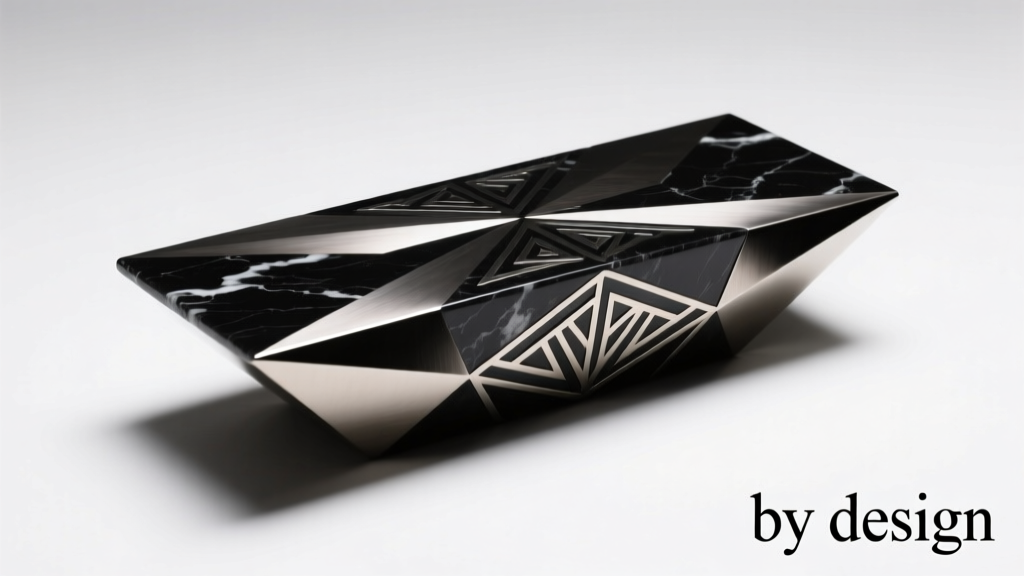
Types of Card Holders
The cardholder industry has evolved into a diverse and dynamic market, driven by changing consumer needs, technological advancements, and fashion trends. As demand grows for compact, functional, and stylish accessories, cardholder producers offer a wide range of designs tailored to different lifestyles and preferences. From minimalist everyday carry solutions to high-security and personalized options, modern cardholders blend utility with aesthetics. Below is a detailed breakdown of the most popular types available today.
Leather Card Holders
Crafted from genuine or premium synthetic leather, these cardholders are prized for their timeless elegance, durability, and refined texture that ages beautifully over time.
Advantages
- High-end, professional appearance
- Durable and long-lasting with proper care
- Develops a rich patina over time
- Compact and lightweight design
- Ideal for formal and business settings
Limitations
- Higher price point than synthetic materials
- Vulnerable to moisture and wear if untreated
- Limited capacity compared to full wallets
Best for: Professionals, minimalist users, gift-giving, and those seeking a sophisticated daily carry accessory
RFID Blocking Card Holders
Equipped with electromagnetic shielding materials, these cardholders protect contactless credit cards and IDs from unauthorized scanning and digital theft.
Advantages
- Prevents RFID skimming and data theft
- Essential for high-security environments (e.g., banking, corporate sectors)
- Peace of mind for frequent travelers and tech-savvy users
- Available in stylish, modern designs
- Often combined with metal or carbon fiber layers
Limitations
- Slightly bulkier than non-shielded models
- Potential signal interference with legitimate scanners
- Higher cost due to specialized materials
Best for: Security-conscious individuals, frequent travelers, financial professionals, and digital privacy advocates
Bi-Fold & Tri-Fold Card Holders
These multi-panel designs offer increased storage capacity while maintaining a compact footprint, making them a versatile alternative to traditional wallets.
Advantages
- Ample space for cards, cash, and ID
- Multiple compartments for better organization
- Folds neatly for pocket-friendly carry
- Available in unisex styles for broad appeal
- Suitable for both casual and professional use
Limitations
- Can become bulky with full use
- Folding mechanism may wear over time
- Less minimalist than single-layer holders
Best for: Users needing balanced storage and portability, commuters, and those transitioning from full wallets
Custom & Themed Card Holders
Personalized or design-driven cardholders featuring logos, artwork, cultural themes, or brand identities to appeal to niche audiences and special occasions.
Advantages
- Highly customizable for branding or personal expression
- Popular for promotional giveaways and corporate gifts
- Appeals to fans, collectors, and event attendees
- Strong emotional and aesthetic appeal
- Ideal for marketing and brand visibility
Limitations
- May lack universal appeal
- Shorter lifespan if used for promotional purposes
- Design limitations based on production techniques
Best for: Events, fan merchandise, corporate branding, gift sets, and creative markets
| Type | Primary Benefit | Durability | Security | Ideal User |
|---|---|---|---|---|
| Leather Card Holders | Elegance & Style | High | Medium | Professionals, minimalists |
| RFID Blocking | Data Protection | High | Excellent | Security-focused users |
| Bi-Fold / Tri-Fold | Storage & Organization | Medium to High | Medium | Everyday users, commuters |
| Custom & Themed | Personalization & Branding | Varies | Low to Medium | Collectors, event attendees |
Expert Tip: When sourcing from cardholder producers for retail or promotional use, consider requesting samples to evaluate material quality, stitching, and overall craftsmanship before placing bulk orders.
Design of Card Holders: Functionality Meets Personal Expression
The design of card holders reflects a harmonious blend of practicality, cultural trends, and innovative craftsmanship. As everyday essentials, these accessories are more than mere storage solutions—they are expressions of personal style and lifestyle needs. A closer look at the offerings from leading cardholder manufacturers reveals how design choices are shaped by material innovation, aesthetic trends, functional requirements, and customization capabilities.
Core Design Elements in Modern Card Holders
Materials: Balancing Durability and Style
The choice of material is one of the most influential factors in cardholder design. Premium leather remains a top choice for high-end models due to its natural durability, rich texture, and timeless appeal. Full-grain and top-grain leathers develop a unique patina over time, enhancing their desirability among discerning users.
Beyond traditional leather, modern alternatives are gaining traction. Aluminum cardholders offer a sleek, minimalist profile with excellent resistance to wear and bending, making them ideal for tech-savvy professionals seeking a futuristic look. Fabric-based designs, often using ballistic nylon or recycled textiles, provide lightweight and eco-conscious options. Vegan leather, made from polyurethane or plant-based materials like cork and apple peel, caters to ethical consumers without sacrificing aesthetics.
Manufacturers carefully evaluate each material based on target audience preferences, environmental impact, production cost, and long-term performance under daily use.
Color and Aesthetics: Reflecting Identity and Trends
Color plays a pivotal role in the visual appeal and emotional resonance of a cardholder. Designers closely monitor fashion and lifestyle trends to select palettes that resonate with current consumer tastes. Earth tones like olive green, terracotta, and sand beige remain popular for their versatility and natural elegance, while pastel shades such as blush pink and sky blue attract younger demographics and those favoring soft, modern aesthetics.
Metallic finishes—gold, silver, and rose gold—are frequently used in both aluminum and leather-trimmed designs to add a touch of luxury. Themed and artist-collaboration cardholders featuring prints, patterns, or cultural motifs have seen rising demand, particularly among consumers who view accessories as extensions of personal identity.
Notably, studies indicate that visually expressive designs, especially those incorporating artistic elements or vibrant colors, significantly increase purchase intent among female consumers, highlighting the importance of inclusive and diverse design strategies.
Functionality and Layout: Smart Design for Daily Use
Effective cardholder design prioritizes usability without compromising portability. Most standard models accommodate 4–6 cards, striking a balance between accessibility and slimness. Slim-profile holders often use a stack or pull-tab mechanism to minimize bulk while ensuring easy card retrieval.
Foldable designs—such as bi-fold and tri-fold wallets—integrate additional compartments for cash, IDs, or coins, appealing to users who prefer an all-in-one solution. Some advanced models feature quick-access slots for frequently used cards like transit passes or driver’s licenses.
A key innovation in recent years is the integration of RFID-blocking technology. Embedded layers of metallic mesh or carbon fiber shield contactless cards from unauthorized scanning, addressing growing concerns about digital theft. This added security enhances the value proposition, particularly for travelers and urban professionals.
Customization Options: From Personal to Promotional
Customization has become a major differentiator in the cardholder market. Many manufacturers offer personalized engraving, embossing, or printing services, allowing customers to add initials, names, logos, or even photos to their accessories. This level of personalization transforms a functional item into a meaningful keepsake or thoughtful gift.
Branded cardholders are widely used in corporate gifting, trade shows, and marketing campaigns. Custom designs featuring company logos or event themes serve as practical promotional tools with lasting visibility. Limited-edition collaborations with artists or influencers also drive engagement and exclusivity, especially in online marketplaces and niche retail platforms.
Themed collections—such as holiday editions, national pride designs, or fandom-inspired patterns—further expand market reach by tapping into emotional and cultural connections.
| Design Element | Key Considerations | Trending Examples |
|---|---|---|
| Material | Durability, weight, sustainability, cost | Recycled aluminum, cork leather, water-resistant nylon |
| Color & Finish | Seasonal trends, gender appeal, brand identity | Muted earth tones, matte black, holographic accents |
| Capacity & Layout | User habits, minimalism vs. functionality | 6-card slim design, bi-fold with cash sleeve, modular inserts |
| Special Features | Security, convenience, innovation | RFID blocking, quick-access tab, magnetic closure |
Design Trends Shaping the Future
Important: When selecting or designing a cardholder, consider not only immediate aesthetics but also long-term usability and ethical production practices. A well-designed cardholder should seamlessly integrate into daily life, protect valuable information, and reflect the user's values—whether that’s sustainability, security, or self-expression.
Scenarios of Card Holders: Key Markets and Use Cases
Cardholders have evolved from simple accessories into essential lifestyle and professional tools, serving diverse consumer needs across industries. Understanding the primary usage scenarios enables manufacturers, retailers, and marketers to tailor designs, materials, and branding for maximum impact and sales potential. Below is an in-depth exploration of the most significant market segments driving demand for cardholder products.
Professional Settings
In corporate and business environments—especially among professionals in management, law, finance, consulting, and executive roles—a cardholder is more than a convenience; it's a symbol of organization, professionalism, and security.
- Executives and office workers prioritize sleek, minimalist leather cardholders that fit seamlessly into suit pockets or briefcases
- RFID-blocking technology is highly valued in industries handling sensitive financial or client data, offering protection against digital theft
- Custom-branded cardholders are often distributed by firms as corporate gifts, enhancing brand image and client loyalty
- Demand is strongest for premium materials like full-grain leather, brushed metal, or carbon fiber finishes that convey quality and status
Key insight: Professionals seek durability, discretion, and elegance—features that align with their professional identity and daily routines.
Travel and Hospitality Industry
Cardholders have become indispensable travel companions, combining functionality with security for global travelers, business commuters, and vacationers alike.
- Frequent travelers use multi-functional cardholders to store credit cards, boarding passes, IDs, and even folded passports in one compact, accessible location
- Hotels, airlines, and luxury resorts often provide branded RFID-protected cardholders as welcome gifts, enhancing guest experience and brand recognition
- Event organizers and travel agencies distribute stylish cardholders at conferences, tours, or destination weddings as practical keepsakes
- Safety-conscious consumers prefer slim, lightweight holders with anti-skimming technology, especially when traveling in high-risk areas
Market trend: Demand spikes during holiday seasons and international travel peaks, making this a seasonal yet high-volume opportunity.
Events and Promotions
Customized cardholders are a powerful promotional tool, blending utility with branding to create lasting impressions at corporate events, trade shows, product launches, and festivals.
- Branded cardholders with embossed logos, event themes, or slogans serve as both functional giveaways and long-term marketing assets
- Universities, tech startups, and financial institutions use them during recruitment drives or client onboarding events
- Event planners favor bulk orders with quick-turn customization, including color options, packaging, and messaging
- High perceived value makes them more likely to be retained and used daily, increasing brand visibility
Pro tip: Limited-edition designs or eco-friendly materials (like recycled leather or bioplastics) enhance appeal and align with sustainability goals.
Everyday Consumer Use
The mass consumer market represents one of the largest and most diverse segments for cardholder sales, driven by convenience, fashion, and affordability.
- Everyday users seek compact, durable card cases that reduce bulk compared to traditional wallets
- Young adults and urban professionals favor trendy designs—minimalist, colorful, or fashion-forward styles from local boutiques or online retailers
- There is growing demand for gender-neutral and unisex models that emphasize simplicity and versatility
- Budget-friendly options made from synthetic leather, silicone, or fabric attract price-sensitive buyers without sacrificing style
Consumer behavior: Repeat purchases are common as users collect different colors or upgrade to premium versions over time.
Strategic Recommendation: To maximize market reach, manufacturers should segment their product lines by use case—offering premium leather RFID models for professionals, travel-optimized multi-slot designs for tourists, customizable options for marketers, and affordable fashion styles for everyday consumers. This targeted approach enhances customer satisfaction and drives higher conversion rates across channels.
| Target Segment | Primary Needs | Popular Features | Best-Selling Materials |
|---|---|---|---|
| Corporate Professionals | Security, elegance, brand alignment | RFID protection, slim profile, logo engraving | Full-grain leather, aluminum, carbon fiber |
| Travelers & Tourists | Compact storage, document safety, theft prevention | Passport sleeve, multiple card slots, lockable zippers | Nylon, synthetic leather, water-resistant fabrics |
| Event & Promo Buyers | Branding space, cost efficiency, bulk availability | Custom printing, embossing, gift packaging | PU leather, recycled materials, silicone |
| General Consumers | Affordability, style, daily usability | Color variety, lightweight design, durability | Faux leather, fabric, TPU, bioplastics |
Emerging Trends and Opportunities
- Sustainability: Eco-conscious consumers are driving demand for cardholders made from recycled materials, plant-based leathers (like Piñatex), and biodegradable components
- Smart Integration: Some brands are exploring NFC-enabled cardholders or those with tracking chips for added security and tech appeal
- Personalization: Laser engraving, monogramming, and app-based design tools allow users to create unique, one-of-a-kind pieces
- Health & Hygiene: Antimicrobial coatings and easy-to-clean surfaces have gained attention post-pandemic, especially in high-touch accessories
- Rental & Subscription Models: Luxury cardholders are being offered through fashion rental platforms, expanding access to premium designs
Specification & Maintenance of Card Holders
Card holders are essential everyday accessories designed to organize and protect your credit cards, IDs, and other important cards. Understanding their key specifications and implementing proper maintenance practices can significantly extend their lifespan and ensure optimal performance. This guide explores the critical features of various card holders and provides actionable tips to preserve their condition and functionality.
Important Note: Using the wrong cleaning products or storing card holders improperly can lead to irreversible damage, especially for premium materials like leather or RFID-protected models. Always follow manufacturer recommendations when available.
Key Specifications to Consider
When selecting or evaluating a card holder, several design and material factors influence its performance, durability, and usability. Understanding these specifications helps you choose the right model for your lifestyle and usage needs.
- Material Composition: Card holders are commonly made from leather (genuine or synthetic), metal, fabric, or plastic. Leather offers elegance and develops a patina over time, while metal provides durability and a modern look. Fabric and plastic models are often more affordable and lightweight.
- Capacity and Design: The number of card slots determines how many cards you can carry. High-capacity models with 6+ slots are ideal for professionals or frequent travelers but tend to be bulkier. Slim and minimalist designs (2–4 slots) prioritize portability and fit easily in tight pockets—perfect for everyday essentials.
- RFID Blocking Technology: Many modern card holders include RFID shielding to protect against electronic theft. These use metallic linings or special materials to block unauthorized scanning of contactless cards. Ensure the shielding covers all card slots for full protection.
- Dimensions and Portability: Compact dimensions enhance convenience, especially for pocket carry. Measure your preferred pocket size to ensure a comfortable fit. Slim profiles are ideal for front-pocket use, reducing bulk and minimizing wear on clothing.
- Build Quality Enhancements: Premium models often feature reinforced stitching, durable zippers, magnetic or snap closures, and edge painting for added resilience. These details improve longevity and provide a more secure, polished feel.
Proper Cleaning Techniques by Material
Regular cleaning prevents dirt buildup and maintains the appearance of your card holder. However, cleaning methods must be tailored to the material to avoid damage.
- Leather Card Holders: Use a soft, lint-free cloth dampened with mild soapy water or a dedicated leather cleaner. Gently wipe the surface and avoid soaking the material. Excess moisture can cause cracking or warping. After cleaning, allow it to air dry naturally away from direct heat or sunlight.
- Fabric or Canvas Holders: Clean with a damp cloth and mild detergent. Spot clean stains carefully and avoid machine washing unless specified by the manufacturer. Air dry completely before reuse.
- Metal or Aluminum Holders: Wipe with a soft, slightly damp cloth to remove fingerprints and grime. For added shine, use a non-abrasive metal polish, but avoid applying it near seams or internal linings.
- General Cleaning Tips: Never use harsh chemicals, alcohol-based cleaners, or strongly perfumed products, as they can degrade adhesives, discolor materials, or damage RFID shielding layers.
Preventing Wear and Tear
Proper storage and handling are crucial to extending the life of your card holder. Environmental and usage factors play a significant role in long-term durability.
- Store your card holder in a cool, dry place when not in regular use. Avoid leaving it in hot environments like a car dashboard, where extreme temperatures can warp plastic or dry out leather.
- Keep it away from direct sunlight to prevent fading, especially for fabric and dyed leather models.
- For RFID-protected holders, avoid folding or crushing the device, as this can compromise the internal shielding layer and reduce its effectiveness.
- Don’t overload slim holders beyond their intended capacity—forcing too many cards in can strain stitching, stretch materials, or damage the structure.
- Rotate multiple card holders if you use them daily to distribute wear evenly and prolong the life of each one.
Condition Monitoring and Maintenance
Regular inspection helps catch minor issues before they become major problems, especially for high-value or frequently used card holders.
- Leather Care: Condition leather holders every 3–6 months using a high-quality leather conditioner. This keeps the material supple and prevents cracking. Avoid conditioners with waxes or silicones that can clog pores or leave residue.
- Inspect for Damage: Check for signs of wear such as frayed edges, loose stitching, faded colors, or weakened closures. Address minor issues early—small tears can be professionally repaired before they worsen.
- Functionality Checks: Ensure zippers glide smoothly, snaps close securely, and cards slide in and out without resistance. Stiff mechanisms may need lubrication or cleaning.
- RFID Performance: Periodically test RFID protection using a contactless card reader or RFID-enabled device to confirm the shielding is still effective.
| Card Holder Type | Best Use Case | Maintenance Frequency | Recommended Products |
|---|---|---|---|
| Leather (Slim) | Daily carry, minimalist users | Clean monthly, condition quarterly | Leather cleaner, pH-balanced conditioner |
| RFID-Blocking | Security-conscious users | Inspect shielding bi-annually | Soft microfiber cloth, RFID tester |
| Metal/Aluminum | Durable, modern design preference | Wipe weekly, polish monthly | Metal polish, dry cloth |
| Fabric/Canvas | Casual use, budget-friendly | Spot clean as needed | Mild detergent, soft brush |
| High-Capacity Wallet-Style | Professionals, frequent travelers | Inspect monthly for wear | Multi-surface cleaner, seam sealant |
Expert Tip: For leather card holders, apply a small amount of mink oil or leather balm every few months to enhance water resistance and maintain softness—especially in dry or cold climates where leather is prone to drying out.
Long-Term Care Recommendations
- Keep spare card holders for rotation and backup to reduce wear on your primary one.
- Remove cards when cleaning to prevent scratches or residue buildup inside slots.
- Avoid placing heavy objects on top of your card holder in bags or drawers.
- Replace worn-out models before they fail completely—especially if they hold sensitive or frequently used cards.
- Consider investing in a protective sleeve or pouch for storage during travel or long-term use.
By understanding the specifications of your card holder and following these maintenance practices, you can ensure it remains functional, secure, and stylish for years. Whether you own a minimalist RFID wallet or a premium leather organizer, proper care enhances both performance and longevity. Treat your card holder as an investment in convenience and security, and it will serve you reliably every day.
Q & A: Everything You Need to Know About Cardholders
To better understand some of the most frequently asked questions about cardholders and the manufacturers behind them, we’ve compiled a comprehensive guide that covers materials, security features, customization options, sustainability, and longevity. Whether you're shopping for personal use or planning a bulk order, this resource will help you make informed decisions.
Q1: What materials are cardholders usually made from?Cardholders are crafted from a variety of materials, each offering distinct benefits in terms of durability, style, and functionality. The most common include:
- Leather: Premium full-grain or top-grain leather provides a sophisticated, timeless appearance and improves with age. It's highly durable and favored for luxury and professional cardholders.
- Synthetic Leather (PU): A more affordable and animal-friendly alternative that mimics the look and feel of real leather. While less breathable, it's water-resistant and easy to maintain.
- Metal (Aluminum, Stainless Steel, Titanium): Offers maximum durability and built-in RFID protection. Metal cardholders are slim, lightweight, and ideal for those seeking minimalist, high-security designs.
- Fabric Textiles (Nylon, Canvas, Recycled PET): Lightweight and flexible, often used in casual or eco-conscious designs. These materials are great for travel and everyday carry.
The choice of material often depends on personal preference, intended use, and budget, but high-quality construction is key to long-term satisfaction.
Q2: How do cardholders with RFID blocking work?RFID (Radio-Frequency Identification) blocking cardholders are designed to protect your contactless credit cards, IDs, and passports from unauthorized scanning and digital theft. Here's how they work:
- Shielding Materials: These cardholders incorporate layers of conductive materials such as aluminum, copper, or carbon fiber that create a Faraday cage effect, blocking electromagnetic signals.
- Signal Interference: When an external RFID reader attempts to scan your cards, the shielding material absorbs or reflects the signal, preventing data transmission.
- Security in Public Spaces: This is especially useful in crowded areas like airports, subways, or festivals where "skimming" devices could potentially steal card information without physical contact.
It's important to note that RFID protection only guards against wireless scanning—not against physical theft, fraud, or online data breaches. Always keep your cards secure and monitor your accounts regularly.
Q3: Can custom cardholders be ordered in bulk?Yes, absolutely! Many manufacturers and suppliers offer bulk ordering options for custom cardholders, making them a popular choice for businesses, events, and promotional campaigns. Key details to consider:
- Customization Options: You can personalize cardholders with logos, brand colors, slogans, or individual names through techniques like laser engraving, embossing, screen printing, or debossing.
- Minimum Order Quantity (MOQ): Most suppliers require a minimum number of units (e.g., 50–500 pieces), which varies by material, design complexity, and manufacturer.
- Ideal Use Cases: Corporate gifts, employee onboarding kits, wedding favors, conference swag, and client appreciation packages.
- Cost Efficiency: Bulk orders often come with discounted per-unit pricing, reducing overall costs and increasing brand visibility.
Working directly with a manufacturer or a specialized printing service ensures high-quality results and faster turnaround times. Be sure to request samples before placing a large order.
Q4: Are there eco-friendly options for cardholders?Yes, the market for sustainable cardholders is growing rapidly as consumers and businesses prioritize environmental responsibility. Eco-friendly options include:
- Plant-Based Leather (Cactus, Piñatex, Mushroom Leather): Innovative materials derived from renewable sources that offer a cruelty-free and biodegradable alternative to traditional leather.
- Recycled Materials: Cardholders made from recycled plastics (like rPET), reclaimed fabrics, or upcycled rubber reduce landfill waste and lower carbon footprints.
- Organic Cotton & Hemp: Naturally sustainable fibers that are biodegradable and require less water and pesticides to produce.
- Low-Impact Production: Brands are adopting eco-conscious practices such as water-based dyes, solar-powered factories, and plastic-free packaging.
Choosing sustainable cardholders not only supports environmental conservation but also enhances brand image for companies committed to green values.
Q5: What is the average lifespan of a cardholder?The lifespan of a cardholder varies significantly based on material quality, frequency of use, and how well it’s maintained. Here’s a general breakdown by material:
| Material | Average Lifespan | Key Factors Influencing Durability |
|---|---|---|
| Full-Grain Leather | 5–10+ years | Develops a patina over time; resistant to wear when conditioned regularly. |
| Synthetic Leather | 1–3 years | May crack or peel with prolonged exposure to heat and friction. |
| Metal (Aluminum/Stainless Steel) | 5–15+ years | Highly resistant to wear, corrosion, and impact; minimal maintenance required. |
| Fabric/Recycled Textiles | 2–5 years | Durability depends on weave density and coating; may fray over time. |
Proper care—such as avoiding excessive moisture, cleaning regularly, and storing in a dry place—can significantly extend a cardholder’s life. Investing in a high-quality product from a reputable brand often pays off in longevity and performance.