
When winter approaches, few outerwear choices spark as much debate as the decision between a black wool coat and a black cashmere coat. Both offer elegance, warmth, and timeless style—but at vastly different price points. A high-quality wool coat might cost $400; a comparable cashmere version can easily exceed $1,500. So, is the luxury fiber truly worth the investment? Or is it just marketing hype wrapped in softness?
The answer isn’t straightforward. It depends on how you use your coat, your climate, budget, and values around longevity and comfort. This article breaks down the real differences—not just in feel, but in performance, maintenance, lifespan, and long-term value—to help you make an informed decision.
Understanding the Materials: Wool vs Cashmere
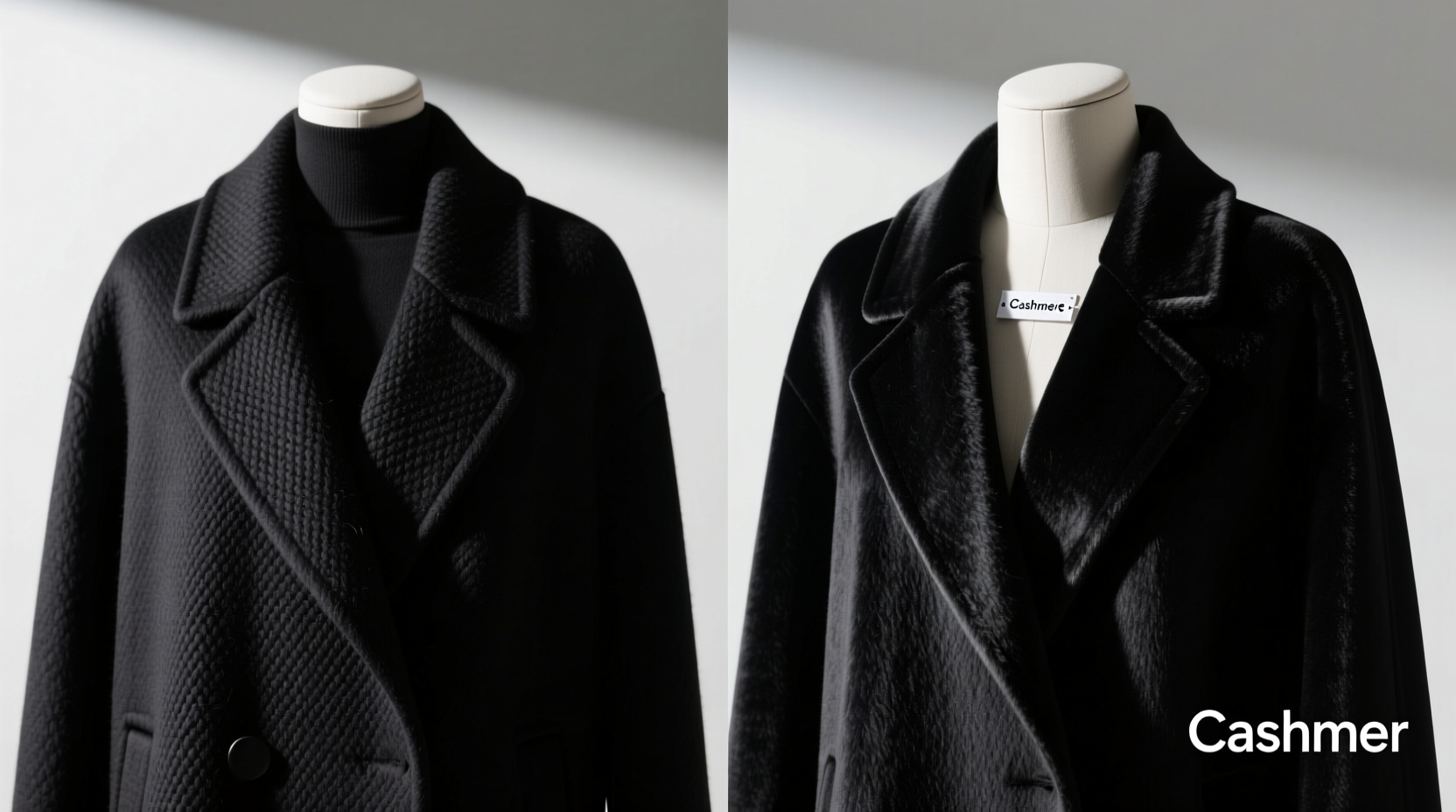
Wool and cashmere both come from animals, but their origins, processing, and properties differ significantly. Traditional wool—typically from sheep—is coarser, more resilient, and widely produced. The most common type used in coats is Merino wool, known for its finer texture compared to standard wool, but still not on par with cashmere.
Cashmere comes from the undercoat of cashmere goats, primarily found in Mongolia, China, and parts of Central Asia. Each goat produces only about 100–200 grams of usable fiber per year, making it rare and labor-intensive to harvest. After combing, cleaning, and de-hairing (removing coarse guard hairs), only a fraction remains as pure cashmere.
This scarcity explains much of the price gap. But rarity doesn’t automatically mean superiority for every use case. Let’s examine where each material excels.
Warmth and Insulation Performance
Both materials are excellent insulators due to their natural crimp and ability to trap air. However, cashmere has a distinct advantage in warmth-to-weight ratio. It provides comparable or even superior warmth to wool while being significantly lighter.
In dry, cold climates, this makes cashmere ideal—offering deep warmth without bulk. But in wet or windy conditions, traditional wool often performs better. Wool fibers have a natural waxy coating (lanolin) that repels moisture, allowing them to retain insulating properties even when damp. Cashmere, by contrast, absorbs moisture more readily and loses heat faster when wet.
Tip: If you live in a rainy or humid winter climate, consider a wool coat with a water-resistant finish over raw cashmere.Durability and Longevity
Wool is inherently more durable than cashmere. Its longer, stronger fibers resist pilling, abrasion, and stretching. A well-made wool coat can last 10–15 years with regular wear and proper care.
Cashmere, while luxuriously soft, is more delicate. The fine fibers are prone to pilling and can weaken with frequent friction or improper washing. However, longevity isn’t solely determined by fiber type—it also hinges on construction quality and usage patterns.
“Cashmere isn’t fragile if treated right. A hand-processed, tightly woven cashmere coat worn seasonally and stored properly can outlive several cheaper wool alternatives.” — Daniel Reed, Textile Conservator at The Fashion Archive
The key is intentionality: cashmere rewards careful ownership. Wear it selectively, avoid rough contact (like backpacks), and rotate usage to extend its life.
Comfort and Wearability: The Feel Factor
This is where cashmere often wins outright. Its ultra-fine fibers (typically 14–19 microns in diameter, versus 20–24 for fine Merino wool) create a buttery-soft handfeel that many describe as “second skin.” For those with sensitive skin or who prioritize tactile luxury, cashmere is unmatched.
Wool, even high-grade Merino, can sometimes cause mild itching or irritation, especially around the neck. Blends with silk or nylon can mitigate this, but they don’t replicate the inherent softness of cashmere.
Additionally, cashmere drapes more elegantly. It conforms gently to the body, creating a sleek silhouette that’s particularly desirable in tailored overcoats. Wool tends to hold structure more rigidly, which can look crisp but less fluid.
Total Cost of Ownership: Beyond the Price Tag
To assess whether cashmere is worth the premium, consider total cost of ownership—not just purchase price, but care, frequency of use, and lifespan.
| Factor | Black Wool Coat | Black Cashmere Coat |
|---|---|---|
| Average Purchase Price | $300–$600 | $1,200–$3,000+ |
| Lifespan (with care) | 10–15 years | 8–12 years (seasonal use) |
| Annual Maintenance Cost | $30–$50 (brushing, spot cleaning) | $100–$150 (professional cleaning recommended) |
| Weight & Packability | Moderate | Lightweight, easier to pack |
| Best Use Case | Daily wear, variable weather | Formal settings, dry cold climates |
Over a decade, a $500 wool coat costs roughly $50/year, including basic upkeep. A $2,000 cashmere coat with professional cleaning could run $350/year. That’s a significant difference. But if you value exceptional comfort and wear the coat primarily in controlled environments (e.g., city commutes, evening events), the experience may justify the cost.
Real Example: Two Professionals, Two Choices
Consider two professionals living in New York City:
- Sarah, a lawyer, walks 30 minutes daily to work, uses public transit, and faces slush, wind, and packed subways. She owns a double-faced wool coat. After five winters, it shows minor pilling at the cuffs but remains fully functional. She brushes it weekly and spots cleans stains.
- James, a consultant, drives to work and attends client dinners. He wears his cashmere coat mostly in dry conditions and stores it on a padded hanger between uses. His coat, now seven years old, looks nearly new and feels like it did on day one.
Sarah prioritizes resilience; James values refinement. Neither made the “wrong” choice—they aligned their purchase with lifestyle needs.
Care Requirements: Maintaining Your Investment
Proper care dramatically affects how long either coat lasts. Wool is relatively low-maintenance: brushing with a clothes brush removes dust and prevents matting. Most wool coats can be spot-cleaned or occasionally dry cleaned every 2–3 seasons.
Cashmere demands more attention:
- Never machine wash unless explicitly labeled safe.
- Hand wash in cool water with pH-neutral detergent or use professional cleaning.
- Always lay flat to dry—never hang, as it can stretch.
- Store with cedar blocks (not mothballs) in a breathable cotton bag.
- Avoid direct sunlight to prevent fading and fiber degradation.
Care Checklist: Wool vs Cashmere
- ✅ Wool Coat Care
- Brush monthly
- Ventilate after wear
- Dry clean every 1–2 years
- Use padded hangers
- Spot clean spills immediately
- ✅ Cashmere Coat Care
- Professional clean annually
- Inspect for moths quarterly
- Rotate wear (avoid daily use)
- Repair loose buttons promptly
- Refrain from wearing seatbelts directly over shoulders
Is Cashmere Worth the Extra Cost?
The answer depends on three key questions:
- How often will you wear it? Daily commuters benefit more from wool’s toughness. Occasional or formal wear favors cashmere.
- What’s your climate? Wet, salty, or windy winters favor wool. Dry, cold environments highlight cashmere’s strengths.
- Do you value sensory luxury? If touch and drape matter deeply to you, cashmere delivers an unmatched experience.
If you answered “yes” to the last two, and you’re committed to meticulous care, then yes—the premium can be justified. But if you need a workhorse coat that survives sleet, subway straps, and coffee spills, wool remains the smarter, more economical choice.
Frequently Asked Questions
Can I wear a cashmere coat in the rain?
You can, but it's not advisable. While brief exposure won't ruin it, prolonged moisture causes cashmere to lose shape, felt, or develop odors. Always carry a protective cover or umbrella. For rainy climates, opt for wool or a wool blend with weather-resistant treatment.
Does cashmere pill over time?
All cashmere pills to some degree, especially in high-friction areas like underarms or sleeves. Regular use of a fabric shaver or sweater stone can remove pills. High-twist yarns and tighter weaves reduce pilling significantly.
Is blended cashmere a good compromise?
Yes. A blend of 70% cashmere and 30% wool combines softness with added durability and moisture resistance. These coats are often 20–40% less expensive than 100% cashmere and perform better in mixed conditions.
Final Verdict: Choose Based on Purpose, Not Prestige
Don’t buy cashmere because it’s seen as “luxury.” Buy it because it fits your life. The same goes for wool—its practicality isn’t a downgrade, but a design feature.
For most people, a high-quality wool coat offers the best balance of performance, cost, and resilience. But if you seek unparalleled softness, lightweight warmth, and own it responsibly, a cashmere coat can be a lifetime piece—one that ages gracefully and becomes more personal with each wear.
💬 Have a wool or cashmere coat that’s lasted over a decade? Share your care routine and experience in the comments—your insight could help others make smarter choices.








