
In the layered world of streetwear, credibility isn’t just about what you wear—it’s about why you wear it. Two dominant forces have shaped modern urban fashion in recent years: anime-inspired sneakers and classic retro sportswear. One draws from Japanese pop culture and digital artistry; the other rises from decades of athletic legacy and subcultural rebellion. But when it comes to streetwear authenticity, which one truly commands respect on the pavement?
The answer isn't as simple as brand names or resale prices. It's rooted in history, cultural resonance, community acceptance, and how each category aligns with the core values of streetwear—individuality, exclusivity, and narrative depth.
The Cultural Roots of Streetwear Credibility
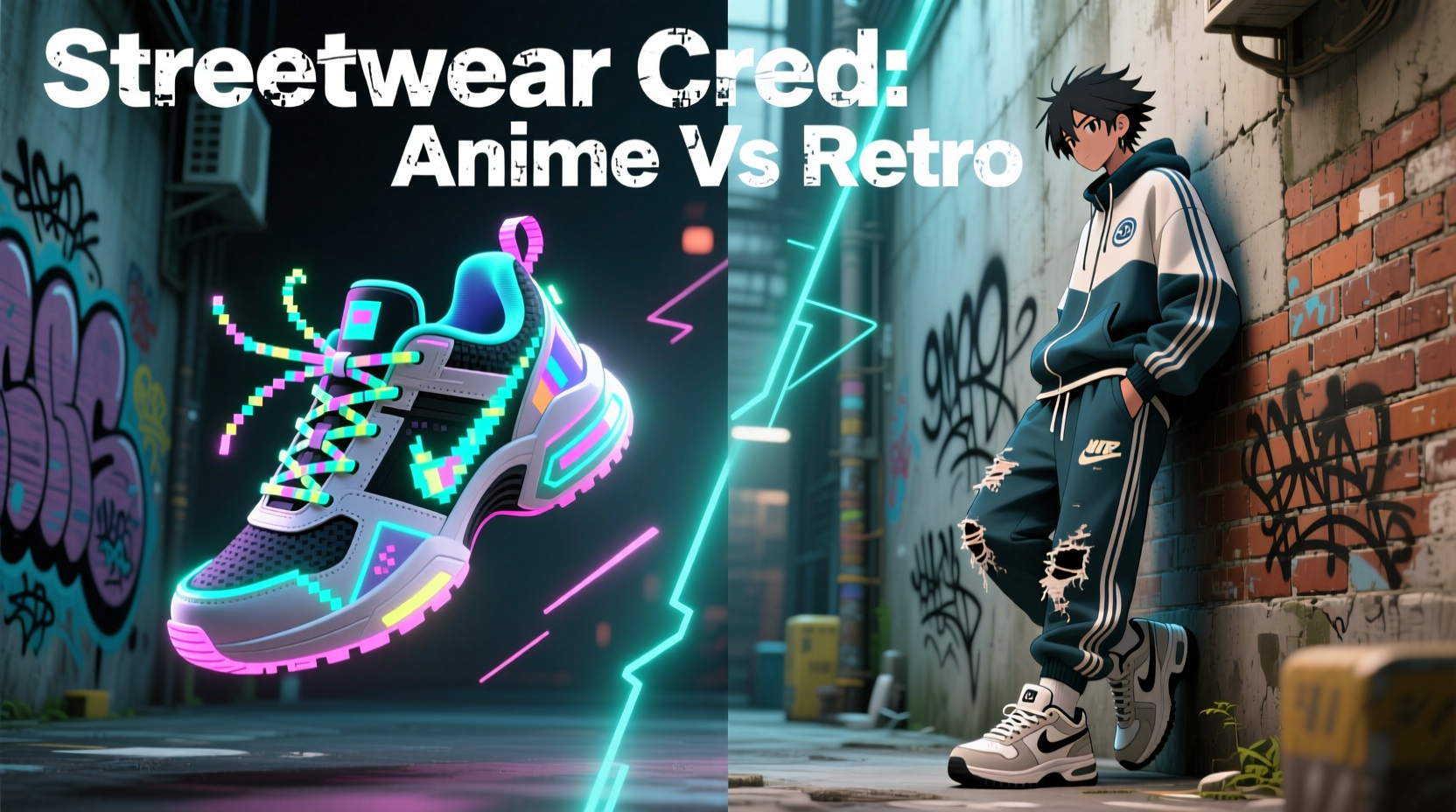
Streetwear credibility doesn’t come from marketing budgets. It emerges from underground scenes—skateboarding, hip-hop, graffiti, and DIY fashion. Authenticity is earned through association with movements that resist mainstream norms. Both anime sneakers and retro sportswear have found their way into this space, but they arrive via different routes.
Retro sportswear—think vintage Air Jordans, Adidas Superstars, or Nike Dunk Lows—grew out of real-world performance use before being adopted by youth cultures in the 1980s and 1990s. These shoes were worn on basketball courts, city streets, and subway platforms long before they became collectible icons. Their legitimacy stems from documented histories: Michael Jordan’s game-worn kicks, Run-D.M.C.’s endorsement deal with Adidas, or the role of Nikes in early skate culture.
Anime sneakers, by contrast, are born digital. Collaborations between brands like Puma, Converse, and even Nike with franchises such as *Dragon Ball Z*, *Naruto*, or *Evangelion* create footwear steeped in fictional lore. They speak to fandom, personal identity, and visual storytelling. While not grounded in athletic heritage, they tap into emotional narratives and global fan communities with cult-like devotion.
“Streetwear isn’t about function anymore—it’s about belonging. Retro shoes say ‘I know the history.’ Anime kicks say ‘This is my story.’ Both are valid, but they serve different tribes.” — Malik Tran, Urban Fashion Curator & Co-founder of Threadline Journal
Design Language: Function vs Fantasy
Retro sportswear follows a design philosophy rooted in utility. Even when reissued for fashion, these silhouettes maintain clean lines, minimal branding, and color blocking inspired by team uniforms or original performance needs. The Air Force 1, for example, was engineered for basketball traction and ankle support. Its enduring appeal lies in its simplicity and adaptability across styles—from baggy jeans to tailored trousers.
Anime sneakers embrace maximalism. Expect bold graphics, character motifs, glow-in-the-dark soles, and packaging that doubles as art. A *Demon Slayer* x Asics sneaker might feature flame patterns across the midsole and a liner printed with kanji from the series. These designs aren’t subtle—they’re declarations. Wearing them signals allegiance to a specific universe, often inviting conversation rather than blending in.
This contrast defines their streetwear roles. Retro sportswear offers versatility and quiet confidence. Anime sneakers prioritize expression and spectacle. In environments where understated cool is prized—like downtown Tokyo or Brooklyn street markets—minimalist retro styles often dominate. But at conventions, pop-up events, or creative hubs, anime footwear stands out as a form of wearable fandom.
Tip: If your goal is broad stylistic compatibility, lean toward retro sportswear. For niche impact and fan connection, anime sneakers deliver unmatched narrative power.Market Value and Exclusivity
Resale value often reflects cultural capital. According to StockX data from 2023, retro models like the Nike Dunk Low “Pigeon” or the Air Jordan 1 “Bred” consistently command premiums above 300% of retail. These shoes benefit from limited re-releases, historical significance, and widespread collector demand.
Anime sneakers can also spike in value—especially if tied to a trending series or a rare collaboration—but their longevity is less predictable. A *One Piece* x Vans Sk8-Hi might sell out instantly upon release, but its resale price typically stabilizes within months unless the franchise sees a major resurgence (e.g., after a hit Netflix adaptation).
Still, certain anime collaborations achieve legendary status. The *Neon Genesis Evangelion* x Nike Air Max 720, released in 2019, featured religious symbology, glowing soles, and packaging mimicking the show’s apocalyptic aesthetic. It remains highly sought after, not just by fans but by avant-garde collectors drawn to its conceptual depth.
| Category | Avg. Resale Premium (2023) | Cultural Longevity | Fan Engagement Level |
|---|---|---|---|
| Retro Sportswear (e.g., AJ1, AF1) | 150–400% | High (decades-long relevance) | Moderate (broad appeal) |
| Anime Sneakers (e.g., DBZ x Puma) | 50–300% (varies widely) | Medium (tied to franchise cycles) | Very High (dedicated fanbases) |
Community Acceptance in Key Streetwear Hubs
To assess true \"cred,\" we must look beyond aesthetics and examine who wears what—and where.
In cities like Los Angeles, Seoul, and London, retro sportswear dominates daily wear. It’s integrated into capsule wardrobes, paired with workwear, denim, and oversized tees. Brands like Palace, Supreme, and Stüssy frequently reinterpret classic silhouettes, reinforcing their centrality to the scene.
Anime sneakers appear more selectively. They thrive in spaces where identity and creativity are foregrounded: art galleries, anime expos, music festivals, or influencer-driven launches. In Harajuku, for instance, anime-themed footwear blends seamlessly into the kawaii and cyberpunk fashion mix. Elsewhere, they risk being dismissed as costume-like unless styled with intention.
A mini case study illustrates this divide:
Mini Case Study: Yuki in Shibuya vs. Marcus in Brooklyn
Yuki, a 22-year-old illustrator in Tokyo, wears a pair of *My Hero Academia* x ASICS Gels every week. Her look combines streetwear staples—cargo pants, cropped hoodie—with accessories from her favorite series. Locals recognize her style as part of Harajuku’s evolving fashion dialogue.
Marcus, a barista in Brooklyn, owns the same pair but only wears them to Comic-Con. On regular days, he opts for a muted Nike Blazer Mid ’77. “People here respect the classics,” he says. “If I showed up in anime shoes, I’d get asked if I was cosplaying.”
This isn’t about right or wrong—it’s about context. Streetwear cred is local. What reads as bold self-expression in one neighborhood may seem out of place in another.
How to Build Credibility with Either Style
Regardless of preference, credibility comes from curation—not consumption. Owning rare sneakers means little without understanding their context and styling them cohesively. Here’s a step-by-step guide to earning respect with either category:
- Research the backstory. Know the origin of your retro model or the anime arc referenced on your shoebox. This knowledge informs how you present the piece.
- Limit logo-heavy pieces. Even with anime sneakers, balance is key. Pair graphic shoes with neutral clothing to avoid looking costumed.
- Invest in condition. Clean soles and fresh laces matter. A scuffed Air Jordan looks lived-in; a dirty anime sneaker looks neglected.
- Wear with purpose. Don’t buy hype. Choose pieces that reflect your taste, not just TikTok trends.
- Engage the community. Attend local sneaker swaps, join Discord groups, or participate in fan art challenges. Credibility grows through participation.
Checklist: Maximizing Streetwear Cred with Anime or Retro Footwear
- ✓ Understand the cultural origin of your shoes
- ✓ Maintain pristine condition (clean regularly)
- ✓ Style with complementary, non-distracting clothing
- ✓ Limit flashy pairs to appropriate settings
- ✓ Participate in relevant communities (online or offline)
- ✓ Avoid reselling everything—keep pieces you genuinely love
Expert Insight: The Future of Narrative Footwear
As fashion becomes more personalized, the line between retro authenticity and fictional storytelling continues to blur. Some designers now treat sneakers as canvases for mythmaking—regardless of athletic roots.
“The next generation doesn’t see a hierarchy between a 1985 Air Jordan and a *Sailor Moon* platform. They care about meaning. If your shoe connects to something deeper—a character, a memory, a movement—it earns its place.” — Lena Cho, Creative Director at Sole Narrative Lab
This shift suggests that streetwear credibility is evolving from pedigree-based to narrative-based. It’s no longer enough for a shoe to have been worn by a legend. It must tell a story the wearer can own.
FAQ
Can anime sneakers be taken seriously in high-fashion streetwear circles?
Yes—but with caveats. When styled thoughtfully and tied to broader themes (e.g., Japanese futurism, digital identity), anime sneakers gain legitimacy. Pieces from high-end collaborations—like Sacai x *Evangelion*—are already featured in editorial spreads and museum exhibits.
Are retro sportswear shoes losing relevance to newer trends?
No. While trends cycle quickly, retro silhouettes remain foundational. They’re the “blue blazer” of streetwear: timeless, adaptable, and universally recognized. Even as anime, gaming, and techwear rise, retro models anchor wardrobes.
Is it okay to mix anime sneakers with vintage sportswear?
Absolutely—if done intentionally. Try pairing a *Naruto*-themed Nike with raw denim and a vintage windbreaker. The contrast highlights both pieces. Just ensure color tones and energy levels match; don’t clash vibes.
Conclusion: Credibility Is Earned, Not Assigned
So, which has better streetwear cred—anime sneakers or retro sportswear? The truth is, neither wins outright. Retro sportswear holds institutional authority, built on decades of cultural osmosis and functional design. Anime sneakers represent the rising power of personal narrative and digital-native identity.
True credibility comes not from the shoe itself, but from how it’s worn, understood, and shared. A well-loved pair of Air Force 1s speaks to tradition. A carefully curated *Cowboy Bebop* x Reebok Jet Kick tells a story only its owner can fully explain. Both are valid expressions of self within the expansive language of streetwear.
The most respected figures in fashion today don’t choose sides. They blend eras, genres, and influences into something uniquely theirs. Whether your grails sit in a climate-controlled vault or light up under city lights, what matters is intent. Wear what resonates. Know its roots. Respect the culture. That’s how you earn cred—no matter what’s on your feet.
🚀 Ready to define your own streetwear identity? Start by asking: What story do my shoes tell? Share your thoughts—or your favorite pair—in the comments below.