
For decades, anime has grown from a niche cultural export into a global phenomenon, influencing fashion, music, and art. With this surge in popularity, anime merchandise—particularly high-end figures—has become a coveted collector’s item. Limited editions, intricate craftsmanship, and emotional attachment to beloved characters have turned figure collecting into both a passionate hobby and a speculative pursuit. But beneath the glossy packaging and display cases lies a pressing question: Is collecting anime figures a smart financial investment, or is it simply emotional spending disguised as long-term value?
The answer isn’t binary. Like fine art, vintage watches, or rare sneakers, anime figures exist at the intersection of passion and profit. Some collectors have seen returns exceeding 500% on select pieces, while others hold shelves full of stagnant inventory with no resale traction. Understanding the dynamics behind this market requires dissecting authenticity, scarcity, demand cycles, and personal motivation.
The Allure of Anime Figures: More Than Plastic and Paint
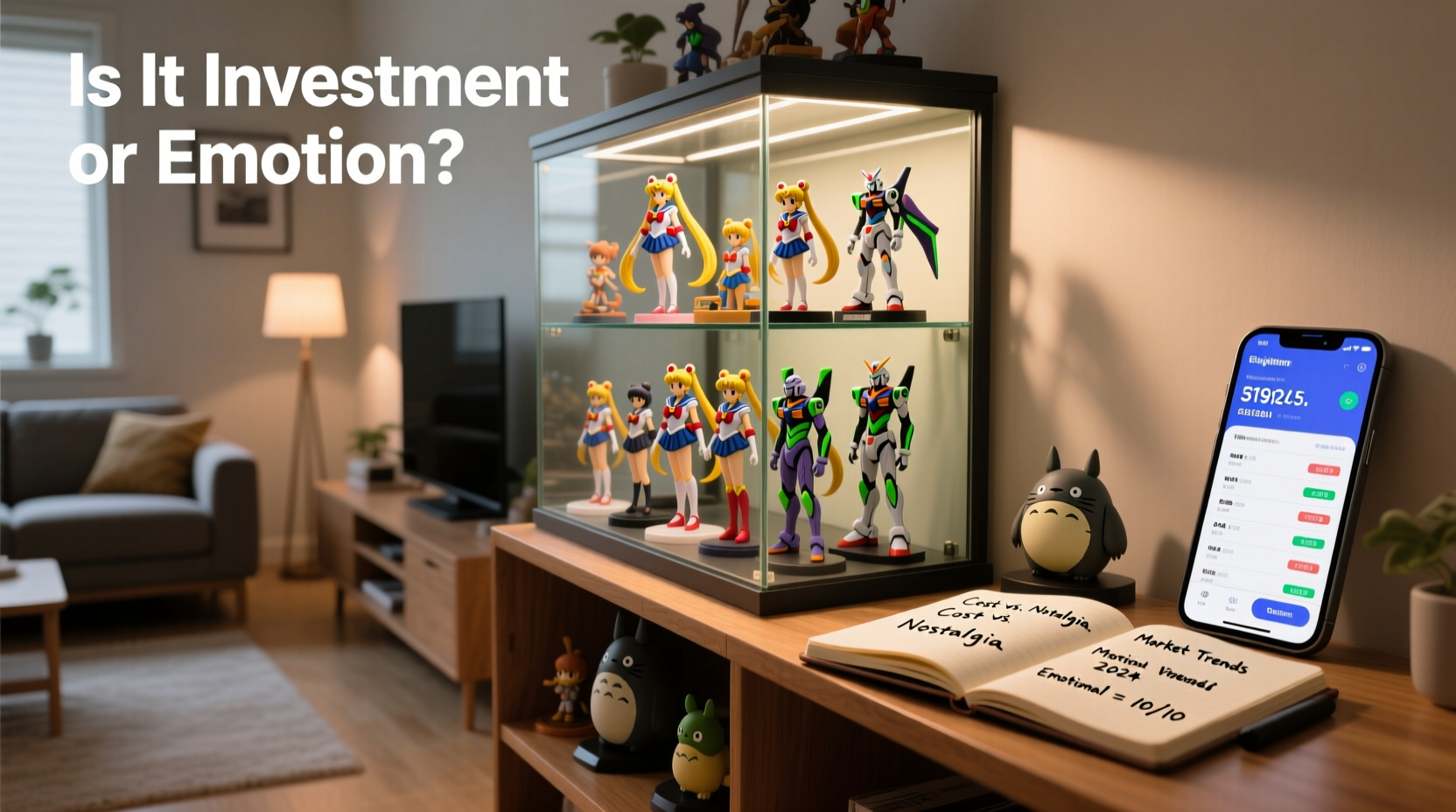
Anime figures are not mere toys. Premium statues, often produced by companies like Good Smile Company, Kotobukiya, and Alter, can take months to design and sculpt. These limited-run items feature hand-painted details, dynamic poses, and materials such as polystone or PVC that elevate them to collectible art. Prices at retail range from $50 for standard Nendoroids to over $500 for exclusive scale figures.
What drives people to spend hundreds—or even thousands—on these items? For many, it's emotional resonance. Characters from series like *Neon Genesis Evangelion*, *Sailor Moon*, or *Demon Slayer* represent pivotal moments in fans’ lives. Owning a physical representation becomes a form of self-expression, nostalgia, or fandom celebration.
Yet, social media and online marketplaces have amplified another narrative: that these figures can appreciate in value. Platforms like Mandarake, Yahoo Japan Auctions, and StockX (which briefly experimented with anime figures) showcase jaw-dropping resale prices. A sold-out *Fate/Grand Order* Saber Lily figure once resold for ten times its original price. Such stories fuel the idea that collecting could be more than a hobby—it might be a portfolio strategy.
Tip: Always verify production run numbers and manufacturer reputation before assuming a figure will appreciate.When Collecting Becomes an Investment: Key Drivers of Value
Not all figures gain value. In fact, most do not. The ones that do typically share several characteristics:
- Limited Production Runs: Figures labeled “First Edition,” “Exclusive,” or “Event-Only” are often capped at a few thousand units globally.
- Licensing Power: Franchises with enduring appeal (*One Piece*, *Dragon Ball*, *Gundam*) maintain consistent demand across generations.
- Condition and Packaging: Mint-in-box (MIB) figures retain significantly more value than opened or damaged ones.
- Cultural Timing: Figures released during peak popularity spikes (e.g., post-*Jujutsu Kaisen* anime debut) see rapid appreciation if supply is constrained.
Market data supports this pattern. According to Mandarake’s 2023 resale report, 78% of figures lost value within two years of release, while the top 5% appreciated by over 200%. These outliers were predominantly limited editions from major franchises, often tied to anniversaries or creator collaborations.
“Scarcity without demand is just inventory. The real value comes when fan emotion meets artificial supply limits.” — Kenji Sato, Japanese Pop Culture Analyst, Tokyo Market Insights
Emotional Spending vs. Strategic Acquisition: Spotting the Difference
There’s nothing wrong with buying something because it brings joy. Emotional spending becomes problematic only when it’s mislabeled as an investment. Many collectors fall into this trap, convincing themselves that purchasing a $300 figure “as an investment” justifies the expense—even when they have no intention of selling.
Consider the case of Mika Tanaka, a 29-year-old software engineer from Osaka. Over three years, she spent nearly ¥800,000 (~$5,200 USD) on figures from the *Love Live!* franchise. While some early releases doubled in value, newer models stagnated. When she tried to liquidate part of her collection to fund a trip, she discovered that buyers offered less than half of retail for most items. Her emotional connection remained strong—but her financial return did not.
This scenario illustrates a critical divide:
| Emotional Spending | Strategic Investment |
|---|---|
| Bought because of love for the character | Bought based on rarity and resale history |
| No exit plan; kept indefinitely | Clear holding period and sell target |
| Condition may degrade (displayed openly) | Meticulously preserved in climate-controlled storage |
| Purchased multiple variants | Focused on one or two high-potential lines |
| Spending driven by FOMO or hype | Research-driven, avoids overhyped releases |
The line blurs further when collectors rationalize purchases after the fact. “I’ll sell it later” becomes a justification rather than a plan. True investment behavior includes tracking acquisition costs, monitoring resale platforms weekly, and accepting that some holdings will lose value.
How to Build a Figure Collection with Real Investment Potential
If you're serious about treating anime figures as assets—not just decorations—follow a disciplined approach. Here’s a step-by-step framework:
- Define Your Goal: Are you collecting for enjoyment, legacy, or profit? If profit is the aim, treat it like any other alternative asset class—document everything.
- Research Before Buying: Check past sales on Mandarake, Suruga-ya, and eBay. Use tools like FigureRealm or MyFigureCollection.net to analyze historical pricing trends.
- Focus on Proven Franchises: Prioritize series with long-running success and international appeal. Avoid niche titles unless you have insider knowledge of upcoming adaptations.
- Buy Mint-in-Box Only: Opened figures rarely appreciate. Even minor wear reduces resale value by 30–60%.
- Store Properly: Keep figures in UV-protected display cases away from sunlight and humidity. Ideal conditions are 20°C (68°F) and 50% humidity.
- Track Your Portfolio: Maintain a spreadsheet with purchase date, price, current estimated resale value, and condition notes.
- Sell at Peak Demand: Monitor anime news cycles. Resell before or during major events—new season premieres, movie releases, or anniversaries.
Checklist: Building a Smart Figure Collection
- ☐ Define primary goal: enjoyment, investment, or both
- ☐ Research average resale value before purchasing
- ☐ Confirm production quantity (if available)
- ☐ Buy only sealed, mint-condition figures
- ☐ Store in climate-controlled, dust-free environment
- ☐ Document purchase cost and date
- ☐ Reassess value every 6 months
- ☐ Sell before interest wanes or new versions release
Risks and Realities of the Anime Figure Market
The anime figure resale market is largely unregulated and volatile. Unlike stocks or real estate, there’s no central exchange, standardized grading, or insurance framework. Buyers and sellers operate through auction sites, forums, and secondhand stores, making liquidity inconsistent.
Several risks loom large:
- Counterfeits: High-value figures are frequently replicated. Authenticity verification is essential—especially for pre-owned items.
- Overproduction: Companies may re-release popular figures, instantly devaluing earlier versions.
- Shifting Tastes: What’s trending today may fade tomorrow. The decline of certain idol-anime genres post-2020 shows how quickly sentiment changes.
- Storage Costs: Maintaining ideal conditions adds hidden expenses—cases, dehumidifiers, space.
- Liquidity Issues: Selling high-ticket figures can take months, especially if seeking top dollar.
Moreover, transaction fees eat into profits. Platforms like eBay charge up to 15%, plus shipping and insurance. International shipping introduces customs risks and damage potential. One collector reported losing $700 on a $2,000 figure due to import taxes and cracked packaging.
“The anime figure market rewards patience and precision. Most people lose money because they buy what they love, not what the market wants.” — Lisa Park, Collector and Moderator of r/FigureCollecting
Frequently Asked Questions
Can anime figures really make money?
Yes, but selectively. Only a small percentage of figures appreciate significantly. Success requires research, timing, and discipline. Most collectors break even or lose money when accounting for time, storage, and fees.
What types of anime figures tend to increase in value?
Limited-edition figures from major franchises (e.g., *Gundam*, *Evangelion*, *One Piece*), especially those retired from production or tied to milestone events. Artist-signed editions and convention exclusives also perform well.
Should I open my figures if I want to invest?
No. Opened figures—even if displayed carefully—lose substantial value. For investment purposes, always keep figures sealed in their original packaging, stored properly.
Conclusion: Passion First, Profit Second
Anime figure collecting sits at a delicate crossroads between heart and wallet. For some, it’s a deeply personal journey—a way to honor stories that shaped their worldview. For others, it’s a calculated play in the alternative assets space. The danger arises when the two motivations blur without clarity.
Treating every figure as an investment sets unrealistic expectations and risks disappointment. Conversely, dismissing the entire category as frivolous ignores genuine opportunities for value growth in rare, well-managed pieces.
The wisest approach? Collect what moves you—but if you want financial upside, apply the rigor of an investor. Research thoroughly, store meticulously, and sell strategically. Let passion guide your choices, but let data guide your decisions.
💬 Are you collecting anime figures for fun, investment, or both? Share your experience, favorite finds, or lessons learned in the comments below—your insights could help shape smarter collections across the community.