In recent years, the jewelry market has seen a noticeable shift in preferences between charm bracelets and modern alloy designs. Once a staple of personalized gifting and sentimental keepsakes, charm bracelets now face stiff competition from sleek, affordable alloy pieces flooding fast-fashion lines. But does this mean charm bracelets are fading into obsolescence? Or is the rise of alloy jewelry just another short-lived trend? The answer lies not in declaring one superior, but in understanding their distinct roles, values, and evolutions within contemporary style culture.
The Evolution of Charm Bracelets: From Heirloom to Hashtag
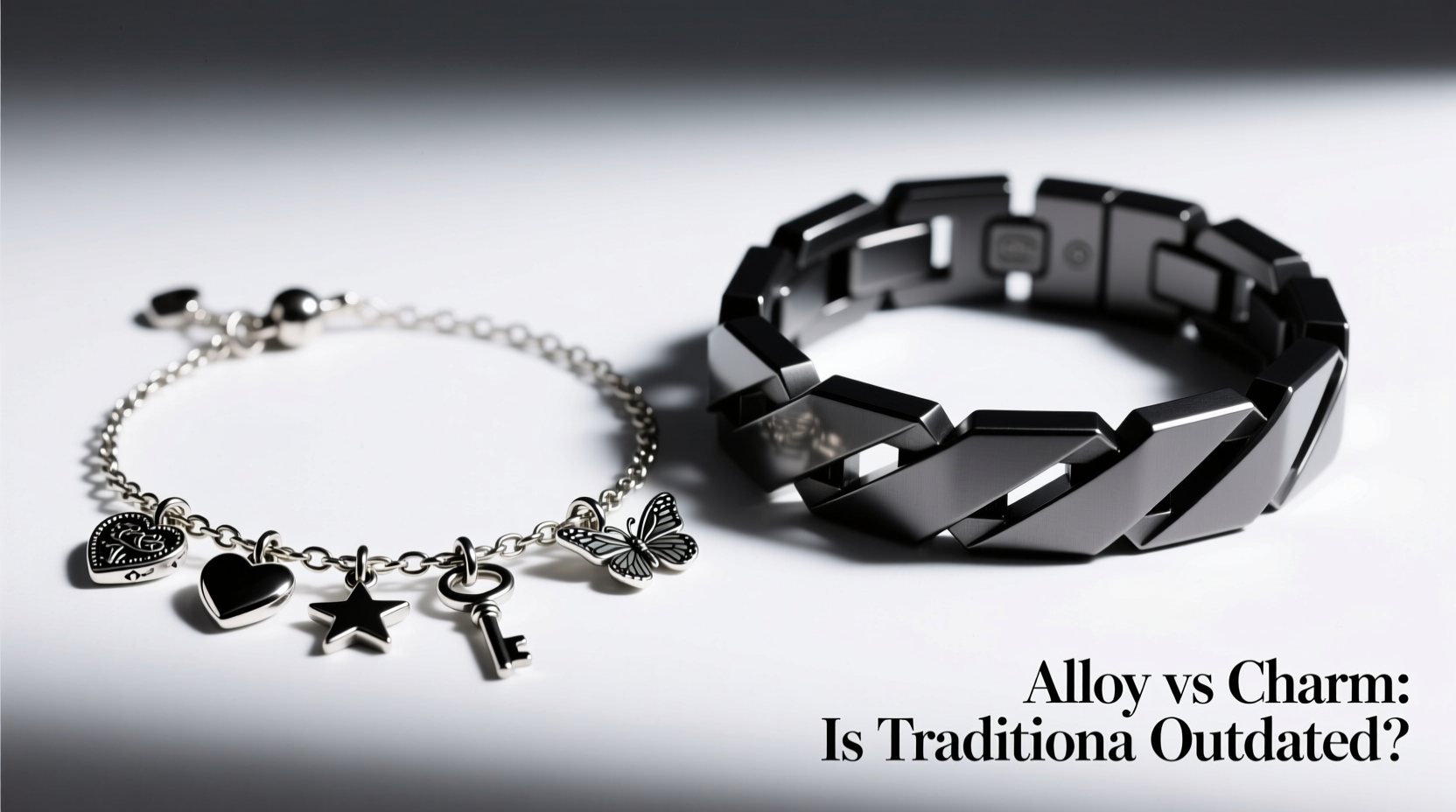
Charm bracelets have a storied history dating back to Victorian times, where they were worn as talismans and markers of personal milestones. In the 20th century, particularly during the 1980s and early 2000s, brands like Pandora popularized customizable silver and gold charm bracelets, turning them into symbols of identity, memory, and emotional connection. Each charm—a heart for love, a globe for travel, a graduation cap for achievement—became a wearable story.
However, by the late 2010s, sales began to plateau. Critics labeled them “overdone,” citing cluttered designs and high price points. Social media trends shifted toward minimalist aesthetics, favoring delicate chains and stackable rings over statement pieces. Yet, despite these challenges, charm bracelets never truly disappeared. Instead, they’ve undergone a quiet renaissance—smaller charms, gender-neutral designs, and sustainable materials are breathing new life into the format.
“Personalization will always have emotional currency. The charm bracelet isn’t dead—it’s adapting.” — Lila Nguyen, Jewelry Historian & Curator at the Modern Adornment ArchiveTip: If you own a vintage or inherited charm bracelet, consider resetting it with fewer, curated charms for a modern, intentional look.
Alloy Jewelry: The Rise of Affordable Aesthetics
Alloy bracelets—typically made from mixed metals such as zinc, copper, nickel, or brass—are often celebrated for their versatility and low cost. These pieces dominate online marketplaces and fast-fashion retailers, offering trendy styles at accessible price points. Whether it's a chunky geometric cuff, a layered chain set, or an engraved bangle, alloy jewelry allows wearers to experiment with bold looks without financial commitment.
But affordability comes with trade-offs. Many alloy bracelets lack durability, especially when exposed to moisture, sweat, or chemicals. Tarnishing, discoloration (such as green skin marks), and breakage are common complaints. Still, for those who prioritize variety and trend responsiveness over longevity, alloy remains a compelling option.
The real strength of alloy jewelry lies in its ability to mirror high-end runway styles almost instantly. Designers release seasonal collections; within weeks, nearly identical alloy versions appear on e-commerce platforms. This rapid turnaround fuels consumer engagement and supports the idea that jewelry can be “seasonal” rather than permanent.
Comparative Breakdown: Charm vs Alloy Bracelets
| Feature | Charm Bracelets | Alloy Bracelets |
|---|---|---|
| Material Quality | Typically sterling silver, gold, or platinum; higher intrinsic value | Mixed base metals; prone to tarnish and wear |
| Lifespan | Years to decades with proper care; heirloom potential | Months to a few years; often disposable |
| Customization | High—charms reflect personal stories and milestones | Low to moderate—limited personalization options |
| Style Flexibility | Can become bulky; harder to pair with other wristwear | Lightweight, stackable, easy to mix and match |
| Average Cost | $50–$300+ for base bracelet; charms sold separately | $5–$30 per piece |
| Sustainability | Higher if well-maintained; recyclable precious metals | Lower due to frequent replacement and non-recyclable blends |
Real-World Example: Emma’s Jewelry Journey
Emma, a 29-year-old graphic designer, received her first Pandora bracelet at age 16—a gift from her grandmother marking her confirmation. Over the years, she added charms for college graduation, her first job, and a solo trip to Japan. By 2021, the bracelet had become heavy and tangled with overlapping pendants. She stopped wearing it regularly, feeling it looked outdated among her minimalist wardrobe.
Instead, she turned to Instagram-favorite alloy brands, buying multiple thin bangles and signet cuffs. They were stylish, lightweight, and perfect for photo shoots and casual outings. But within a year, three pieces had broken, and two left green marks on her skin. Disappointed, she revisited her charm bracelet, removed half the charms, and paired it with a simple alloy chain. The result was balanced: meaningful yet modern.
Emma’s experience reflects a growing trend—not choosing one over the other, but blending both types intentionally.
How to Build a Balanced Bracelet Wardrobe
Rather than treating charm and alloy bracelets as competitors, consider integrating both into a cohesive accessory strategy. Here’s how:
- Use charm bracelets for emotional significance – Reserve them for core memories, family connections, or milestones worth preserving.
- Leverage alloy pieces for trend experimentation – Try bold shapes, colors, or cultural motifs without long-term investment.
- Layer mindfully – Combine one slim charm bracelet with 1–2 alloy chains for visual interest without clutter.
- Prioritize skin safety – Choose nickel-free alloy options or apply clear nail polish inside the band to prevent reactions.
- Rotate seasonally – Store delicate charms safely while wearing weather-resistant alloy cuffs in summer or winter.
FAQ: Common Questions About Charm and Alloy Bracelets
Are charm bracelets still in style in 2024?
Yes, but in evolved forms. Minimalist charm bracelets with 2–3 meaningful pendants are trending, especially in recycled silver or ethical gold. The key is curation—fewer charms, stronger storytelling.
Is alloy jewelry safe to wear every day?
It depends on the alloy composition. Hypoallergenic alloys (like surgical steel or titanium mixes) are safer for daily wear. Avoid cheap alloys containing high nickel levels, especially if you have sensitive skin.
Can I upgrade my alloy bracelet into something more permanent?
Absolutely. Many jewelers offer remake services—taking your favorite alloy design and recreating it in solid silver or gold. This bridges the gap between inspiration and investment.
Action Checklist: Choosing What Works for You
- ☐ Assess your lifestyle: Do you need durable, low-maintenance pieces?
- ☐ Identify emotional priorities: Are you drawn to symbolic, lasting jewelry?
- ☐ Set a budget: Decide how much you’re willing to spend on temporary vs. permanent pieces.
- ☐ Test for allergies: Wear a small alloy item for 24 hours to check skin reaction.
- ☐ Audit your current collection: Can old charm bracelets be simplified or repurposed?
- ☐ Plan layering combinations: Mix one meaningful piece with one trendy accent.
Conclusion: Beyond Fads—Choosing Meaning Over Momentum
The question isn’t whether charm bracelets are outdated or alloy jewelry is a passing fad. It’s about recognizing that both have space in a thoughtful wardrobe. Charm bracelets endure because they carry narrative weight—they’re not merely accessories, but archives of a life lived. Alloy bracelets thrive because they democratize style, making fashion experimentation accessible to all.
The most stylish individuals don’t follow trends blindly; they curate with intention. Whether you choose a hand-selected charm representing a pivotal moment or an edgy alloy cuff inspired by a runway show, what matters is alignment with your identity and values.
💬 What does your bracelet say about you? Share your favorite piece—the one with meaning, memory, or magic—and inspire others to wear their stories with pride.








