Types of Waterproof Doorbell Buttons
A waterproof doorbell button is an essential component of modern home entry systems, engineered to withstand rain, snow, dust, and extreme temperatures while maintaining reliable performance. These devices are crucial for both residential and commercial properties, ensuring consistent operation in all weather conditions. Most are rated to at least IP65 standards, meaning they are dust-tight and protected against low-pressure water jets from any direction.
Waterproof doorbell buttons come in various types based on power source, connectivity, and smart features. Choosing the right one depends on your home’s infrastructure, security needs, and technological preferences.
Wired Waterproof Doorbell Buttons
Connected directly to your home’s electrical system, wired doorbell buttons receive continuous power without relying on batteries.
Advantages
- Reliable, uninterrupted power supply
- Stable signal transmission over long distances
- No need for battery replacements
- Ideal for large homes or multi-unit buildings
Limitations
- Requires professional installation in most cases
- Harder to relocate once installed
- May require wall drilling and wiring modifications
Best for: Permanent installations, homes with existing doorbell wiring, larger properties
Wireless Waterproof Doorbell Buttons
These operate using radio frequency (RF) or Bluetooth to communicate with a receiver or chime unit, eliminating the need for hardwiring.
Advantages
- Easy DIY installation – no electrician needed
- Portable and repositionable
- Minimal wall damage during setup
- Cost-effective for renters or temporary setups
Limitations
- Requires periodic battery replacement or charging
- Signal range may be limited by walls or interference
- Battery life varies with usage and climate
Best for: Rental units, older homes without wiring, quick installations
Wi-Fi Smart Doorbell Buttons
These advanced models connect to your home Wi-Fi network, enabling smartphone notifications, video integration, and two-way audio.
Advantages
- Remote access via mobile apps (iOS/Android)
- Integration with smart home systems (Alexa, Google Home, etc.)
- Real-time alerts and visitor monitoring
- Modern, sleek designs with customizable features
Limitations
- Dependent on stable internet connection
- Higher initial cost
- May require subscription for full features (e.g., cloud storage)
Best for: Tech-savvy homeowners, smart homes, enhanced security monitoring
Battery & Rechargeable Options
Power solutions vary across wireless and Wi-Fi models, including disposable batteries, rechargeable units, and solar-assisted charging.
Advantages
- Rechargeable models reduce long-term battery waste
- Solar-powered variants offer sustainable energy use
- Easy battery access in most designs
- Solar charging extends battery life significantly in sunny climates
Limitations
- Solar models require adequate sunlight exposure
- Batteries may degrade in extreme cold
- Need for regular maintenance checks
Best for: Eco-conscious users, homes with limited wiring access, off-grid or remote locations
| Type | Power Source | Installation | Smart Features | Best Use Case |
|---|---|---|---|---|
| Wired | Home electrical system | Professional recommended | Limited | Permanent setups, large homes |
| Wireless | Battery (AA/AAA) | DIY-friendly | Basic connectivity | Rentals, quick installs |
| Wi-Fi Smart | Battery or USB rechargeable | Moderate (app setup required) | Full smart integration, video, alerts | Smart homes, security-focused users |
| Rechargeable/Solar | Rechargeable battery + solar option | Easy (with sunlight access) | Varies (often smart-capable) | Eco-friendly setups, sunny climates |
Expert Tip: For Wi-Fi doorbell buttons, ensure your router signal is strong at the front door. Consider using a Wi-Fi extender if you experience connectivity issues. Also, apply a small bead of silicone sealant around the mounting screws to enhance water resistance beyond the standard IP rating.
Durability and Materials for Waterproof Doorbell Button
Waterproof doorbell buttons are essential components of both traditional and smart home systems, enduring constant exposure to environmental stressors such as rain, snow, UV radiation, and extreme temperature fluctuations. The choice of materials directly impacts the button’s longevity, performance, aesthetic appeal, and resistance to wear and corrosion. Selecting the right material ensures reliable operation, minimal maintenance, and visual harmony with your home’s exterior design.
Key Materials Used in Waterproof Doorbell Buttons
Plastics
Plastic remains one of the most widely used materials for doorbell buttons due to its versatility, cost-effectiveness, and ease of manufacturing. High-performance plastics like ABS (acrylonitrile butadiene styrene) and polycarbonate offer excellent structural rigidity, impact resistance, and thermal stability—making them ideal for outdoor use.
ABS is particularly valued for its durability and resistance to physical impacts, commonly used in standard wired doorbells. Polycarbonate, while slightly more expensive, provides superior strength and optical clarity, often found in premium or smart doorbell models. It also demonstrates better resistance to extreme heat and cold.
A major concern with plastics is UV degradation over time, which can lead to fading, discoloration, or brittleness. However, modern UV-stabilized plastics are engineered to withstand prolonged sun exposure, significantly extending service life. With proper formulation, plastic doorbell buttons can last 5–10 years or more in harsh climates.
Metals
Metal doorbell buttons—typically made from stainless steel, zinc alloy, or aluminum—offer a premium look and exceptional durability. These materials are naturally resistant to corrosion, rust, and temperature extremes, making them ideal for waterproof applications in coastal, humid, or cold environments.
Stainless steel is especially popular for its sleek appearance, high tensile strength, and long-term resilience. Zinc alloy, often used in die-cast buttons, allows for intricate designs while maintaining structural integrity and weather resistance. Metal buttons also provide a satisfying tactile response and a luxurious feel that enhances curb appeal.
While more expensive than plastic alternatives, metal buttons require minimal maintenance and are less prone to scratching or warping. They are frequently used in high-end homes, commercial buildings, and smart doorbell systems where aesthetics and reliability are equally important.
Glass
Glass doorbell buttons, particularly those integrated into Wi-Fi-enabled smart doorbells, deliver a modern, minimalist aesthetic that complements contemporary architecture. Most use tempered glass, which is up to five times stronger than standard glass and highly resistant to scratches, thermal shock, and mechanical stress.
The smooth surface of glass is easy to clean and resists dirt accumulation, making it both hygienic and visually appealing. To enhance functionality, many glass buttons are treated with anti-fingerprint coatings or feature frosted or painted finishes to conceal smudges and internal components.
While glass is inherently waterproof and non-porous, its main drawback is vulnerability to impact damage if struck with significant force. However, when properly mounted and protected within a robust housing, tempered glass provides excellent long-term performance and a high-tech appearance.
Ceramics
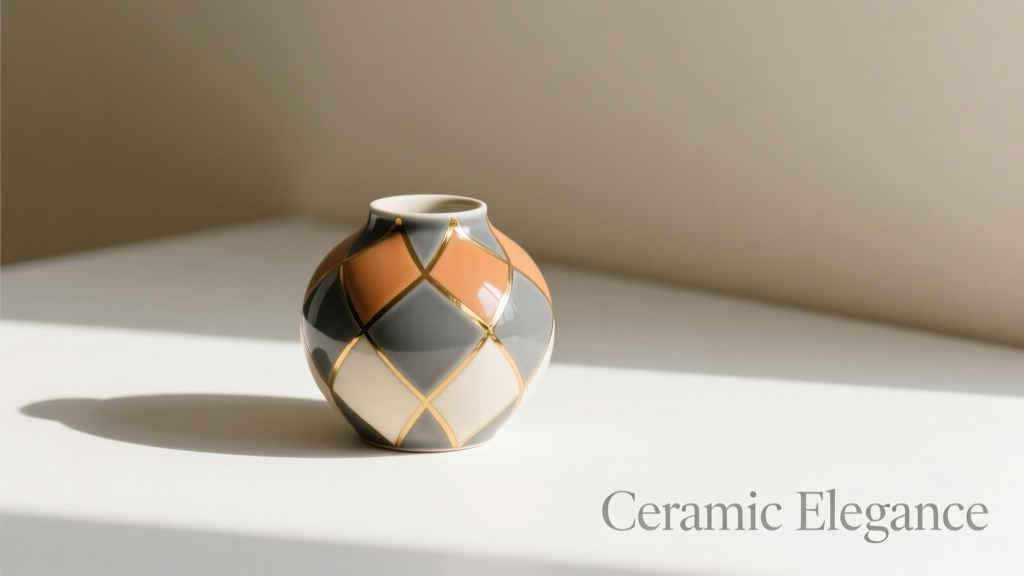
Ceramic doorbell buttons are less common but offer unique decorative value, often featuring handcrafted designs, custom glazing, or artistic patterns. These buttons are typically used in heritage homes, boutique properties, or as personalized design elements.
High-fired ceramics are naturally weather-resistant and can withstand moisture, UV exposure, and temperature changes without degrading. A waterproof sealant or glaze is applied during manufacturing to protect internal wiring and prevent water ingress.
While durable under normal conditions, ceramic is more brittle than other materials and can chip or crack if subjected to physical impact. Proper installation and placement—away from high-traffic or vulnerable areas—are crucial to maintaining integrity. Despite higher costs and fragility, ceramic buttons remain a sought-after choice for homeowners seeking distinctive, long-lasting design statements.
| Material | Durability | Weather Resistance | Aesthetic Appeal | Best For |
|---|---|---|---|---|
| Plastic (ABS/Polycarbonate) | Medium to High | High (with UV protection) | Medium | Budget-friendly installations, modern smart doorbells |
| Stainless Steel / Metal Alloys | Very High |
| Excellent | High | Luxury homes, coastal areas, commercial use | ||
| Tempered Glass | High | Excellent | Very High | Modern homes, smart doorbell systems |
| Ceramic | Medium (impact-sensitive) | High | Very High (custom designs) | Artistic installations, heritage properties |
Material Selection Tips
Important: Never install a doorbell button without verifying its waterproof rating and compatibility with outdoor conditions. Poor material choices or inadequate sealing can lead to electrical faults, short circuits, or premature failure. Always follow manufacturer guidelines for installation and maintenance to ensure safety and optimal performance.
Scenarios for Waterproof Doorbell Buttons
Waterproof doorbell buttons are engineered to deliver reliable performance in diverse environments, from everyday residential use to demanding commercial and temporary applications. Their resistance to moisture, dust, and temperature fluctuations makes them ideal for both indoor and outdoor installations. Whether enhancing home security or streamlining communication in high-traffic areas, these durable devices ensure consistent operation regardless of weather conditions.
Residential Homes
Virtually every home has an entry point, making it the perfect location for a wireless waterproof doorbell button. These buttons are especially valuable in regions with unpredictable or harsh weather, such as heavy rain, snow, or high humidity. Designed to function flawlessly in wet conditions, they allow visitors to signal their presence at any time, ensuring no guest goes unnoticed.
- Operates reliably in extreme temperatures (-20°C to 60°C) and all seasons
- Many models include video intercom, two-way audio, and night vision for enhanced security
- Easy retrofitting on existing door frames without complex wiring
- Available with customizable chimes and smartphone notifications for convenience
Key benefit: Provides peace of mind by maintaining connectivity even during storms or freezing conditions.
Rental and Vacation Properties
Waterproof doorbell buttons are widely used in short-term rentals, vacation homes, and coastal properties where exposure to salt air, rain, and sand can damage standard electronics. These durable buttons enable guests and maintenance staff to contact property managers quickly and efficiently, improving response times and guest satisfaction.
- Wireless and battery-powered options eliminate the need for permanent electrical connections
- Ideal for Airbnb, VRBO, or beachfront cabins where frequent guest turnover occurs
- Integrates with smart locks and access control systems for keyless entry coordination
- Resistant to vandalism and wear from high guest traffic
Pro tip: Pair with a mobile app to send real-time alerts to property managers offsite.
Commercial Settings
In industrial and business environments—such as office buildings, retail stores, warehouses, and medical facilities—waterproof doorbell buttons enhance customer service, security, and operational efficiency. Installed at main entrances, service doors, or loading docks, they alert staff to arriving visitors, delivery personnel, or contractors.
- Supports long-range wireless transmission (up to 300 meters in open areas)
- Compatible with loud, multi-zone chimes audible across large facilities
- Heavy-duty construction withstands frequent use and accidental impacts
- Can be linked to multiple receivers or integrated into building management systems
Critical advantage: Ensures uninterrupted communication in environments where wired systems may fail due to moisture or corrosion.
Mobile or Temporary Installations
Waterproof doorbell buttons are ideal for temporary or mobile setups such as construction sites, pop-up shops, event venues, and portable offices. Their wireless design allows for quick, tool-free installation and easy relocation as needs change.
- Perfect for notifying site supervisors of deliveries, inspections, or visitor arrivals
- Weather-resistant housing protects against dust, rain, and UV degradation
- Battery-powered with low-energy consumption (some models last over a year)
- Sleek, modern designs blend well with temporary structures and public-facing spaces
Use case: Deploy at festival entrances or food truck parks to manage guest flow discreetly and efficiently.
Smart Home Integration
Wi-Fi-enabled waterproof doorbell buttons are central components of modern smart home ecosystems. Often part of video doorbell systems, they allow homeowners to see, hear, and speak with visitors remotely via smartphone or tablet—anytime, anywhere. Advanced features like motion detection, cloud storage, and AI-powered person recognition enhance both convenience and security.
- Real-time push notifications when motion is detected, even if the button isn’t pressed
- Two-way audio lets users communicate with visitors without opening the door
- Integration with platforms like Google Home, Amazon Alexa, and Apple HomeKit
- Encrypted data transmission ensures privacy and protection against hacking
Tech insight: Smart waterproof buttons reduce false alarms with intelligent motion zoning and daylight sensing.
Environmental & Durability Advantages
Beyond specific applications, the inherent durability of waterproof doorbell buttons makes them superior to standard models in challenging conditions. Built to IP65 or higher ratings, they resist water jets, dust ingress, and corrosion—making them suitable for coastal, mountainous, or industrial zones.
- Sealed enclosures prevent moisture and insect intrusion
- UV-stabilized materials resist fading and cracking under prolonged sun exposure
- Stainless steel or reinforced polymer housings resist tampering and impact
- Wide operating voltage range ensures compatibility with solar-powered systems
Long-term value: Reduced maintenance and replacement costs due to extended lifespan in harsh environments.
Professional Recommendation: When selecting a waterproof doorbell button, prioritize models with IP65 or IP67 ratings, strong encryption for smart models, and proven compatibility with existing home or business systems. For rental properties and commercial sites, consider devices with remote monitoring and audit trail capabilities to improve accountability and responsiveness.
| Application | Recommended Features | Power Source | Lifespan (Typical) |
|---|---|---|---|
| Residential Homes | Video intercom, smartphone alerts, night vision | Battery or hardwired | 5–7 years |
| Rental/Vacation Properties | Wireless, app integration, vandal-resistant | Battery (replaceable) | 4–6 years |
| Commercial Buildings | Long-range signal, multi-receiver support, loud chime | Hardwired or PoE | 7–10 years |
| Temporary/Mobile Sites | Portable, magnetic mount, quick setup | Battery or solar-assisted | 3–5 years |
| Smart Home Systems | Wi-Fi, motion detection, cloud storage | Battery or USB-C rechargeable | 5–8 years |
Additional Considerations
- Installation Flexibility: Many waterproof buttons support adhesive, screw, or magnetic mounting for versatile placement.
- Customization: Choose from various finishes (brushed metal, black, white) to match architectural aesthetics.
- Accessibility: Large, illuminated buttons assist elderly or visually impaired users.
- Security: Tamper-resistant designs with alert triggers if removed or damaged.
- Sustainability: Solar-compatible and energy-efficient models reduce environmental impact.
How to Choose the Best Waterproof Doorbell Button
Selecting the right waterproof doorbell button is essential for ensuring reliable performance, long-term durability, and seamless integration with your home’s aesthetics and technology. Whether you're installing a new system or upgrading an existing one, understanding the key features and specifications will help you make an informed decision. This guide explores the most important factors—ranging from power options and connectivity to design and smart home integration—to help you choose a doorbell button that suits your environment, usage needs, and lifestyle.
Important Note: A truly waterproof doorbell button should have at least an IP65 rating or higher, ensuring protection against dust and water jets from any direction. Always verify the ingress protection (IP) rating before purchasing, especially if the unit will be exposed to harsh weather conditions like heavy rain, snow, or direct sunlight.
Key Factors to Consider When Choosing a Waterproof Doorbell Button
- Wired vs. Wireless vs. Wi-Fi Connectivity
The type of connection determines how your doorbell functions, its reliability, and ease of installation:
- Wired Doorbells: These are directly connected to your home’s electrical system and offer consistent, uninterrupted power. Ideal for larger homes or commercial buildings, they are highly reliable but require professional installation and are less flexible for repositioning.
- Wireless Doorbells: Powered by batteries, these are easy to install and can be mounted almost anywhere without drilling or wiring. They are perfect for renters or homes with thick walls where running wires is impractical. However, they require periodic battery replacements.
- Wi-Fi Enabled Doorbells: These smart doorbells connect to your home network, allowing remote notifications, live video streaming, two-way audio, and integration with mobile apps. They often come with additional features like motion detection and cloud storage, making them ideal for tech-savvy homeowners seeking enhanced security and convenience.
TIP: If you want smart features without rewiring, consider a wireless Wi-Fi doorbell with a built-in camera—it combines the flexibility of battery power with advanced connectivity.
- Design and Aesthetic Appeal
Your doorbell is one of the first things visitors notice, so its appearance should complement your home’s exterior. Modern waterproof doorbell buttons come in a wide range of styles and finishes:
- Contemporary designs feature sleek glass panels, minimalist metal casings, and LED indicators for a high-tech look.
- Traditional or vintage-style buttons use brass, copper, or brushed nickel finishes to match classic architecture.
- Some models offer customizable faceplates or color options to blend with your front door or house trim.
Beyond aesthetics, ensure the button is clearly visible and easy to press—especially for children, elderly visitors, or those with limited mobility. Look for models with illuminated rings or backlit buttons for improved visibility at night.
- Battery Life and Power Options
For wireless and Wi-Fi models, power efficiency is crucial:
- Most battery-powered doorbells use standard AA or AAA batteries and can last 6–12 months depending on usage.
- Rechargeable lithium-ion models eliminate the need for frequent battery changes and are often charged via USB or removable battery packs.
- Solar-powered options are eco-friendly and ideal for sunny locations. They typically include a solar panel that charges the internal battery during daylight, significantly extending operational life.
Check whether the battery compartment is sealed properly to maintain waterproof integrity and whether the battery level can be monitored through an app (for smart models).
- Installation and Maintenance
Installation complexity varies significantly between types:
- Wired models require connecting to existing doorbell wiring and may need a transformer check to ensure compatibility (typically 16–24V AC).
- Wireless and Wi-Fi models usually mount with screws or adhesive strips and are powered by batteries—many can be installed in under 15 minutes with basic tools.
- Some smart doorbells include peephole adapters or retrofit kits to work with existing wired systems, offering a hybrid solution.
Maintenance includes checking battery levels, cleaning the button surface to prevent dirt buildup, and ensuring the seal remains intact to preserve waterproofing. Smart models often send low-battery alerts, simplifying upkeep.
- Smart Home Compatibility and Advanced Features
If you already use a smart home ecosystem, choose a doorbell that integrates seamlessly:
- Wi-Fi doorbells often support voice assistants like Amazon Alexa, Google Assistant, and Apple HomeKit, allowing voice-activated monitoring and control.
- Look for features such as real-time alerts, HD video, night vision, motion zones, and two-way communication for maximum security.
- Some models offer facial recognition or package detection, sending specific alerts when deliveries are made.
- Cloud or local storage options let you review footage of visitors even when you're away.
Note: Not all waterproof doorbell buttons are “smart.” Traditional wired or basic wireless models may only trigger a chime without digital features. Be sure to confirm functionality before purchase.
| Feature | Wired | Wireless | Wi-Fi / Smart |
|---|---|---|---|
| Power Source | Home electrical system | Batteries (AA/AAA) | Rechargeable battery or solar |
| Installation Difficulty | High (requires wiring) | Low (screws/adhesive) | Medium (mounting + app setup) |
| Lifespan & Durability | Long (with proper wiring) | Medium (battery-dependent) | High (with maintenance) |
| Smart Features | Limited or none | Basic chime only | Video, alerts, AI detection |
| Best For | Permanent installations, large homes | Rentals, quick setup | Smart homes, security-focused users |
Expert Tip: When installing a Wi-Fi doorbell, ensure your router has strong outdoor signal coverage. If not, consider using a Wi-Fi extender or mesh network to maintain a stable connection and avoid missed alerts or video buffering.
Final Recommendations
- Always check the IP rating—IP65 or higher is recommended for full weather resistance.
- For renters or temporary setups, choose a wireless model with easy mounting and no permanent modifications.
- Homeowners seeking security and convenience should invest in a Wi-Fi smart doorbell with video and app integration.
- Consider solar-powered options to reduce battery waste and maintenance.
- Test the chime volume and alert settings to ensure they’re audible throughout your home.
- Regularly clean the button surface and inspect seals to maintain waterproof performance over time.
Choosing the right waterproof doorbell button comes down to balancing functionality, durability, and design. Whether you prioritize simplicity, aesthetics, or cutting-edge smart technology, there’s a model that fits your needs. By evaluating your environment, usage patterns, and home automation setup, you can select a doorbell that enhances both convenience and curb appeal for years to come.
Frequently Asked Questions About Waterproof Doorbell Buttons
Q1: Why should waterproof doorbell buttons be considered an option?Waterproof doorbell buttons are essential for ensuring reliable operation in outdoor environments exposed to harsh weather conditions. Designed with sealed enclosures and durable materials, these buttons resist moisture, dust, snow, and temperature extremes—common challenges that can impair standard doorbell functionality.
For both residential and commercial properties, especially those in regions with heavy rainfall, coastal humidity, or freezing winters, waterproof doorbells offer consistent performance and extended lifespan. They reduce maintenance needs and prevent frequent replacements, making them a cost-effective and dependable long-term solution.
- All-Weather Reliability: Operates seamlessly during rainstorms, snowfall, and high humidity.
- Durability: Constructed from UV-resistant plastics or stainless steel to prevent cracking, fading, or corrosion.
- Low Maintenance: Fewer failures mean less need for repairs or part replacements.
- Improved User Experience: Visitors can always reach occupants, improving security and convenience.
The Ingress Protection (IP) rating is a standardized system that defines the level of protection a device has against solid particles (like dust) and liquids (such as water). For outdoor electronics like doorbell buttons, this rating is crucial in determining suitability for specific environments.
An IP rating consists of two digits: the first indicates dust and solid object protection (0–6), and the second represents water resistance (0–9). Higher numbers mean greater protection. For example:
| IP Rating | Solid Particle Protection | Liquid Ingress Protection | Recommended Use |
|---|---|---|---|
| IP54 | Limited dust ingress (dust protected) | Protected against splashing water from any direction | Sheltered outdoor areas |
| IP65 | Completely dust-tight | Protected against low-pressure water jets (6.3mm nozzle) | Exposed walls, patios, entryways |
| IP66 | Completely dust-tight | Protected against powerful water jets (12.5mm nozzle) | Coastal homes, industrial zones |
| IP67 | Completely dust-tight | Protected against temporary immersion (up to 1m for 30 minutes) | High-moisture or flood-prone areas |
To ensure optimal performance, always choose a waterproof doorbell button with an IP65 rating or higher for fully exposed outdoor installations.
Q3: How is the battery life of wireless or Wi-Fi doorbell buttons significant?Wireless and Wi-Fi doorbell buttons rely entirely on internal batteries for power, which directly impacts user convenience, maintenance frequency, and overall system reliability. Unlike wired models that draw continuous power from a circuit, battery-operated units require periodic recharging or replacement.
Several factors influence battery longevity:
- Battery Capacity: Measured in milliampere-hours (mAh), higher capacity batteries last longer between charges.
- Usage Frequency: Doorbells in busy households or commercial buildings trigger more often, draining power faster.
- Environmental Conditions: Cold temperatures reduce battery efficiency, particularly in lithium-based cells.
- Power-Saving Features: Modern models include sleep modes, motion detection optimization, and efficient LED signaling to minimize energy consumption.
- Connectivity Type: Wi-Fi models typically consume more power than RF-based wireless systems due to constant network communication.
High-quality wireless doorbells can last 6–18 months on a single charge or set of batteries. Look for models with low-battery alerts, easy access compartments, and rechargeable lithium-ion batteries for maximum convenience.
Q4: Are wired waterproof doorbell buttons better than wireless or Wi-Fi in performance?Wired and wireless waterproof doorbell buttons each have distinct advantages and trade-offs depending on installation needs, desired features, and performance expectations.
| Feature | Wired Waterproof Buttons | Wireless / Wi-Fi Buttons |
|---|---|---|
| Power Source | Continuous from home’s electrical system | Battery-powered (replaceable/rechargeable) |
| Signal Reliability | Consistent and uninterrupted | Potential interference from walls or networks |
| Installation Complexity | Requires running wires; best during construction or renovation | Simple DIY setup; no wiring needed |
| Lifetime Durability | Long-lasting with minimal maintenance | Dependent on battery and environmental exposure |
| Smart Features | Limited (basic chime integration) | Advanced (mobile alerts, video, app control) |
| Ideal For | Large homes, commercial buildings, permanent installations | Rentals, retrofitting, smart homes |
In terms of raw performance and reliability, wired waterproof buttons are superior due to constant power and stable signal transmission. However, wireless and Wi-Fi models excel in flexibility, smart integration, and ease of installation. The best choice depends on your priorities: long-term stability or modern convenience.
Q5: Do LED backlit buttons waste too much power?No, LED backlit doorbell buttons are highly energy efficient and do not significantly impact overall power consumption. LEDs (Light Emitting Diodes) use far less electricity than traditional lighting technologies like incandescent or fluorescent bulbs—often consuming up to 80–90% less energy.
Backlighting in doorbell buttons is typically designed with efficiency in mind:
- Low Power Draw: Most LED backlights consume less than 0.5 watts, making them ideal for battery-powered systems.
- Automatic Sensors: Many models include light sensors that activate the backlight only at night or in low-light conditions.
- Short Duration: Illumination often lasts just a few seconds after pressing or detecting motion, further conserving energy.
- Enhanced Visibility: Provides clear visibility in darkness, improving accessibility and security without compromising battery life.
In addition to being eco-friendly and cost-effective, LED-backlit buttons enhance usability for guests and delivery personnel after sunset. Their minimal power usage makes them a practical and sustainable feature in modern waterproof doorbell designs.