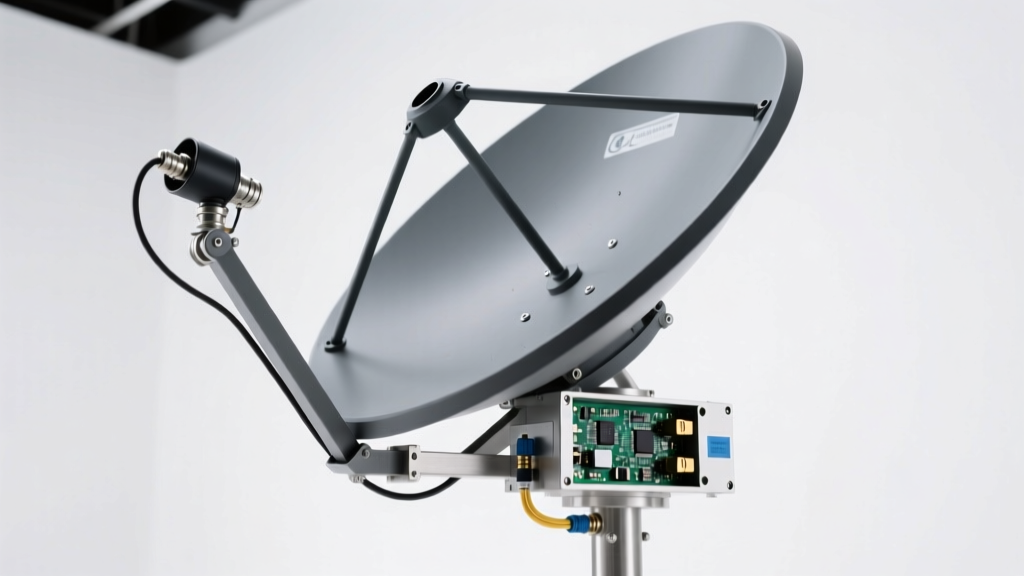
Types of Washer Motor Speed Sensor Electronic Components
A washer motor speed sensor is a critical electronic component in modern washing machines that monitors the rotational speed of the drum motor. Accurate speed data ensures optimal wash performance, efficient water and energy use, and prevents mechanical damage during spin cycles. These sensors provide real-time feedback to the control board, enabling precise regulation of motor operation across various wash programs.
Several types of electronic speed sensors are used in washing machines, each with distinct working principles, advantages, and ideal applications. Understanding these differences helps in selecting the right sensor for performance, durability, and cost-effectiveness.
Pulse Generator
Generates electrical pulses synchronized with motor rotation, providing direct speed feedback to the control system.
Advantages
- Simple and reliable signal output
- Cost-effective design
- Easy integration with control boards
- Good response time
Limitations
- May require mechanical coupling
- Limited precision at very low speeds
- Potential wear over time
Best for: Mid-range washers, basic speed monitoring, budget-friendly models
Magnetic Sensor
Uses magnetic field changes to detect motor rotation without physical contact, enabling non-invasive speed monitoring.
Advantages
- Contactless operation
- Low maintenance
- High reliability
- Resistant to dust and moisture
Limitations
- Sensitive to strong external magnetic fields
- Requires precise positioning
- May need shielding in electrically noisy environments
Best for: Residential and commercial washers, humid environments, long-life applications
Hall Effect Sensor
Leverages the Hall effect principle to measure magnetic field variations caused by rotating components, delivering precise digital speed signals.
Advantages
- High accuracy and repeatability
- No moving parts (solid-state design)
- Excellent durability and longevity
- Works well at low and high speeds
Limitations
- Higher cost than basic sensors
- Requires stable power supply
- May need signal conditioning circuitry
Best for: High-efficiency washers, smart appliances, precision control systems
Tachometer (Tachogenerator)
Generates a voltage proportional to motor shaft speed, providing an analog signal for continuous speed monitoring.
Advantages
- Direct analog output
- Simple signal interpretation
- Reliable in stable conditions
- Good for constant speed monitoring
Limitations
- Mechanical wear over time
- Less accurate at variable speeds
- Susceptible to electrical noise
Best for: Older or industrial washer models, fixed-speed operations, analog control systems
Optical Sensor
Measures speed by detecting interruptions in a light beam caused by a rotating slotted disk or reflective marker.
Advantages
- Extremely high accuracy
- Excellent resolution
- No contact with moving parts
- Ideal for variable speed detection
Limitations
- Sensitive to dirt, dust, and moisture
- Higher cost
- Requires clean installation environment
Best for: High-performance and smart washers, advanced wash cycles, precision engineering
| Sensor Type | Accuracy | Durability | Maintenance | Best Application |
|---|---|---|---|---|
| Pulse Generator | Good | Medium | Low | Budget and mid-tier washers |
| Magnetic Sensor | Good | High | Very Low | Residential & commercial units |
| Hall Effect Sensor | Excellent | Very High | Very Low | Smart and high-efficiency washers |
| Tachometer | Fair | Medium | Moderate | Industrial & older models |
| Optical Sensor | Excellent | High | Low (if kept clean) | Premium and high-performance washers |
Expert Tip: When replacing motor speed sensors, ensure compatibility with your washer’s control board. Hall effect and optical sensors often require specific voltage inputs and signal protocols—always refer to the manufacturer’s specifications before installation.
Choosing the right motor speed sensor involves balancing accuracy, durability, cost, and environmental resilience. While basic pulse generators and tachometers serve well in simpler machines, modern high-efficiency and smart washers increasingly rely on Hall effect and optical sensors for superior control and performance.
Durability and Materials for Washer Motor Speed Sensor Electronics Parts
The durability of a washer motor speed sensor is critical to the long-term performance and reliability of washing machines. As a key component in monitoring drum rotation speed, the sensor must withstand constant exposure to moisture, vibration, temperature fluctuations, and electrical stress. Understanding the materials used in its construction helps buyers make informed decisions about quality, longevity, and compatibility with their appliances.
Housing of the Sensor
ABS Plastic Housing
Acrylonitrile Butadiene Styrene (ABS) plastic is one of the most commonly used materials for sensor housings due to its excellent impact resistance, structural rigidity, and cost-effectiveness. It maintains integrity under mechanical stress and resists cracking during installation or operation. ABS also offers good dimensional stability, ensuring a tight fit within the appliance’s mounting system.
Polyurethane Protection
Polyurethane is often used in high-end or industrial-grade sensors for its superior shock absorption and flexibility. Unlike rigid plastics, polyurethane can dampen vibrations caused by the spinning drum, reducing internal stress on delicate electronics. Its resilience to abrasion and fatigue makes it ideal for environments with frequent mechanical shocks.
Internal Components
The internal circuitry of the washer motor speed sensor relies on precision-engineered materials to ensure accurate signal transmission and long-term reliability:
Wiring and Connectivity
The wiring system plays a crucial role in maintaining signal integrity and mechanical resilience:
Copper and Tinned Copper Wires
Standard copper wires provide excellent conductivity, while tinned copper adds a protective layer of tin that prevents oxidation and corrosion—especially important in humid environments. Tinning also improves solderability and extends wire life, making it a preferred choice in premium sensor assemblies.
Insulation Materials
Wires are typically insulated with either silicone or stainless steel braiding. Silicone insulation offers exceptional flexibility and heat resistance (up to 200°C), allowing the wire to remain functional even near hot components. Stainless steel shielding adds mechanical strength and protects against cuts, crushing, and rodent damage in exposed installations.
Seals and Gaskets
Moisture ingress is one of the leading causes of sensor failure. To combat this, manufacturers integrate high-quality seals and gaskets at critical junctions:
Protective Coatings
Advanced washer speed sensors often feature conformal coatings applied directly to the circuit board to enhance environmental protection:
Epoxy Resin Coating
Epoxy provides a hard, durable shell that resists moisture, dust, and minor physical impacts. It is particularly effective in preventing short circuits caused by condensation or spills. However, it can be difficult to repair once applied.
Polyurethane Coating
Polyurethane offers a balance between flexibility and protection. It adheres well to electronic components and remains effective under repeated thermal expansion and contraction. It also resists fungal growth and chemical exposure, making it ideal for humid climates.
| Component | Common Materials | Key Benefits |
|---|---|---|
| Housing | ABS Plastic, Polyurethane | Impact resistance, vibration damping, structural integrity |
| Internal Electronics | Copper, Silicon, Metal Alloys | High conductivity, thermal stability, EMI shielding |
| Wiring | Tinned Copper, Silicone/Steel Insulation | Corrosion resistance, flexibility, durability |
| Seals & Gaskets | Silicone, NBR, Rubber | Waterproofing, chemical resistance, long-term elasticity |
| Protective Coating | Epoxy Resin, Polyurethane | Moisture barrier, dust resistance, thermal cycling endurance |
Important: When replacing or upgrading a washer motor speed sensor, always verify material compatibility with your machine’s operating environment. Low-quality sensors may use inferior plastics, uncoated copper, or inadequate sealing, leading to premature failure. Opt for OEM or certified aftermarket parts that meet industry durability standards to ensure reliable performance and avoid repeated repairs.
How to Choose Washer Motor Speed Sensor Electronics Parts
Selecting the right motor speed sensor for a washing machine is crucial for ensuring optimal performance, energy efficiency, and long-term reliability. A high-quality speed sensor enables precise control of drum rotation, improves wash cycle accuracy, and prevents mechanical stress on the motor and transmission system. Understanding the key selection criteria helps buyers make informed decisions that enhance appliance longevity and user satisfaction.
Compatibility with Washer Model
Ensuring the motor speed sensor is fully compatible with your specific washing machine model is the most critical step in the selection process. Mismatched sensors can lead to communication errors, erratic drum behavior, or complete system failure.
- Always cross-reference the sensor using the washer’s model number, typically found on a label inside the door or on the back panel
- Consult the manufacturer’s service manual or use OEM part lookup tools to verify compatibility
- Universal or multi-fit sensors should only be used when explicitly confirmed as compatible through technical specifications
- Incompatible sensors may trigger error codes (e.g., "ND" or "tE") or cause unbalanced loads during spin cycles
Pro tip: Use barcode or QR code scanners on OEM packaging to verify authenticity and compatibility.
Type of Speed Sensor Technology
Different sensor technologies offer varying levels of precision, durability, and responsiveness. Understanding the type of sensor your washer uses ensures optimal performance and integration with the control board.
- Hall Effect Sensors: Most common in modern machines; use magnetic fields to detect rotor position and speed with high accuracy and no physical contact
- Optical Sensors: Use infrared light and a slotted disc to measure speed; highly accurate but sensitive to dust and moisture buildup
- Inductive/Magnetic Reluctance Sensors: Detect changes in magnetic fields as teeth on a rotor pass by; durable and cost-effective but less precise than Hall sensors
- Tachogenerators: Older technology that generates voltage proportional to motor speed; largely phased out due to wear and calibration issues
Key insight: Hall effect sensors are preferred for their reliability, long service life, and resistance to environmental factors.
Material Quality and Environmental Resistance
The internal components of a speed sensor must withstand constant exposure to moisture, vibration, temperature fluctuations, and electrical noise. High-quality materials ensure long-term reliability and consistent signal output.
- Look for sensors with ABS plastic housings that resist cracking and chemical corrosion from detergents and water
- Internal circuitry should feature epoxy potting to protect against humidity and condensation
- Connectors made from nickel-plated brass or phosphor bronze ensure stable electrical contact and prevent oxidation
- Sensors with IP67 or higher ingress protection ratings are ideal for wet environments
- Copper windings and silicon-based semiconductors provide stable performance across temperature ranges (-20°C to 85°C)
Technical note: Poor sealing or low-grade plastics can lead to internal corrosion and signal dropout over time.
Installation and Wiring Simplicity
A well-designed speed sensor should simplify replacement and minimize the risk of installation errors, especially for DIY users or field technicians.
- Choose sensors with plug-and-play connectors that match the original equipment to avoid splicing wires
- Integrated mounting brackets or alignment guides reduce installation time and ensure proper positioning
- Color-coded wiring and clear polarity markings prevent reverse connection issues
- Avoid sensors requiring soldering or custom harnesses unless you have technical expertise
- Compact designs fit easily in tight spaces without interfering with motor or drum movement
Time-saving tip: Opt for complete sensor assemblies that include mounting hardware and alignment tools.
Brand Reputation and Quality Assurance
Trusted manufacturers invest in rigorous testing and quality control to ensure their sensors meet or exceed OEM standards. Choosing a reputable brand reduces the risk of premature failure and costly repeat repairs.
- Leading brands like Samsung, LG, Whirlpool, Bosch, and GE produce sensors with precise calibration and long-term reliability
- Reputable aftermarket brands (e.g., OE, Four Seasons, or FAE) often supply parts to authorized service centers
- Look for certifications such as ISO 9001, CE, or RoHS compliance as indicators of quality manufacturing
- OEM-replacement sensors are tested for signal compatibility with original control boards
- Counterfeit or no-name brands may use inferior components that drift out of calibration
Smart choice: Check customer reviews and warranty terms—reputable brands often offer 1–2 year warranties.
Price vs. Long-Term Value
While cost is a consideration, it’s essential to evaluate the total value a sensor provides over its lifespan. A slightly higher upfront cost can lead to significant savings in durability and performance.
- Budget sensors ($8–$15): Suitable for temporary fixes or low-use machines; may lack proper sealing or calibration
- Mid-range sensors ($15–$25): Offer balanced performance and durability; often from reputable aftermarket brands
- Premium/OEM sensors ($25–$40): Provide exact specifications, superior materials, and longer service life
- Consider the cost per wash cycle—a $30 sensor lasting 5 years is more economical than two $12 sensors lasting 1.5 years each
- Poor-quality sensors can cause additional damage to the motor or control board, increasing repair costs
Value insight: Investing in a high-quality sensor reduces downtime and ensures consistent washing performance.
Professional Recommendation: For most consumers, a mid-tier OEM-equivalent sensor from a trusted brand offers the best balance of reliability, compatibility, and value. Always verify the part number before purchase and inspect the packaging for authenticity markers. If replacing the sensor yourself, disconnect power and follow safety guidelines to avoid electrical hazards. When in doubt, consult a certified technician or refer to the appliance’s service manual.
| Sensor Type | Accuracy Level | Lifespan (Avg) | Best For | Price Range |
|---|---|---|---|---|
| Hall Effect | High | 5–7 years | Modern front-load & high-efficiency washers | $20–$40 |
| Optical | Very High | 4–6 years | Precision-controlled models (sensitive to dirt) | $25–$45 |
| Inductive/Magnetic | Moderate | 3–5 years | Top-load and budget models | $10–$20 |
| Tachogenerator (Legacy) | Low to Moderate | 2–4 years | Older machines (phased out in new models) | $8–$18 |
Additional Considerations
- Signal Output Type: Ensure the sensor outputs the correct signal (analog, digital, or pulse width modulated) compatible with your washer’s control board
- Warranty Coverage: Reputable brands offer 1–2 year warranties, reflecting confidence in product reliability
- EMI Resistance: High-quality sensors include shielding to prevent electromagnetic interference from motors or power supplies
- Calibration: Factory-calibrated sensors eliminate the need for manual tuning after installation
- Environmental Compliance: Look for RoHS and REACH-compliant parts, especially in regions with strict environmental regulations
Washer Motor Speed Sensor: What It Replaces, DIY Tips, and Commercial Applications
The washer motor speed sensor is a critical component in modern washing machines, responsible for monitoring the motor's rotational speed and relaying real-time data to the control board. This ensures precise cycle execution, optimal performance, and early fault detection. Understanding its role, replacement value, and applications in both DIY and commercial settings can help extend appliance life and improve efficiency.
Important Note: Always disconnect the washing machine from power before inspecting or replacing the motor speed sensor. Failure to do so may result in electrical shock or damage to the control system.
What the Washer Motor Speed Sensor Replaces
As a sophisticated electronic component, the motor speed sensor has effectively replaced or minimized the need for several older mechanical systems and manual interventions. Here’s how it modernizes traditional washing machine operations:
- Tachometer Systems: The speed sensor performs the same function as a mechanical tachometer—measuring motor RPM—but with far greater precision. Unlike analog tachometers, which can drift or degrade over time, digital speed sensors provide consistent, real-time feedback. This accuracy prevents issues like incomplete spin cycles or improper water extraction, ensuring clothes are dried effectively during the spin phase.
- Ruptured Bearings and Mechanical Failures: By continuously monitoring motor speed, the sensor can detect irregularities such as sudden drops or fluctuations in RPM. These anomalies often indicate bearing wear or imbalance. Early detection allows users to address minor issues before they escalate into costly bearing failures or motor damage, significantly reducing repair expenses and downtime.
- Manual Speed Adjustments and Control Board Overloads: In older machines, motor speed was often fixed or required manual input. The speed sensor works in tandem with the control board to automatically adjust motor speed based on load, fabric type, and cycle phase. This eliminates the need for user intervention and reduces strain on the control system by enabling closed-loop feedback, enhancing both safety and performance.
DIY Uses and Benefits
For home users and DIY enthusiasts, the washer motor speed sensor offers a range of practical advantages that empower self-reliance and smarter maintenance:
- Easy Installation and Replacement: Most modern speed sensors are designed for straightforward replacement. They often come with plug-and-play connectors and require only basic tools (such as screwdrivers and wrenches), making them accessible for homeowners with minimal technical experience.
- Quick Diagnostics: When a washer displays error codes (e.g., "SC" or "F05" on certain brands), the speed sensor is frequently the culprit. DIYers can use multimeters to test sensor continuity or resistance, helping pinpoint issues without professional assistance.
- Preventive Maintenance: Regular monitoring of sensor performance allows users to catch developing problems early. For example, inconsistent spin speeds or delayed cycle progression may signal a failing sensor before complete failure occurs.
- Cost-Efficient Repairs: Identifying and replacing a faulty speed sensor early (typically costing $20–$50) can prevent more expensive repairs such as motor burnout or control board replacement, which can exceed $200.
- Improved Efficiency: A properly functioning sensor ensures accurate motor control, leading to optimized wash cycles, reduced energy consumption, and faster processing times. This translates into lower utility bills and gentler treatment of fabrics.
- Extended Appliance Lifespan: By preventing motor overload and ensuring balanced operation, the sensor reduces mechanical stress on internal components, thereby extending the overall life of the washing machine.
Commercial and Industrial Applications
In commercial and industrial environments, where uptime and consistency are critical, the motor speed sensor plays an even more vital role:
- Laundry Service Efficiency: Hotels, hospitals, and laundromats rely on uninterrupted operations. Speed sensors enable rapid diagnostics, minimizing downtime and ensuring machines return to service quickly after maintenance.
- Fleet Management and Predictive Maintenance: Large facilities with multiple washers can integrate sensor data into monitoring systems. Real-time performance tracking allows managers to schedule maintenance proactively, avoiding unexpected breakdowns and maintaining consistent service quality for customers.
- Industrial Washing Systems: In manufacturing or food processing plants, heavy-duty washers handle large volumes of soiled materials. Speed sensors ensure these machines operate at peak efficiency under high loads, maintaining cycle integrity and safety standards.
- Energy and Cost Savings: Accurate motor speed control reduces unnecessary energy consumption. Faster, more efficient cycles mean higher throughput with lower operating costs—critical for businesses aiming to improve profitability and sustainability.
- Consistent Wash Quality: Uniform spin and agitation speeds ensure consistent cleaning results across batches, which is essential for maintaining hygiene standards and customer satisfaction in commercial settings.
| Application Area | Key Benefit | Common Use Cases | Estimated Cost Impact |
|---|---|---|---|
| Residential DIY | Easy troubleshooting and replacement | Home washer repairs, preventive checks | $20–$60 in parts |
| Commercial Laundry | Reduced downtime | Hotels, hospitals, laundromats | $100–$300 saved per avoided breakdown |
| Industrial | High-load optimization | Manufacturing, food processing | 10–15% energy savings |
| Fleet Management | Predictive maintenance | Multi-unit laundry facilities | 20%+ reduction in repair costs |
Expert Tip: When replacing a motor speed sensor, clean the mounting area and ensure the air gap between the sensor and the rotor is within manufacturer specifications (usually 0.5–1.5 mm). Even a small misalignment can cause erratic readings or error codes.
Maintenance and Best Practices
- Inspect the sensor and wiring harness annually for signs of wear, corrosion, or loose connections.
- Keep the sensor area free of lint, moisture, and debris to prevent interference.
- Use OEM or high-quality aftermarket sensors to ensure compatibility and longevity.
- Record sensor replacements and error history to track recurring issues.
- Consider professional calibration for commercial units to maintain peak performance.
The washer motor speed sensor is more than just a monitoring device—it's a cornerstone of modern washing machine intelligence. Whether you're a homeowner looking to save on repair costs or a business aiming to maximize efficiency, understanding and maintaining this component can lead to significant long-term benefits. As appliance technology continues to evolve, the role of sensors like these will only grow in importance.
Frequently Asked Questions About Washer Motor Speed Sensors
Q1: How does one install the Washer Motor Speed Sensor?Installing a washer motor speed sensor requires careful attention to safety and precision. Follow these detailed steps for a successful installation:
- Disconnect Power: Always unplug the washing machine or turn off the circuit breaker to eliminate electrical hazards.
- Access the Motor: Remove the back or front panel of the washer (depending on model) to expose the motor assembly. Refer to your appliance’s service manual for specific disassembly instructions.
- Locate the Sensor: The speed sensor is typically mounted near the motor shaft or stator, often connected via a small wiring harness.
- Remove the Old Sensor: Disconnect the wiring harness and unscrew or unclip the sensor from its mounting point. Take note of its orientation for correct reinstallation.
- Install the New Sensor: Position the replacement sensor in place, ensuring proper alignment with the motor’s rotating component (such as a reluctor ring or magnet). Secure it with screws or clips.
- Reconnect Wiring: Attach the wiring harness securely, making sure there are no loose connections or pinched wires.
- Reassemble and Test: Reinstall any panels or components removed during access. Restore power and run a test cycle to confirm the sensor is functioning correctly—listen for normal motor acceleration and check for error codes.
Pro Tip: Use a multimeter to verify continuity after installation if the washer fails to start or displays a fault code.
Q2: How does one maintain the Washer Motor Speed Sensor?Regular maintenance can significantly extend the life of the speed sensor and prevent premature failure. Here’s a proactive maintenance routine:
- Visual Inspection: Every 6 months, inspect the sensor and surrounding area for signs of wear, corrosion, or physical damage.
- Clean the Sensor Area: Wipe away any lint, detergent residue, or moisture buildup using a dry or slightly damp cloth. Avoid harsh chemicals that could degrade seals.
- Check Wiring Integrity: Examine the wiring harness for fraying, cracking, or rodent damage. Ensure connectors are tight and free from corrosion.
- Monitor Performance: Pay attention to symptoms like erratic spin cycles, failure to reach proper speeds, or unusual noises, which may indicate sensor issues.
- Keep the Appliance Balanced: An unbalanced load increases vibration, which can loosen sensor mounts over time. Level the washer and distribute laundry evenly.
By incorporating these checks into your regular appliance care schedule, you can avoid unexpected breakdowns and maintain optimal washer efficiency.
Q3: How does one troubleshoot the Washer Speed Sensor?Troubleshooting a faulty speed sensor involves a systematic approach to isolate the root cause. Follow this diagnostic process:
- Safety First: Disconnect power to the washer before beginning any inspection.
- Visual Check: Inspect the sensor and its mounting area for damage, misalignment, or contamination. Look for broken brackets or loose connections.
- Test Sensor Resistance: Using a digital multimeter, measure the resistance across the sensor terminals. Compare the reading to the manufacturer’s specifications (usually between 500–2000 ohms for Hall-effect sensors). A reading of "OL" (open loop) or zero indicates failure.
- Inspect Wiring and Connectors: Trace the wiring from the sensor to the control board. Check for breaks, shorts, or poor connections. Wiggle the wires while monitoring resistance to detect intermittent faults.
- Verify Signal Output (if possible): With an oscilloscope, observe the sensor’s output signal while manually rotating the motor. A healthy sensor produces a consistent square wave pattern.
- Assess Control Board: If the sensor and wiring test good, the issue may lie with the control board’s input circuitry. Consider professional diagnosis or board replacement.
Note: Some washers display error codes (e.g., "SC," "F06," or "E22") related to speed sensor faults—consult your user manual for model-specific diagnostics.
Q4: What kinds of environmental factors affect these speed sensors?Washer motor speed sensors operate in a challenging environment, making them susceptible to several external stressors:
- Temperature Extremes: Prolonged exposure to high heat (from motor operation) or freezing conditions can degrade internal electronics and cause material expansion/contraction, leading to cracks or calibration drift.
- Moisture and Water Ingress: Despite being in a washing machine, sensors must remain dry internally. Leaks or condensation can cause short circuits, corrosion, or insulation failure.
- Detergent and Chemical Exposure: Residual cleaning agents may corrode metal contacts or deteriorate plastic housings over time.
- Debris Accumulation: Lint, fabric fibers, and mineral deposits can obstruct the air gap between the sensor and rotor, interfering with magnetic or optical sensing mechanisms.
- Vibration and Mechanical Stress: Continuous drum movement can loosen mounting hardware or damage solder joints within the sensor.
- Power Surges and Voltage Fluctuations: Unstable electrical supply can overwhelm the sensor’s circuitry, especially in older homes or during storms.
These factors collectively contribute to sensor degradation, inaccurate speed readings, and eventual system failure if not mitigated.
Q5: What features help protect these speed sensors from environmental factors?Manufacturers incorporate several protective design elements to enhance sensor durability and reliability in harsh environments:
| Protective Feature | Description | Benefit |
|---|---|---|
| Rubber Grommets | Elastomeric seals around mounting points and wires | Reduce vibration transmission and block dust and moisture entry |
| Epoxy Resin Coating | Potting compound encapsulating internal circuitry (common in Hall-effect sensors) | Protects against humidity, chemicals, and thermal cycling |
| Sealed Connectors | Weatherproof plugs with O-rings or silicone seals | Prevent water and debris ingress at connection points |
| Electromagnetic Shielding | Metallic shielding or conductive coatings on sensor housing | Minimizes interference from motor noise or other electronic devices |
| Stainless Steel or Corrosion-Resistant Housings | Durable outer casing materials | Withstand long-term exposure to moisture and cleaning agents |
These protective measures ensure accurate speed detection and long-term reliability, even under demanding operating conditions. When replacing a sensor, choose OEM or high-quality aftermarket parts that include these protective features to maintain system integrity.