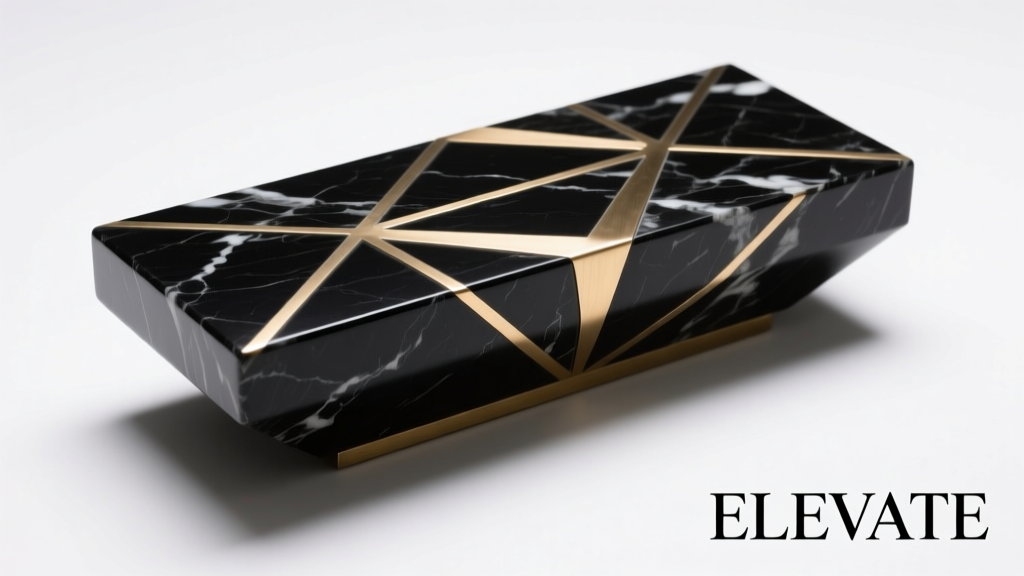
Types of Visual Merchandising Window Display Props
Effective window display props are essential tools in visual merchandising, used to attract attention, communicate brand identity, and drive consumer engagement. These props can be categorized by style, material, function, and seasonality. Choosing the right combination of props that align with your store’s theme, seasonal campaigns, and product offerings is crucial for creating compelling and sales-driven displays.
From seasonal decor to interactive technology, each type of prop serves a unique purpose in storytelling and product presentation. Below is a comprehensive breakdown of the most impactful window display props used in modern retail environments.
Seasonal Props
Props designed for holidays and time-specific events to evoke emotional connections and urgency in shoppers.
Advantages
- Creates timely, relatable themes
- Boosts impulse purchases during peak seasons
- Enhances emotional engagement with customers
- Supports promotional campaigns (e.g., Black Friday, Valentine’s Day)
Limitations
- Limited reuse (typically once per year)
- Requires storage between seasons
- Needs advance planning and budgeting
Best for: Holiday promotions, festive campaigns, limited-time offers
Mannequins
Humanoid figures used to showcase clothing and accessories in realistic, styled arrangements.
Advantages
- Demonstrates fit, drape, and styling of garments
- Allows creative expression through posing and dressing
- Helps customers visualize products on a body
- Available in diverse styles: realistic, abstract, gender-neutral, or animated
Limitations
- Higher cost for premium or articulated models
- Requires regular maintenance and cleaning
- Potential for theft or damage in high-traffic areas
Best for: Apparel stores, fashion boutiques, seasonal look displays
Custom Displays
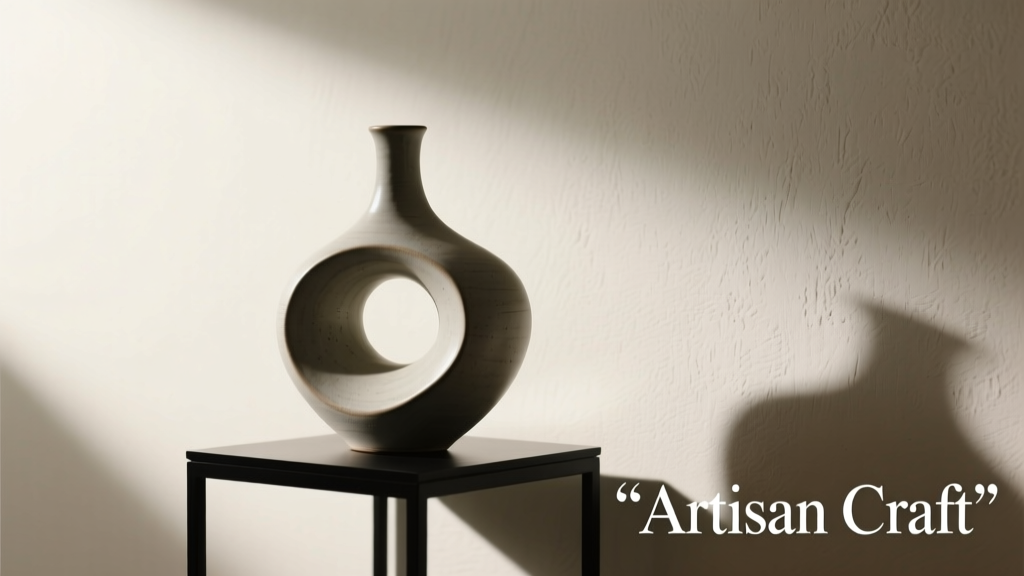
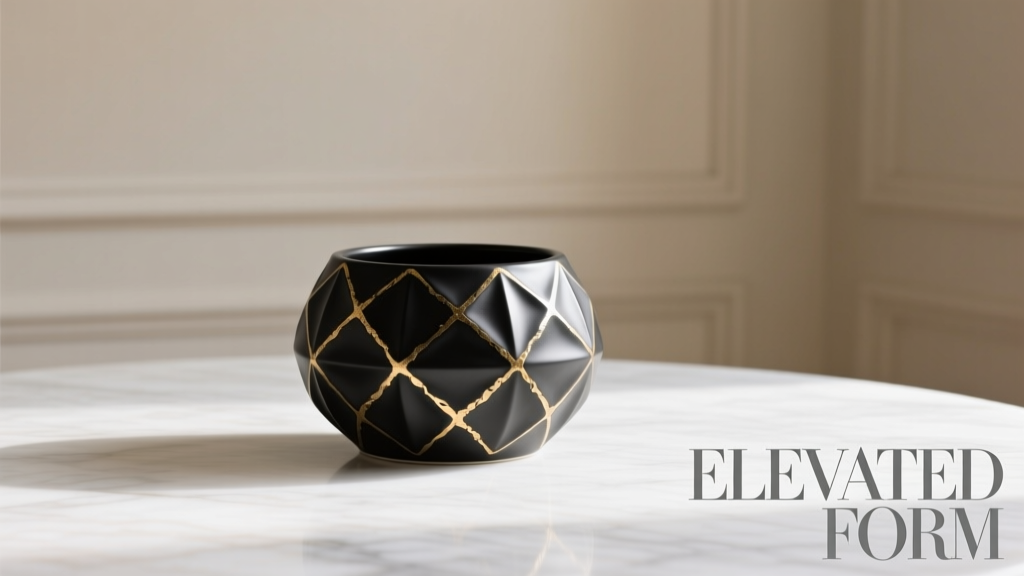
Bespoke installations designed to reflect a brand’s unique campaign, product launch, or identity.
Advantages
- Fully tailored to brand messaging and aesthetics
- Stands out from competitors with originality
- Can incorporate multiple materials (wood, metal, acrylic, LED)
- Ideal for flagship stores or product launches
Limitations
- Higher design and fabrication costs
- Longer lead time for production
- May require professional installation
Best for: Brand storytelling, product launches, flagship retail locations
Thematic Props
Items used to build a narrative or immersive environment around a concept or product category.
Advantages
- Creates memorable, story-driven experiences
- Enhances product context (e.g., beach scene for swimwear)
- Encourages customer imagination and emotional connection
- Great for cross-merchandising related items
Limitations
- Can become cluttered if overdone
- Requires cohesive design and planning
- May distract from core products if not balanced
Best for: Concept stores, lifestyle branding, niche markets (e.g., outdoor, luxury)
Footwear Racks
Specialized fixtures designed to display shoes in an organized and visually appealing manner.
Advantages
- Keeps footwear visible, clean, and accessible
- Supports product variety and color blocking
- Available in tiered, rotating, or illuminated designs
- Improves merchandising efficiency and aesthetics
Limitations
- Limited to footwear-focused retailers
- Takes up floor or shelf space
- May require frequent restocking and styling
Best for: Shoe stores, department store footwear sections, sportswear retailers
Interactive Elements
Technology-enhanced props that invite customer participation through touch, motion, or digital engagement.
Advantages
- Increases dwell time and engagement
- Creates shareable moments (great for social media)
- Can include AR try-ons, touchscreens, or motion sensors
- Modernizes the shopping experience
Limitations
- High initial investment and maintenance
- Requires technical support and updates
- Potential for malfunction or user frustration
Best for: Tech-forward brands, flagship stores, experiential retail spaces
| Prop Type | Primary Use | Engagement Level | Cost Range | Best Suited For |
|---|---|---|---|---|
| Seasonal Props | Holiday & event themes | High (time-sensitive) | Low to Medium | Festive promotions, pop-up displays |
| Mannequins | Apparel presentation | High | Medium to High | Fashion retail, boutiques |
| Custom Displays | Brand-specific campaigns | Very High | High | Product launches, flagship stores |
| Thematic Props | Storytelling & immersion | High | Low to Medium | Lifestyle branding, concept stores |
| Footwear Racks | Shoe organization & display | Medium | Low to Medium | Shoe retailers, sportswear sections |
| Interactive Elements | Customer participation | Very High | High | Innovative retail, tech brands |
Expert Tip: Combine multiple prop types for maximum impact—pair mannequins with thematic backdrops and seasonal lighting to create layered, immersive displays that capture attention and drive foot traffic.
Materials Used to Make Visual Merchandising Window Display Props
The materials used to create visual merchandising props are carefully selected based on their functionality, durability, aesthetic appeal, and cost-efficiency. Each material brings unique advantages and limitations, making it ideal for specific display environments, brand identities, and marketing campaigns. Understanding these materials helps retailers and designers craft compelling, on-brand window displays that attract attention and enhance product presentation.
Key Materials for Visual Merchandising Props
Glass
Glass is a premium material commonly used in high-end retail environments for mannequins, busts, display cases, and shelving. Its transparent or reflective qualities convey elegance, sophistication, and modernity, making it ideal for luxury brands and fashion-forward retailers.
Tempered or laminated glass offers improved safety and durability while maintaining clarity. It is naturally weather-resistant, allowing for both indoor and outdoor use in protected settings. However, glass is fragile and requires careful handling during installation and maintenance. Despite its higher cost, its timeless aesthetic ensures it remains a top choice for flagship store displays and seasonal showcases.
Metal
Metal—particularly steel, aluminum, and chrome—is prized for its strength, sleek finish, and longevity. Metal props such as static mannequins, display racks, signage frames, and structural supports are commonly used in modern, industrial, or futuristic-themed retail spaces.
Its robust nature makes it ideal for holding heavy merchandise or supporting large installations. Metal is highly resistant to wear, moisture, and temperature fluctuations, making it suitable for both indoor and outdoor displays. While heavier than other materials, its durability and professional appearance justify its use in long-term or high-traffic displays. Finishes like powder coating or anodizing can prevent corrosion and add color or texture.
Plastic
Plastic is one of the most versatile and cost-effective materials in visual merchandising. Available in forms like acrylic, polycarbonate, PVC, and ABS, plastic can be molded into intricate shapes, vibrant colors, and various textures—perfect for mannequins, hangers, signage, and decorative props.
It is lightweight, easy to transport, and resistant to moisture and moderate impacts. While not as durable as metal or glass over time, plastic excels in short-term campaigns, pop-up displays, and seasonal promotions. Advances in 3D printing and vacuum forming have further expanded its creative potential, allowing for rapid prototyping and customization at scale.
Wood
Wood brings warmth, natural beauty, and artisanal charm to retail displays. Commonly used for stands, shelves, racks, plinths, and backdrop panels, wood is a favorite among lifestyle, home décor, and eco-conscious brands.
Hardwoods like oak, walnut, and maple offer durability and rich grain patterns, while engineered woods like plywood or MDF provide affordability and ease of customization. Wood can be stained, painted, engraved, or treated to match brand aesthetics. It’s also compatible with lighting and modular design systems. However, untreated wood may be susceptible to warping or moisture damage in humid environments, so proper sealing is essential for longevity.
Fabric
Fabric plays a vital role in creating atmosphere and visual depth in window displays. Used for backdrops, drapes, banners, cushions, and even soft mannequins, fabric adds texture, color, and movement to static setups.
Available in a vast array of materials—including cotton, polyester, velvet, and mesh—fabric can be printed with brand graphics, patterns, or seasonal themes. It’s lightweight, easy to install, and highly adaptable for frequent display changes. Flame-retardant and UV-resistant fabrics are recommended for safety and durability, especially in high-exposure areas. Regular cleaning and proper storage help maintain its appearance over time.
Foam Board
Foam board (also known as foam core) is a popular choice for temporary and lightweight display elements. Composed of a polystyrene foam center sandwiched between paper or plastic facings, it is easy to cut, print on, and assemble into custom shapes, letters, and backdrops.
Its smooth surface accepts digital prints, vinyl graphics, and hand-painted designs, making it ideal for promotional signage, thematic installations, and event-specific displays. Foam board is inexpensive and quick to produce, perfect for fast-turnaround campaigns. However, it is not suitable for long-term use or outdoor exposure due to its vulnerability to moisture, tearing, and compression under weight.
| Material | Best For | Durability | Cost Level | Indoor/Outdoor Use |
|---|---|---|---|---|
| Glass | Luxury displays, mannequins, display cases | High (if tempered) | High | Both (protected) |
| Metal | Structural props, modern themes, heavy-duty displays | Very High | Medium to High | Both |
| Plastic | Mannequins, signage, short-term campaigns | Medium | Low to Medium | Indoor (some outdoor) |
| Wood | Natural, rustic, or premium lifestyle displays | High (with treatment) | Medium to High | Indoor (treated wood for outdoor) |
| Fabric | Backdrops, drapes, soft props | Medium | Low to Medium | Indoor (specialty fabrics for outdoor) |
| Foam Board | Temporary signage, custom shapes, event displays | Low | Low | Indoor only |
Tips for Selecting the Right Material
Important: Always assess environmental factors—such as sunlight exposure, humidity, and foot traffic—when selecting display materials. Improper material choices can lead to premature deterioration, safety hazards, or misalignment with brand image. Proper installation and regular maintenance are essential to preserve the visual impact and structural integrity of your window displays.
How to Choose Visual Merchandising Window Display Props
Selecting the right visual merchandising window display props is a strategic process that goes far beyond simply filling space. Effective props act as silent salespeople—drawing attention, communicating brand identity, and compelling potential customers to step inside. Thoughtfully chosen displays can elevate a storefront from overlooked to unforgettable, making them a vital component of retail success.
Brand Relevance & Identity Alignment
Every prop should reinforce your brand story, ensuring visual consistency across all customer touchpoints. From color palette and material choice to design style and thematic elements, your displays must echo the same narrative as your logo, packaging, and online presence.
- An outdoor gear retailer might use reclaimed wood, metal accents, and earthy tones to evoke a rugged, nature-inspired aesthetic that aligns with its product line.
- A luxury boutique could incorporate mirrored surfaces, brushed gold fixtures, and minimalist glass forms to reflect sophistication and exclusivity.
- Seasonal themes should still align with brand voice—e.g., a playful holiday display for a youthful brand vs. an elegant winter motif for a high-end fashion house.
Key insight: Consistent branding in window displays increases recognition and trust, turning casual passersby into loyal customers.
Functionality & Product Integration
Props should not only look good but also serve a purpose—highlighting products in the most flattering way while ensuring safety and structural integrity.
- Select display stands, mannequins, or platforms that securely hold merchandise and allow for optimal visibility and presentation.
- Ensure props support proper weight distribution, especially for heavy items like footwear, handbags, or electronics.
- Incorporate adjustable or modular elements (e.g., rotating platforms, height-adjustable shelves) to showcase different product types effectively.
- Use lighting-compatible props that integrate seamlessly with spotlights or LED strips to enhance visual impact.
Critical reminder: A visually stunning display is ineffective if it risks toppling over or obscures the product.
Target Audience Appeal
Understanding your ideal customer’s lifestyle, values, and aspirations allows you to create emotionally resonant displays that capture attention and drive engagement.
- A sports apparel store might feature dynamic props like mannequins in action poses, athletic backdrops, or real equipment (e.g., bikes, skis) to appeal to fitness enthusiasts.
- Kids’ clothing retailers can use playful characters, colorful shapes, and interactive elements to attract both children and parents.
- For eco-conscious consumers, props made from recycled materials or natural elements reinforce sustainability values.
Pro tip: Use customer personas to guide prop selection—ask, “Would this resonate with our core shopper?”
Versatility & Seasonal Adaptability
Invest in flexible, reusable props that can be reconfigured for different campaigns, seasons, or promotions—maximizing ROI and reducing waste.
- Modular display walls or changeable backdrop panels allow quick updates for holidays, sales, or new collections.
- Neutral-colored mannequins can be dressed in different outfits monthly, adapting to fashion trends or themed events.
- Magnetic or clip-on accessories enable fast changes without permanent alterations.
- Digital screens or projection-ready surfaces offer dynamic content rotation without physical replacements.
Smart strategy: Design a core set of permanent fixtures with interchangeable accents to keep displays fresh year-round.
Quality & Durability
High-quality props maintain their appearance over time, withstand handling, and project professionalism—especially important in high-traffic areas or outdoor-facing windows.
- Choose weather-resistant materials (e.g., UV-protected finishes, rust-resistant metals) for storefronts exposed to sunlight or moisture.
- Opt for solid construction over flimsy alternatives—durable props reduce replacement costs and minimize safety hazards.
- Well-crafted props reflect brand quality, reinforcing the perception that your products are equally well-made.
- Regular maintenance (cleaning, touch-ups) extends the life of premium displays.
Long-term benefit: Quality investments in props lead to consistent brand presentation and lower total cost of ownership.
Visual Impact & Storytelling
The most effective displays tell a story that captures imagination and creates an emotional connection in seconds.
- Create themed vignettes—e.g., a “beach getaway” scene for swimwear, complete with sand, surfboards, and tropical lighting.
- Use contrast, focal points, and layering to guide the viewer’s eye toward key products.
- Incorporate movement (e.g., rotating displays, kinetic sculptures) or interactive elements to increase dwell time.
- Leverage color psychology—bold colors for excitement, soft tones for elegance, monochrome for modern minimalism.
Creative edge: A compelling narrative makes your window memorable and shareable on social media.
Professional Recommendation: Start with a strong brand-aligned foundation and invest in high-quality, versatile props. Rotate accessories and styling elements frequently to maintain novelty without constant reinvestment. Always test visibility from street level—what looks great up close should also grab attention from 10–20 feet away. Remember: your window display is your storefront’s first impression. Make it count.
| Store Type | Recommended Prop Materials | Target Audience Focus | Suggested Display Themes |
|---|---|---|---|
| Luxury Fashion | Acrylic, Glass, Brushed Metal | High-income professionals | Minimalist elegance, Art-inspired, Seasonal couture |
| Outdoor & Adventure | Reclaimed Wood, Steel, Rope, Canvas | Active lifestyle enthusiasts | Mountain expeditions, Camping scenes, Trail adventures |
| Children’s Retail | Plastic, Foam, Fabric, Bright Vinyl | Families with young kids | Fantasy worlds, Animated characters, Holiday fun |
| Urban Streetwear | Concrete-look composites, Graffiti panels, LED elements | Trend-focused youth | City nightlife, Music culture, Limited drops |
Additional Considerations
- Lighting Integration: Choose props that work with your lighting plan—reflective surfaces, translucent materials, or built-in illumination enhance visibility.
- Space Optimization: Scale props appropriately to your window size; oversized pieces can overwhelm, while undersized ones get lost.
- Seasonal Transitions: Plan ahead for holidays and key shopping periods (e.g., back-to-school, Valentine’s Day) with adaptable props.
- Sustainability: Eco-friendly materials and reusable designs appeal to environmentally conscious consumers and reduce long-term costs.
- Brand Consistency: Ensure all props align with current marketing campaigns and social media content for a unified brand experience.
Application Scenarios of Visual Merchandising Window Display Props
Window display props are powerful tools in the world of retail and marketing, strategically used to capture attention, communicate brand identity, and influence consumer behavior. These elements go beyond mere decoration—they create immersive experiences that engage potential buyers through visual storytelling and emotional appeal. From high-end fashion boutiques to seasonal pop-up events, the thoughtful use of visual merchandising props can significantly enhance product visibility and drive foot traffic. Below is a detailed exploration of key application scenarios where these props play a transformative role.
Pro Tip: Effective visual merchandising isn't just about aesthetics—it's about creating a compelling narrative that aligns with your brand’s message and resonates with your target audience. Always consider context, timing, and customer psychology when designing displays.
Key Application Scenarios for Window Display Props
- Retail Stores – Capturing Street-Level Attention
In retail environments, window displays serve as the first point of contact between the brand and potential customers. Well-designed window display props act as silent salespeople, drawing in passersby by creating curiosity and emotional engagement. Retailers carefully curate props to complement featured products—such as mannequins styled with current collections, thematic backdrops, or interactive installations—without overwhelming the merchandise. The goal is to strike a balance: the display should highlight the product while telling a story that invites the viewer inside. For example, a minimalist boutique might use sleek geometric props to emphasize modern fashion lines, while a vintage shop could incorporate antique furniture and retro signage to evoke nostalgia.
- Fashion and Apparel – Conveying Lifestyle and Identity
The fashion industry relies heavily on visual merchandising to communicate style, seasonality, and brand ethos. Store display props such as mannequins, themed platforms, lighting effects, and fabric draping help transform garments into aspirational lifestyle statements. Seasonal rotations are common—spring displays may feature floral arrangements and pastel tones, while fall setups might include rustic wood elements and warm lighting to reflect autumn trends. High-end brands often use custom-designed props to reinforce exclusivity, while fast-fashion retailers leverage bold, colorful displays to promote new arrivals and limited-time offers. These dynamic presentations not only showcase clothing but also inspire customers to envision themselves wearing the pieces.
- Event Marketing – Building Brand Immersion
At trade shows, product launches, or sponsored events, visual merchandising props are central to creating a memorable brand experience. These props help define the event space, guide visitor flow, and reinforce key messaging. For instance, a sports brand sponsoring a marathon might set up a display featuring life-sized athlete cutouts, branded gear mannequins, and simulated locker room environments to connect emotionally with fitness enthusiasts. Interactive props like photo booths with themed backdrops or augmented reality mirrors can further boost engagement and social sharing. By aligning props with the event’s theme and audience interests, marketers amplify brand visibility and foster deeper customer connections.
- Pop-Up Shops – Creating Urgency and Exclusivity
Pop-up shops thrive on novelty and time-limited appeal, making visual merchandising essential for immediate impact. These temporary retail spaces use custom display props tailored to a specific campaign, collaboration, or product launch. Whether it's a holiday-themed gift shop in a mall or a branded installation at a music festival, the props are designed to be Instagram-worthy and instantly recognizable. Modular and portable props allow for quick setup and dismantling, while bold colors, unique shapes, and thematic elements (like neon signs or immersive lighting) help the pop-up stand out in crowded environments. The result is a memorable shopping experience that drives impulse purchases and encourages word-of-mouth promotion.
- Seasonal Displays – Tapping into Consumer Emotions
Seasonal changes offer prime opportunities to refresh visual merchandising strategies and align with consumer moods and spending habits. Winter display props, for example, often include snowflake motifs, faux snow, twinkling lights, and cozy vignettes featuring models in winter wear to evoke warmth and festivity during the holiday season. Similarly, summer displays might incorporate beach-themed elements like sand, surfboards, or tropical plants to promote swimwear and outdoor gear. Retailers also use seasonal props for major shopping events like Black Friday, Valentine’s Day, or back-to-school campaigns. These time-sensitive displays create urgency and help customers associate the brand with relevant occasions, boosting both engagement and sales.
| Scenario | Primary Objective | Common Props Used | Best Practices |
|---|---|---|---|
| Retail Stores | Attract foot traffic and communicate brand identity | Mannequins, lighting, backdrops, signage | Maintain visual balance; update displays monthly |
| Fashion & Apparel | Showcase trends and lifestyle appeal | Themed platforms, fabric drapes, color-coordinated props | Align with seasonal collections; refresh every 4–6 weeks |
| Event Marketing | Create immersive brand experiences | Branded banners, interactive installations, life-size cutouts | Ensure props reflect event theme; prioritize engagement |
| Pop-Up Shops | Generate buzz and drive short-term sales | Modular displays, neon signs, photo-friendly setups | Design for shareability; focus on uniqueness |
| Seasonal Displays | Capitalize on holiday and seasonal shopping trends | Snowflakes, pumpkins, hearts, festive lighting | Launch early; maintain consistency across locations |
Expert Insight: The most effective visual merchandising doesn’t just display products—it tells a story. Whether it’s a winter wonderland scene or a futuristic tech launch, the props should support a clear narrative that resonates emotionally with the audience and reinforces brand values.
Additional Recommendations for Maximum Impact
- Regularly rotate displays to keep content fresh and encourage repeat visits
- Use lighting strategically to highlight key products and create mood
- Incorporate sensory elements (like scent or sound) when possible to enhance immersion
- Ensure accessibility and visibility from multiple angles, especially at street level
- Leverage customer feedback and social media analytics to refine future displays
- Train staff to understand the messaging behind each display to improve in-store engagement
Ultimately, visual merchandising window display props are more than decorative accessories—they are strategic marketing tools that bridge the gap between product and perception. When thoughtfully designed and expertly executed, they transform ordinary storefronts into captivating experiences that inspire action, build brand loyalty, and drive sales. By understanding the unique demands of each application scenario, businesses can maximize the impact of their visual storytelling and stay ahead in a competitive retail landscape.
Frequently Asked Questions About Window Display Props in Retail
Q1: What is the role of window display props in retail?Window display props play a crucial role in modern retail marketing by transforming static storefronts into dynamic visual experiences. Their primary functions include:
- Enhancing Product Presentation: Props elevate how products are showcased—using mannequins, platforms, lighting fixtures, and thematic elements to highlight key features and benefits.
- Creating Brand Identity: Consistent use of colors, materials, and design styles in displays reinforces brand recognition and conveys the store’s personality—whether it's luxury, eco-friendly, playful, or minimalist.
- Attracting Customer Attention: Eye-catching props act as visual magnets, drawing in foot traffic from passersby and increasing the likelihood of store entry. Studies show that well-designed window displays can boost in-store visits by up to 30%.
- Supporting Storytelling: Retailers use props to create narratives—such as seasonal themes (e.g., holiday scenes) or lifestyle settings (e.g., a cozy living room for home goods)—which help customers imagine using the products.
In essence, window display props are not just decorative; they are strategic tools that influence consumer perception and drive sales.
Q2: Can window display props be used outdoors?Yes, many window display props are specifically designed for outdoor or semi-outdoor use, especially in storefronts with exposed facades or high environmental exposure. Key considerations include:
- Durable Materials: Outdoor props are commonly made from weather-resistant materials such as UV-stabilized plastics, powder-coated metals, marine-grade wood, and waterproof fabrics to resist rain, sunlight, and temperature fluctuations.
- Protective Coatings: Many outdoor props feature sealants or laminates that prevent fading, cracking, or corrosion over time.
- Secure Mounting: To withstand wind and tampering, outdoor props often require reinforced brackets, weighted bases, or magnetic attachments.
- Compliance and Safety: In public spaces, outdoor displays must comply with local regulations regarding visibility, fire safety, and accessibility.
When properly constructed, outdoor window display props can maintain their visual impact for months, making them ideal for long-term campaigns or seasonal promotions.
Q3: How often should window display props be updated?To keep the storefront fresh and engaging, retail experts recommend updating window display props on a regular schedule based on business cycles:
- Seasonal Updates: Most retailers refresh their displays every 3–4 months to align with spring, summer, fall, and winter seasons. This allows for thematic consistency (e.g., pastels for spring, warm tones for winter).
- Promotional Cycles: Whenever launching a new product line, limited-time offer, or marketing campaign, the display should reflect the messaging—ensuring alignment across digital, print, and physical channels.
- Customer Engagement Metrics: Stores tracking foot traffic and conversion rates may update displays more frequently (e.g., every 4–6 weeks) if engagement begins to decline.
- Trend Responsiveness: Fashion and lifestyle retailers often update displays more frequently to stay aligned with fast-moving trends and cultural moments.
A good rule of thumb is to avoid letting a display run longer than 6–8 weeks without evaluation. Regular updates signal that the store is active, current, and worth revisiting.
Q4: What materials are commonly used for window display props?A wide variety of materials are used in creating window display props, each offering unique aesthetic and functional advantages. The most common include:
| Material | Advantages | Best Use Cases |
|---|---|---|
| Plastic (Acrylic, PVC) | Lightweight, durable, easy to mold, available in various colors and finishes (transparent, glossy, matte). | Modern displays, illuminated signs, protective covers, geometric shapes. |
| Wood (Plywood, MDF, Solid Wood) | Warm aesthetic, easy to paint or stain, structurally strong, eco-friendly options available. | Rustic or natural-themed displays, shelves, frames, seasonal setups. |
| Metal (Aluminum, Steel) | High durability, sleek finish, weather-resistant, supports heavy loads. | Luxury branding, industrial themes, outdoor installations, structural supports. |
| Paper & Cardboard | Cost-effective, recyclable, easy to print on, quick to assemble. | Short-term promotions, holiday displays, eco-conscious campaigns. |
| Fabric & Textiles | Soft texture, adds color and movement, drapes well for dynamic effects. | Backdrop curtains, clothing displays, soft props, thematic environments. |
Many modern displays combine multiple materials to achieve both visual appeal and structural integrity, often enhanced with LED lighting or digital elements.
Q5: Are window display props customizable?Absolutely—customization is one of the greatest strengths of window display props. Retailers can tailor props to match their brand identity and marketing goals in several ways:
- Shape & Design: Props can be uniquely shaped to reflect brand logos, product silhouettes, or thematic elements (e.g., a giant coffee cup for a café promotion).
- Size & Scale: From miniature accent pieces to oversized centerpieces, props can be scaled to fit window dimensions and create dramatic visual impact.
- Color & Finish: Custom painting, printing, or coating ensures props match brand color palettes and seasonal themes.
- Thematic Integration: Props can be designed around specific campaigns—such as back-to-school, holiday gifting, or product launches—incorporating relevant symbols, slogans, and imagery.
- Interactive Elements: Advanced custom props may include motion sensors, QR codes, or augmented reality features to boost engagement.
Many manufacturers and design studios offer full customization services, allowing retailers—both large chains and small boutiques—to create one-of-a-kind displays that stand out in competitive markets.