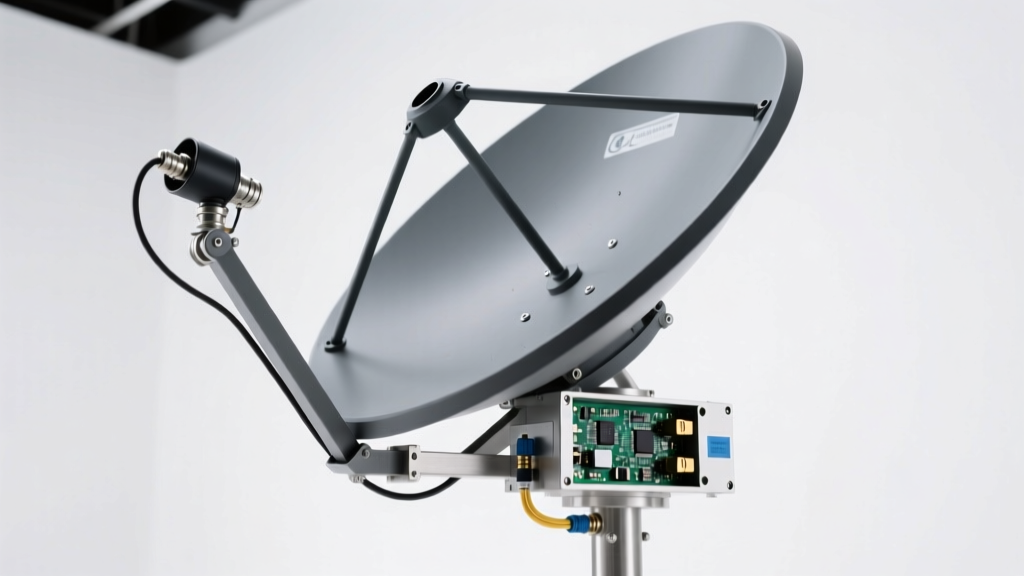
Types of DVB-T Tuners: A Complete Guide
A DVB-T (Digital Video Broadcasting — Terrestrial) tuner enables devices to receive digital television signals broadcast over the air via antennas. These tuners have revolutionized how users access free-to-air TV channels, replacing analog systems with higher-quality digital broadcasts. Suppliers often offer these sintonizador DVB-T models in bulk to retailers, distributors, and integrators for various consumer and commercial applications.
Choosing the right DVB-T tuner depends on your device setup, viewing preferences, and whether you want portability, multi-device access, or recording capabilities. Below is a detailed breakdown of the four main types available today.
Internally Integrated Tuner
Built directly into modern TVs and digital monitors, this tuner allows immediate access to digital broadcasts without additional hardware.
Advantages
- No extra devices or cables required
- Seamless integration with TV interface
- User-friendly setup (plug-and-play with antenna)
- Energy efficient (no external power needed)
Limitations
- Not upgradeable without replacing the TV
- Limited to one viewing location
- Dependent on TV’s internal software updates
Best for: Home entertainment setups, modern smart TVs, users seeking simplicity
USB DVB-T Tuner
Compact plug-and-play device that connects to laptops or desktops via USB, turning any computer into a digital TV receiver.
Advantages
- Highly portable and easy to transport
- Enables live TV and recording on PCs
- Compatible with media software (e.g., VLC, Windows Media Center)
- Ideal for travelers or students using laptops
Limitations
- Requires a computer to function
- Potential driver compatibility issues
- Smaller antenna may reduce signal strength
Best for: Computer users, mobile professionals, secondary viewing locations
External DVB-T Tuner (Set-Top Box)
Standalone device that adds digital TV capability to older TVs lacking built-in tuners, typically connecting via HDMI, SCART, or RCA.
Advantages
- Extends life of analog TVs
- Often includes DVR functionality for recording
- Supports USB storage for time-shifting and playback
- Easy to install and configure
Limitations
- Requires additional remote and power supply
- Adds clutter to entertainment center
- May introduce input switching delays
Best for: Legacy TV owners, budget-conscious users, secondary rooms
Network-Based DVB-T Tuner
Advanced tuner that streams digital TV over a home network, enabling multi-device access from smartphones, tablets, and smart TVs.
Advantages
- Watch live TV on multiple devices simultaneously
- Acts as a centralized media server (e.g., HDHomeRun, Hauppauge)
- Supports whole-home DVR solutions
- Remote access possible with proper configuration
Limitations
- Higher initial cost
- Requires stable Wi-Fi or wired network
- Setup can be technically complex for non-experts
Best for: Smart homes, tech-savvy users, households with multiple viewers
| Tuner Type | Portability | Multi-Device Support | Recording Capability | Ideal Use Case |
|---|---|---|---|---|
| Internally Integrated | Low | No | Varies (depends on TV) | Main living room TV, everyday viewing |
| USB DVB-T Tuner | High | No (single PC only) | Yes (with software) | Laptops, portable setups, personal use |
| External Tuner | Medium | No | Yes (built-in DVR) | Older TVs, secondary rooms, recording needs |
| Network-Based Tuner | Medium | Yes (multiple devices) | Yes (whole-home DVR) | Smart homes, families, streaming enthusiasts |
Expert Tip: When purchasing DVB-T tuners in bulk, verify regional frequency compatibility (e.g., VHF/UHF bands) and ensure firmware supports electronic program guides (EPG) and H.265/HEVC decoding for future-proofing.
Note: The term sintonizador DVB-T is commonly used in Spanish and Portuguese-speaking markets. These tuners are widely available from global suppliers catering to both retail and wholesale buyers, especially in regions transitioning from analog to digital broadcasting.
Durability and Materials in DVB-T Tuners
The longevity and performance of a Sintonizador DVB-T (DVB-T tuner) depend heavily on the quality of materials used in its construction and the engineering behind its durability. Manufacturers prioritize robust design elements to ensure these devices withstand daily use, environmental stressors, and thermal challenges—especially important for both internal and external tuners used in diverse conditions. This guide explores the key material choices and design features that contribute to a reliable, long-lasting DVB-T tuner.
Case and Enclosure Materials
Plastic Housings
Many DVB-T tuners use high-impact ABS or polycarbonate plastics for their outer casings. These materials offer excellent resistance to physical shocks, UV degradation, and temperature fluctuations. They are lightweight and cost-effective, making them ideal for consumer-grade USB and portable tuners. Reinforced ribs and internal supports enhance structural rigidity, reducing the risk of cracking during drops or mishandling.
Metal Enclosures (Aluminum Alloys)
Premium tuners often feature aluminum or aluminum alloy enclosures, which provide superior durability, electromagnetic shielding, and heat dissipation. The metal casing not only adds to the device’s premium look and feel but also acts as a heat sink, helping maintain stable internal temperatures during prolonged operation. This is especially beneficial for external tuners used in set-top boxes or recording devices that run for hours at a time.
Enclosure design also considers port alignment, seam sealing, and resistance to dust and moisture. Well-engineered casings minimize gaps and use gaskets where necessary to protect sensitive circuitry from environmental contaminants.
Heat Resistance and Thermal Management
Effective thermal management is critical to preserving the lifespan of electronic components within a DVB-T tuner. Prolonged exposure to high temperatures can lead to signal instability, reduced decoding accuracy, and premature component failure.
Passive Cooling (USB & Compact Tuners)
Smaller USB tuners rely on passive cooling methods. Their aluminum enclosures absorb and dissipate heat naturally through convection. Surface-area-enhancing designs—such as fins or ridges—improve airflow and heat transfer. High thermal conductivity materials ensure that hotspots on the circuit board are efficiently managed without requiring moving parts.
Active Cooling (External Set-Top Units)
Larger external tuners may incorporate small fans or ventilation grills to facilitate active airflow. These systems help maintain optimal operating temperatures in enclosed entertainment centers or poorly ventilated areas. Strategically placed vents allow for consistent air circulation while minimizing dust intake, often aided by internal baffles or filters.
Internally, thermal pads or conductive adhesives may be used to transfer heat from critical chips (like the demodulator or decoder) directly to the metal housing, further enhancing cooling efficiency.
Circuit Board Materials and Construction
The printed circuit board (PCB) is the backbone of any DVB-T tuner, and its material composition significantly affects performance, reliability, and longevity.
Connectors and Port Durability
The quality of connectors directly impacts signal fidelity, ease of use, and overall device lifespan. Poor connections can result in pixelation, signal loss, or complete device disconnection.
Gold-Plated Connectors
Manufacturers commonly use gold-plated brass for USB, antenna, and HDMI ports due to gold’s exceptional resistance to corrosion and oxidation. Even thin gold plating (0.5–1 micron) dramatically improves conductivity and ensures stable signal transmission over time, especially in humid or coastal environments.
Mechanical Reinforcement
To prevent port damage from repeated plugging and unplugging, connectors are often reinforced with metal shielding and anchored directly to the PCB with additional support brackets. Strain relief features in USB and coaxial ports reduce cable-induced stress, minimizing the risk of solder joint fractures.
Durable, well-soldered connectors ensure consistent performance and reduce the likelihood of intermittent faults, which are common failure points in lower-quality devices.
| Component | Material Used | Key Benefits |
|---|---|---|
| Enclosure | ABS Plastic / Aluminum Alloy | Impact resistance, lightweight, heat dissipation |
| PCB Substrate | FR-4 Epoxy / Polyimide | Thermal stability, electrical insulation, durability |
| Connectors | Gold-plated Brass | Corrosion resistance, reliable conductivity |
| Cooling System | Aluminum housing / Ventilation + Fan | Passive/active heat management, extended lifespan |
Important: Always choose a DVB-T tuner from a reputable supplier that uses high-quality materials and follows international manufacturing standards (e.g., RoHS, CE). Inferior materials may lead to early failure, poor signal quality, or safety hazards. Regular cleaning and proper ventilation can further extend the life of your device.
Scenarios of DVB-T Tuner Applications
When investing in bulk DVB-T TV tuners, buyers must evaluate real-world usage scenarios to ensure optimal product selection, compatibility, and long-term value. Understanding the diverse environments where DVB-T tuners operate enables businesses and resellers to recommend the right models for each customer’s unique needs. From home entertainment to professional applications, DVB-T technology continues to play a vital role in digital terrestrial television access across the globe.
Home Entertainment Systems
Integrating a DVB-T tuner into a home entertainment setup allows families to enjoy free-to-air (FTA) digital broadcasts without recurring subscription fees. Whether using an internal PCI-E card or an external USB model, these tuners seamlessly connect to HDTVs, media centers, or streaming devices such as Raspberry Pi or Kodi boxes.
- Supports high-definition (HD) and standard-definition (SD) digital broadcasts depending on regional signal availability
- Ideal for households with multiple viewing devices, enabling centralized TV distribution via networked tuners
- Eliminates reliance on paid cable or satellite services, offering a budget-friendly alternative for entertainment
- Often paired with electronic program guides (EPG) and DVR software for recording live TV
Key benefit: Cost-effective access to local news, sports, and entertainment channels across multiple rooms
Mobile and Temporary Installations
Portable DVB-T tuners are widely used in vehicles, temporary housing, and field operations where traditional TV infrastructure is unavailable. Compact USB or mini PCIe tuners are popular due to their plug-and-play functionality and compatibility with laptops, tablets, and portable monitors.
- Commonly deployed in RVs, campers, and mobile offices for on-the-go TV access
- Lightweight design with external antenna support ensures reliable reception in transit
- Used at outdoor events, construction sites, and emergency response units for real-time broadcast monitoring
- Supports time-shifting features, allowing users to pause or record live broadcasts during movement
Ideal for: Users needing flexible, low-power solutions that don’t require permanent installation
Smart Home Streaming
Modern smart homes increasingly rely on network-attached DVB-T tuners that stream live TV over Wi-Fi to smartphones, tablets, smart TVs, and PCs. These IP-based tuners function as part of a centralized media server, enabling whole-home TV distribution without additional set-top boxes.
- Enables multi-room viewing using a single tuner or tuner array (e.g., HDHomeRun-style devices)
- Integrates with home automation platforms like Home Assistant or Plex for unified media control
- Popular among tech-savvy users and younger demographics who prefer device-agnostic content consumption
- Supports simultaneous streaming to multiple devices when using dual or quad-tuner models
Emerging trend: Growing demand for cloud-DVR capabilities and AI-powered content recommendations
Travel and Remote Areas
In rural or remote regions where internet connectivity is limited and satellite/cable services are unavailable, DVB-T tuners provide reliable access to public and commercial digital broadcasts. Travelers and off-grid residents use portable tuners with amplified antennas to maintain connection to essential programming.
- Essential for staying updated on weather, news, and emergency alerts during travel or natural disasters
- Frequently used in mountainous, coastal, or island regions with strong terrestrial signal coverage
- Battery-powered tuners with DVR functions allow offline viewing in areas without consistent power
- Compatible with portable solar setups, making them ideal for eco-tourism and humanitarian missions
Critical advantage: Provides resilient, low-cost media access in underserved or disconnected locations
Academic and Professional Use
Beyond consumer applications, DVB-T tuners serve critical roles in education, media research, and broadcasting analysis. Universities, journalism programs, and regulatory agencies use tuners to capture, archive, and study digital TV content for academic and compliance purposes.
- Used in media studies to analyze broadcast trends, advertising patterns, and content delivery
- Supports frame-accurate recording for forensic or legal evidence in broadcast monitoring
- Integrated into signal testing labs to evaluate transmission quality and compression standards
- Enables real-time logging of EPG data, subtitles, and teletext for archival and research
Specialized application: Tuners with SDKs and API access are preferred for custom software integration
Commercial and Institutional Deployment
Businesses and public institutions deploy DVB-T tuners in bulk for centralized media distribution in waiting rooms, classrooms, hotels, and transportation hubs. These installations often use multi-tuner network devices to serve many displays simultaneously.
- Hospitals and clinics stream health education and news to patient rooms and lobbies
- Schools use tuners to deliver educational programming aligned with national curricula
- Hotels and hostels offer local channel access as a value-added service for guests
- Public transport terminals display live news and safety announcements via digital signage
Bulk advantage: Volume purchasing reduces per-unit cost and simplifies maintenance and support
Strategic Recommendation: When sourcing DVB-T tuners in bulk, prioritize models with strong driver support across operating systems (Windows, Linux, Android), built-in EPG compatibility, and firmware update capabilities. For maximum versatility, consider dual-mode tuners that support both DVB-T and DVB-T2 standards, ensuring future-proofing as digital broadcast technologies evolve. Additionally, opt for suppliers offering technical documentation and developer tools for integration into custom applications.
| Usage Scenario | Recommended Tuner Type | Key Features | Target Users |
|---|---|---|---|
| Home Entertainment | External USB or Internal PCIe | DVR support, HD decoding, remote control | Families, cord-cutters, media center users |
| Mobile Installations | Compact USB with antenna | Plug-and-play, low power, portable | RV owners, field workers, event staff |
| Smart Home Streaming | Network/IP-based multi-tuner | Wi-Fi streaming, multi-room, app control | Tech enthusiasts, millennials, smart homes |
| Remote Access | Battery-powered portable tuner | Amplified antenna, DVR, rugged design | Travelers, off-grid residents, emergency teams |
| Professional & Academic | USB tuner with SDK/API | Frame capture, metadata logging, developer tools | Researchers, educators, media analysts |
Additional Considerations for Bulk Buyers
- Regional Compatibility: Ensure tuners support the correct DVB-T frequency bands and modulation standards used in the target market (e.g., COFDM 2K/8K, 64-QAM)
- Software Ecosystem: Choose tuners with robust software support, including drivers for Windows, Linux, Android, and popular media center applications (e.g., VLC, Kodi, MediaPortal)
- Signal Reception: Consider bundled or recommended antennas for weak signal areas to improve customer satisfaction
- Warranty & Support: Bulk orders should include extended warranties and access to technical support for installation and troubleshooting
- Future-Proofing: Select models that support DVB-T2 where available, as many countries are transitioning to this more efficient standard
How To Choose a DVB-T Tuner: A Comprehensive Guide for Buyers and Suppliers
Selecting the right DVB-T (Digital Video Broadcasting – Terrestrial) or DVB-T2 tuner is essential for delivering high-quality digital television to consumers. Whether you're a supplier offering sintonizadores en DVB-T a granel (bulk DVB-T tuners) or a consumer looking to upgrade your viewing experience, understanding key selection criteria ensures compatibility, performance, and user satisfaction. This guide outlines the most important factors to consider when choosing a DVB-T or DVB-T2 tuner, including compatibility, connectivity, portability, power requirements, and advanced features.
Important Note: DVB-T and DVB-T2 are not universally compatible. Always verify which standard is used in your target region before purchasing or supplying tuners in bulk. Mismatched tuners will not receive digital signals properly.
1. Compatibility: Matching the Tuner to Your Device and Region
The foremost consideration when selecting a DVB-T tuner is ensuring it aligns with your existing hardware and regional broadcast standards. Choosing the wrong type can result in no signal reception or limited channel access.
- Integrated vs. External Tuners: Modern smart TVs and digital monitors often come with built-in DVB-T or DVB-T2 tuners. However, older analog TVs require an external set-top box to decode digital broadcasts.
- DVB-T vs. DVB-T2: DVB-T2 is the newer, more efficient standard offering better compression and support for HD content. Ensure the tuner supports the version used in your country (e.g., DVB-T2 in the UK, Germany, and India; DVB-T in some older markets).
- Regional Signal Standards: Broadcasting frequencies, bandwidth (6/7/8 MHz), and modulation schemes vary by region. Confirm that the tuner supports local transmission parameters to avoid compatibility issues.
- USB Tuners for PCs: These are ideal for users who want to watch live TV on laptops or desktops. They typically support software-based decoding and recording via media players like VLC or Windows Media Center.
Pro Tip: For suppliers, clearly label tuners as DVB-T or DVB-T2 compatible and specify supported regions to prevent customer confusion and returns.
2. Connectivity Options: Ensuring Seamless Integration
A versatile DVB-T tuner should offer multiple output and input options to connect with various display devices, enhancing its usability across different setups.
- HDMI Output: The most common and preferred connection for HD and Full HD tuners, providing high-definition video and audio over a single cable.
- SCART and RCA (Composite): Found on older tuners and TVs, these analog outputs are still relevant in regions where legacy equipment remains in use.
- Network Connectivity (IP Tuners): Advanced DVB-T2 tuners now include Ethernet or Wi-Fi, allowing live TV streaming to smartphones, tablets, and smart TVs within the home network—ideal for multi-room setups.
- Antenna Input (F-type connector): Must support UHF/VHF bands and impedance of 75Ω for reliable signal reception from rooftop or indoor antennas.
- 4K and HD Support: While DVB-T itself doesn’t support 4K, some modern tuners upscale content or work alongside hybrid systems. Look for HD-ready (720p/1080i) decoding for future-proofing.
| Connection Type | Best For | Max Resolution | Notes |
|---|---|---|---|
| HDMI | Modern TVs, HD content | 1080p | Recommended for new installations |
| SCART | Older European TVs | 576i | Analog only; limited availability |
| RCA (Composite) | Vintage systems | 480i | Low quality; use as fallback |
| USB 2.0/3.0 | Laptops, PCs | 1080i | Plug-and-play; driver support needed |
| Ethernet/Wi-Fi | Network streaming | 1080p | Supports multi-device access |
3. Portability and Power Requirements
The intended usage environment plays a major role in determining whether a portable or stationary tuner is more suitable.
- Portable Use: USB DVB-T2 tuners are compact, lightweight, and ideal for travelers or remote workers who want access to local TV on a laptop or portable monitor.
- Power Source: USB-powered tuners draw energy directly from the host device, eliminating the need for wall adapters. This makes them highly efficient and convenient for mobile use.
- Standalone Units: External set-top boxes typically require a dedicated power supply and are designed for permanent installation in homes or offices. They often offer better signal processing and additional features.
- Battery-Powered Options: Some advanced portable tuners include battery support or work with power banks, enabling TV viewing in outdoor or off-grid locations.
4. Additional Features That Enhance User Experience
Beyond basic signal reception, modern DVB-T2 tuners offer value-added features that improve convenience and functionality.
- DVR (Digital Video Recording): Many external tuners support recording live TV to USB flash drives or external hard disks, allowing users to build a personal library without a separate PVR.
- Time-Shifting: Enables pausing and rewinding live broadcasts—a favorite feature for viewers who don’t want to miss a moment during sports or news.
- Electronic Program Guide (EPG): Displays upcoming shows and scheduling information, improving navigation and viewer planning.
- Multi-Tuner Support: High-end models allow watching one channel while recording another, especially useful in household environments.
- Software Support: PC-based USB tuners should be compatible with popular media software (e.g., VLC, Kodi, MediaPortal) and have stable driver support across Windows, macOS, and Linux.
Supplier Insight: When selling in bulk, prioritize tuners with strong firmware support, clear labeling, and multilingual EPG compatibility to appeal to diverse markets.
Final Recommendations
- Always verify the DVB standard (T vs. T2) and regional compatibility before procurement.
- For home use, choose HDMI-equipped tuners with DVR functionality for maximum flexibility.
- For mobile or PC-based use, opt for USB-powered DVB-T2 tuners with time-shifting support.
- Consider network-enabled tuners for smart homes where multiple devices access live TV.
- Test sample units for signal sensitivity, channel scanning speed, and menu responsiveness before bulk orders.
Selecting the right DVB-T tuner involves balancing technical compatibility, user needs, and future scalability. Whether you're equipping a single household or supplying tuners at scale, focusing on these core factors ensures reliable performance and customer satisfaction. As digital broadcasting continues to evolve, staying informed about standards and innovations will keep your offerings competitive and relevant.
Frequently Asked Questions About DVB-T Tuners
Q1: Can one use a USB DVB-T tuner on a laptop to watch live television?Yes, users can easily watch live digital television on their laptops using a USB DVB-T tuner, provided they have a compatible digital antenna to receive over-the-air broadcasts. These compact, plug-and-play devices are widely supported across Windows, macOS, and Linux operating systems.
To get started, users typically need to:
- Install the driver and software: Most tuners come with dedicated applications or support third-party software like VLC Media Player or Windows Media Center.
- Connect the antenna: A rooftop or indoor digital antenna should be connected to the tuner to capture broadcast signals.
- Scan for channels: Run a channel scan through the software to detect available local stations, including HD content where supported.
This setup allows users to enjoy free-to-air TV programs while traveling, working remotely, or in locations without cable or satellite service. It's an affordable and portable solution for accessing live news, sports, and entertainment directly on a laptop.
Q2: Why do people select external DVB-T tuners over internal ones?External DVB-T tuners are increasingly preferred over internal cards for several practical and technical reasons:
- Portability and Flexibility: External USB tuners can be used across multiple devices—laptops, desktops, and even some smart TVs—without requiring opening the computer case.
- Digital Video Recording (DVR): Many external models support recording live TV to the hard drive, enabling time-shifted viewing and personal media libraries.
- Enhanced Connectivity: They often feature HDMI, SCART, or composite outputs, making them ideal for connecting older TVs or projectors that lack built-in digital tuners.
- Plug-and-Play Simplicity: No need for complex installations or BIOS configurations. Drivers are usually auto-detected, and setup can be completed in minutes.
- Future-Proofing: As laptops move toward thinner designs without internal expansion slots, external tuners remain a viable option for adding broadcast TV functionality.
These advantages make external DVB-T tuners a versatile choice for both casual viewers and tech-savvy users looking to upgrade legacy systems or create multi-room viewing setups without relying on paid streaming services.
Q3: How can one tell if a DVB-T2 tuner is compatible with their television?Ensuring compatibility between a DVB-T2 tuner and your television involves checking both hardware connections and regional broadcast standards:
- Check Output Interfaces: Confirm that the tuner has an output type your TV supports—most commonly HDMI for modern sets, or SCART/AV for older models. Some tuners also offer RF output for analog TVs.
- Verify Broadcast Standard Support: DVB-T2 is the second-generation digital terrestrial standard, offering improved compression and HD channel capacity. Ensure your tuner explicitly supports DVB-T2 if your country uses this format (e.g., UK, Germany, Australia).
- Review Regional Frequency Bands: Different regions use varying UHF/VHF frequency ranges. A tuner must support your local band plan to receive all available channels.
- Consult Product Specifications: Always refer to the manufacturer’s datasheet or packaging for compatibility details. Reputable brands list supported standards, output types, and system requirements.
- Contact Support if Uncertain: When in doubt, reach out to the manufacturer or retailer with your TV model and location to confirm seamless integration.
By carefully matching these factors, users can avoid signal issues, poor reception, or complete incompatibility, ensuring a smooth transition to digital terrestrial television.
Q4: Is there a main requirement for the installation of network-based DVB-T tuners?Yes, the primary requirement for setting up a network-based (or networked) DVB-T tuner is a stable local area network (LAN) connection, typically via Ethernet or Wi-Fi.
These tuners, also known as IP TV gateways or network DVRs, function as centralized receivers that capture live TV signals and stream them over the home network to various devices, including:
- Smartphones and tablets (via dedicated apps)
- Laptops and desktop computers
- Smart TVs and media players (e.g., Apple TV, Android Box)
To install and use a network-based DVB-T tuner effectively:
- Connect the Antenna: Attach a digital antenna to the tuner to receive DVB-T/T2 signals.
- Link to the Network: Connect the tuner to your router using an Ethernet cable or via Wi-Fi, depending on model capabilities.
- Power and Configure: Power on the device and use a web browser or mobile app to set up channel scanning and user preferences.
- Stream Across Devices: Install compatible apps on your devices to access live TV or recorded content remotely.
This setup enables whole-home TV distribution without multiple tuners, supports multi-user viewing, and often includes cloud scheduling and remote access features—making it a powerful alternative to traditional set-top boxes.