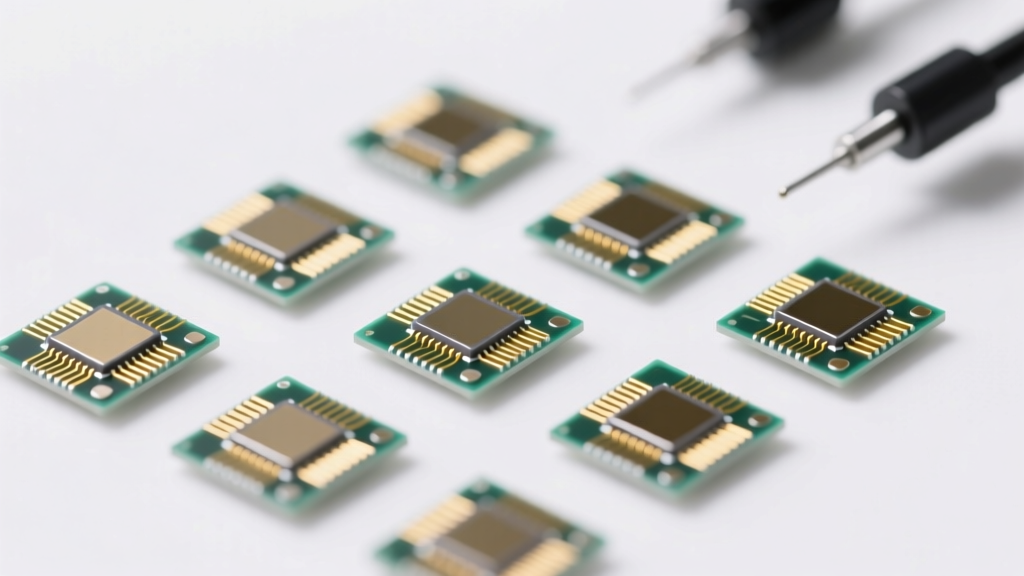
Types of SFP 10G LR Modules
A 10G LR SFP (Small Form-factor Pluggable) is a standardized transceiver used in high-speed network communications, supporting data rates of up to 10 Gbps over long distances. These modules are essential for modern enterprise networks, data centers, and telecommunications infrastructure. Compatible with various networking brands, 10G LR SFPs enable reliable, long-range optical connectivity using fiber optic cables.
Cisco Compatible SFP 10G LR
Designed for seamless integration with Cisco networking equipment, this transceiver delivers robust performance for enterprise and service provider environments.
- Supports 10 Gbps data transmission over distances up to 300 meters on multimode fiber (MMF)
- Extends up to 40 kilometers on single-mode fiber (SMF)
- Operates at a wavelength of 1550 nm for optimal long-haul performance
- Uses LC duplex connectors for secure and standardized fiber attachment
- Complies with IEEE 802.3ae 10GBASE-LR standards
Best for: Wide-area networks (WAN), carrier networks, and large-scale enterprise deployments requiring extended reach.
TP-Link Compatible SFP 10G LR
Built for compatibility with TP-Link's 10G switches and routers, this module offers a cost-effective solution for growing networks.
- Delivers 10 Gbps speeds over 400 meters using multimode fiber (OM2)
- Reaches up to 10 kilometers over single-mode fiber (SMF)
- Compact, hot-swappable design for easy deployment and maintenance
- Low power consumption and high signal integrity
- Fully compliant with MSA (Multi-Source Agreement) standards
Best for: Small to medium businesses, campus networks, and data centers seeking reliable, plug-and-play 10G connectivity.
Juniper Compatible SFP 10G LR
Engineered to meet Juniper Networks' stringent performance requirements, this module ensures stable and secure long-range transmission.
- Supports 10 Gbps data rates for high-bandwidth applications
- Transmits up to 10 kilometers over single-mode fiber (SMF)
- Utilizes 1310 nm wavelength for efficient long-distance signaling
- Features digital diagnostics monitoring (DDM/DOM) for real-time performance tracking
- Hot-pluggable LC interface for flexible network design
Best for: Service providers, enterprise backbones, and hybrid cloud environments requiring interoperability and network visibility.
D-Link Compatible SFP 10G LR
A reliable, standards-compliant transceiver designed for D-Link’s 10G networking solutions, ideal for scalable infrastructure.
- Enables 10 Gbps high-speed data transfer for bandwidth-intensive tasks
- Supports distances up to 10 km over single-mode fiber using 1310 nm wavelength
- Compatible with both D-Link and third-party MSA-compliant switches
- Compact and lightweight design minimizes space usage in dense setups
- Resistant to electromagnetic interference (EMI) for stable signal transmission
Best for: SMBs, surveillance systems, and network upgrades where cost-efficiency and reliability are key.
| Brand Compatibility | Data Rate | Max Distance (SMF) | Wavelength | Fiber Type | Connector |
|---|---|---|---|---|---|
| Cisco | 10 Gbps | 40 km | 1550 nm | Single-mode & Multimode | LC Duplex |
| TP-Link | 10 Gbps | 10 km | 1310 nm | Single-mode | LC Duplex |
| Juniper | 10 Gbps | 10 km | 1310 nm | Single-mode | LC Duplex |
| D-Link | 10 Gbps | 10 km | 1310 nm | Single-mode | LC Duplex |
Expert Tip: Always verify compatibility with your specific switch model before purchasing. While MSA-compliant modules work with many brands, some vendors use proprietary firmware that may require coding or third-party programming for full functionality.
Installation Note: Use high-quality single-mode fiber cables and ensure clean connectors to avoid signal loss, especially over long distances. Regularly inspect fiber ends with a scope and use protective caps when modules are not in use.
Specifications & Details of SFP 10G LR FS: A Comprehensive Guide
Understanding the specifications, installation procedures, and maintenance practices of SFP 10G LR (Small Form-factor Pluggable 10 Gigabit Long Range) modules is essential for network administrators and IT professionals. These high-performance transceivers are widely used in data centers, enterprise networks, and telecom infrastructures to enable reliable, high-speed fiber optic communication over long distances. This guide provides a detailed overview of the key features, installation steps, and best practices for maintaining optimal performance of SFP 10G LR modules from FS and other leading manufacturers.
Key Specifications of SFP 10G LR Modules
The performance and compatibility of an SFP 10G LR module depend on several technical parameters. Selecting the right module requires careful evaluation of these specifications to ensure seamless integration with your networking equipment and fiber infrastructure.
Data Transfer Rate
SFP 10G LR modules support a maximum data transfer rate of 10.3125 Gbps, enabling high-bandwidth applications such as video streaming, cloud computing, and large-scale data backups. This speed is compliant with IEEE 802.3ae 10GBASE-LR standards, ensuring interoperability across a wide range of switches, routers, and network interface cards.
These modules are ideal for upgrading legacy 1G networks to 10G without replacing existing single-mode fiber cabling, offering a cost-effective path to increased network capacity.
Transmission Distance
Designed for long-haul communication, SFP 10G LR modules can transmit data up to 10 kilometers over single-mode fiber (SMF), with some enhanced versions supporting distances up to 40 km depending on fiber quality and signal conditions.
This makes them suitable for campus-wide networks, metropolitan area networks (MANs), and inter-building connectivity where extended reach is required without signal degradation or the need for repeaters.
Wavelength
Most SFP 10G LR modules operate at a nominal wavelength of 1310 nm, which is optimized for low dispersion in single-mode fiber, ensuring stable signal transmission over long distances.
Some extended-range variants may use 1550 nm wavelengths for even greater reach (up to 80 km with dispersion compensation), though these are typically classified as 10GBASE-ER or ZR modules rather than standard LR types.
Connector Type & Fiber Compatibility
SFP 10G LR modules use LC duplex connectors, which provide a secure and compact interface for single-mode fiber cables. The LC connector is industry-standard for high-density networking environments due to its small footprint and reliable latching mechanism.
These modules are designed exclusively for use with single-mode fiber (SMF) and are not compatible with multimode fiber (MMF). Using MMF will result in signal loss, reduced transmission distance, or complete link failure.
| Specification | Typical Value | Notes |
|---|---|---|
| Data Rate | 10.3125 Gbps | Compliant with 10GBASE-LR standard (IEEE 802.3ae) |
| Wavelength | 1310 nm | Low chromatic dispersion in SMF |
| Transmission Distance | Up to 10 km (standard), up to 40 km (enhanced) | Depends on fiber type and quality |
| Fiber Type | Single-Mode Fiber (SMF) | 9/125 µm core/cladding |
| Connector | LC Duplex | Standard for high-density ports |
| Digital Diagnostics (DDM/DOM) | Yes (most models) | Supports real-time monitoring of temp, voltage, Tx/Rx power |
How to Install an SFP 10G LR Module: Step-by-Step Guide
Proper installation ensures reliable operation and prevents damage to both the module and networking equipment. Always follow manufacturer guidelines and observe electrostatic discharge (ESD) precautions.
show transceiver) or network management software to confirm module presence, signal strength, and link status.Maintenance & Repair Best Practices
Regular maintenance of SFP 10G LR modules extends their lifespan, ensures consistent performance, and minimizes network downtime. Here are proven strategies for keeping your optical modules in optimal condition.
Important: Always verify compatibility between the SFP 10G LR module and your networking hardware before purchase. While many third-party modules work seamlessly, some OEMs (e.g., Cisco, Juniper) may impose firmware restrictions. Use DOM data to detect early signs of failure, and never mix single-mode and multimode modules on the same link. Proper handling and maintenance are crucial to preserving signal integrity and avoiding costly network outages.
Commercial Uses of SFP 10G LR (Long Reach) Modules
The SFP+ 10G LR (Long Reach) optical transceiver is a critical component in modern high-speed networking, enabling reliable, high-bandwidth data transmission over distances up to 10 kilometers using single-mode fiber. Widely adopted across industries, this module supports scalable, low-latency communication essential for enterprise and infrastructure applications. Below are the key commercial sectors leveraging 10G LR SFP modules to enhance performance, reliability, and connectivity.
Telecommunications
Telecom providers rely on 10G LR SFP modules to strengthen backbone networks and expand service reach. These modules enable high-capacity data transport across metropolitan and regional networks, supporting broadband, VoIP, and mobile backhaul services.
- Facilitates aggregation of traffic from multiple access points into core networks
- Supports seamless interconnection between central offices and remote hubs
- Enables cost-effective scaling of network bandwidth without infrastructure overhaul
Key benefit: Long-distance transmission with minimal signal loss ensures consistent service quality.
Data Centers
In data centers, 10G LR SFP+ transceivers serve as essential links between servers, switches, and storage systems, enabling high-speed, low-latency communication across distributed architectures.
- Supports 10 Gigabit Ethernet and Fibre Channel connections for rapid data access
- Enables scalable inter-rack connectivity within and between data center buildings
- Facilitates virtualization, cloud computing, and storage area network (SAN) operations
Pro tip: Use in conjunction with single-mode fiber for maximum reach and future-proofing.
Enterprise Networks
Large organizations deploy 10G LR modules to maintain robust, high-speed connectivity across geographically dispersed offices, campuses, and branch locations.
- Connects multi-building corporate campuses with secure, high-throughput links
- Supports unified communications, video conferencing, and real-time collaboration tools
- Provides redundancy and failover capabilities for mission-critical operations
Critical advantage: Reliable long-range performance reduces dependency on leased lines or MPLS.
Broadcast Media
Broadcasters use 10G LR SFP modules to transmit uncompressed or lightly compressed HD/4K video and audio streams in real time across production facilities, studios, and transmission sites.
- Ensures low-latency, high-fidelity signal transport for live events and broadcasting
- Supports SMPTE 2110 and other IP-based media standards over fiber
- Enables centralized control rooms to manage remote cameras and feeds
Technical note: Ideal for SMPTE hybrid fiber setups combining power and data.
Manufacturing Automation
In industrial environments, 10G LR SFP modules connect PLCs, SCADA systems, and IoT sensors across large factory floors, ensuring real-time monitoring and control of automated processes.
- Enables high-speed data exchange between control systems and edge devices
- Supports time-sensitive networking (TSN) for synchronized machine operations
- Resilient to EMI and electrical noise when using fiber optic cabling
Smart integration: Ideal for Industry 4.0 and smart factory initiatives requiring real-time analytics.
Healthcare Facilities
Hospitals and medical centers use 10G LR modules to integrate networked medical devices, electronic health records (EHR), and imaging systems across large campuses.
- Supports rapid transfer of large DICOM files (MRI, CT scans) between departments
- Enables real-time patient monitoring systems with zero latency
- Ensures HIPAA-compliant data transmission over secure fiber networks
Critical use case: Telemedicine and remote diagnostics rely on stable, high-bandwidth connections.
Smart Buildings
Modern smart buildings use 10G LR SFP modules to unify building management systems (BMS), including HVAC, security, lighting, and access control, across large facilities.
- Enables centralized monitoring and automation of distributed systems
- Supports converged IP networks for voice, video, and data
- Facilitates integration with IoT platforms and cloud-based analytics
Note: Despite the "Short-Range" mention in some contexts, 10G LR is ideal for inter-building backbone links in campus environments.
Financial Services
Banks, stock exchanges, and trading firms depend on 10G LR SFP modules for ultra-fast, secure data transmission between data centers, trading floors, and disaster recovery sites.
- Enables low-latency connectivity for high-frequency trading (HFT) platforms
- Supports real-time transaction processing and fraud detection systems
- Ensures data replication and backup over geographically separated locations
Performance edge: Sub-millisecond latency is critical for competitive financial operations.
Professional Insight: When deploying 10G LR SFP modules, ensure compatibility with switches and routers (e.g., Cisco, Juniper, Arista). Use high-quality single-mode fiber with proper polishing and cleaning to maximize signal integrity and minimize downtime. Consider temperature-stabilized (industrial-grade) modules for harsh environments like manufacturing plants or outdoor enclosures.
| Industry | Primary Use Case | Transmission Distance | Key Benefit |
|---|---|---|---|
| Telecommunications | Network backbone expansion | Up to 10 km | Scalable bandwidth for growing subscriber bases |
| Data Centers | Inter-switch and server connectivity | 2–10 km | High throughput with low latency |
| Enterprise Networks | Campus-wide network integration | 5–10 km | Reliable long-distance connectivity |
| Broadcast Media | Real-time video/audio transport | Up to 10 km | Uncompressed signal fidelity |
| Manufacturing | Automation and process control | 1–10 km | EMI-resistant fiber communication |
| Healthcare | Medical imaging and patient monitoring | 2–10 km | Fast, secure data transfer |
| Smart Buildings | Unified building management systems | 1–5 km | Centralized control over large areas |
| Financial Services | High-frequency trading networks | 5–10 km | Near-instantaneous data transmission |
Additional Considerations
- Interoperability: Choose MSA-compliant (Multi-Source Agreement) 10G LR SFP+ modules to ensure compatibility across vendors.
- Fiber Type: Always use single-mode fiber (SMF) with a 9µm core for optimal performance over long distances.
- Wavelength: Operates at 1310nm, balancing reach and cost-effectiveness for long-haul applications.
- Power Efficiency: Modern 10G LR modules consume less than 1.5W, supporting green IT initiatives.
- Security: Fiber optic links are inherently more secure against eavesdropping compared to copper.
- Future-Proofing: Serves as a foundation for upgrading to 25G, 40G, or 100G networks using WDM technologies.
Factors for Choosing SFP 10G LR FS: A Comprehensive Buyer's Guide
Selecting the right SFP (Small Form-factor Pluggable) 10G LR (Long Reach) transceiver modules is crucial for maintaining high-performance, reliable network infrastructure. For business buyers purchasing in bulk, understanding the key technical and operational factors ensures seamless integration, long-term scalability, and cost-effective deployment. This guide outlines the essential considerations when evaluating SFP 10G LR FS modules for enterprise or data center environments.
Important Note: Always verify compatibility with your specific switch or router model before bulk procurement. Using non-certified or incompatible modules may void warranties and lead to network instability.
Network Compatibility
Ensure the SFP 10G LR FS module is fully compatible with your existing network hardware, including switches, routers, and firewalls. Compatibility includes both physical form factor and firmware support. Most modern networking equipment supports MSA (Multi-Source Agreement) standards, but some vendors implement proprietary coding that may restrict third-party modules.
- Verify compatibility with your switch vendor (e.g., Cisco, Juniper, Arista, HPE)
- Check for required firmware versions that support 10G LR modules
- Consider using vendor-certified third-party modules for cost savings without sacrificing compatibility
- Test a sample unit before large-scale deployment to confirm plug-and-play functionality
Data Rate
The SFP+ 10G LR module is designed specifically for 10 Gigabit Ethernet applications, offering ten times the bandwidth of standard 1G SFP modules. While some transceivers support multiple data rates (e.g., 1G/10G auto-negotiation), the 10G LR FS is optimized for consistent 10 Gbps transmission over single-mode fiber.
- Ensure your network infrastructure (switch ports, NICs, etc.) supports 10Gbps line rate
- Avoid downgrading high-speed links with lower-rate modules to prevent bottlenecks
- Consider future scalability—deploying 10G now prepares your network for increasing bandwidth demands
- Use rate-selectable modules only if required by mixed-speed environments
Transmission Distance
The "LR" in SFP 10G LR stands for Long Reach, typically supporting distances up to 10 kilometers over single-mode fiber (SMF). This makes it ideal for campus backbone links, inter-building connectivity, and metropolitan area networks.
- For distances under 550 meters, multimode fiber with SR (Short Reach) modules may be more cost-effective
- For connections exceeding 10 km, consider ER (Extended Reach) or ZR modules
- Always calculate total link loss budget, including splices, connectors, and fiber attenuation
- Use optical power meters during installation to verify signal strength meets specifications
Wavelength
SFP 10G LR modules operate at a wavelength of 1310 nm, which provides optimal performance over single-mode fiber for distances up to 10 km. This wavelength offers a balance between dispersion and attenuation characteristics in standard SMF.
- 1310 nm is less susceptible to chromatic dispersion than 1550 nm over medium distances
- Avoid mixing wavelengths on the same fiber pair unless using WDM (Wavelength Division Multiplexing) technology
- Ensure both ends of the link use matching wavelength modules for proper communication
- For dense wavelength environments, consider CWDM or DWDM variants for fiber efficiency
Network Environment
The deployment environment significantly impacts module selection. High-traffic data centers, industrial facilities, and outdoor enclosures present different challenges in terms of temperature, EMI, and physical stress.
- In high-bandwidth environments, ensure switches can handle full 10G line rate across all ports simultaneously
- Monitor thermal conditions—SFP modules generate heat, especially in high-density configurations
- Use modules with digital diagnostics monitoring (DDM/DOM) to track real-time parameters like temperature, voltage, and optical power
- Ensure adequate airflow and cooling in rack environments to prevent thermal throttling
Industrial vs. Commercial Grade
Standard commercial-grade SFP modules are suitable for controlled data center environments (0°C to 70°C operating temperature). However, industrial-grade modules are built to withstand harsher conditions.
- Industrial modules support extended temperature ranges (e.g., -40°C to 85°C)
- They feature enhanced shock and vibration resistance for factory or outdoor use
- Industrial variants often include conformal coating to protect against moisture and contaminants
- For most enterprise applications, commercial-grade modules provide sufficient durability and lower cost
Budget and Total Cost of Ownership
While upfront cost is important, buyers should evaluate the total cost of ownership (TCO), including reliability, warranty, support, and potential downtime.
- Compare prices across certified third-party vendors versus original equipment manufacturers (OEMs)
- Look for modules with lifetime warranties and free technical support
- Factor in energy efficiency—some modules consume less power, reducing long-term operational costs
- Avoid ultra-low-cost modules with questionable component quality or lack of compliance testing
| Selection Factor | Key Considerations | Recommended for 10G LR FS | Potential Risks of Mismatch |
|---|---|---|---|
| Network Compatibility | Switch vendor, firmware, MSA compliance | Vendor-certified third-party or OEM modules | Link failure, firmware errors, voided warranties |
| Data Rate | 10Gbps fixed or rate-selectable | Fixed 10Gbps for consistent performance | Bottlenecks, negotiation failures |
| Transmission Distance | Link length, fiber type | Up to 10 km over single-mode fiber | Signal loss, unreliable connections |
| Wavelength | 1310 nm standard for LR | 1310 nm for optimal SMF performance | Incompatibility, high attenuation |
| Operating Environment | Temperature, humidity, EMI | Commercial (0–70°C) or Industrial (-40–85°C) | Module failure, intermittent links |
| Budget & TCO | Price, warranty, support | Balance cost with reliability and service | Downtime, replacement costs, poor support |
Expert Tip: When purchasing in bulk, request sample units for testing in your actual network environment. Evaluate performance, compatibility, and thermal behavior under load before committing to full deployment. Also, consider suppliers that offer serialization and labeling services for easier inventory management.
Additional Recommendations
- Always purchase modules with DOM (Digital Optical Monitoring) support for real-time health tracking
- Keep spare modules on hand to minimize downtime during failures
- Document all module serial numbers and installation locations for asset management
- Ensure fiber connectors (LC duplex) are clean and properly polished before installation
- Follow proper ESD (Electrostatic Discharge) precautions when handling sensitive optical components
Making informed decisions when selecting SFP 10G LR FS modules ensures your network maintains high availability, performance, and scalability. By carefully evaluating compatibility, technical specifications, environmental factors, and total cost, business buyers can achieve optimal ROI while minimizing operational risks. When in doubt, consult with a network infrastructure specialist to validate your selection against your specific use case.
Frequently Asked Questions About SFP Modules
Q1: Do businesses buy Ethernet SFP modules in bulk and customize them?Yes, many businesses purchase SFP (Small Form-factor Pluggable) modules in bulk for several strategic reasons:
- Cost Efficiency: Buying in large quantities typically reduces the per-unit cost, making it more economical for enterprises deploying across multiple locations or data centers.
- Inventory Management: Bulk purchasing allows IT departments to maintain a ready supply of spare modules, minimizing downtime during hardware failures or network expansions.
- Custom Branding and Programming: Many vendors offer customization options such as private labeling, pre-programmed firmware, or compatibility coding to match specific networking equipment (e.g., Cisco, Juniper, or Huawei). This ensures seamless integration into existing infrastructures while maintaining brand consistency.
- OEM Partnerships: Large organizations or system integrators often work directly with manufacturers to source white-label SFPs that meet exact technical specifications and compliance standards.
This approach is especially common in telecom providers, cloud service operators, and enterprise IT environments where scalability and reliability are critical.
Q2: Which type of single-mode fiber connector do long-range SFP modules use?Long-range SFP modules typically use LC (Lucent Connector) connectors with single-mode fiber (SMF) cables to achieve high-speed, long-distance data transmission.
- LC Connectors: These small-form-factor connectors are widely adopted due to their compact size, high precision, and secure latch mechanism—ideal for dense networking environments like data centers.
- Single-Mode Fiber (SMF): Designed for long-haul communication, SMF supports distances from 10 km up to 120 km depending on the SFP variant, using a narrow core (9 µm) and laser-based light sources.
- Wavelength Compatibility: Common wavelengths include 1310 nm for medium distances and 1550 nm for extended reach, especially when combined with optical amplification or dispersion compensation.
The LC duplex configuration (two connectors joined by a clip) enables bidirectional communication—transmit on one strand, receive on the other—making it the standard choice for modern high-speed networks.
Q3: How does one confirm that the SFP module they purchase is the right one for their needs?Selecting the correct SFP module requires careful evaluation of several technical and environmental factors:
- Data Rate: Ensure the module matches your switch or router’s port speed—common options include 1Gbps (SFP), 10Gbps (SFP+), 25Gbps (SFP28), and higher.
- Transmission Distance: Choose a module rated for your required reach—e.g., 1 km (short-range), 10 km, 40 km, or 80+ km (long-haul).
- Fiber Type: Confirm whether your infrastructure uses single-mode fiber (SMF) for long distances or multi-mode fiber (MMF) for short runs within buildings.
- Wavelength: Match the operating wavelength (e.g., 850 nm for MMF, 1310 nm or 1550 nm for SMF) between transmitting and receiving ends.
- Temperature Range: Industrial or outdoor deployments may require extended temperature models (-40°C to +85°C) versus commercial-grade (0°C to 70°C).
- Digital Diagnostics Monitoring (DDM/DOM): Modules with real-time monitoring of parameters like optical power, temperature, and voltage can aid in troubleshooting and maintenance.
Always cross-reference the manufacturer’s datasheet and verify compatibility with your networking hardware before deployment.
Q4: What type of SFP module is ideal for long-distance transmission?For long-distance transmission, single-mode SFP modules operating at a 1550 nm wavelength are the most effective choice.
- 1550 nm Advantage: This wavelength experiences the lowest attenuation in single-mode fiber—approximately 0.2 dB/km—allowing signals to travel much farther without needing repeaters or amplifiers.
- Extended Reach Options: Modules such as 10GBASE-ZR support up to 80 km, while amplified or coherent optics can extend beyond 120 km for metro and backbone networks.
- Erbium-Doped Fiber Amplifier (EDFA) Compatibility: The 1550 nm band aligns perfectly with EDFA technology, enabling signal boosting over ultra-long distances.
- Dispersion-Optimized Designs: Advanced long-haul SFPs incorporate dispersion-shifted fiber (DSF) or compensation techniques to maintain signal integrity over extended spans.
These modules are commonly used in telecommunications, ISP backbones, and campus-wide networks where reliability over kilometers is essential.
Q5: How can buyers ensure the compatibility of the SFP module with their existing network systems?Ensuring SFP module compatibility is crucial to avoid connectivity issues, firmware errors, or hardware damage. Buyers should take the following steps:
- Check Vendor Compatibility Lists: Refer to your switch or router manufacturer’s official list of supported transceivers (e.g., Cisco’s GLC series, Juniper’s XFP modules).
- Use MSA Standards: Select modules that comply with the Small Form-factor Pluggable Multi-Source Agreement (MSA), ensuring mechanical, electrical, and thermal interoperability across brands.
- Third-Party vs. OEM Modules: While third-party SFPs are often more affordable, some OEMs lock their devices to only accept branded modules. In such cases, look for "OEM-compatible" or "coded" transceivers that emulate genuine firmware.
- Consult with Experts: Network engineers or technical suppliers can help interpret specifications and recommend suitable models based on your infrastructure.
- Test Before Deployment: Pilot test new modules in a non-critical environment to verify plug-and-play functionality, link stability, and DOM readings.
Additionally, reputable suppliers often provide compatibility checkers on their websites, allowing users to input their device model and receive matched SFP recommendations.