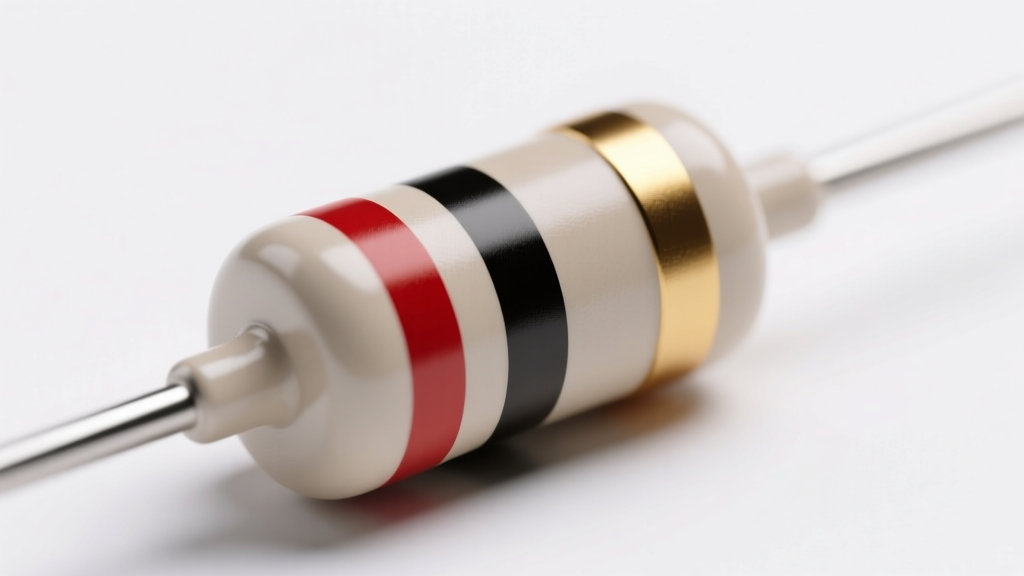
Types of Electrical Equipment and Supplies Available in Bulk Near Me
Electrical equipment and supplies are essential components in residential, commercial, and industrial settings, ensuring safe, efficient, and reliable power distribution and usage. Choosing the right materials and devices is critical for system performance, safety compliance, and long-term cost savings—especially when purchasing in bulk. Below is a comprehensive breakdown of the most common types of electrical supplies available through local distributors and wholesalers.
Circuit Breakers and Fuses
These are critical safety devices designed to protect electrical circuits from overcurrent, short circuits, and potential fire hazards.
Advantages
- Prevent equipment damage from electrical surges
- Circuit breakers are resettable and reusable
- Fuses provide fast-acting protection
- Available in various amperage ratings for different applications
Considerations
- Fuses must be replaced after tripping
- Incorrect sizing can compromise safety
- Higher-end models may be costly
Best for: Panel upgrades, industrial control panels, commercial buildings, and emergency systems
Installation & Maintenance Tools
Essential hand and diagnostic tools used by electricians for safe and accurate electrical work.
Advantages
- Ensure precision in wiring and connections
- Multimeters allow real-time voltage, current, and resistance testing
- Durable tools reduce downtime and rework
- Insulated tools enhance user safety
Considerations
- High-quality tools represent an upfront investment
- Requires proper training for accurate use
- Needs regular calibration (e.g., multimeters)
Best for: Electricians, contractors, facility maintenance teams, and DIY professionals
Power Distribution Equipment
Includes transformers, switchgear, distribution boards, and load centers that manage and route electrical power efficiently across facilities.
Advantages
- Enables safe voltage transformation and load balancing
- Supports centralized power control
- Reduces risk of overloading circuits
- Essential for large-scale commercial and industrial operations
Considerations
- Requires professional installation and compliance with codes
- Space-intensive for larger units
- Higher initial cost for industrial-grade models
Best for: Data centers, manufacturing plants, office complexes, and multi-unit residential buildings
Lighting Solutions
Modern lighting systems include LED fixtures, fluorescent tubes, emergency lights, and smart lighting controls.
Advantages
- LEDs offer up to 80% energy savings over traditional bulbs
- Long lifespan reduces replacement frequency
- Available in various color temperatures and brightness levels
- Emergency lighting ensures safety during power outages
Considerations
- Higher initial cost for smart or commercial-grade fixtures
- Compatibility with existing fixtures may require retrofitting
- Proper disposal needed for fluorescent components
Best for: Warehouses, retail spaces, offices, parking lots, and outdoor security lighting
Cables and Wires
The backbone of any electrical system, cables and wires transmit power and signals across circuits. Available in various gauges (AWG), insulation types, and configurations (e.g., THHN, NM-B, UF).
Advantages
- High conductivity with copper or aluminum conductors
- Insulated variants for indoor, outdoor, and underground use
- Bulk spools reduce cost per foot
- Available in shielded versions for noise-sensitive environments
Considerations
- Improper gauge selection can lead to overheating
- Must comply with NEC (National Electrical Code) standards
- Storage required to prevent moisture damage
Best for: New construction, rewiring projects, industrial machinery, and outdoor installations
| Equipment Type | Primary Function | Common Applications | Bulk Purchase Benefit |
|---|---|---|---|
| Circuit Breakers & Fuses | Overcurrent protection | Residential panels, industrial control systems | Cost savings on replacements and upgrades |
| Electrical Tools | Installation and diagnostics | Contractor fleets, maintenance teams | Uniformity and long-term durability |
| Power Distribution | Voltage regulation and load management | Commercial buildings, factories | Streamlined procurement for large projects |
| Lighting Systems | Energy-efficient illumination | Offices, warehouses, outdoor areas | Significant ROI through energy savings |
| Cables & Wires | Power and signal transmission | Construction, retrofitting, industrial setups | Lower cost per unit, reduced waste |
Buying Tip: When purchasing electrical supplies in bulk locally, verify that products meet NEC, UL, and RoHS standards. Partnering with a reputable supplier near you ensures faster delivery, technical support, and access to volume discounts—ideal for contractors and facility managers.
Pro Tip: Organize your bulk purchases by project phase—stock up on wires and conduits early, followed by fixtures and breakers during final installations. This improves cash flow and storage efficiency.
International Commercial Regulations and Standards for Electric Equipment and Supplies
The global trade of electrical equipment and supplies is governed by a comprehensive framework of international regulations and standards designed to ensure safety, environmental protection, energy efficiency, and worker well-being. Compliance with these standards is not only a legal requirement in many regions but also a strategic advantage for manufacturers and suppliers aiming to access international markets, build consumer trust, and support sustainable development.
Key International Standards and Regulatory Frameworks
IEC Standards
The International Electrotechnical Commission (IEC) is a globally recognized organization that develops and publishes international standards for all electrical, electronic, and related technologies. These standards cover a vast range of products, including switches, cord sets, circuit breakers, fuses, electrical panels, transformers, and industrial control systems.
IEC standards ensure interoperability, safety, and performance consistency across borders. For example, IEC 60884 governs plug and socket outlets, while IEC 60947 covers low-voltage switchgear and controlgear. Adhering to IEC specifications enables manufacturers to streamline product design, reduce testing redundancy, and facilitate market access in over 130 member countries.
By aligning with IEC standards, companies demonstrate technical competence and commitment to quality, which enhances credibility with regulators, distributors, and end-users alike.
RoHS Directive
The Restriction of Hazardous Substances (RoHS) Directive (2011/65/EU), enacted by the European Union, restricts the use of ten hazardous materials in electrical and electronic equipment (EEE). These include lead, mercury, cadmium, hexavalent chromium, polybrominated biphenyls (PBB), and bis(2-ethylhexyl) phthalate (DEHP), among others.
The directive aims to reduce environmental pollution and protect public health by minimizing toxic substances in landfills and during manufacturing and recycling processes. Products placed on the EU market must comply with RoHS limits, typically requiring rigorous material declarations and supply chain audits.
Compliance impacts product design, sourcing, and labeling. Many non-EU countries and manufacturers voluntarily adopt RoHS principles as part of their corporate sustainability strategies, making it a de facto global benchmark for environmentally responsible electronics.
CE Marking
CE Marking is a mandatory conformity mark for products sold within the European Economic Area (EEA), indicating that the product meets EU health, safety, and environmental protection standards. For electrical equipment, this often involves compliance with directives such as the Low Voltage Directive (LVD), Electromagnetic Compatibility (EMC) Directive, and RoHS.
The CE mark is not a quality indicator but a legal declaration by the manufacturer or importer that the product conforms to applicable EU legislation. It allows free movement of goods across EEA countries and is essential for market access.
To obtain CE marking, manufacturers must perform a conformity assessment, compile technical documentation, and issue an EU Declaration of Conformity. Third-party testing may be required for high-risk products. Misuse of the CE mark can result in penalties, product recalls, or bans.
Energy Efficiency Regulations
With growing concerns over climate change and energy security, many countries have implemented **Minimum Energy Performance Standards (MEPS)** and energy labeling programs for electric equipment. Examples include the EU Energy Label, U.S. ENERGY STAR program, and China’s China Energy Label (CEL).
These regulations set efficiency benchmarks for appliances, lighting, motors, power supplies, and HVAC systems. They encourage innovation in energy-saving technologies and help consumers make informed choices. For instance, modern LED lighting must meet specific lumens-per-watt thresholds to qualify for sale in regulated markets.
Compliance reduces greenhouse gas emissions, lowers operational costs for users, and supports national energy conservation goals. Manufacturers who exceed baseline requirements often gain competitive advantages through branding, tax incentives, and eligibility for green procurement programs.
OSHA Electrical Safety Regulations
In the United States, the Occupational Safety and Health Administration (OSHA) enforces workplace safety standards under the OSH Act. Its electrical safety regulations, primarily found in 29 CFR 1910 Subpart S and 29 CFR 1926 Subpart K, address hazards associated with electrical systems in commercial and industrial environments.
These rules cover wiring methods, overcurrent protection, grounding, lockout/tagout (LOTO) procedures, and safe work practices for employees exposed to electrical risks. The goal is to prevent electric shock, arc flash incidents, fires, and electrocution.
Employers must ensure that all electrical equipment is installed and maintained according to the National Electrical Code (NEC), which is referenced by OSHA. Regular training, hazard assessments, and equipment inspections are critical components of compliance. Non-compliance can lead to citations, fines, and increased liability in the event of accidents.
| Regulation/Standard | Region/Scope | Primary Focus | Compliance Benefit |
|---|---|---|---|
| IEC Standards | Global | Technical performance, safety, interoperability | Facilitates international trade and product certification |
| RoHS Directive | European Union (influences global supply chains) | Environmental protection, toxic substance reduction | Market access in EU; supports sustainability goals |
| CE Marking | European Economic Area | Conformity with EU health, safety, and environmental laws | Legal requirement for selling in EEA; builds consumer trust |
| Energy Efficiency (MEPS & Labeling) | Multiple regions (EU, USA, Canada, Australia, etc.) | Reducing energy consumption and carbon emissions | Lowers operating costs; qualifies for incentives and green programs |
| OSHA Regulations | United States (workplace-focused) | Worker safety, hazard prevention | Reduces accidents, ensures legal compliance, improves workplace culture |
Best Practices for Manufacturers and Suppliers
Important: Non-compliance with international electrical standards can result in severe consequences, including product recalls, import bans, financial penalties, and reputational damage. As regulations continue to evolve—especially in areas like sustainability and digital product passports—proactive compliance management is essential for long-term success in the global marketplace.
Understanding Electrical Equipment and Supplies: Key Applications and Benefits
Electrical equipment and supplies play a foundational role in the safe, efficient, and reliable operation of commercial, industrial, and institutional facilities. From protecting complex machinery to ensuring consistent power delivery and enhancing workplace safety, these components are essential for maintaining operational continuity and compliance with safety standards. Below is a detailed exploration of the primary applications of electrical equipment and their real-world impact.
Ensuring System Protection and Safety
Protecting electrical systems from overloads and short circuits is critical in preventing equipment damage, fires, and operational downtime. Protective devices such as circuit breakers and fuses are strategically installed in electrical panels to automatically interrupt current flow during fault conditions.
- In industrial environments, circuit breakers prevent costly damage to motors, control systems, and production lines during electrical surges.
- Fuses provide fast-acting protection in sensitive circuits, minimizing the risk of cascading failures.
- Advanced protective relays and arc-fault detection systems enhance safety in high-risk areas like data centers and manufacturing plants.
Key benefit: These devices significantly improve system reliability and personnel safety, reducing downtime and maintenance costs.
Installation and Maintenance of Electrical Systems
Proper installation and routine maintenance of electrical systems depend on high-quality tools and equipment. In office buildings, hospitals, and factories, electricians rely on precision tools to ensure accurate and safe work.
- Wire strippers, crimpers, and terminal tools ensure clean, secure connections that reduce resistance and overheating risks.
- Multimeters and voltage testers allow for accurate diagnostics, helping identify faults before they lead to system failures.
- Insulated hand tools meet safety standards (e.g., IEC 60900) and protect technicians from electric shock.
Critical insight: Using the right tools enhances efficiency, reduces workplace hazards, and ensures compliance with electrical codes.
Efficient Power Distribution
Power distribution equipment—including transformers, switchgear, distribution boards, and busbar systems—ensures that electricity is delivered safely and efficiently across facilities. These components regulate voltage levels and manage load distribution to match operational demands.
- Transformers step down high-voltage supply to usable levels for machinery and lighting systems.
- Main distribution boards (MDBs) and sub-distribution boards (SDBs) allow for organized circuit management and easy troubleshooting.
- Automatic transfer switches (ATS) maintain continuity during power outages by switching to backup generators.
Operational impact: Effective power distribution prevents voltage drops, reduces energy waste, and supports the seamless operation of critical systems.
Improved Safety and Visibility
Lighting is more than a convenience—it's a vital component of workplace safety and productivity. Modern lighting solutions, especially LED and emergency lighting systems, offer energy efficiency and enhanced visibility.
- LED lighting consumes up to 75% less energy than traditional bulbs and lasts significantly longer, reducing maintenance costs.
- Well-lit workspaces reduce eye strain, improve concentration, and lower the risk of accidents in industrial settings.
- Emergency lighting systems activate during power failures, guiding occupants to exits and ensuring safe evacuation in compliance with OSHA and NFPA standards.
Long-term advantage: Energy-efficient lighting reduces utility bills while improving safety and environmental sustainability.
Reliable Power Transmission
Wires and cables are the backbone of any electrical system, responsible for transmitting power and data signals across buildings and infrastructure. The choice of cable type, insulation, and installation method directly affects system performance and safety.
- Insulated copper cables offer excellent conductivity and durability for both underground and overhead installations.
- Armored cables (e.g., SWA – Steel Wire Armored) provide mechanical protection in harsh industrial environments.
- Fire-resistant and low-smoke zero-halogen (LSZH) cables are essential in confined spaces like tunnels and high-rises to minimize toxic emissions during a fire.
Safety note: Properly sized and insulated cables prevent overheating, electrical fires, and signal degradation, ensuring long-term system integrity.
Supporting System Integration and Scalability
Beyond basic functionality, modern electrical supplies support system integration, automation, and future expansion. Components like smart breakers, programmable logic controllers (PLCs), and energy monitoring systems enable intelligent building management.
- Smart distribution panels allow remote monitoring of energy usage and fault detection via IoT platforms.
- Modular wiring systems simplify upgrades and reconfigurations in dynamic office or production environments.
- Surge protection devices (SPDs) safeguard sensitive electronics from voltage spikes caused by lightning or grid switching.
Forward-thinking benefit: Investing in scalable, intelligent electrical systems prepares facilities for future technological advancements and energy efficiency goals.
Professional Recommendation: When specifying electrical equipment, always consider the specific environment, load requirements, and safety regulations. Prioritize components that meet recognized standards (e.g., UL, IEC, NEC) and are sourced from reputable manufacturers. A holistic approach—balancing protection, efficiency, and maintainability—leads to safer, more resilient electrical systems.
| Application Area | Key Equipment | Primary Benefit | Industry Use Case |
|---|---|---|---|
| System Protection | Circuit breakers, fuses, surge protectors | Prevents equipment damage and fire hazards | Manufacturing plants, data centers |
| Installation & Maintenance | Wire strippers, multimeters, insulated tools | Ensures safety and precision during service | Commercial buildings, maintenance teams |
| Power Distribution | Distribution boards, transformers, switchgear | Efficient load management and voltage control | Hospitals, industrial facilities |
| Lighting & Visibility | LED fixtures, emergency lights, sensors | Enhances safety and reduces energy costs | Warehouses, office complexes |
| Power Transmission | Insulated cables, armored wires, conduits | Ensures reliable and safe power delivery | Construction, utilities, infrastructure |
Additional Considerations for Optimal Electrical System Design
- Compliance and Standards: Ensure all equipment meets local and international codes (e.g., NEC, IEC, IEEE) for legal and insurance purposes.
- Energy Efficiency: Choose energy-efficient components to reduce operational costs and environmental impact.
- Maintenance Accessibility: Design systems with serviceability in mind—use labeled circuits, accessible panels, and modular components.
- Future-Proofing: Allow for capacity expansion and integration with smart building technologies.
- Environmental Conditions: Select materials resistant to moisture, dust, chemicals, and temperature extremes based on the installation environment.
Things to Consider When Choosing a Wholesaler for Electric Equipment and Supplies
For entrepreneurs and business owners in the electrical contracting, retail, or industrial sectors, selecting the right wholesaler is a strategic decision that impacts operational efficiency, product quality, customer satisfaction, and long-term profitability. A reliable electric equipment wholesaler serves as a critical partner in your supply chain, providing not just products but also technical support, logistical reliability, and market responsiveness. This comprehensive guide outlines the essential factors to evaluate when choosing a wholesaler, ensuring you make an informed decision that aligns with your business goals.
Important Note: The electrical industry is highly regulated due to safety concerns. Always verify that your chosen wholesaler complies with national and regional electrical standards (e.g., NEC, UL, CSA, IEC) and provides certified products to ensure compliance and avoid liability risks.
Key Factors in Wholesaler Selection
- Product Range and Industry Specialization
A comprehensive product portfolio is one of the most valuable assets a wholesaler can offer. Look for a supplier that carries a wide variety of electrical components, including but not limited to:
- Protective Devices: Circuit breakers, fuses, surge protectors, GFCI/AFCI outlets
- Power Distribution: Load centers, panelboards, busway systems, power strips with switches
- Tools and Accessories: Insulated hand tools, wire strippers, conduit benders, voltage testers
- Wiring & Cabling: THHN/THWN wire, Romex, control cables, data/communication cables
- Lighting & Fixtures: LED retrofit kits, commercial lighting, emergency lighting systems
- Smart & Automation: Smart switches, dimmers, home automation hubs, energy management systems
Beyond breadth, specialization matters. A wholesaler with deep expertise in the electrical industry understands technical specifications, application requirements, and emerging trends such as energy efficiency, IoT integration, and renewable energy compatibility. This knowledge enables them to offer informed recommendations, substitute obsolete parts, and support complex projects. A one-stop supplier reduces procurement complexity, streamlines inventory management, and strengthens vendor relationships.
- Product Quality and Supply Chain Reliability
The integrity of electrical systems depends on the quality of components used. Substandard products can lead to equipment failure, fire hazards, safety violations, and costly recalls. Evaluate the wholesaler’s sourcing practices—do they carry reputable brands (e.g., Siemens, Square D, Eaton, Leviton, Hubbell)? Are their products UL-listed, CSA-certified, or compliant with other relevant safety standards?
Equally important is supply consistency. Even the best products are useless if they’re unavailable when needed. Assess the wholesaler’s inventory management system:
- Do they maintain adequate stock levels of high-demand items?
- What is their lead time for back-ordered or special-order products?
- Do they offer real-time inventory visibility through online portals?
- Have they demonstrated resilience during supply chain disruptions (e.g., semiconductor shortages, shipping delays)?
Consistent availability ensures uninterrupted project timelines, reduces emergency procurement costs, and enhances your own reliability to clients.
- Competitive Pricing and Order Flexibility
While price shouldn’t be the sole deciding factor, competitive pricing directly impacts your profit margins and market competitiveness. Compare pricing across multiple wholesalers, but also consider total cost of ownership—including shipping, handling, and potential restocking fees.
Pay close attention to minimum order requirements (MOQs). Some wholesalers require large initial purchases that may strain cash flow for small businesses or startups. Look for suppliers that offer:
- Scalable pricing tiers based on volume
- Low or flexible minimum order quantities
- Bundled pricing for frequently purchased item groups
- Contract pricing for long-term agreements
A flexible ordering system allows you to manage inventory efficiently, reduce waste, and respond quickly to changing project demands. Additionally, inquire about return policies and defective product replacement procedures.
- Customer Service and Technical Support
Exceptional customer service transforms a vendor into a true business partner. In the fast-paced electrical industry, you need a wholesaler that responds promptly to inquiries, resolves order issues efficiently, and provides accurate product information.
Consider the following support capabilities:
- Dedicated account managers for personalized service
- Access to technical experts who can assist with product selection, compatibility questions, or code compliance
- Online resources such as catalogs, spec sheets, installation guides, and CAD drawings
- Support for returns, exchanges, and warranty claims
- Training sessions or product demonstrations for new technologies
A responsive support team minimizes downtime, prevents costly mistakes, and helps you stay current with evolving industry standards and innovations.
- Logistical Strength and Delivery Performance
Timely delivery is crucial in project-based industries. Delays in receiving materials can cascade into missed deadlines, labor inefficiencies, and dissatisfied clients. Evaluate the wholesaler’s logistics infrastructure:
- Geographic proximity of distribution centers to your operations
- Range of shipping options (standard, expedited, same-day, will-call)
- On-time delivery track record and performance metrics
- Integration with your procurement system (EDI, API, or e-commerce platform)
- Handling of fragile or hazardous materials (e.g., batteries, ballasts)
Wholesalers with robust logistics networks often offer lower freight costs, faster turnaround times, and greater delivery reliability. Some even provide just-in-time (JIT) delivery services tailored to construction schedules or maintenance cycles.
| Selection Criteria | Key Evaluation Questions | Red Flags | Best Practices |
|---|---|---|---|
| Product Range | Do they carry all categories you need? Are niche or specialty items available? | Limited selection, frequent substitutions, no technical documentation | Request a full product catalog and cross-reference with your BOMs |
| Quality Assurance | Are products certified? Can they provide test reports or compliance certificates? | No proof of certification, vague answers about sourcing | Verify UL/CSA marks and check for counterfeit risks |
| Supply Consistency | What is their stock availability rate? How do they handle backorders? | Frequent out-of-stocks, long lead times, poor communication | Track delivery performance over 3–6 months |
| Pricing & MOQs | Are prices competitive? Can you negotiate terms based on volume? | High minimums, hidden fees, inflexible pricing | Negotiate tiered pricing and volume discounts |
| Customer Support | Is technical help available? How quickly do they respond to issues? | Long hold times, untrained staff, no account management | Test response time with a sample inquiry |
| Logistics | What delivery options exist? Are shipping costs transparent? | Inconsistent delivery windows, high freight charges, no tracking | Compare total landed cost, not just product price |
Pro Tip: Start with a trial order to evaluate a wholesaler’s performance across all key areas—product quality, packaging, delivery speed, invoicing accuracy, and post-sale support. This low-risk approach provides real-world insights before committing to a long-term partnership.
Additional Recommendations for Long-Term Success
- Establish a formal vendor evaluation process and review performance quarterly
- Build relationships with multiple wholesalers to mitigate supply chain risks
- Leverage digital platforms for ordering, tracking, and inventory management
- Attend industry trade shows to discover new suppliers and evaluate product innovations
- Ensure contracts include service level agreements (SLAs) for delivery, returns, and support
- Stay informed about regulatory changes that may affect product compliance
Choosing the right electrical equipment wholesaler is more than a transactional decision—it’s a strategic partnership that can significantly influence your business’s efficiency, safety, and growth. By carefully evaluating product range, quality, pricing, service, and logistics, you can identify a supplier that not only meets your current needs but also supports your future ambitions. Remember, the best wholesalers act as an extension of your team, offering expertise, reliability, and value that go far beyond the price tag.
Frequently Asked Questions About Electrical Tools and Equipment Safety
Q1: Why is it important to use electrical tools, appliances, and equipment in working condition?Maintaining electrical tools, appliances, and equipment in proper working condition is crucial for both safety and operational efficiency. Well-maintained devices reduce the risk of electrical hazards such as short circuits, shocks, and fires. Regular maintenance ensures that insulation remains intact, connections are secure, and components function as intended.
- Safety: Properly functioning equipment minimizes the risk of electric shock, arc flashes, and fire outbreaks caused by frayed wires or overheating.
- Productivity: Equipment that is regularly serviced operates more efficiently, reducing downtime and increasing workflow consistency.
- Longevity: Routine inspections and preventive maintenance extend the lifespan of tools and reduce the need for costly replacements.
- Compliance: Many industries are governed by OSHA and other regulatory standards requiring regular equipment checks to ensure workplace safety.
Ultimately, maintaining electrical equipment protects workers, improves performance, and supports a safer, more reliable working environment.
Q2: How can a business owner choose the right wholesaler to avoid electric circuit breaker and fuse device issues?Selecting a reliable electrical wholesaler is essential to ensure the quality, compatibility, and safety of circuit breakers, fuses, and other critical components. Poor choices can lead to frequent system failures, code violations, or even fire hazards.
- Reputation & Reviews: Research wholesalers with strong track records. Read customer reviews on trusted platforms and check ratings with the Better Business Bureau or industry associations.
- Industry Experience: Choose suppliers who specialize in electrical equipment and have experience fulfilling bulk orders for commercial or industrial clients.
- Certifications: Ensure the wholesaler provides products that meet national safety standards (e.g., UL, CSA, or ETL listed) and are compliant with local electrical codes.
- Professional Recommendations: Consult electricians, contractors, or other business owners in your network for trusted supplier referrals.
- Association Memberships: Wholesalers affiliated with organizations like the National Electrical Contractors Association (NECA) or Independent Electrical Contractors (IEC) often adhere to higher standards.
By conducting due diligence, business owners can avoid substandard components and ensure their electrical systems remain safe, efficient, and up to code.
Q3: What are the signs of electrical tool malfunction, and what should one do about it?Recognizing early signs of electrical tool malfunction is vital for preventing accidents and equipment damage. Ignoring these warning signs can lead to serious injury or property damage.
- Intermittent Power: Tools that randomly shut off or fail to start may have internal wiring issues or failing switches.
- Sparking or Smoking: Visible sparks, smoke, or burning smells indicate serious internal faults and require immediate shutdown.
- Overheating: Excessive heat during normal use can signal motor failure, poor ventilation, or overloaded circuits.
- Damaged Cords: Frayed, cracked, or exposed wires pose electrocution and fire risks and should be replaced immediately.
- Unusual Noises: Grinding, buzzing, or screeching sounds may point to motor or bearing failure.
- Shock or Tingling Sensation: Any electric shock when handling a tool means it should be taken out of service immediately.
When any of these signs appear, the tool should be disconnected from power and labeled "Do Not Use." A qualified electrician or technician should inspect the device to determine whether repair or replacement is necessary. Never attempt to repair high-voltage tools without proper training and certification.
Q4: What are the effects of buying electric tools, devices, and equipment without proper research?Purchasing electrical equipment without thorough research can lead to a range of operational, financial, and safety problems. Making informed decisions is key to ensuring value, compliance, and long-term reliability.
- Safety Risks: Non-compliant or counterfeit devices may lack proper insulation, grounding, or overload protection, increasing the risk of fire or electric shock.
- Code Violations: Equipment not approved for local voltage, frequency, or safety standards may fail inspections or violate building codes.
- Poor Performance: Low-quality tools often underperform, break down frequently, and disrupt productivity.
- Higher Long-Term Costs: While cheaper upfront, inferior products often require frequent repairs or replacements, leading to greater expenses over time.
- Missed Savings: Without comparing options, buyers may overpay for equipment that could be sourced more affordably online or through bulk suppliers.
- Lack of Warranty & Support: Unverified sellers may not offer reliable customer service, technical support, or valid warranties.
To avoid these pitfalls, always verify product specifications, read user reviews, compare prices across reputable vendors, and confirm compliance with national safety regulations before making a purchase.
Q5: Whom should one consult to understand the various electric equipment and supply regulations?Understanding electrical regulations is essential for legal compliance, workplace safety, and system reliability. Different stakeholders can provide valuable guidance depending on the context.
- Electrical Inspectors: Local building or municipal inspectors can clarify code requirements (e.g., NEC in the U.S.) and approve installations.
- Licensed Electricians: Certified professionals are trained in current codes and can advise on proper equipment selection and installation practices.
- Regulatory Websites: Official government or standards organizations (e.g., OSHA, NFPA, IEC) publish up-to-date guidelines and safety codes online.
- Industry Associations: Groups like the National Electrical Manufacturers Association (NEMA) or the Institute of Electrical and Electronics Engineers (IEEE) offer technical resources and best practices.
- Legal Counsel: For contractual, liability, or compliance issues—especially in commercial settings—a lawyer with expertise in construction or safety law can provide critical advice.
- Local Business Networks: Speaking with other business owners or facility managers can provide real-world insights into regulatory challenges and solutions.
Staying informed through credible sources helps ensure that your electrical systems meet all legal and safety requirements, protecting both your investment and your people.