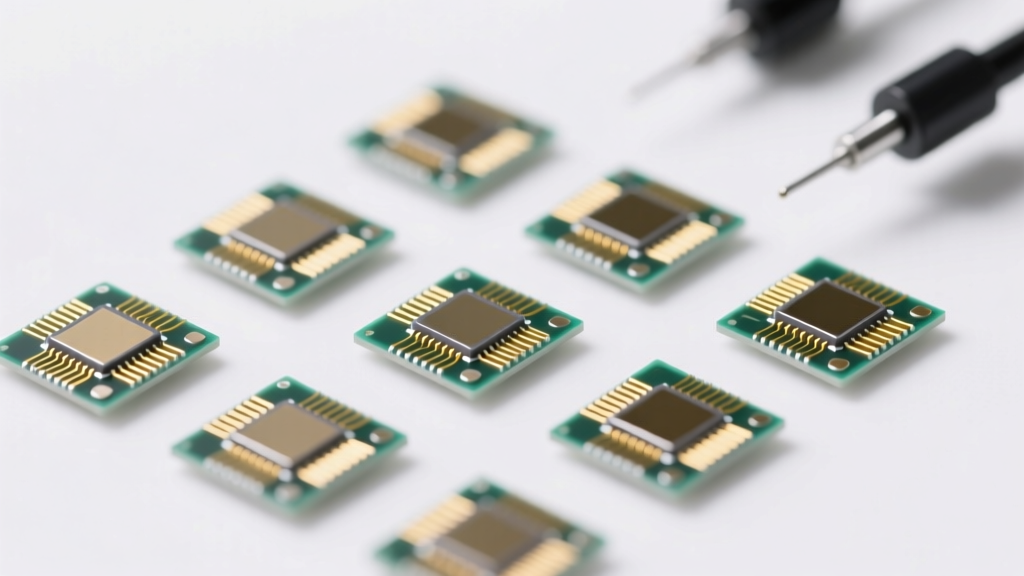
Types of Relay and Protection Microcomputers
Relay and protection microcomputers play a vital role in modern electrical power systems by monitoring, detecting, and responding to abnormal operating conditions. These intelligent devices ensure system reliability, prevent equipment damage, and enhance operational safety. Below is a detailed breakdown of key types of protective relays used in power distribution and generation systems.
Phase Current Protection Relay
Monitors current levels across three-phase systems to detect overcurrent or phase imbalance.
Advantages
- Prevents motor burnout from overloads
- Fast response to phase failure
- Essential for motor protection
- High sensitivity to current changes
Limitations
- Requires accurate current transformers
- May need recalibration over time
- Sensitive to transient surges
Best for: 3-phase motors, industrial machinery, pump systems
Asymmetry Relay
Detects imbalances in current or voltage between phases in a 3-phase power system.
Advantages
- Protects against phase loss and unbalanced loads
- Prevents overheating in motors
- Improves system longevity
- Widely compatible with industrial setups
Limitations
- Less effective in single-phase systems
- May require threshold tuning
- Dependent on stable supply voltage
Best for: Manufacturing plants, commercial buildings, heavy machinery
Frequency Protection Relay
Monitors the frequency of the power supply to ensure it remains within safe operational limits.
Advantages
- Prevents damage from under/over-frequency
- Critical for generator synchronization
- Supports grid stability
- Can trigger alarms or automatic shutdowns
Limitations
- Not needed in stable grid-connected systems
- May be redundant in small-scale applications
- Requires precise calibration
Best for: Power plants, backup generators, industrial facilities
Magnetic Asymmetry Protection Relay
Identifies imbalances in magnetic fields within rotating electrical machines.
Advantages
- Protects against internal machine faults
- Prevents mechanical stress and rotor damage
- Enhances reliability of large motors/generators
- Early fault detection capability
Limitations
- Specialized application (not general-purpose)
- Higher cost due to complexity
- Requires integration with machine sensors
Best for: Large generators, high-power motors, critical infrastructure
| Relay Type | Primary Function | Key Applications | Response Action | Sensitivity |
|---|---|---|---|---|
| Phase Current Protection | Overcurrent and phase imbalance detection | Industrial motors, pumps, compressors | Trips breaker, activates alarm | High |
| Asymmetry Relay | Current/voltage phase imbalance monitoring | Manufacturing, commercial power systems | Disconnects load, triggers warning | Medium-High |
| Frequency Protection | Monitors power system frequency stability | Power plants, generators, data centers | Shuts down equipment, alarms | High |
| Magnetic Asymmetry | Detects magnetic field imbalance in machines | Large generators, turbines, motors | Isolates machine, stops operation | Very High |
Expert Tip: Modern microprocessor-based protection relays offer advanced diagnostics, communication capabilities (like Modbus or IEC 61850), and self-monitoring features. Consider upgrading to digital relays for improved accuracy, remote access, and integration with SCADA systems in industrial environments.
Comprehensive Industry Segments of Relay and Protection Microcomputers
Relay and protection microcomputers are advanced digital systems designed to monitor, analyze, and respond to electrical anomalies in real time. These intelligent devices have revolutionized electrical safety and system reliability across various sectors by replacing traditional electromechanical relays with faster, more accurate, and programmable solutions. Their integration into modern infrastructure ensures rapid fault detection, automated corrective actions, and enhanced operational continuity. Below is a detailed exploration of their critical applications across major industry segments.
Energy Generation and Distribution
At the heart of modern power systems, relay and protection microcomputers play a pivotal role in ensuring the stability, safety, and efficiency of energy generation and distribution networks. In power plants—whether thermal, hydroelectric, nuclear, or renewable—these devices continuously monitor voltage, current, frequency, and phase imbalances to detect faults such as short circuits, ground faults, or equipment overloads.
Upon detecting an anomaly, the microcomputer triggers protective actions within milliseconds, isolating affected sections to prevent cascading failures and minimize equipment damage. This capability is essential for maintaining grid integrity, especially during transient events like lightning strikes or sudden load changes.
During power distribution, these systems support smart grid technologies by enabling remote monitoring, self-healing capabilities, and adaptive protection schemes. They also facilitate seamless integration of distributed energy resources (DERs), such as solar farms and wind turbines, into the main grid, ensuring synchronization and stability. As energy demands grow and grids become more complex, microcomputer-based protection remains indispensable for reliable and resilient power delivery.
Residential Compounds
In residential environments, the increasing complexity of electrical systems—driven by high-power appliances, home automation, and renewable energy installations like rooftop solar panels—has elevated the need for advanced protection. Relay and protection microcomputers are embedded in modern circuit breakers, residual current devices (RCDs), and arc-fault detection devices (AFDDs) to provide intelligent, responsive safety mechanisms.
These microcomputers can distinguish between normal inrush currents (e.g., when a refrigerator starts) and dangerous fault conditions such as short circuits, ground faults, or arc faults that could lead to fires. By analyzing waveform patterns and current differentials in real time, they enable precise tripping decisions that prevent nuisance outages while maximizing safety.
Moreover, in homes equipped with battery storage or grid-tied inverters, protection microcomputers ensure safe islanding during outages and prevent back-feeding into the grid during maintenance. Their role in safeguarding lives, property, and sensitive electronics makes them a cornerstone of modern residential electrical safety standards.
Commercial Premises
Commercial buildings—including office complexes, shopping malls, hospitals, and data centers—rely on uninterrupted power supply for operations, security, and occupant safety. Relay and protection microcomputers are integrated into switchgear, distribution boards, and uninterruptible power supply (UPS) systems to monitor electrical health and respond instantly to disturbances.
These systems protect against overloads, harmonic distortions, phase imbalances, and insulation failures that could disrupt HVAC systems, lighting, elevators, IT infrastructure, or life-support equipment in healthcare facilities. Their ability to log event data, communicate with building management systems (BMS), and support predictive maintenance enhances operational resilience.
For example, in a data center, even a brief power interruption can result in significant financial loss and data corruption. Protection microcomputers enable selective coordination of breakers, ensuring only the faulty circuit is isolated while the rest of the system remains operational. This precision reduces downtime, lowers repair costs, and supports compliance with industry regulations such as NFPA 70E and IEC 61850.
Industrial Complexes
Industrial facilities face some of the most demanding electrical conditions due to heavy machinery, high-power motors, variable frequency drives (VFDs), and continuous operation cycles. Relay and protection microcomputers are deployed throughout these environments—from motor control centers (MCCs) to transformer substations—to protect critical assets and personnel.
They offer specialized protection functions such as differential protection for transformers, motor overload protection, reverse power protection, and under/over-frequency monitoring. Their programmability allows customization based on specific process requirements, enabling features like auto-reclosing, load shedding, and sequential tripping.
By integrating with SCADA and industrial automation systems, these microcomputers contribute to predictive maintenance strategies, reducing unplanned downtime and extending equipment lifespan. In hazardous environments like chemical plants or oil refineries, their fast response times are crucial for preventing explosions, fires, or toxic releases caused by electrical faults. The result is a safer, more efficient, and highly reliable industrial operation.
| Industry Sector | Key Applications | Primary Benefits |
|---|---|---|
| Energy Generation & Distribution | Generator protection, transformer monitoring, transmission line relaying, grid synchronization | Prevents cascading failures, supports smart grid integration, enables rapid fault isolation |
| Residential | Smart circuit breakers, arc-fault and ground-fault protection, solar inverter safety | Enhances fire safety, prevents electrical hazards, protects home electronics |
| Commercial | Distribution panels, UPS systems, BMS integration, selective coordination | Ensures business continuity, reduces downtime, improves energy efficiency |
| Industrial | Motor protection, MCC control, process automation, SCADA integration | Protects expensive machinery, enhances worker safety, enables predictive maintenance |
Emerging Trends and Future Outlook
Important: Regardless of the application, proper configuration, regular testing, and firmware updates are essential for optimal performance of relay and protection microcomputers. Misconfiguration can lead to failure during critical events, risking equipment damage, injury, or widespread outages. Always follow manufacturer guidelines and industry best practices during installation and maintenance.
Key Specifications and Features of Relay and Protection Microcomputers
Relay and protection microcomputers are advanced digital devices that play a crucial role in modern power systems. Designed to monitor, analyze, and protect electrical networks, these intelligent systems offer superior speed, accuracy, and automation compared to traditional electromechanical relays. Understanding their technical specifications, applications, and maintenance requirements is essential for ensuring optimal performance and system safety in industrial, commercial, and utility environments.
Real-Time Monitoring Capabilities
The core function of a protection microcomputer is continuous, real-time monitoring of critical electrical parameters such as current, voltage, frequency, phase angles, and harmonic distortions. This enables immediate detection of abnormal conditions like overloads, under-voltage, or phase imbalance.
- Monitors multiple parameters simultaneously across three-phase systems
- Logs events with precise time-stamping (often synchronized via GPS or IRIG-B)
- Supports waveform capture during fault events for post-analysis
Key Benefit: Early fault detection prevents cascading failures and minimizes equipment damage.
High-Speed Data Processing
Equipped with powerful digital signal processors (DSPs) and microcontrollers, these devices can process vast amounts of data in microseconds. This rapid analysis allows for near-instantaneous decision-making, significantly reducing response times compared to legacy systems.
- Processes analog inputs sampled at kHz frequencies
- Executes complex protection algorithms (e.g., differential, distance, directional) in real time
- Enables adaptive protection schemes that adjust based on system conditions
Technical Insight: Response times typically under 20 milliseconds ensure compliance with critical protection standards.
Automation of Protection Actions
Modern relay microcomputers automate protective responses by directly interfacing with circuit breakers, alarms, and control systems. Upon detecting a fault, they initiate tripping commands without human intervention, enhancing both safety and system reliability.
- Triggers circuit breaker trips via binary outputs
- Activates alarm signals for remote monitoring stations
- Supports auto-reclosing sequences for transient faults
- Enables interlocking logic between multiple protection devices
Critical Advantage: Reduces downtime and prevents manual operator delays during emergencies.
Accuracy and Sensitivity
These microcomputers offer exceptional measurement accuracy (typically ±0.5% or better) and high sensitivity, allowing them to detect even minor deviations from normal operating conditions—such as small ground leakage currents or subtle frequency shifts.
- Precise fault location using impedance-based calculations
- High-resolution ADCs (Analog-to-Digital Converters) enhance measurement fidelity
- Self-calibration features maintain long-term accuracy
Why It Matters: Prevents nuisance tripping while ensuring genuine faults are never missed.
Advanced Communication Protocols
Integration into smart grid and SCADA systems is enabled through support for industry-standard communication protocols, facilitating seamless data exchange and centralized control.
- IEC 61850: Enables interoperability in digital substations with GOOSE (Generic Object Oriented Substation Event) messaging
- MODBUS RTU/TCP: Widely used in industrial automation for simple, reliable communication
- DNP3: Common in North American utility networks for secure, robust data transfer
- Ethernet and fiber-optic interfaces support high-speed network integration
Strategic Value: Facilitates remote monitoring, diagnostics, and firmware updates across distributed networks.
Durability and Environmental Resilience
Built for operation in harsh industrial environments, relay protection microcomputers are designed to withstand extreme temperatures, electrical noise, vibrations, and humidity.
- Operating temperature ranges typically from -25°C to +70°C
- High immunity to electromagnetic interference (EMI/RFI) per IEC 60255 standards
- Conformal coating on PCBs protects against moisture and dust
- Vibration and shock resistance suitable for switchgear and transformer installations
Reliability Factor: Designed for 15–20 years of service in mission-critical applications.
Expert Recommendation: When selecting a protection microcomputer, prioritize devices with modular I/O, expandable communication options, and support for IEC 61850. These features future-proof your installation and simplify integration into evolving smart grid infrastructures.
Applications and Operational Use Cases
Relay and protection microcomputers are versatile tools used across various aspects of power system management:
- Continuous System Monitoring: Track real-time electrical parameters in transmission lines, generators, transformers, and distribution networks.
- Fault Detection and Classification: Identify and categorize faults such as short circuits, ground faults, overloads, and phase imbalances using advanced algorithmic analysis.
- Automated Response Execution: Instantly trigger circuit breakers or isolators to isolate faulty sections and protect downstream equipment.
- Data Communication and Reporting: Transmit event logs, metering data, and alarm statuses to SCADA, DCS, or energy management systems (EMS).
- Safety Assurance: Prevent equipment damage, fire hazards, and personnel risks by rapidly disconnecting power during dangerous conditions.
- Real-Time Decision Support: Enable operators to make informed decisions based on accurate, up-to-the-second system data.
- System-Wide Coordination: Work in tandem with other relays to ensure selective tripping and maintain grid stability during disturbances.
Maintenance and Repair Best Practices
To ensure long-term reliability and accuracy, regular maintenance of relay protection microcomputers is essential. A proactive maintenance strategy extends service life and prevents unexpected failures.
- Regular System Checks: Perform periodic verification of input signals and output responses. Compare relay readings with calibrated external meters to confirm accuracy.
- Software Diagnostics: Run built-in self-tests and diagnostic routines to identify configuration errors, memory issues, or software anomalies.
- Signal Verification: Conduct secondary injection tests using relay test sets to simulate fault conditions and validate trip logic.
- Communication Testing: Verify data transmission integrity by checking protocol handshake, message latency, and error rates in network communications.
- Firmware Updates: Apply manufacturer-recommended firmware upgrades to benefit from bug fixes, enhanced protection logic, and improved cybersecurity features.
- Component Inspection: Visually inspect internal components for signs of corrosion, capacitor bulging, or PCB damage, especially in older units.
- Cleaning and Environmental Control: Remove dust and debris from vents and heat sinks to maintain proper cooling. Ensure enclosures are sealed against moisture and contaminants.
Pro Tip: Maintain a detailed maintenance log including test results, firmware versions, and calibration dates for compliance and audit purposes.
| Feature | Description | Benefit |
|---|---|---|
| Real-Time Monitoring | Continuous tracking of voltage, current, frequency, and phase | Early fault detection and system stability |
| High-Speed Processing | DSP-based analysis with sub-20ms response time | Fast isolation of faults, minimizing damage |
| Communication Support | IEC 61850, MODBUS, DNP3, Ethernet | Seamless integration with SCADA and smart grids |
| Environmental Durability | Wide temp range, EMI resistance, conformal coating | Reliable operation in harsh industrial settings |
| Accuracy & Sensitivity | ±0.5% measurement accuracy, high-resolution ADCs | Precise fault detection without false alarms |
| Automated Protection | Direct trip signal output to circuit breakers | Reduced human error and faster response |
Final Insight: The evolution from electromechanical to microprocessor-based relays represents a transformative leap in power system protection. By combining intelligence, speed, and connectivity, relay protection microcomputers not only safeguard equipment but also contribute to smarter, more resilient energy infrastructure. Investing in well-maintained, up-to-date protection systems is a cornerstone of operational excellence in any electrical environment.
Quality and Safety Considerations of Relay and Protection Microcomputers
Relay and protection microcomputers are critical components in modern power systems, responsible for monitoring, detecting, and responding to electrical faults to maintain grid stability and prevent equipment damage. Ensuring high quality and safety in these devices is essential for reliable operation, personnel protection, and system integrity. This guide explores key quality and safety considerations for relay protection microcomputers, providing insights into design, performance, and operational best practices.
Safety Warning: Always follow electrical safety protocols when working with or near protection relays. Ensure proper isolation, grounding, and personal protective equipment (PPE) are used during installation, testing, or maintenance to prevent electric shock, arc flash, or equipment damage.
Quality Considerations
The performance and longevity of relay protection microcomputers depend heavily on several key quality factors. These elements ensure the device functions accurately and reliably under real-world operating conditions.
- Reliability: In power systems, dependability is paramount. Protection relays must operate consistently and correctly, especially during fault conditions such as short circuits or overloads. High reliability prevents cascading failures, minimizes downtime, and protects expensive infrastructure like transformers and generators from long-term damage.
- Accuracy of Measurements: A high-performance relay must precisely measure critical electrical parameters including current, voltage, frequency, and phase angle. Accurate data acquisition ensures correct fault detection and decision-making, directly contributing to system stability and preventing nuisance tripping or failure to operate.
- Response Time: The speed at which a relay detects and responds to a fault is crucial. Faster response times limit the duration of fault currents, reducing thermal and mechanical stress on equipment. This rapid action enhances system efficiency, minimizes damage, and improves overall power quality compared to slower protection mechanisms.
- Durability: Relay microcomputers are often deployed in harsh environments—subject to extreme temperatures, mechanical vibrations, humidity, and strong electromagnetic interference (EMI). Robust construction using industrial-grade components and conformal coating ensures sustained performance and longevity under such challenging conditions.
- Compliance with Industry Standards: High-quality relays adhere to international standards such as IEC 60255, IEEE C37, and ANSI C37. These standards govern performance, testing, safety, and communication protocols, ensuring interoperability, regulatory compliance, and consistent behavior across different manufacturers and systems.
- Testing and Validation: Comprehensive pre-deployment testing is essential. This includes functional testing under normal and abnormal load conditions, environmental stress testing (temperature, humidity, vibration), electromagnetic compatibility (EMC) testing, and simulated fault scenarios. Rigorous validation ensures consistent accuracy, reliability, and readiness for field operation.
Safety Considerations
Beyond performance, safety is a fundamental requirement for relay protection systems. These devices must not only protect the power system but also ensure the safety of personnel and surrounding equipment.
- Insulation: High-quality insulation of internal components is critical to prevent short circuits, leakage currents, and electric shocks. Insulation materials must withstand high voltages and environmental degradation over time, ensuring safe operation even in high-voltage substations or industrial settings.
- Overload Protection: Built-in overload protection safeguards the relay’s internal circuitry from excessive current due to faults or transients. This feature prevents overheating, component burnout, and potential fire hazards, enhancing both device reliability and operational safety.
- Grounding: Proper grounding is essential for personnel safety and equipment protection. It provides a low-impedance path for fault currents to dissipate safely into the earth, protecting against electric shock, lightning strikes, and transient overvoltages. Grounding also reduces electromagnetic noise that could interfere with relay operation.
- Heat Dissipation: Continuous operation can generate significant heat within the microcomputer. Effective thermal management—through heat sinks, ventilation, or convection cooling—is vital to maintain safe internal temperatures and prevent thermal runaway, component degradation, or fire risks.
- Water and Environmental Resistance: In outdoor or industrial environments where moisture, dust, or corrosive substances are present, relays should be housed in sealed enclosures with appropriate IP (Ingress Protection) ratings. Water-resistant and dustproof designs prevent internal contamination, electrical shorts, and corrosion, ensuring long-term safety and functionality.
| Consideration Category | Key Factor | Impact on System | Best Practices |
|---|---|---|---|
| Quality | Measurement Accuracy | Ensures correct fault detection and minimizes false trips | Use calibrated sensors; perform regular system checks |
| Response Time | Reduces equipment stress and outage duration | Implement high-speed processors; optimize algorithms | |
| Environmental Durability | Extends service life in harsh conditions | Use conformal coating; select ruggedized enclosures | |
| Safety | Insulation Integrity | Prevents electric shock and short circuits | Regular insulation resistance testing (megger testing) |
| Proper Grounding | Protects against surges and ensures personnel safety | Follow IEEE 80 standards for substation grounding | |
| Thermal Management | Prevents overheating and fire hazards | Ensure adequate ventilation; monitor internal temperature |
Expert Tip: Regular preventive maintenance, including firmware updates, calibration checks, and insulation testing, significantly enhances both the quality and safety performance of protection relays. Schedule periodic audits to ensure continued compliance with evolving industry standards and site-specific requirements.
Additional Recommendations
- Integrate relays with SCADA or digital substation networks for remote monitoring and diagnostics.
- Ensure firmware is up-to-date to benefit from bug fixes, enhanced protection logic, and improved security.
- Train personnel on relay operation, testing procedures, and emergency response protocols.
- Document all settings, modifications, and test results for traceability and regulatory compliance.
- Use redundant relay systems in mission-critical applications to improve fault tolerance and system availability.
By prioritizing both quality and safety in the selection, installation, and maintenance of relay and protection microcomputers, utilities and industrial operators can ensure a resilient, efficient, and secure power system. These devices are not just protective elements—they are foundational to the intelligent, self-healing grids of the future.
Frequently Asked Questions About Relay and Protection Microcomputers
Q1: Is a relay and protection microcomputer important?Yes, microcomputer-based protection relays are critically important in modern electrical systems. Unlike traditional electromechanical relays, these intelligent devices use digital signal processing and embedded software to deliver faster, more accurate fault detection and response.
Their importance stems from several key advantages:
- Enhanced Speed: They detect and respond to electrical faults in milliseconds, minimizing damage and improving system stability.
- Advanced Diagnostics: Built-in algorithms analyze current, voltage, frequency, and phase imbalances to identify specific fault types (e.g., short circuits, ground faults).
- Automated Protection: Can initiate precise control actions such as tripping circuit breakers or isolating faulty sections without human intervention.
- Remote Monitoring: Enable real-time data access for predictive maintenance and system optimization.
These capabilities make them indispensable in power generation, transmission, distribution networks, and industrial facilities where reliability and safety are paramount.
Q2: What role does the relay and protection microcomputer play in the industrial sector?In industrial environments, protection relays serve as the first line of defense against electrical disturbances that could disrupt operations or damage expensive machinery.
Key roles include:
- Rapid Fault Isolation: Detect overcurrents, voltage sags, or phase losses and quickly disconnect affected equipment to prevent cascading failures.
- Equipment Safeguarding: Protect motors, transformers, generators, and switchgear from thermal overload, mechanical stress, and insulation breakdown.
- Downtime Reduction: By pinpointing fault locations and enabling targeted repairs, they help minimize unplanned outages in production lines.
- Process Continuity: Ensure uninterrupted operation in critical applications such as chemical plants, data centers, and manufacturing units where even brief power interruptions can be costly.
- Integration with SCADA: Communicate with supervisory systems for centralized monitoring and automated response protocols.
Overall, these microcomputers enhance operational efficiency, reduce maintenance costs, and support compliance with safety standards like IEEE and IEC.
Q3: What are the primary functions of a protection relay microcomputer?A protection relay microcomputer performs a range of intelligent functions designed to maintain the integrity and safety of electrical systems:
- Real-Time Monitoring: Continuously measures voltage, current, power, frequency, and harmonic content across multiple channels.
- Anomaly Detection: Identifies abnormal conditions such as overloads, under-voltage, reverse power flow, earth faults, and unbalanced loads using programmable thresholds and logic.
- Protective Actions: Automatically triggers circuit breaker trips, alarms, or load shedding when dangerous conditions are detected.
- Event Logging: Records fault data (time, magnitude, type) for post-event analysis and system improvement.
- Self-Diagnostics: Monitors its own health and reports internal errors or communication failures.
- Configurable Logic: Allows engineers to customize protection schemes using programmable logic functions (e.g., interlocks, time delays).
These functions are especially vital in high-voltage power grids and complex industrial installations where system stability depends on precise, coordinated responses to dynamic electrical conditions.
Q4: How to ensure maximum durability for these relays?To ensure long-term reliability and performance in harsh environments, protection relays must be designed and maintained with durability in mind:
- Robust Construction: Housed in rugged enclosures with high IP ratings to resist dust, moisture, and corrosion.
- Wide Operating Range: Engineered to function reliably in extreme temperatures (typically -20°C to +70°C) and high-humidity conditions.
- Vibration Resistance: Designed to withstand mechanical vibrations common in industrial plants and substations.
- EMI/RFI Immunity: Shielded circuitry to prevent interference from electromagnetic and radio-frequency sources that can cause false tripping or data corruption.
- Regular Testing: Scheduled stress tests, insulation checks, and functional verification ensure ongoing performance.
- Proper Installation: Mounted away from heat sources, properly grounded, and connected with shielded cables to reduce noise.
Manufacturers often subject these devices to rigorous environmental testing (e.g., IEC 60068 standards) to validate their resilience before deployment in mission-critical applications.
Q5: What kind of communication does a relay protection microcomputer perform?Modern protection relays are integral components of smart grid and industrial automation systems, relying on advanced communication protocols to exchange data with control centers and other devices:
- Standardized Protocols: Use industry-standard communication formats such as MODBUS RTU/TCP, DNP3, IEC 61850, and IEC 60870-5-104 for seamless integration.
- Data Exchange: Transmit real-time measurements (voltage, current), status signals (breaker position, alarm states), event logs, and fault records.
- Remote Control: Accept commands from SCADA or DCS systems to change settings, initiate tests, or reset alarms.
- Peer-to-Peer Communication: In advanced setups (especially with IEC 61850), relays communicate directly with each other for fast, coordinated protection (e.g., busbar or transformer differential schemes).
- Time Synchronization: Support protocols like IRIG-B or SNTP to ensure precise time-stamping of events across the network for accurate fault analysis.
This communication capability transforms protection relays from standalone devices into intelligent nodes within a larger digital ecosystem, enabling predictive maintenance, remote diagnostics, and enhanced system visibility.