Types of Bottom Shell: Nature-Inspired Craft Materials
A bottom shell refers to the protective lower portion of the exoskeleton found in marine creatures such as turtles, snails, and certain crustaceans. In nature, it provides structural support and defense against predators, playing a vital role in the survival and mobility of these animals. Over time, the aesthetic and symbolic appeal of these shells has made them popular in the world of crafts and design.
Beyond their biological origins, the term "bottom shell" in crafting often extends to any shell-like material—natural or synthetic—that mimics the form, texture, or function of genuine marine shells. These materials are widely used in jewelry making, home décor, fashion accessories, and artistic inlays, valued for their organic beauty and versatility.
This guide explores the most common types of bottom shells used in creative applications, detailing their unique characteristics, visual appeal, and ideal uses in craft projects.
Tortoise Shell
Originally derived from hawksbill turtles, authentic tortoise shell is now largely replaced by synthetic alternatives due to conservation efforts. The material features a rich, amber-brown base with distinctive swirling patterns in lighter golds and creams.
Advantages
- Elegant, warm appearance with natural variation
- Highly polishable for a glossy finish
- Historically used in luxury items like combs and eyewear
- Durable when properly treated
Limitations
- Authentic versions are banned in many countries
- Synthetics may lack depth of real material
- Can fade or discolor over time with sun exposure
Best for: Vintage-style jewelry, decorative boxes, and artisanal accessories
Cowrie Shells
Known for their smooth, porcelain-like surface and elongated, egg-shaped form, cowrie shells have been symbols of wealth and fertility across cultures. The most famous, the Cypraea moneta (money cowrie), was historically used as currency in parts of Africa and Asia.
Advantages
- Naturally glossy without additional polishing
- Strong cultural and symbolic significance
- Lightweight and easy to drill for stringing
- Variety of sizes and natural color patterns
Limitations
- Limited structural depth for inlay work
- May chip if handled roughly
- Some species are protected or regulated
Best for: Beaded jewelry, ceremonial crafts, and coastal-themed décor
Paua Shells
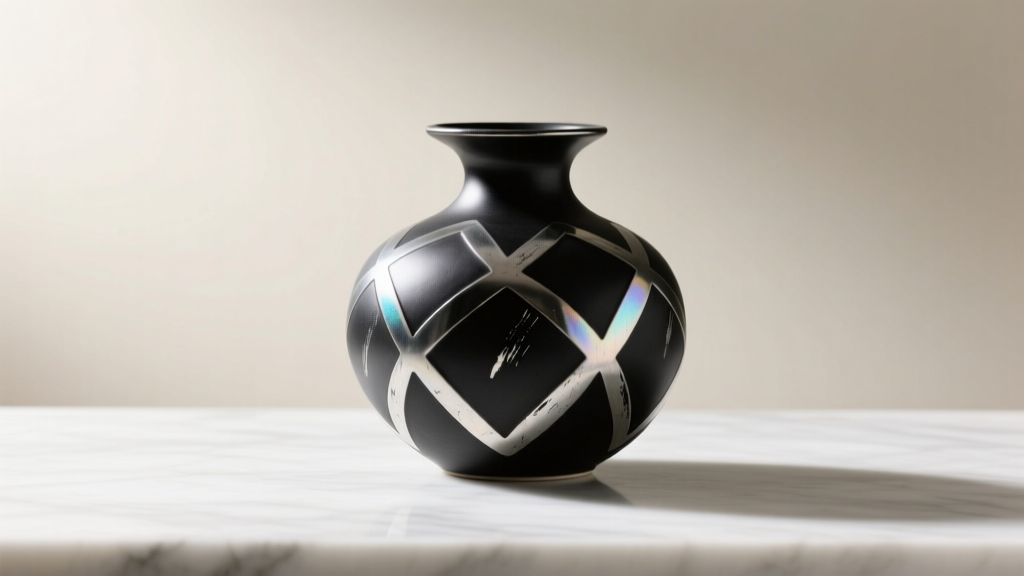
Sourced from the New Zealand abalone (a type of marine snail), Paua shells are celebrated for their vibrant, rainbow-like iridescence. The colors shift dynamically under light, displaying brilliant hues of blue, green, purple, and gold.
Advantages
- Exceptional optical appeal with natural shimmer
- Highly sought after in luxury crafts
- Excellent for precision inlay and mosaic work
- Strong cultural value in Māori art
Limitations
- Fragile and prone to cracking if not handled carefully
- Higher cost due to limited sourcing
- Requires sealing to maintain luster
Best for: High-end jewelry, art inlays, and statement décor pieces
Seashells
A broad category encompassing the hard outer casings of mollusks and other marine invertebrates, seashells come in countless shapes, sizes, and textures. Common types include conch, scallop, and whelk shells, each offering unique visual and tactile qualities.
Advantages
- Extremely diverse in form and color
- Widely available and affordable
- Ideal for large-scale décor like wall art and lamps
- Natural, eco-friendly material (when sustainably sourced)
Limitations
- Inconsistent thickness and durability
- May require cleaning and preparation before use
- Some species are sensitive to environmental harvesting
Best for: Beach-themed crafts, home décor, educational displays, and children's art projects
Snail Shells
These coiled exoskeletons belong to terrestrial and marine snails, characterized by their spiral structure and varied coloration. While smaller land snail shells are delicate, larger sea snail varieties like the garden snail or cone shell offer more robust material for crafting.
Advantages
- Unique spiral geometry adds visual interest
- Natural symmetry appeals to artistic design
- Often collected as beachcombing finds
- Can be painted or enhanced for creative effects
Limitations
- Generally small and fragile
- Less commonly used in commercial crafts
- Limited structural integrity for heavy use
Best for: Miniature art, fairy gardens, educational models, and detailed craft embellishments
| Type | Visual Appeal | Durability | Craft Suitability | Best Application |
|---|---|---|---|---|
| Tortoise Shell | Warm, swirling patterns | Medium-High | High | Vintage jewelry, luxury accessories |
| Cowrie Shells | Glossy, uniform shape | Medium | High | Necklaces, ceremonial crafts |
| Paua Shells | Iridescent, colorful | Medium | Very High | Art inlays, premium jewelry |
| Seashells | Varied, natural textures | Low-Medium | Very High | Home décor, educational crafts |
| Snail Shells | Spiral, symmetrical | Low | Medium | Miniature art, embellishments |
Expert Tip: When using natural shells in crafts, ensure they are ethically sourced and cleaned properly. Soak in a mild bleach-water solution (1:4 ratio) for 10–15 minutes to remove organic residue, then rinse and dry thoroughly before use.
Designs of Bottom Shell: Artistic Interpretations in Craftsmanship
Just as natural bottom shells exhibit a stunning diversity in form and pattern, artificially produced bottom shells for craft applications strive to replicate this organic beauty with precision and creativity. While they may not perfectly mimic the texture of genuine shells, modern craftsmanship captures their visual essence—shape, color, and intricate detailing—making them highly desirable for decorative and functional purposes.
These crafted bottom shells are widely used in interior décor, fashion accessories, cosmetic packaging, and artisanal gift items. Below is an in-depth exploration of the most popular design categories, each offering unique aesthetic appeal and application potential.
Popular Bottom Shell Craft Design Categories
Geometric Patterns
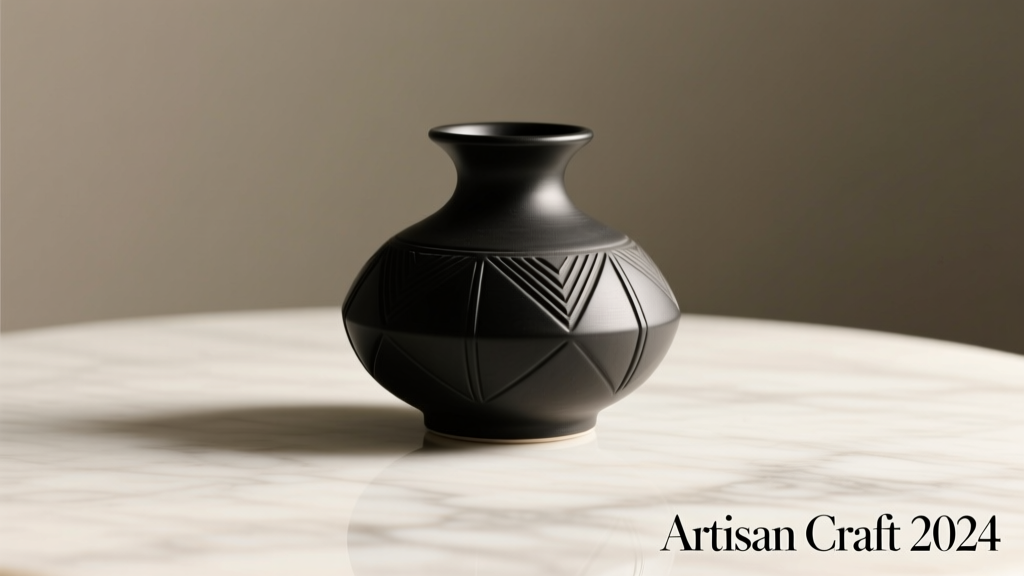
Characterized by bold lines, symmetry, and abstract forms, geometric designs bring a contemporary edge to bottom shell crafts. These patterns often feature triangles, hexagons, chevrons, or interlocking grids that convey order and modernity.
Ideal for minimalist interiors, tech-inspired accessories, or high-end product packaging, geometric motifs resonate with lovers of clean aesthetics and structured artistry. Their versatility allows them to be scaled from subtle accents to dominant visual features.
Floral Motifs
Floral-inspired bottom shell designs celebrate nature’s elegance, featuring delicate blossoms, climbing vines, and lush foliage. These patterns range from single-stem engravings to elaborate bouquets that cover the entire surface.
Commonly used in cosmetic containers, perfume bottles, and feminine gift boxes, floral designs evoke grace and sophistication. They are especially popular in bridal collections, spa products, and spring-themed décor due to their soft, romantic appeal.
Minimalist Designs
In response to the growing trend toward simplicity and mindful design, minimalist bottom shell crafts emphasize subtle elegance over ornamentation. These designs often use clean lines, muted tones, and negative space to highlight the shell’s natural shape.
With restrained detailing and a focus on organic harmony, minimalist styles are perfect for Scandinavian interiors, wellness brands, and eco-conscious products. The understated beauty allows the material itself to take center stage.
Ethnic or Tribal Patterns
Rooted in cultural heritage, ethnic and tribal designs draw inspiration from indigenous art, traditional textiles, and ancestral symbolism. Common elements include repetitive dot work, zigzag lines, stylized animal figures, and sacred geometry.
These designs not only add visual intrigue but also support cultural preservation by empowering artisan communities. Frequently found in handcrafted jewelry, ceremonial objects, and ethically sourced décor, they carry both aesthetic and symbolic value.
Ombre or Gradient Effects
Ombre designs create a seamless transition between colors—either within a single hue (light to dark) or across a spectrum (e.g., blue to purple). This effect mimics natural gradients seen in sunsets, ocean depths, or weathered shells.
Highly versatile, ombre finishes enhance decorative crafts, lighting fixtures, and luxury packaging. They add depth and movement to flat surfaces, making them ideal for modern art pieces and sensory-rich environments like spas or nurseries.
Animal-Inspired Designs
These designs replicate the distinctive patterns of real marine and reptilian shells, such as tortoiseshell, abalone, or conch. Tortoiseshell patterns, for example, feature warm amber, brown, and cream swirls that mimic the keratin layers of actual turtle shells.
Favored by marine enthusiasts, bikers, and vintage collectors, these realistic reproductions are used in eyewear, guitar inlays, watch dials, and fashion accessories. They offer the exotic look of natural materials without ethical concerns.
Abstract Swirls
Defined by flowing curves, spirals, and fluid motion, abstract swirl designs evoke a sense of calm and creativity. Unlike representational art, these patterns don’t depict specific objects but instead suggest energy, growth, or water currents.
Perfect for children’s rooms, meditation spaces, and artistic installations, abstract swirls stimulate imagination and relaxation. Their dreamy quality makes them a favorite for nurseries, wellness centers, and imaginative play environments.
| Design Type | Best Suited For | Visual Characteristics |
|---|---|---|
| Geometric Patterns | Modern interiors, tech accessories, corporate gifting | Symmetry, sharp angles, repetition, bold contrast |
| Floral Motifs | Cosmetic packaging, bridal gifts, spring décor | Delicate petals, vines, soft color palettes |
| Minimalist Designs | Eco-friendly brands, wellness products, minimalist homes | Simple lines, neutral tones, emphasis on form |
| Ethnic/Tribal | Cultural crafts, artisan jewelry, heritage projects | Symbolic patterns, dots, zigzags, ancestral motifs |
| Ombre/Gradient | Decorative art, lighting, luxury packaging | Smooth color transitions, depth, luminosity |
| Animal-Inspired | Fashion accessories, vintage collectibles, marine themes | Naturalistic swirls, earthy tones, organic textures |
| Abstract Swirls | Kids' rooms, spas, creative studios | Freeform curves, dreamy flow, non-representational |
Note: When selecting a bottom shell design for your project, consider both the intended environment and the message you wish to convey. Whether aiming for luxury, nostalgia, cultural appreciation, or tranquility, the right design can significantly enhance the emotional and aesthetic impact of your craft. Always ensure ethical sourcing and respect cultural sensitivities, especially when using tribal or animal-inspired motifs.
How to Choose Bottom Shell
Selecting the right bottom shell for your project involves more than just appearance—it's about matching the material to its intended use, aesthetic goals, ethical standards, and budget. Whether you're crafting jewelry, home décor, or art pieces, understanding the key selection criteria ensures both beauty and longevity in your final product.
Purpose & Application
The primary function of the bottom shell determines the most suitable type. Different applications demand specific characteristics such as durability, luster, or ease of shaping.
- Decorative Uses: Seashells and natural bottom shells with unique textures and iridescence are ideal for wall art, centerpieces, and coastal-themed interiors.
- Jewelry Making: Cowrie shells, paua shells, tortoiseshell, and high-quality faux alternatives offer elegance and wearability. Paua shells, known for their vibrant rainbow hues, are especially popular in pendants and earrings.
- Art & Crafts: Real shells treated for enhanced strength work best for long-lasting crafts. Consider stabilized or resin-coated shells for added resilience in mixed-media projects.
- Functional Items: For items like buttons, inlays, or instrument embellishments, durability and consistency in thickness are essential.
Key consideration: Always match the shell’s physical properties to the demands of the end-use environment.
Aesthetic Preferences
Visual appeal is often the deciding factor in shell selection. Buyers are drawn to shells based on color, shape, size, and pattern complexity.
- Color: From the deep blues and greens of paua to the creamy whites of cowrie shells, color sets the mood of the piece.
- Shape: Symmetrical cowrie shells convey elegance, while irregular bottom shells add organic, rustic charm.
- Size: Larger shells make bold statements in décor, while smaller ones are perfect for intricate jewelry designs.
- Pattern: Natural striations, spots, or iridescent flashes can elevate a simple design into a standout piece.
Pro tip: Offer a variety of styles to cater to diverse tastes—minimalist, vintage, bohemian, or luxury.
Material Quality & Durability
High-quality bottom shells resist chipping, fading, and degradation over time, preserving both beauty and function.
- Look for shells that are free from cracks, warping, or discoloration.
- Treated or stabilized shells last longer, especially in humid or high-touch environments.
- Thicker shells are more durable for drilling, mounting, or shaping in crafts.
- Faux shells made from high-grade resins can mimic natural luster while offering superior consistency and resilience.
Technical note: Natural shells may vary in quality—inspect each piece individually when sourcing in bulk.
Ethical & Sustainable Sourcing
With growing awareness of environmental impact, many buyers prefer ethically sourced or cruelty-free alternatives.
- Real shells should come from sustainable fisheries or beach-collected sources (not harvested live animals).
- Cowrie and tortoiseshell (from hawksbill turtles) are regulated under CITES; authentic tortoiseshell is often illegal to trade.
- Faux tortoiseshell and synthetic bottom shells provide ethical, cruelty-free options without sacrificing visual appeal.
- Transparent sourcing information builds trust with eco-conscious customers.
Critical factor: Clearly label products as natural, recycled, or faux to meet consumer expectations.
Cost & Value Considerations
Price varies widely based on rarity, origin, treatment, and authenticity. Balancing cost with quality ensures customer satisfaction.
- Natural Shells: Rare or large specimens (e.g., giant cowries, deep-sea paua) command premium prices.
- Faux Alternatives: Offer budget-friendly options that closely resemble real shells, ideal for mass production.
- Bulk Purchasing: Buying in volume can reduce per-unit cost, especially for crafters and designers.
- Long-Term Value: Higher upfront cost for durable, beautiful shells often results in better customer retention and fewer returns.
Smart choice: Recommend mid-range quality for most projects—excellent appearance with reasonable pricing.
Availability & Customization
Some shells are seasonal or regionally limited, while others can be customized for unique projects.
- Common shells like cowrie and standard bottom shells are widely available year-round.
- Exotic or deep-sea varieties may have limited supply and longer lead times.
- Custom cutting, polishing, or engraving services add value for specialty applications.
- Faux shells can be produced in consistent sizes, colors, and shapes—ideal for uniform designs.
Time-saving tip: Partner with suppliers who offer quick turnaround and customization options.
Professional Recommendation: For most customers, a blend of aesthetic appeal, ethical sourcing, and moderate durability offers the best balance. Suggest high-quality faux shells for jewelry and children’s crafts where safety and ethics are priorities. For luxury décor, recommend naturally sourced, sustainably harvested shells with striking visual features. Always provide clear product descriptions to set accurate expectations.
| Use Case | Recommended Shell Type | Material Source | Estimated Cost Range |
|---|---|---|---|
| Jewelry (Earrings, Necklaces) | Paua, Cowrie, Faux Tortoiseshell | Natural or High-Grade Resin | $2–$15 per piece |
| Home Décor (Mirrors, Frames) | Bottom Shell, Mother-of-Pearl Inlays | Natural or Composite | $5–$30 per panel |
| Children’s Crafts | Faux Bottom Shell, Plastic Imitations | Synthetic, Non-Toxic | $0.50–$3 per piece |
| Luxury Art Pieces | Large Cowrie, Rare Seashells | Sustainably Sourced Natural | $20–$100+ |
Additional Considerations
- Weight: Larger natural shells can be heavy—consider mounting method and structural support.
- Finish: Polished, matte, or textured finishes affect both look and feel; choose based on design intent.
- Allergies: Some people may react to shell dust or residues—recommend sealed or coated versions for sensitive users.
- Drilling & Mounting: Pre-drilled shells save time; ensure holes are clean and not cracked.
- Storage: Natural shells should be stored in dry, cool places to prevent brittleness or mold growth.
Scenarios of Bottom Shell Crafts: Versatile Uses Across Industries and Lifestyles
Bottom shell crafts—artistic creations derived from natural or synthetic shells—offer a unique blend of aesthetic appeal, cultural significance, and functional versatility. These crafts are widely appreciated not only for their organic beauty but also for their adaptability across various domains. Depending on the materials used, such as genuine seashells, resin imitations, or hybrid composites, bottom shell crafts can be tailored to suit both decorative and practical applications. Below is a comprehensive exploration of the most impactful scenarios where these exquisite crafts truly shine.
Key Applications and Use Cases
- Home Decoration: Bottom shell crafts bring a touch of coastal elegance and tranquility to interior spaces. Whether used as wall art, tabletop centerpieces, or accent pieces in bathrooms and living rooms, they enhance ambiance with their natural textures and oceanic motifs. Crafted into mirrors, candle holders, or mosaic tiles, shell-inspired designs create soothing, nature-connected environments. Replicas made from sustainable materials also allow eco-conscious homeowners to enjoy the aesthetic without environmental concerns.
- Jewelry Making: Artisans and designers frequently incorporate bottom shells into handcrafted jewelry, leveraging their iridescent surfaces and unique shapes. Necklaces, earrings, bracelets, and rings featuring authentic shell fragments or high-fidelity reproductions offer one-of-a-kind fashion statements. Mother-of-pearl, conch, and abalone shells are especially prized for their luster and color variation. These elements are often combined with metals, beads, or gemstones to create marketable, bohemian-style accessories that appeal to niche and mainstream audiences alike.
- Educational Use: In early childhood education and marine biology programs, real or simulated bottom shells serve as powerful tactile learning tools. Teachers use them in sensory bins, science stations, and art projects to help children explore marine ecosystems, biodiversity, and geometric patterns found in nature. Their varied textures, weights, and forms stimulate cognitive development and fine motor skills, making them ideal for interactive, hands-on learning experiences in classrooms, museums, and nature centers.
- Gifting: Personalized and visually striking, bottom shell crafts make meaningful gifts for a wide range of occasions. From engraved shell keepsakes and custom jewelry boxes to decorative trinket dishes, these items convey thoughtfulness and individuality. They are particularly popular for weddings, anniversaries, birthdays, and holiday celebrations, especially among those who appreciate nautical themes or coastal lifestyles. Their uniqueness ensures they stand out compared to mass-produced alternatives.
- Events and Festivals: Themed events—especially beach weddings, maritime festivals, and tropical parties—often feature bottom shell crafts as part of their décor and memorabilia. Custom-made medals, guest favors, table numbers, and award trophies crafted from shells add a distinctive, thematic flair. Event planners use them to create immersive atmospheres, while organizers of eco-friendly events may opt for sustainably sourced or recycled shell materials to align with environmental values.
- Art Exhibitions: Contemporary and traditional artists utilize bottom shell crafts in mixed-media installations, sculptures, and canvas work. These pieces are frequently showcased in marine art galleries, nature-inspired exhibitions, and craft fairs. The inherent symbolism of shells—representing journeys, protection, and the ocean—adds depth to artistic narratives. Collectors and galleries value shell-based artworks for their craftsmanship, ecological resonance, and connection to global coastal cultures.
- Workspaces: In office environments, especially those in creative, wellness, or marine-related industries, bottom shell crafts contribute to a calming and inspiring atmosphere. Custom paperweights, desk organizers, coasters, and wall art made from shells promote biophilic design principles, which link natural elements to improved focus, reduced stress, and enhanced creativity. Corporate lobbies or conference rooms may also display large-scale shell installations as conversation starters and brand identity markers.
| Application | Common Materials Used | Target Audience | Ideal Settings |
|---|---|---|---|
| Home Decoration | Natural shells, resin, ceramic, glass | Homeowners, interior designers | Living rooms, bathrooms, coastal homes |
| Jewelry Making | Abalone, conch, mother-of-pearl, alloys | Fashion enthusiasts, gift shoppers | Boutiques, craft markets, online stores |
| Educational Use | Real shells, safe replicas, sensory-safe coatings | Children, educators, museums | Classrooms, science centers, playrooms |
| Gifting | Polished shells, engraved metals, decorative finishes | Gift-givers, event attendees | Holidays, weddings, anniversaries |
| Events & Festivals | Durable composites, painted shells, eco-resins | Event planners, guests, organizers | Beach parties, cultural festivals, ceremonies |
| Art Exhibitions | Mixed media, preserved shells, sculptural bases | Art collectors, curators, galleries | Art shows, galleries, public installations |
| Workspaces | Stable composites, weighted bases, non-fragile finishes | Professionals, creatives, corporate offices | Desks, lobbies, wellness centers |
Expert Tip: When using natural bottom shells in crafts, ensure they are ethically sourced and cleaned properly to prevent odor or degradation over time. For longevity and sustainability, consider combining real shells with protective sealants or using high-quality synthetic alternatives that mimic their appearance without harming marine ecosystems.
Additional Considerations for Craft Enthusiasts
- Always verify the origin of natural shells to support sustainable harvesting practices and comply with local environmental regulations.
- Pair shell crafts with complementary materials like driftwood, sea glass, or rope to enhance thematic consistency in design projects.
- Use UV-protective coatings when displaying shell art in sunlit areas to prevent fading and brittleness.
- Label educational or exhibition pieces with information about the species, habitat, and cultural significance to enrich viewer experience.
- Explore hybrid crafting techniques—such as embedding LED lighting within shell displays—for modern, innovative applications.
Bottom shell crafts transcend mere decoration; they bridge art, nature, and function in meaningful ways. Whether used to inspire learning, elevate personal style, or beautify spaces, these versatile creations continue to captivate audiences across cultures and contexts. By thoughtfully integrating them into homes, events, and creative ventures, crafters and consumers alike celebrate the enduring allure of the ocean’s treasures.
Frequently Asked Questions About Bottom Shell Crafts and Uses
Q1: Are there health benefits associated with the use of bottom shells?Yes, certain bottom shells—such as paua, cowrie, and tortoiseshells—have been traditionally associated with health and wellness in various cultures. These natural shells are believed to possess soothing properties and are sometimes used in holistic or alternative healing practices to help alleviate stress, promote emotional balance, and support general well-being.
In some traditions, they are incorporated into jewelry, massage tools, or decorative therapy items due to their smooth texture and natural energy. Some also believe that the iridescent qualities of shells like paua can have a calming visual effect, potentially aiding in meditation or relaxation.
It's important to note, however, that while these shells may complement wellness routines, they should never be considered a substitute for professional medical treatment. Any therapeutic use should be viewed as supplementary and not a replacement for evidence-based healthcare.
Q2: Are bottom shell crafts safe for infants or children?Not all bottom shell crafts are suitable for young children, but those specifically designed for infants and toddlers are generally safe when properly made and tested. Reputable manufacturers ensure that children’s products meet safety standards, including being free from small detachable parts that could pose a choking hazard.
Natural sea shells like cowrie have long been used in various cultures as teething rings or sensory toys due to their smooth, cool surface and durable nature. When properly sanded and polished, they are gentle on tender gums and provide tactile stimulation for sensory development.
Additionally, many shell-based baby items produce little to no sound, making them ideal for quiet play and safe exploration. Always supervise young children when using shell toys, and avoid items with sharp edges, loose components, or chemical treatments unless explicitly labeled as child-safe.
Q3: How long do bottom shell products last?The lifespan of a bottom shell product depends on several factors, including the type of shell, craftsmanship, treatment, and how it's used and cared for.
- Untreated decorative pieces: These may last anywhere from a few months to a year, especially if exposed to sunlight, moisture, or frequent handling. Over time, natural shells can become brittle, fade, or lose their luster without proper protection.
- Treated and well-maintained items: Shells that have been sealed, polished, or coated with protective finishes can last for many years—even decades. With careful handling, such pieces can become heirloom-quality items, passed down through generations.
- Functional crafts (e.g., jewelry, tools): Durability increases with regular maintenance, such as gentle cleaning and storage away from harsh environments.
To extend the life of your shell products, avoid prolonged exposure to water, extreme temperatures, and abrasive materials. Periodic reapplication of protective coatings can also help preserve their appearance and structural integrity.
Q4: How are bottom shells processed for crafts?The processing of bottom shells varies significantly between natural and faux (artificial) varieties, each involving distinct methods tailored to quality, aesthetics, and scalability.
Natural Bottom Shell Processing:
- Cleaning: Shells are thoroughly cleaned to remove sand, salt residue, organic matter, and microorganisms. This often involves soaking in freshwater or mild disinfectants.
- Sanding: Rough edges and surfaces are smoothed using fine-grit sandpaper or rotary tools to ensure safety and enhance texture.
- Polishing: A final polish brings out the shell’s natural iridescence and luster, often using natural waxes or specialized polishing compounds.
- Cutting & Shaping: Shells are cut into specific forms—such as beads, inlays, or pendants—using precision tools.
- Assembly: Finished pieces are strung, glued, or mounted onto jewelry, home décor, or functional items.
Faux Bottom Shell Production:
Manufactured using resins, plastics, or composite materials, faux shells are created through molding and coloring techniques that mimic the appearance of real shells. These are ideal for mass production, offering consistent color, shape, and durability at a lower cost. They are often used in fashion accessories and large-scale decorative projects where uniformity is key.
Q5: Are bottom shell crafts suitable for outdoor use?Most bottom shell crafts are primarily intended for indoor use due to the natural vulnerability of organic shell material to environmental elements. Prolonged exposure to sunlight, rain, humidity, and temperature fluctuations can cause fading, cracking, warping, or degradation over time.
However, some treated bottom shell products—especially those sealed with waterproof resins, UV-resistant coatings, or marine-grade finishes—can withstand outdoor conditions for limited periods or in sheltered areas (e.g., covered patios or garden art under eaves).
If used outdoors, regular maintenance is essential. This includes:
- Reapplying protective sealants every few months
- Cleaning gently to prevent salt or dirt buildup
- Bringing items indoors during extreme weather
For long-term outdoor display, consider faux shell alternatives, which are generally more resilient to weathering and require less upkeep than their natural counterparts.