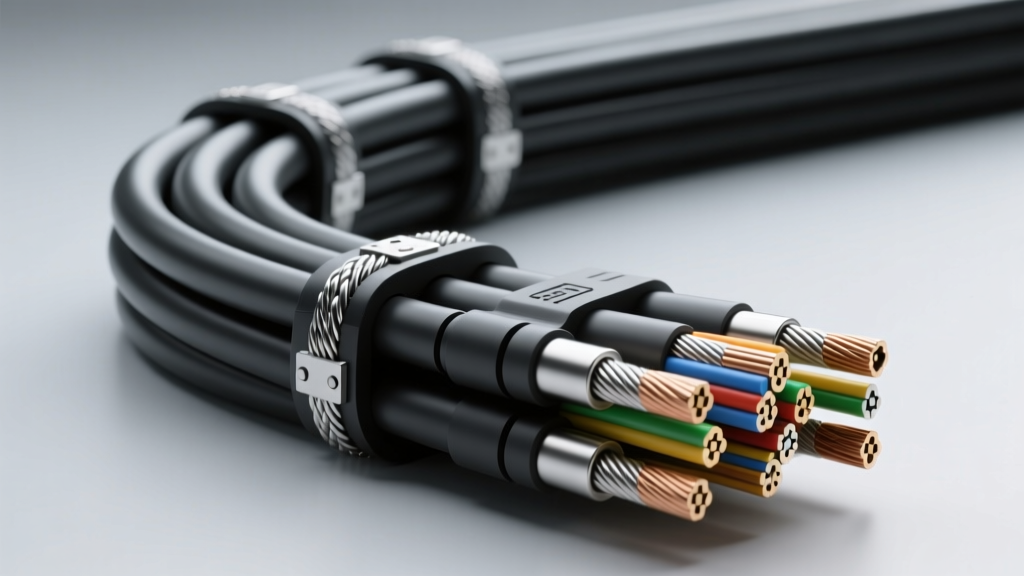
Types of Rack Mount Fiber Optic ODFs
A Fiber Optic Distribution Frame (ODF) is a critical component in modern telecommunications and data networking infrastructure. It provides a secure, organized, and standardized method for terminating, managing, and routing fiber optic cables. Rack-mounted ODFs are essential for maintaining signal integrity, minimizing fiber damage, and enabling efficient network expansion. Available in various configurations based on rack units (U) and core capacity, these frames are tailored to suit environments ranging from small telecom closets to large enterprise data centers.
1U 12-Core ODF
Compact and space-efficient, this ODF occupies just 1U of rack space while supporting up to 12 fiber cores. Ideal for small-scale installations.
Advantages
- Extremely space-saving design
- Perfect for small telecom rooms or edge locations
- Cost-effective for low-density fiber needs
- Easy to install and maintain
Limitations
- Limited scalability for future expansion
- Not suitable for high-density networks
- May require additional units as networks grow
Best for: Small offices, remote terminals, point-of-sale networks, and initial deployments
1U 24-Core ODF
Doubles the capacity of the 12-core model while maintaining the same 1U footprint, offering improved density and organization.
Advantages
- Higher fiber density in minimal space
- Reduces cable clutter and signal interference
- Ideal for growing networks with moderate demands
- Supports structured cabling standards
Limitations
- Tighter cable management required
- Potential congestion with frequent changes
- Slightly higher cost than 12-core models
Best for: Medium-sized offices, branch locations, and expanding telecom setups
1U 48-Core ODF
A high-density solution in a single rack unit, capable of managing up to 48 fiber cores—ideal for environments demanding maximum efficiency.
Advantages
- Exceptional space efficiency and fiber density
- Supports large-scale data transmission needs
- Reduces rack space consumption significantly
- Simplifies cable routing and labeling
Limitations
- Complex installation and maintenance
- Requires skilled technicians for handling
- Potential airflow obstruction in dense racks
Best for: Data centers, ISP hubs, and backbone network distribution
2U 12-Core ODF
Uses two rack units for the same 12-core capacity, providing extra space for easier cable management and future accessibility.
Advantages
- Ample space for clean cable routing
- Reduced risk of fiber bending or damage
- Easier access for troubleshooting and upgrades
- Ideal for environments with frequent changes
Limitations
- Less space-efficient than 1U alternatives
- Higher cost per core
- Overkill for static, low-maintenance networks
Best for: Labs, testing environments, and facilities with frequent reconfigurations
2U 24-Core ODF
Balances capacity and manageability, offering 24 cores with improved organization due to the 2U form factor.
Advantages
- Optimal balance of density and accessibility
- Supports scalable network growth
- Minimizes cable tangling and signal loss
- Facilitates clean, professional installations
Limitations
- Consumes more rack space than 1U models
- Higher initial investment
- May be underutilized in small setups
Best for: Enterprise networks, server rooms, and mid-sized data centers
2U 48-Core ODF
The most robust option, supporting 48 cores with enhanced spacing and organization in a 2U chassis—perfect for high-capacity environments.
Advantages
- Maximum fiber capacity with excellent manageability
- Supports complex, mission-critical networks
- Facilitates future expansion and maintenance
- Improved airflow and heat dissipation
Limitations
- High cost and rack space usage
- Requires careful planning for deployment
- Best suited for large-scale operations only
Best for: Large data centers, telecom central offices, and enterprise core networks
| ODF Type | Rack Space | Core Capacity | Density | Best Use Case |
|---|---|---|---|---|
| 1U 12-Core | 1U | 12 | Low | Small offices, remote sites |
| 1U 24-Core | 1U | 24 | Medium-High | Branch offices, expanding networks |
| 1U 48-Core | 1U | 48 | Very High | Data centers, ISP hubs |
| 2U 12-Core | 2U | 12 | Low (Spacious) | Labs, high-access environments |
| 2U 24-Core | 2U | 24 | Medium | Enterprise networks, server rooms |
| 2U 48-Core | 2U | 48 | High (with space) | Large-scale data centers, core networks |
Expert Tip: When planning fiber infrastructure, consider future scalability. Choosing a slightly higher capacity ODF (e.g., 2U 24-core over 1U 24-core) can save time and reduce downtime during network upgrades by providing better cable management and easier access.
Specifications and Features of Rack Mount Type Fiber Optic ODFs
Rack mount type Optical Distribution Frames (ODFs) are essential components in modern data centers, telecommunications networks, and enterprise IT infrastructures. These units provide a centralized, organized, and secure point for terminating, managing, and distributing fiber optic cables. Designed for high-density environments, rack mount ODFs ensure efficient cable routing, minimize signal loss, and support scalability for future network expansion.
Key Specifications of Rack Mount Fiber Optic ODFs
Understanding the technical specifications of fiber optic ODFs is crucial for selecting the right model that aligns with your network architecture, performance requirements, and physical constraints.
Port Capacity
The number of ports determines how many fiber connections an ODF can support. Standard rack mount ODFs typically range from 12 to 48 ports, making them ideal for small to medium-scale installations. High-density variants can support up to 96 or even 144 ports in a single rack unit, enabling efficient space utilization in crowded data centers.
Port capacity should be selected based on current needs and anticipated growth. Over-provisioning slightly allows for future upgrades without requiring hardware replacement.
Port Configuration and Connector Types
ODFs support various fiber optic connector types, with SC, LC, and FC being the most common. LC connectors are preferred in high-density applications due to their small form factor, while SC connectors offer excellent durability and are widely used in telecom environments. FC connectors are often used in test equipment and high-vibration settings due to their threaded coupling mechanism.
Hybrid panels allow mixed configurations, enabling compatibility with legacy systems and newer installations. Adapters are typically color-coded (e.g., blue for single-mode, beige for multimode) to prevent mismatches and reduce human error during installation.
Material and Build Quality
Most rack mount ODFs are constructed from cold-rolled steel or stainless steel to ensure structural rigidity, electromagnetic interference (EMI) shielding, and resistance to corrosion. The metal housing also provides protection against physical damage and environmental factors such as humidity and dust.
Internal components like splice trays and cable management brackets are often made from flame-retardant ABS plastic, offering durability and safety in enclosed rack environments.
Power Requirements
Traditional ODFs are passive devices and do not require external power. However, advanced intelligent ODFs—equipped with monitoring systems, LED indicators, or automated cross-connects—may require standard AC input voltage (typically 100–240V, 50/60 Hz) to operate integrated electronics.
When deploying powered ODFs, ensure proper power redundancy and surge protection, especially in mission-critical networks.
Physical Dimensions and Rack Compatibility
Rack mount ODFs are designed to fit standard 19-inch equipment racks. Common heights include 1U, 2U, and 4U, allowing flexibility based on space and port density needs. For example, a 12-port ODF might measure approximately 19" (width) x 1.75" (height) x 23" (depth), occupying minimal rack space.
Depth is particularly important in rear-access cabinets; ensure adequate clearance for cable bending radius and technician access during maintenance.
Weight and Installation Considerations
The weight of an ODF varies depending on port count, materials, and internal components, typically ranging from 5 to 15 kilograms. Despite this, they are engineered for easy installation and can be mounted using standard rack screws or sliding rails.
Heavier units should be installed with front and rear support brackets to prevent sagging and ensure long-term stability, especially in seismic zones or mobile infrastructure setups.
| Specification | Typical Range | Application Notes |
|---|---|---|
| Port Count | 12 – 144 ports | Choose based on current demand + 20–30% growth buffer |
| Connector Types | SC, LC, FC, MTP/MPO | LC for high density; FC for vibration-prone areas |
| Material | Stainless steel / Cold-rolled steel | Corrosion-resistant; EMI shielding |
| Power Requirement | Passive (no power) or AC 100–240V | Only for intelligent/monitored ODFs |
| Rack Size | 1U, 2U, 4U (19” standard) | Ensure depth clearance for cable bends |
| Weight | 5 – 15 kg | Support brackets recommended for heavier units |
Installation Guide for Rack Mount ODFs
Proper installation of a fiber optic ODF ensures optimal performance, longevity, and ease of maintenance. Follow these structured steps for a reliable deployment:
Maintenance Best Practices for Long-Term Reliability
Regular maintenance is essential to preserve the performance and lifespan of fiber optic ODFs. Neglecting upkeep can lead to signal degradation, increased downtime, and costly repairs.
Important: Always follow manufacturer guidelines and industry standards (e.g., TIA/EIA-568, ISO/IEC 14763-3) when installing or maintaining fiber optic ODFs. Improper handling, excessive bending, or using unapproved cleaning agents can permanently damage fibers and void warranties. Regular maintenance not only enhances network reliability but also simplifies troubleshooting and supports seamless scalability.
Commercial Uses of Rack Mount Type Fiber Optic ODFs
Rack mount fiber optic Optical Distribution Frames (ODFs) are essential components in modern commercial infrastructure, providing structured, secure, and scalable management of fiber optic connections. These high-density enclosures are engineered for efficient cable routing, protection, and accessibility, making them ideal for environments where reliability, performance, and ease of maintenance are critical. Below is a detailed overview of their key applications across various industries.
Data Centers
In high-capacity data centers, managing thousands of fiber connections efficiently is paramount. Rack mount ODFs provide a centralized, organized solution for terminating, splicing, and patching fiber optic cables, preventing cable congestion and minimizing signal degradation due to bending or stress.
- Support high-density cabling in confined server rack spaces
- Facilitate quick deployment and reconfiguration of network links
- Enable clean cable management with integrated slack storage and strain relief
- Improve airflow and cooling efficiency by reducing cable clutter
- Support seamless scalability for cloud services, virtualization, and AI/ML workloads
Key benefit: Ensures minimal downtime during upgrades and rapid troubleshooting during outages
Telecommunication Networks
Telecom operators rely on rack mount ODFs to manage vast fiber networks that deliver internet, voice, and video services to millions of users. These ODFs serve as critical interconnection points between backbone networks, distribution lines, and customer premises equipment.
- Provide secure termination points for long-haul and metro fiber links
- Enable efficient cross-connects between service providers and enterprise clients
- Support hot-swappable modules for maintenance without service interruption
- Offer compatibility with various connector types (LC, SC, MPO) for flexible integration
- Integrate with monitoring systems for real-time performance tracking
Pro tip: Use color-coded adapters and labels to streamline field technician operations
Corporate Offices
Modern corporate environments increasingly depend on high-speed fiber networks for internal communications, cloud access, VoIP, and video conferencing. Rack mount ODFs ensure that these mission-critical connections remain organized, protected, and easily accessible.
- Centralize fiber management in IT server rooms or telecom closets
- Simplify moves, adds, and changes (MACs) for network administrators
- Reduce electromagnetic interference (EMI) through proper grounding and shielding
- Enhance physical security with lockable enclosures and access control
- Support future-ready infrastructure for 10G, 40G, and 100G Ethernet upgrades
Critical advantage: Minimizes network downtime during office reconfigurations or expansions
Broadcasting Facilities
Broadcast studios and production houses generate massive amounts of real-time data from cameras, audio systems, and editing suites. Rack mount ODFs ensure reliable, low-latency transmission of uncompressed HD and 4K video signals over fiber.
- Handle high-bandwidth SMPTE and SDI-over-fiber signals with precision
- Maintain signal integrity across complex routing systems
- Support redundant fiber paths for fail-safe broadcast continuity
- Organize multi-channel audio and video feeds for quick identification
- Withstand continuous operation in temperature-controlled broadcast racks
Technical note: Use APC (angled physical contact) connectors to minimize back reflection in sensitive AV systems
Industrial Plants
In manufacturing and industrial settings, fiber optic ODFs are deployed to support robust communication and control systems, including SCADA, PLCs, and IoT sensors. These environments demand rugged, interference-free connectivity that traditional copper cabling cannot provide.
- Resist electromagnetic interference from heavy machinery and motors
- Operate reliably in extreme temperatures, humidity, and vibration conditions
- Prevent ground loops and voltage surges that can damage sensitive equipment
- Support deterministic latency for time-critical automation processes
- Enable secure, long-distance connections between control rooms and field devices
Durability focus: Choose IP-rated or hardened ODF enclosures for harsh industrial environments
Healthcare and Research Facilities
While not originally listed, it's worth noting that hospitals and research labs also benefit from rack mount ODFs. These facilities use fiber for medical imaging (MRI, CT scans), telemedicine, and high-performance computing, where data integrity and speed are vital.
- Support lossless transfer of large medical image files
- Ensure HIPAA-compliant network segmentation and security
- Enable high-speed connectivity between labs, imaging centers, and data archives
- Minimize latency in real-time surgical robotics and remote diagnostics
Emerging use: Integration with AI-driven diagnostic platforms requiring ultra-fast data pipelines
Professional Recommendation: When selecting rack mount ODFs for commercial use, prioritize models with modular designs, tool-less access, and compatibility with existing patch panels. Consider future expansion needs and opt for solutions that support both single-mode and multimode fibers. For mission-critical applications, invest in ODFs with integrated monitoring capabilities to proactively detect signal loss or connection issues.
| Application | Key Requirements | Recommended ODF Features | Performance Benefits |
|---|---|---|---|
| Data Centers | High density, scalability, thermal efficiency | Modular trays, MPO support, airflow design | Up to 50% faster deployment, reduced cooling costs |
| Telecom Networks | Reliability, service flexibility, remote management | Hot-swappable modules, SNMP monitoring, color coding | 99.999% uptime, reduced mean time to repair (MTTR) |
| Corporate Offices | Ease of use, security, future-proofing | Lockable enclosures, patch cord management, 1U-4U options | 30% faster MACs, improved network hygiene |
| Broadcasting | Signal purity, low latency, redundancy | APC connectors, dual-path routing, vibration resistance | Zero frame drops, studio-grade reliability |
| Industrial Plants | Ruggedness, EMI immunity, long-distance reach | IP65 rating, metal housings, grounding kits | Continuous operation in harsh environments |
Additional Considerations for Optimal Deployment
- Cable Management: Use vertical and horizontal managers to maintain bend radius and reduce stress on fibers
- Labeling Standards: Implement consistent labeling (TIA-606-B) for quick identification and troubleshooting
- Future-Proofing: Install ODFs with 20-30% spare capacity for unexpected growth
- Environmental Protection: Use dust caps and sealed enclosures to prevent contamination
- Training: Ensure technicians are trained in proper fiber handling and ODF operation to avoid damage
Logistics and Transportation Considerations for Rack Mount Fiber Optic ODFs
Proper logistics and transportation planning are essential for ensuring the safe delivery and long-term performance of rack mount fiber optic Optical Distribution Frames (ODFs). Due to their sensitive optical components, precision engineering, and structural design, ODFs require careful handling, specialized packaging, and controlled storage conditions throughout the supply chain. This guide outlines best practices for packaging, shipping, handling, and storing fiber optic ODFs to minimize damage risks and maintain signal integrity upon deployment.
Important Note: Fiber optic components are highly sensitive to physical stress, electrostatic discharge (ESD), moisture, and temperature fluctuations. Any compromise during transit or storage can lead to micro-cracks in fibers, misalignment of connectors, or degradation of performance—resulting in costly field repairs or network downtime.
Packaging Materials and Protection Strategies
The packaging of rack mount ODFs must be engineered to withstand the rigors of transportation while protecting delicate internal components. The primary goal is to prevent physical deformation, vibration damage, and environmental exposure during transit.
- Robust Outer Crating: Use heavy-duty wooden or reinforced cardboard crates designed to resist compression, impact, and stacking pressure during multi-leg shipments.
- Internal Cushioning: Incorporate high-density foam inserts, molded polystyrene, or bubble wrap padding to absorb shocks and dampen vibrations. These materials should cradle the ODF securely, minimizing internal movement.
- Moisture Barriers: Include moisture-resistant liners or desiccant packs inside the packaging to protect against humidity, especially in sea freight or tropical environments.
- ESD Protection: For models with electronic monitoring modules or active components, use anti-static bags or conductive foam to prevent electrostatic discharge damage.
- Sealing and Labeling: Seal all packaging with tamper-evident tape and apply clear labels indicating "Fragile," "This Side Up," "Do Not Stack," and "Protect from Moisture" to guide handlers.
Expert Tip: Before final sealing, verify that all fiber adapters, dust caps, and mounting hardware are secured and accounted for. Consider using serialized inventory tags on packaging for traceability across the logistics chain.
Shipping Methods: Balancing Speed, Cost, and Safety
The choice of shipping method significantly impacts delivery timelines, cost, and risk exposure. Each mode has distinct advantages and limitations depending on project urgency, budget, and destination.
| Shipping Method | Delivery Time | Cost Level | Best Use Case | Risks & Mitigation |
|---|---|---|---|---|
| Air Freight | 1–5 days | High | Urgent deployments, international deliveries | Lower vibration risk but rapid pressure/temperature changes; ensure sealed packaging with desiccants |
| Sea Freight | 2–6 weeks | Low | Bulk orders, non-urgent projects | High humidity and prolonged exposure; use waterproof containers and climate-controlled holds when possible |
| Land Transport (Truck/Rail) | 2–10 days | Moderate | Domestic or regional distribution | Vibration and road shocks; secure cargo with straps and use suspension-equipped vehicles |
When selecting a shipping method, evaluate the balance between time sensitivity and budget constraints. For mission-critical infrastructure projects, air freight may justify the higher cost due to reduced handling and faster delivery. Conversely, large-scale deployments with flexible timelines benefit from the cost-efficiency of sea freight, provided environmental controls are maintained.
Handling Procedures: Ensuring Component Integrity
Fiber optic ODFs are precision instruments that require careful handling at every stage—from warehouse pickup to final installation. Mishandling can result in bent rails, damaged fiber trays, or compromised splice enclosures.
- Unpacking Protocol: Remove packaging in a clean, dry, and static-free environment. Use non-metallic tools to avoid scratches or ESD events. Inspect for shipping damage before removing internal padding.
- Lifting and Carrying: Always lift ODFs using designated handles or support points. Avoid tilting beyond 15 degrees to prevent internal component shift. Use mechanical aids (e.g., forklifts, pallet jacks) for units over 20 kg.
- Personnel Training: All handlers should be trained in ESD safety, proper lifting techniques, and fiber optic handling protocols. Gloves and grounded wrist straps are recommended when working near exposed ports.
- Work Environment: Conduct unpacking and inspection on clean, flat surfaces free of dust, debris, and electromagnetic interference. Keep food, liquids, and personal items away from the work area.
Adhering to standardized handling procedures reduces the likelihood of field failures and ensures that ODFs arrive at the installation site in optimal condition.
Storage Conditions and Inventory Management
Proper storage is critical for preserving the functionality and longevity of rack mount ODFs, especially during extended holding periods before deployment.
- Environmental Controls: Store ODFs in a climate-controlled environment with temperatures between 10°C and 30°C (50°F–86°F) and relative humidity below 60%. Avoid locations near HVAC vents, windows, or exterior walls to prevent condensation.
- Physical Protection: Keep units in original packaging until ready for installation. If repackaging is necessary, use protective covers and store upright in dedicated racks or cabinets to prevent tipping or crushing.
- Stock Rotation: Implement a First-In, First-Out (FIFO) inventory system to ensure older units are deployed first, minimizing the risk of obsolescence or prolonged exposure to storage variables.
- Regular Inspections: Schedule periodic checks of stored ODFs to verify packaging integrity, absence of moisture, and security from pests or accidental damage.
- Documentation: Maintain logs of receipt dates, storage locations, and inspection results for traceability and warranty claims.
Consistent adherence to these storage guidelines ensures that ODFs remain in factory-fresh condition and perform reliably when integrated into network infrastructure.
Best Practice: Coordinate logistics closely with your network deployment schedule. Synchronize delivery dates with site readiness to minimize storage time and reduce exposure to potential environmental hazards.
In conclusion, the successful transportation and storage of rack mount fiber optic ODFs depend on a holistic approach that combines robust packaging, appropriate shipping methods, trained handling, and controlled storage environments. By implementing these best practices across the supply chain, organizations can safeguard their investment in fiber infrastructure and ensure seamless integration into high-performance optical networks.
Frequently Asked Questions About Rack Mount Fiber Optic ODFs
Q1: What is a rack mount type fiber optic ODF?A rack mount type fiber optic Optical Distribution Frame (ODF) is a standardized enclosure designed to organize, terminate, distribute, and protect fiber optic cables within structured cabling environments. Commonly used in data centers, telecommunications hubs, and enterprise networks, these ODFs are engineered to fit into standard 19-inch equipment racks, enabling efficient use of space and streamlined cable management.
They serve as central connection points where incoming and outgoing fiber lines are spliced, patched, and cross-connected, ensuring signal integrity and simplifying troubleshooting and network expansion. Rack mount ODFs are essential for maintaining high-density fiber networks with minimal clutter and maximum accessibility.
Q2: What are the common features of rack mount type fiber optic ODFs?Rack mount fiber optic ODFs are built with several key features that enhance performance, durability, and ease of use in demanding network environments:
- High Fiber Capacity: Supports hundreds or even thousands of fiber terminations, depending on model and configuration (e.g., 24-port, 48-port, 144-port units).
- Standardized Port Types: Compatible with common connector types such as SC, LC, FC, and ST, allowing flexibility in integration with various network devices.
- Durable Materials: Constructed from high-quality materials like cold-rolled steel or stainless steel for strength, corrosion resistance, and long-term reliability.
- Effective Cable Management: Includes features like cable routing brackets, splice trays, slack storage, and strain relief to prevent bending and damage.
- Thermal & Ventilation Design: Perforated panels or mesh doors promote airflow, helping dissipate heat in enclosed racks and preventing overheating of sensitive components.
- Tool-less Installation: Many models support quick mounting and easy access for maintenance without requiring additional tools.
- Modular Design: Allows for scalability and customization based on current and future network needs.
A fiber optic ODF functions as the backbone of fiber cable management in a network infrastructure. It works by providing a secure and organized environment for the following processes:
- Termination: Incoming and outgoing fiber cables are terminated onto adapters or patch panels within the ODF using connectors like LC or SC.
- Splicing: Fiber strands are fusion-spliced or mechanically joined inside splice trays to create permanent, low-loss connections between cables.
- Distribution: Patch cords are used to connect different ports, enabling flexible routing of optical signals between network devices such as switches, routers, and servers.
- Protection: The enclosed frame shields delicate fibers from dust, moisture, physical stress, and accidental damage during handling or maintenance.
- Labeling & Identification: Clear labeling systems allow technicians to quickly identify circuits, reducing downtime during troubleshooting or upgrades.
By centralizing these functions, the ODF ensures reliable signal transmission, reduces signal loss due to improper bending or tension, and improves overall network efficiency and uptime.
Q4: What role does the optical distribution frame play in the data center?In modern data centers, optical distribution frames are critical components for managing the vast number of fiber optic connections required to support high-speed data transfer, cloud computing, and virtualized environments. Their primary roles include:
- Centralized Connectivity: Acts as a hub where all fiber links converge, enabling seamless interconnection between core, aggregation, and access layer equipment.
- Space Optimization: Rack mount ODFs maximize vertical space usage in server racks, supporting high-density configurations without sacrificing accessibility.
- Reduced Signal Loss: Proper cable routing and bend radius control minimize optical attenuation and ensure consistent signal quality across long distances.
- Improved Maintenance: Organized layout and labeled ports simplify moves, adds, and changes (MACs), reducing human error and service interruptions.
- Scalability: Modular designs allow incremental expansion as network demands grow, making them ideal for evolving IT infrastructures.
- Enhanced Security: Enclosed frames with lockable doors help prevent unauthorized access to critical network connections.
Overall, ODFs contribute significantly to the reliability, performance, and manageability of data center networks.
Q5: What shipping options are available for optical distribution frames?Optical distribution frames can be shipped globally using several transportation methods, each suited to different priorities such as speed, cost, or volume:
| Shipping Method | Delivery Speed | Cost | Best For |
|---|---|---|---|
| Air Freight | 1–7 days | High | Urgent deliveries, small to medium-sized orders, international shipments requiring fast turnaround. |
| Sea Freight | 2–6 weeks | Low (per unit) | Bulk orders, large installations, non-urgent projects with fixed timelines. |
| Land Transportation | 2–10 days (regional) | Moderate | Domestic or cross-border deliveries, especially for time-sensitive but cost-conscious orders. |
Most suppliers offer door-to-door logistics support, including packaging, customs clearance, and insurance. The choice of shipping method depends on project deadlines, budget constraints, and order size.
Q6: What are the handling precautions for these devices?Due to their precision engineering and sensitive internal components, proper handling of rack mount fiber optic ODFs is crucial to ensure performance and longevity. Recommended precautions include:
- Safe Unboxing: Open packaging carefully using appropriate tools to avoid damaging edges or internal parts. Retain all original packaging for potential returns or storage.
- Avoid Dropping or Impact: Never drop the ODF or allow heavy objects to rest on it. Even minor dents can compromise structural integrity and alignment.
- Static Protection: Always ground yourself before handling internal components or fiber splices to prevent electrostatic discharge (ESD), which can damage sensitive electronics or coatings.
- Clean Work Environment: Install and service ODFs in clean, dry areas free from dust, moisture, and debris that could contaminate optical surfaces.
- Proper Lifting Techniques: Use two people for heavier units and lift from the base or designated handles to avoid stress on mounting rails.
- Follow Installation Guidelines: Adhere to manufacturer specifications for rack mounting, grounding, and cable bending radius to maintain warranty and performance standards.
Following these best practices ensures safe deployment and helps maintain optimal functionality throughout the ODF’s service life.