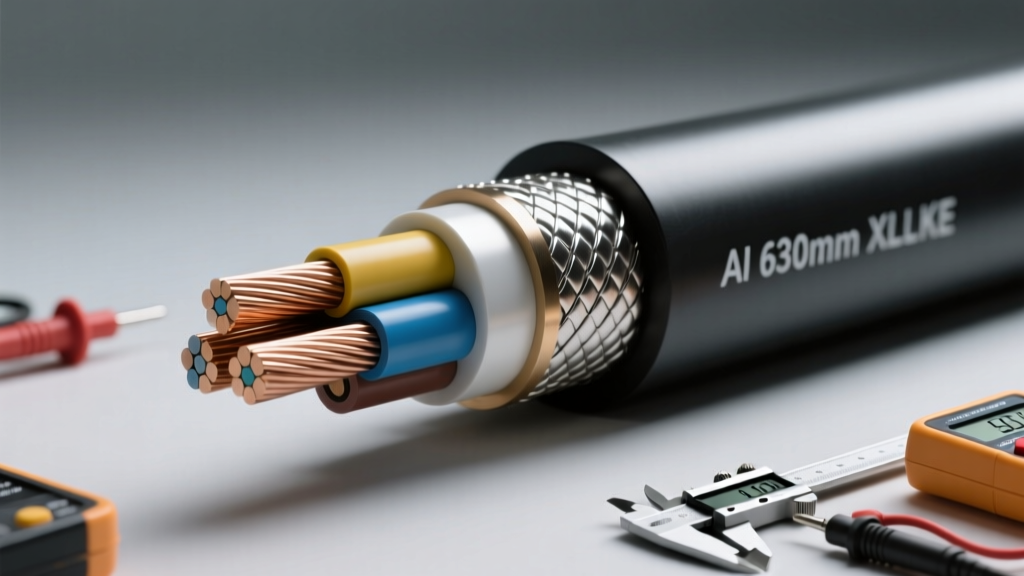
Types of Low-Loss RJ11 Coaxial Cable
A low-loss RJ11 coaxial cable is engineered to minimize signal attenuation over distance, making it ideal for reliable voice and data transmission in commercial, industrial, and residential environments. These cables are commonly used in telephony, DSL internet, and low-bandwidth data systems. Understanding the different types helps businesses and installers select the right cable for their specific application, ensuring signal integrity, durability, and compliance with safety standards.
Standard RJ11 Coaxial Cable
Basic low-loss coaxial cable designed for short to medium-distance signal transmission in controlled environments.
Advantages
- Affordable and widely available
- Suitable for basic voice and data applications
- Easy to install and terminate
- Effective for short-run installations
Limitations
- Limited interference protection
- Not ideal for long distances or noisy environments
- Less durable in harsh conditions
Best for: Indoor office phone systems, home telephony, and basic DSL connections
Shielded RJ11 Coaxial Cable
Features a metallic shield (foil or braid) around the conductor to protect against electromagnetic interference (EMI) and radio frequency interference (RFI).
Advantages
- Superior noise and interference resistance
- Maintains signal clarity in electrically noisy areas
- Ideal for industrial and commercial settings
- Reduces crosstalk in bundled cable runs
Limitations
- Higher cost than unshielded versions
- Requires proper grounding for optimal performance
- Slightly less flexible due to shielding layer
Best for: Factories, server rooms, hospitals, and areas near heavy machinery or power lines
Weatherproof RJ11 Coaxial Cable
Designed with UV-resistant and waterproof jacketing to withstand outdoor exposure and extreme weather conditions.
Advantages
- Resists moisture, sunlight, and temperature fluctuations
- Prolongs cable life in outdoor installations
- Prevents corrosion and insulation degradation
- Reliable for remote or exposed connections
Limitations
- Higher initial cost
- May require conduit in high-traffic outdoor areas
- Less flexible than indoor variants
Best for: Outdoor telephone lines, antenna feeds, rural broadband, and connections between buildings
Plenum-Rated RJ11 Coaxial Cable
Constructed with fire-retardant, low-smoke materials to meet building safety codes for air-handling spaces.
Advantages
- Meets strict fire safety standards (e.g., NFPA, NEC)
- Emits minimal toxic fumes when exposed to heat
- Safe for use in HVAC ducts and ceiling voids
- Required by code in many commercial installations
Limitations
- More expensive than standard cables
- Overkill for residential or non-plenum use
- May have slightly stiffer jacketing
Best for: Office buildings, schools, hospitals, and any structure with plenum air spaces
High-Flex RJ11 Coaxial Cable
Built with extra-flexible conductors and durable insulation for dynamic environments with frequent movement.
Advantages
- Resists cracking and fatigue from repeated bending
- Maintains signal integrity under motion stress
- Durable in robotics, automation, and moving machinery
- Long service life in high-cycle applications
Limitations
- Premium pricing due to specialized construction
- Typically shorter standard lengths
- May require custom connectors or terminations
Best for: Industrial automation, robotics, medical equipment, and portable communication devices
| Type | Signal Protection | Durability | Installation Environment | Cost Level |
|---|---|---|---|---|
| Standard | Basic | Medium | Indoor, controlled | Low |
| Shielded | Excellent (EMI/RFI) | High | Commercial, industrial | Medium-High |
| Weatherproof | Good (Environmental) | Very High | Outdoor, exposed | Medium-High |
| Plenum-Rated | Good (Fire Safety) | High | Indoor air spaces | High |
| High-Flex | Excellent (Mechanical Stress) | Very High | Moving parts, machinery | High |
Expert Tip: Always verify local building codes before installing plenum-rated cables. Using non-plenum cables in air-handling spaces can violate fire safety regulations and pose serious risks during emergencies.
Industry Applications of Low-Loss RJ11 Coaxial Cable
The low-loss RJ11 coaxial cable is a specialized connectivity solution engineered to deliver high signal integrity over extended distances. Thanks to its enhanced shielding, reduced attenuation, and reliable performance in electrically noisy environments, it has become a preferred choice across a wide range of industries. Unlike standard cables that degrade signal quality, low-loss variants maintain clarity and strength—making them ideal for mission-critical communication and data transmission applications.
Telecommunications Industry
In telecommunications infrastructure, low-loss RJ11 coaxial cables play a vital role in connecting core network components such as telephone switches, digital cross-connect systems (DCS), and routers within central offices and telecom hubs. These environments demand minimal signal degradation to ensure crystal-clear voice transmission and reliable call routing.
The cable’s low attenuation characteristics help maintain signal strength across long cable runs, reducing the need for repeaters or signal boosters. Its impedance stability and noise resistance also support consistent performance in high-density wiring installations, where crosstalk and interference are common concerns.
Commercial Building Wiring
Modern commercial buildings—including office complexes, hotels, shopping centers, and educational institutions—rely heavily on dependable internal communication systems. Low-loss RJ11 coaxial cables are widely used to wire legacy telephone networks, VoIP systems, intercoms, and even auxiliary internet connectivity points.
These cables are especially valued for their durability and resistance to environmental stressors such as temperature fluctuations and mechanical wear. Their robust construction ensures long-term reliability in high-traffic areas where communication systems are in constant use, minimizing downtime and maintenance costs.
Industrial Settings
In industrial environments like manufacturing plants, warehouses, and processing facilities, electronic systems are exposed to high levels of electromagnetic interference (EMI) from motors, transformers, and heavy machinery. The superior shielding of low-loss RJ11 coaxial cables protects transmitted signals from EMI and radio frequency interference (RFI), ensuring stable and accurate data transfer.
These cables are commonly used to connect programmable logic controllers (PLCs), human-machine interfaces (HMIs), and remote I/O modules. Their ability to perform reliably under harsh conditions makes them essential for maintaining operational continuity and preventing costly system disruptions.
Broadcasting Industry
Broadcast studios and transmission facilities require pristine audio and control signal quality to deliver professional-grade content. Low-loss RJ11 coaxial cables are frequently employed to link audio mixers, patch bays, transmitters, and monitoring equipment, where even minor signal degradation can affect broadcast fidelity.
Engineers appreciate the cable’s ability to preserve signal amplitude and phase consistency, which is crucial for time-sensitive audio routing and synchronization. The minimal signal loss ensures that audio remains clear and distortion-free, even when transmitted across large studio complexes.
Healthcare Sector
Hospitals, clinics, and long-term care facilities depend on uninterrupted communication for patient safety and operational efficiency. Low-loss RJ11 coaxial cables are used to connect landline telephones, nurse call systems, emergency intercoms, and paging networks throughout medical facilities.
Given the critical nature of healthcare communications, these cables are chosen for their reliability, consistent performance, and resistance to interference from medical equipment such as MRI machines and X-ray devices. Their long service life and low failure rate make them a cost-effective solution for maintaining 24/7 connectivity in life-critical environments.
Security System Installation
Security and surveillance systems demand stable, interference-free connections to ensure continuous monitoring and rapid response. Low-loss RJ11 coaxial cables are used to integrate alarm control panels, access control systems, CCTV intercoms, and remote monitoring stations.
With excellent shielding and consistent impedance, these cables prevent signal dropouts and false alarms caused by electrical noise. Their durability also ensures long-term performance in both indoor and outdoor security installations, including those exposed to moisture, dust, and temperature extremes.
| Industry | Primary Use | Key Benefit of Low-Loss Cable |
|---|---|---|
| Telecommunications | Connecting switches, routers, and PBX systems | Minimized signal loss over long runs; improved voice clarity |
| Commercial Buildings | Telephone, intercom, and VoIP system wiring | Durability and resistance to wear in high-traffic areas |
| Industrial | Data and control signal transmission in automation | EMI/RFI shielding for reliable operation in noisy environments |
| Broadcasting | Audio and control signal routing | Precise signal integrity for high-fidelity audio transmission |
| Healthcare | Paging, intercom, and emergency communication systems | Reliable, uninterrupted performance in critical settings |
| Security | Alarm systems, access control, and surveillance intercoms | Stable connections with minimal interference or false triggers |
Important: While RJ11 connectors are commonly associated with telephone lines, it's crucial to use low-loss coaxial variants specifically designed for high-fidelity signal transmission in professional applications. Standard twisted-pair cables may not provide adequate shielding or bandwidth, leading to degraded performance. Always verify cable specifications and compliance with industry standards (e.g., TIA/EIA) before deployment.
Product Specifications and Features of Low Loss RJ11 Coaxial Cable
The Low Loss RJ11 Coaxial Cable is engineered for reliable, high-integrity signal transmission in telecommunications and low-voltage applications. Designed to minimize signal degradation over distance, this cable is ideal for voice, data, and control systems in both residential and commercial environments. Below is a comprehensive breakdown of its technical attributes, installation best practices, usage recommendations, and maintenance protocols to ensure optimal performance and longevity.
Technical Specifications
Understanding the core technical features of the Low Loss RJ11 coaxial cable helps in selecting the right solution for signal integrity and transmission efficiency.
- Signal Propagation: Engineered for minimal signal loss, coaxial cables offer superior transmission efficiency compared to standard twisted-pair or unshielded cables. This low-loss characteristic is especially beneficial in long-distance runs, where signal attenuation can significantly impact performance.
- Resistance to Interference: The coaxial design features a central conductor surrounded by a dielectric insulator, a conductive shield, and an outer jacket. This layered construction effectively blocks electromagnetic interference (EMI) and radio frequency interference (RFI), ensuring clean, stable signal transmission even in electrically noisy environments.
- Low Attenuation: The low-loss RJ11 phone cable is specifically designed to maintain signal strength across extended distances. With reduced signal degradation, it is ideal for applications in large office buildings, industrial facilities, or outdoor installations where cable runs exceed typical lengths.
- Material Composition: The inner conductor is typically made of solid or stranded copper or copper-clad steel for optimal conductivity and durability. The outer jacket is constructed from high-quality PVC or polyethylene, offering excellent protection against moisture, abrasion, UV exposure, and physical damage.
Technical Insight: Look for cables with foam dielectric insulation, as it further reduces signal loss and improves velocity of propagation (VoP).
Installation Guidelines
Proper installation is crucial to maintaining the performance benefits of low-loss coaxial cables. Following best practices ensures signal integrity and prevents premature wear.
- Distance Consideration: While low-loss cables are designed for longer runs, signal degradation still increases with distance. To maintain optimal performance, keep cable runs as short as possible. For distances exceeding 100 feet, consider using signal boosters or repeaters to maintain clarity and strength.
- Avoid Sharp Bends: Even though coaxial cable installers often work in tight spaces, sharp bends (less than 10 times the cable diameter) can deform the internal structure, disrupt the signal path, and increase attenuation. Always follow the manufacturer’s recommended bend radius to preserve cable integrity.
- Secure Routing: Use proper cable ties and supports to prevent sagging or tension on connectors. Avoid running coaxial cables parallel to power lines; if crossing is necessary, do so at a 90-degree angle to minimize interference.
- Connector Quality: Use high-quality RJ11 connectors and proper crimping tools to ensure a secure, low-resistance connection. Poor terminations are a common cause of signal loss and intermittent faults.
Pro Tip: Label both ends of each cable during installation for easier troubleshooting and future maintenance.
Usage Guidelines
Maximizing the effectiveness of your low-loss coaxial cable requires attention to environmental and operational factors.
- Avoid Electrical Interference: Never route the RJ11 coaxial cable near high-voltage lines, transformers, or motors. Even with shielding, proximity to strong electromagnetic sources can induce noise and degrade signal quality. Maintain at least a 6-inch separation from power cables when possible.
- Maintaining Cleanliness: Keep connectors and ports free of dust, moisture, and debris. Contaminants can create poor contact, increase resistance, and lead to signal loss or intermittent connections. Use compressed air or contact cleaner for routine cleaning.
- Environmental Protection: In outdoor or high-humidity environments, use weatherproof enclosures and drip loops to prevent water ingress, which can corrode conductors and compromise insulation.
- Proper Load Matching: Ensure the cable impedance (typically 75Ω or 100Ω) matches the connected devices to prevent signal reflection and standing waves.
Best Practice: Regularly test signal strength with a line tester to catch degradation early.
Maintenance and Repair
Regular maintenance extends the lifespan of coaxial cables and prevents unexpected service interruptions.
- Periodic Inspection: Conduct routine visual and functional inspections to identify signs of wear, such as cracked insulation, kinks, crushed sections, or corroded connectors. Pay special attention to outdoor runs and areas with high foot or vehicle traffic.
- Repairing Damage: For minor cuts or connector damage, use splice kits or replace the connector. For more severe damage—such as crushed cores or water ingress—replace the affected section or the entire run to ensure reliability. Splices can introduce signal loss and should be avoided when possible.
- Preventive Maintenance: In harsh environments, consider installing conduit protection or upgrading to armored coaxial cable for added durability.
- Documentation: Maintain a log of cable installations, repairs, and test results to support future troubleshooting and upgrades.
Critical Note: If signal issues persist after inspection, test for grounding problems or shielding faults that may not be visible externally.
Professional Recommendation: For mission-critical or long-distance applications, invest in certified low-loss coaxial cables from reputable manufacturers. These products often undergo rigorous testing for attenuation, shielding effectiveness, and environmental resistance, providing greater reliability and peace of mind. Always pair high-quality cable with proper installation techniques to achieve the best results.
| Feature | Description | Benefit |
|---|---|---|
| Low Signal Attenuation | Reduced signal loss over distance | Clear voice/data transmission over long runs |
| EMI/RFI Shielding | Multi-layer shielding protects against interference | Stable performance in electrically noisy areas |
| Durable Jacket Material | PVC or polyethylene outer layer | Resists moisture, UV, and physical damage |
| Copper or Copper-Clad Core | High-conductivity inner conductor | Efficient signal transmission with minimal resistance |
| RJ11 Compatibility | Standardized 4P4C or 6P6C connectors | Easy integration with existing phone and data systems |
Additional Considerations
- Future-Proofing: Consider installing higher-grade coaxial cable (e.g., RG-6 or RG-11) even for current RJ11 applications, allowing for future upgrades to broadband or surveillance systems.
- Fire Safety: In commercial buildings, use plenum-rated (CMP) or riser-rated (CMR) cables where required by local fire codes.
- Grounding: Properly ground coaxial shields to prevent static buildup and improve noise immunity.
- Compatibility: Verify that the cable impedance and connector type match the equipment specifications to avoid performance issues.
- Sustainability: Recycle old coaxial cables through certified e-waste programs to reduce environmental impact.
How to Choose the Best Low-Loss RJ11 Coaxial Cable
Selecting the right low-loss RJ11 coaxial cable is essential for maintaining signal integrity, minimizing interference, and ensuring reliable performance in voice, data, and telecommunication systems. Whether you're outfitting a small office, setting up a home network, or managing a commercial installation, understanding the key selection criteria will help you make an informed decision. This guide breaks down the most important factors—from shielding and jacket material to distance and flexibility—so you can choose a cable that meets both your technical requirements and budget constraints.
Note on Terminology: While "RJ11" typically refers to standard telephone connectors used with twisted-pair cables, the term is sometimes mistakenly applied to coaxial cables in low-voltage applications. True coaxial cables are more commonly associated with RF, video, or broadband signals (e.g., RG-6, RG-59). Ensure you're selecting the correct cable type—coaxial vs. twisted pair—based on your signal transmission needs. This guide assumes a hybrid or specialized low-loss coaxial solution designed for analog voice or DSL applications using RJ11-compatible connectors.
1. Shielding: Protecting Signal Integrity
Shielding is one of the most critical factors in preventing electromagnetic interference (EMI) and radio frequency interference (RFI), which can degrade signal quality and cause communication errors.
- Shielded Cables (STP): Ideal for industrial environments, data centers, or areas near heavy machinery, motors, or high-power electrical systems. Look for coaxial cables with braided copper shielding or foil-braided combinations (e.g., 95%+ coverage) to maximize protection.
- Unshielded Cables (UTP): Suitable for low-noise environments like offices, homes, or retail spaces where EMI is minimal. These are generally more cost-effective and easier to install but offer less protection against interference.
- Hybrid Options: Some low-loss coaxial cables combine coaxial shielding with RJ11-style termination for specialized analog or DSL applications, offering superior noise rejection over standard telephone cables.
Expert Tip: In mixed-use environments, consider using shielded cables with proper grounding to future-proof your installation and avoid costly upgrades due to signal degradation.
2. Jacket Material: Durability and Environmental Resistance
The outer jacket protects the internal conductors and shielding from physical damage, moisture, and environmental stress. Choosing the right material ensures longevity and reliability.
- PVC (Polyvinyl Chloride): Most common for indoor use. Flexible and cost-effective, but not UV-resistant or suitable for extreme temperatures.
- Plenum-Rated (CMP): Required for installation in air-handling spaces (e.g., drop ceilings, HVAC ducts). These jackets are fire-resistant and emit low smoke and toxins when burned.
- Outdoor/Weatherproof Jackets: Made from UV-resistant materials like PE (polyethylene) or LSZH (Low Smoke Zero Halogen), ideal for exterior runs, direct burial (if rated), or damp environments.
- High-Flex Jackets: For dynamic applications where the phone jack cable is frequently moved, coiled, or routed through tight spaces. These are often used in portable equipment, stage setups, or temporary installations.
3. Distance and Signal Loss: Matching Length to Performance
Signal attenuation (loss) increases with cable length, especially in analog and high-frequency applications. Low-loss coaxial cables are specifically engineered to minimize this degradation.
- Measure the required run length precisely to avoid unnecessary extensions or splices.
- Use the shortest cable possible that still allows for neat routing and service loops. Excess length increases signal loss and creates clutter.
- For runs exceeding 100 feet (30 meters), consider low-loss variants with larger center conductors (e.g., RG-6 or RG-11) even if terminated with RJ11 connectors, as they maintain signal strength over longer distances.
- Check the cable’s attenuation specifications (measured in dB per 100 ft) at the operating frequency to ensure acceptable performance.
4. Bending Radius: Flexibility and Installation Ease
The minimum bending radius determines how tightly a cable can be bent without damaging internal components or degrading signal performance.
- Standard coaxial cables typically have a minimum bend radius of 10x the cable diameter. Exceeding this can kink the center conductor or compress the dielectric, leading to signal loss.
- High-Flex Coaxial Cables: Designed for repeated movement and tight bends, these are ideal for robotics, medical devices, or any application where a coaxial cable for phones or modems must be frequently repositioned.
- Avoid sharp bends around corners or under carpets. Use cable guides or strain reliefs to maintain proper curvature.
5. Cost and Budget: Balancing Performance and Value
While budget is always a consideration, investing in a higher-quality low-loss coaxial cable can save money in the long run by reducing downtime, maintenance, and replacement costs.
- Entry-level cables may suffice for short, indoor, low-interference applications.
- Premium cables with better shielding, lower loss, and ruggedized jackets are worth the investment for mission-critical or long-term installations.
- Compare total cost of ownership—not just upfront price—factoring in lifespan, reliability, and potential troubleshooting time.
- Look for reputable brands with certifications (e.g., UL, RoHS) to ensure compliance with safety and performance standards.
| Selection Factor | Best Use Case | Recommended Features | Avoid If… |
|---|---|---|---|
| Shielding | Industrial, high-EMI environments | Braided shield, 95%+ coverage, grounded connectors | Using unshielded cable near motors or power lines |
| Jacket Material | Outdoor, plenum, or high-flex applications | UV-resistant PE, plenum-rated CMP, or flexible LSZH | Running standard PVC cable outdoors or in air ducts |
| Distance | Long runs (>30m) | Low-loss dielectric, thicker center conductor (RG-6/RG-11) | Using thin, high-attenuation cable for long distances |
| Bending Radius | Moving equipment or tight spaces | High-flex design, strain relief, small bend radius | Bending standard coax beyond 10x diameter |
| Cost & Budget | Balancing performance and affordability | Certified cables with proven reliability | Choosing cheapest option without checking specs |
Pro Tip: Label both ends of your coaxial cables during installation. This simplifies troubleshooting, future upgrades, and system documentation—especially in complex setups with multiple runs.
Final Recommendations
- Always verify compatibility between the coaxial cable, connectors, and equipment (e.g., DSL modems, PBX systems).
- Use proper crimping or termination tools to ensure secure, low-resistance connections.
- Test signal quality after installation using a line tester or time-domain reflectometer (TDR) if available.
- Consider future expansion—install slightly longer runs or extra conduits to accommodate upgrades.
- Consult manufacturer specifications for attenuation, impedance (typically 75Ω for coaxial), and frequency response.
Choosing the right low-loss RJ11 coaxial cable isn't just about price—it's about matching the cable’s technical characteristics to your environment and application. By carefully evaluating shielding, jacket type, distance, flexibility, and cost, you can ensure reliable, high-performance connectivity that stands the test of time. When in doubt, opt for higher-quality components; they often provide better long-term value and fewer service issues.
Frequently Asked Questions About Low Loss RJ11 Coaxial Cable
Q1: What is the main function of an RJ11 low-loss coaxial cable?Low-loss RJ11 coaxial cables are specifically engineered to transmit analog telephone signals and low-speed data over extended distances while minimizing signal degradation. Unlike standard cables that may suffer from attenuation (signal loss) over long runs, these cables use enhanced dielectric insulation and optimized conductor materials to preserve signal integrity.
This makes them particularly well-suited for commercial buildings, industrial complexes, and multi-tenant facilities where reliable voice communication and stable data transmission are critical. They ensure clear call quality and reduce the risk of dropped connections, especially in setups with long cable runs between telephone exchanges, PBX systems, and endpoint devices.
- Key Applications: Business phone systems, security alarm panels, fax machines, and legacy data networks.
- Signal Preservation: Maintains strong signal strength even over distances exceeding 100 meters.
- Compatibility: Works with standard RJ11 jacks and connectors used in North American telephony infrastructure.
The primary difference lies in electromagnetic interference (EMI) protection. A shielded RJ11 coaxial cable includes a metallic foil or braided mesh layer surrounding the inner conductor and insulation. This shielding acts as a barrier against external electrical noise generated by power lines, fluorescent lighting, motors, and other electronic equipment.
In contrast, unshielded cables lack this protective layer, making them more vulnerable to interference that can cause static, crosstalk, or data errors—especially in electrically noisy environments.
| Feature | Shielded RJ11 Cable | Unshielded RJ11 Cable |
|---|---|---|
| Interference Protection | Excellent – resists EMI and RFI effectively | Limited – susceptible to nearby electrical noise |
| Installation Environment | Industrial areas, server rooms, near power cables | Residential settings, low-noise offices |
| Cost | Slightly higher due to added materials | More affordable for basic installations |
| Grounding Requirement | Must be properly grounded to be effective | Not required |
For mission-critical communications or installations near heavy machinery, shielded low-loss coaxial cables are strongly recommended to ensure consistent performance and signal clarity.
Q3: Are RJ11 coaxial cables weatherproof?Standard RJ11 coaxial cables are designed for indoor use and are not resistant to moisture or UV exposure. However, specialized outdoor-rated versions of low-loss RJ11 coaxial cables are available and built to withstand harsh environmental conditions.
These weatherproof cables feature a thick, durable outer jacket made from UV-resistant polyethylene or PVC, which protects against rain, snow, temperature extremes, and prolonged sunlight exposure. Some models also include gel-filled cores or water-blocking tapes to prevent moisture ingress along the cable length.
- Outdoor Use Cases: External telephone lines, rural communication links, temporary field installations, and connections between buildings.
- Cable Ratings: Look for terms like “direct burial,” “flood-resistant,” or “UV-stable” when selecting outdoor variants.
- Connectors: Use waterproof boots or enclosures to protect termination points from corrosion and water damage.
Using indoor-rated cables outdoors can lead to insulation breakdown, signal loss, and premature failure—so always choose the appropriate environmental rating for your application.
Q4: How does one know the coaxial cable for phones that are needed?Selecting the right coaxial cable for phone systems involves evaluating several key factors to ensure optimal performance, longevity, and compliance with safety standards. The decision should go beyond basic connectivity and consider the specific demands of your installation environment.
- Installation Environment:
- Indoor: Standard or shielded low-loss cables work well in offices and homes.
- Outdoor: Choose UV-resistant, moisture-proof cables rated for exterior use.
- Plenum Spaces: In air-handling areas (like drop ceilings), use plenum-rated cables with fire-retardant jackets to meet building codes.
- Distance Requirements: For runs longer than 50 feet, low-loss coaxial cables are essential to prevent signal degradation. Standard cables may result in weak signals or poor audio quality over long distances.
- Interference Levels: In industrial or high-density electronic environments, shielded cables help maintain signal integrity by blocking EMI from machinery, transformers, or nearby data lines.
- Future-Proofing: Consider installing higher-grade cables even if not immediately necessary, to support potential upgrades or expanded network demands.
By carefully assessing these factors, businesses can select the most suitable landline phone cables that ensure reliable voice communication, reduce maintenance costs, and comply with regulatory requirements.
Q5: Can one use low-loss RJ11 coaxial cables for high-speed internet?While low-loss RJ11 coaxial cables are primarily designed for analog voice and low-bandwidth data transmission, they are generally not ideal for modern high-speed internet services. Here's why:
- Bandwidth Limitation: RJ11 connectors and associated cabling typically support frequencies up to 1 MHz, which is insufficient for broadband applications like DSL (which can require up to 12 MHz) or fiber-to-the-node (FTTN) services.
- Data Rate Constraints: These cables are optimized for voice-grade signals (300–3400 Hz), not the multi-megabit speeds required for streaming, video conferencing, or cloud computing.
- Service Provider Compatibility: Most ISPs now use RJ45 Ethernet or coaxial (RG6) cables for high-speed connections. Using RJ11-based infrastructure may limit available service tiers or prevent activation altogether.
That said, in rare cases where short-distance DSL or dial-up internet is still in use, a low-loss RJ11 coaxial cable might help improve signal stability compared to standard wiring. However, for any serious data networking needs, it's better to upgrade to Category 5e (Cat5e) or higher Ethernet cables, or use dedicated coaxial (RG6) for DOCSIS-based internet.
In summary, while these cables excel at preserving telephone signal quality, they should not be relied upon for delivering consistent, high-speed internet performance in today’s connected environments.