Types of XLPE Cable
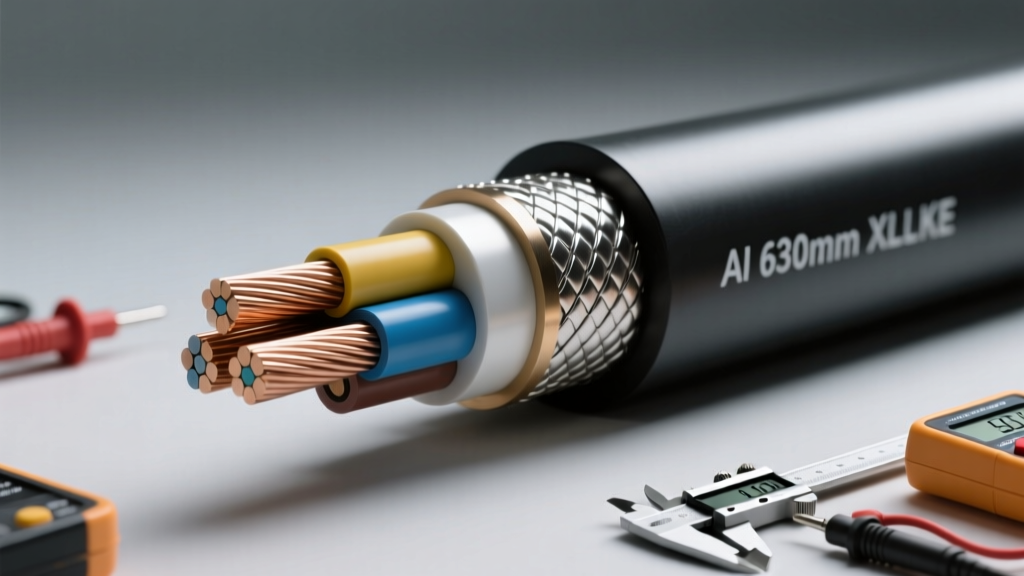
A 630 mm² XLPE cable (Cross-Linked Polyethylene insulated cable) is an advanced power cable widely used in commercial, industrial, and domestic electrical systems. Manufactured using a specialized cross-linking process, XLPE insulation enhances the cable's thermal stability, mechanical strength, and resistance to environmental stress. Known for its excellent flexibility and ability to operate at high temperatures (up to 90°C under normal conditions and 250°C during short circuits), XLPE cables are ideal for reliable power transmission and distribution. Below are the primary types of XLPE cables, each engineered for specific operational demands and installation environments.
XLPE Single Core Cable
Designed with a single conductor insulated with cross-linked polyethylene, this cable offers superior current-carrying capacity and ease of routing in tight spaces.
Advantages
- High current capacity with low losses
- Excellent thermal and electrical insulation
- Easy to install in conduits and ducts
- Ideal for high-voltage transmission (up to 33 kV)
Limitations
- Limited to single-phase or dedicated circuits
- Requires separate routing for multi-phase systems
- Higher installation cost in complex layouts
Best for: High-voltage power transmission, underground distribution, substations, and industrial feeders
XLPE Multi-Core Cable
Features two or more insulated conductors (typically 2, 3, or 4 cores) within a single sheath, designed for efficient and compact power delivery.
Advantages
- Space-efficient design for complex wiring
- Reduced installation time and labor
- Excellent phase-to-phase insulation
- Suitable for both AC and DC systems
Limitations
- Bulkier than single-core variants
- Higher capacitance in long runs
- Less flexibility in reconfiguration
Best for: Building wiring, control panels, motor connections, and commercial power distribution
Steel Reinforced XLPE Cable
Features a high-tensile steel core or messenger wire integrated into the cable structure to provide mechanical support and resistance to stretching.
Advantages
- High tensile strength for aerial installations
- Resists sagging over long spans
- Durable in harsh outdoor environments
- Excellent for overhead power lines
Limitations
- Heavier than standard XLPE cables
- Requires specialized hardware for support
- Higher cost due to reinforcement
Best for: Overhead power distribution, rural electrification, mining operations, and temporary power setups
Armoured XLPE Cable
Reinforced with a layer of steel or aluminum wire braid (SWA or AWA), this cable offers superior protection against mechanical damage, rodents, and environmental stress.
Advantages
- Exceptional mechanical protection
- Resistant to crushing, impact, and abrasion
- Suitable for direct burial and exposed runs
- Enhanced safety in hazardous locations
Limitations
- More difficult to terminate and bend
- Requires earthing of the armour layer
- Higher material and installation cost
Best for: Underground power distribution, industrial plants, construction sites, and areas with high mechanical risk
| Type | Insulation | Key Feature | Installation Environment | Common Applications |
|---|---|---|---|---|
| Single Core | XLPE | High current, low loss | Underground, ducts, trays | Power transmission, substations |
| Multi-Core | XLPE | Compact multi-conductor design | Indoor, panels, buildings | Commercial wiring, motor circuits |
| Steel Reinforced | XLPE + Steel Core | Tensile strength | Aerial, overhead lines | Rural power, mining, temporary setups |
| Armoured | XLPE + Metal Armour | Mechanical protection | Direct burial, exposed areas | Industrial, construction, utilities |
Expert Tip: When installing armoured XLPE cables, always ensure the metallic armour is properly earthed to prevent electric shock hazards and electromagnetic interference. Use compatible glands and follow local electrical codes for safe termination.
Industrial Applications of XLPE Cable: Powering Modern Infrastructure
Cross-Linked Polyethylene (XLPE) insulated cables have become the cornerstone of modern electrical infrastructure due to their superior thermal stability, mechanical strength, and resistance to environmental stress. These high-performance cables are engineered to deliver reliable power transmission across diverse and demanding industrial environments. Their ability to operate safely at higher temperatures (up to 90°C continuously and 250°C under short-circuit conditions) makes them ideal for critical power distribution systems where efficiency and safety are paramount.
Key Industrial Applications of XLPE Insulated Cables
Industrial Manufacturing Facilities
XLPE cables are widely deployed in heavy industrial environments such as factories, steel plants, chemical processing units, and automotive assembly lines. These settings demand robust power distribution systems capable of supporting high-load machinery, motor drives, and automated control systems.
The thermal resilience of XLPE insulation ensures stable performance even in high-temperature zones near furnaces or compressors. Its excellent dielectric strength minimizes energy loss and reduces the risk of electrical faults, contributing to uninterrupted production cycles and improved operational efficiency.
Commercial Building Infrastructure
In commercial buildings—including office towers, shopping malls, hospitals, and hotels—XLPE cables form the backbone of internal electrical networks. They are used for main feeder lines, sub-distribution panels, emergency lighting circuits, HVAC systems, and elevator power supplies.
Beyond their electrical performance, XLPE cables offer superior flexibility and reduced bending radius, simplifying installation in tight conduits and vertical risers across multi-story structures. Their flame-retardant variants (such as LSZH – Low Smoke Zero Halogen) enhance fire safety by minimizing toxic emissions during combustion, making them compliant with stringent building codes.
Oil and Gas Industry
The oil and gas sector relies heavily on XLPE cables for both onshore and offshore operations. These cables are essential in environments exposed to extreme temperatures, corrosive chemicals, high humidity, and underwater pressure—conditions commonly found in drilling rigs, offshore platforms, refineries, and pipeline monitoring systems.
XLPE’s inherent moisture resistance and chemical stability protect conductors from degradation caused by saltwater, hydrocarbons, and sulfides. Armored XLPE variants further enhance mechanical protection against abrasion and impact, ensuring long-term reliability in mission-critical energy infrastructure.
Renewable Energy Systems
XLPE insulated cables are the preferred choice in solar farms and wind turbines due to their durability under prolonged outdoor exposure. In photovoltaic (PV) installations, they connect solar arrays to inverters and grid interfaces, enduring constant UV radiation, temperature fluctuations, and moisture without insulation breakdown.
For wind energy, XLPE cables are used in turbine nacelles and tower interiors, where they must withstand vibration, torsion, and wide thermal cycling. Their low thermal contraction and high current-carrying capacity improve energy transfer efficiency from renewable sources to the grid or storage systems.
Underground Mining Operations
In underground mining, where safety and reliability are non-negotiable, XLPE cables provide dependable power to ventilation systems, conveyors, drills, pumps, and lighting. The hazardous environment—characterized by dampness, conductive dust, mechanical stress, and risk of physical damage—demands cables with exceptional insulation integrity.
XLPE insulation resists tracking and electrical treeing, reducing the risk of short circuits in wet, high-conductivity conditions. When combined with steel wire armor (SWA) or steel tape armor (STA), these cables can endure the weight of overburden and frequent movement, ensuring continuous power supply to life-support and extraction equipment.
Transportation & Infrastructure
Beyond the listed applications, XLPE cables are increasingly used in transportation systems such as railways, subways, and electric vehicle charging stations. Their ability to handle high fault currents and maintain circuit integrity during fires makes them suitable for tunnels and underground transit networks.
They are also employed in smart city infrastructure, including street lighting, traffic signals, and surveillance systems, where longevity and minimal maintenance are key requirements.
| Application Sector | Key Benefits of XLPE Cable | Typical Voltage Range |
|---|---|---|
| Industrial Plants | High thermal rating, resistance to oils and chemicals, low maintenance | 600V – 35kV |
| Commercial Buildings | Flexible installation, flame retardancy, low smoke emission | 600V – 15kV |
| Oil & Gas | Moisture resistance, mechanical durability, corrosion protection | 1kV – 35kV |
| Renewable Energy | UV resistance, long outdoor lifespan, high efficiency | 600V – 35kV |
| Underground Mining | Electrical tracking resistance, high mechanical strength, safety in wet conditions | 1kV – 15kV |
Why Choose XLPE Over Other Insulation Types?
Important: While XLPE cables offer exceptional performance, proper selection based on voltage rating, environmental conditions, and installation method is crucial. Always consult engineering standards (e.g., IEC 60502, IEEE 400) and use certified products to ensure system reliability and compliance with local regulations. Improper cable sizing or installation can lead to overheating, premature failure, or fire hazards.
Product Specifications and Features of XLPE Cable
Cross-Linked Polyethylene (XLPE) cables are widely used in power transmission and distribution systems due to their superior electrical, thermal, and mechanical properties. Designed for reliability and durability, XLPE-insulated cables offer excellent performance in both low and medium voltage applications. This guide details the key technical specifications and installation best practices to ensure optimal performance and longevity of XLPE cables, including common configurations such as the 630 mm² aluminum conductor variant.
Technical Specifications
Conductor Material
XLPE cables typically feature either copper or aluminum conductors, each selected based on application requirements and cost considerations. Copper offers higher conductivity and mechanical strength, making it ideal for high-load or space-constrained installations. Aluminum, particularly in large cross-sections like 630 mm², provides a lightweight and cost-effective solution for long-distance power transmission.
- Copper conductors are preferred in high-current applications due to their superior conductivity and corrosion resistance
- Aluminum conductors (e.g., 630 mm²) are commonly used in utility and industrial power distribution for their favorable weight-to-conductivity ratio
- Both materials are stranded to enhance flexibility and reduce skin effect in AC systems
Key consideration: Ensure proper termination techniques when using aluminum to prevent oxidation and thermal expansion issues
Insulation Thickness
The XLPE insulation layer is precisely engineered to match the cable’s voltage rating and operational environment. The cross-linking process transforms linear polyethylene chains into a robust 3D network, significantly enhancing dielectric strength and thermal stability.
- Low voltage (1–1.8/3 kV): Insulation thickness typically ranges from 1.4 mm to 2.5 mm
- Medium voltage (6–36 kV): Thickness increases from 3.4 mm to over 10 mm depending on system voltage
- Thicker insulation improves breakdown voltage and reduces partial discharge risk
Technical note: Insulation thickness is standardized per IEC 60502 and ICEA guidelines to ensure safety and performance
Temperature Range
XLPE cables are designed for exceptional thermal performance, operating reliably under extreme conditions. The cross-linked structure prevents melting and maintains mechanical integrity at elevated temperatures.
- Continuous operating temperature: -40°C to +90°C (standard grade), up to +105°C for high-temperature variants
- Short-circuit temperature tolerance: Up to +250°C for 5 seconds (copper), +200°C (aluminum)
- Emergency overload capability: Can withstand excursions up to +130°C for limited durations
Critical factor: Maintain proper derating in high-ambient temperature environments to extend service life
Voltage Rating
XLPE cables are available in a wide range of voltage classes, making them suitable for diverse applications—from building wiring to substation feeders.
- Low Voltage (LV): 0.6/1 kV to 1.8/3 kV – used in commercial buildings, industrial machinery, and residential distribution
- Medium Voltage (MV): 6/10 kV to 36/66 kV – ideal for urban power grids, wind farms, and mining operations
- Custom ratings available for specialized applications (e.g., railway, offshore)
Pro tip: Always match the cable’s U₀/U rating to the system’s phase-to-ground and phase-to-phase voltages
Resistance to Environmental Factors
XLPE insulation provides outstanding protection against a wide range of environmental stressors, contributing to long service life and reduced maintenance.
- Water resistance: Immune to moisture absorption, suitable for direct burial and underwater applications
- Chemical resistance: Withstands oils, acids, alkalis, and solvents commonly found in industrial settings
- UV and ozone resistance: Ideal for outdoor installations without additional sheathing in many cases
- Anti-aging properties: Maintains dielectric strength over decades of service
Smart choice: For harsh environments, consider XLPE cables with LSZH (Low Smoke Zero Halogen) or PVC outer sheaths for added protection
Installation and Use Guidelines
Handling
Proper handling is critical to preserving the structural and electrical integrity of XLPE cables, especially large-diameter types like 630 mm² aluminum variants.
- Never bend the cable beyond its minimum bending radius—typically 15 to 20 times the overall diameter (e.g., ~900–1200 mm for a 60 mm cable)
- Avoid sharp kinks, crushing, or impact damage during transport and unloading
- Store cables on reels in a dry, shaded area; prevent coiling or tangling which can induce internal stress
- Use proper lifting equipment—never drag or drop cable reels
Key consideration: Exceeding the bending radius can cause insulation cracking and premature failure
Preparation Before Installation
Thorough planning and site preparation minimize risks and ensure a smooth installation process.
- Clear the installation path of debris, sharp edges, or protruding objects that could damage the cable sheath
- Accurately measure required lengths to avoid unnecessary splices or wastage
- Verify cable routing through conduits, trays, or ducts to prevent friction or pinch points
- Confirm compatibility with terminations, joints, and connected equipment (switchgear, transformers)
Pro tip: Conduct a dry-run with a dummy cable to identify potential routing challenges
Installation Procedure
Correct installation techniques are essential for maintaining cable performance and safety.
- Use modern pulling equipment such as motorized cable pullers and tension meters to control installation force
- Limit pulling tension to manufacturer specifications (typically ≤ 0.1 N/mm² for aluminum conductors)
- Rotate the cable reel freely—never pull from a stationary spool to avoid twisting
- Install swivel joints to prevent cable rotation during pulling
- Inspect continuously for signs of abrasion, kinking, or jacket damage
Critical factor: Any twisted, kinked, or damaged section must be cut out and re-spliced or replaced entirely
Post-Installation Checks
A comprehensive inspection ensures the installed cable system is safe and ready for energization.
- Visually inspect the entire cable run for cuts, abrasions, or crushing
- Verify all terminations and joints are properly sealed and torqued to specification
- Perform insulation resistance tests (megger testing) at 500 V DC (LV) or 2.5–5 kV DC (MV)
- Conduct continuity and phase rotation checks to confirm correct circuit alignment
- Document installation parameters (pulling tension, bending radii, test results) for future reference
Professional recommendation: Allow a 24-hour settling period before energizing in cold environments to avoid thermal shock
Expert Advice: For critical infrastructure projects, consider using XLPE cables with embedded fiber optics or distributed temperature sensing (DTS) for real-time monitoring. Additionally, always follow local electrical codes (NEC, IEC, BS) and manufacturer guidelines. When in doubt, consult with a qualified electrical engineer—especially for medium voltage installations where safety and reliability are paramount.
| Parameter | Typical Value | Standard / Notes |
|---|---|---|
| Conductor Size (Example) | 630 mm² Aluminum | Common in MV distribution networks |
| Voltage Rating | 6/10 kV to 36/66 kV | IEC 60502-2 compliant |
| Operating Temperature | -40°C to +90°C | Up to +130°C short-term overload |
| Min. Bending Radius | 15–20 × Cable Ø | Depends on voltage and construction |
| Insulation Resistance | ≥ 1000 MΩ·km | Tested at 20°C |
Additional Considerations
- Shielding: MV XLPE cables include metallic screens (copper tape or wire) for electric field control and fault current return
- Sheathing: PVC, PE, or LSZH outer jackets provide mechanical and environmental protection
- Fire Performance: LSZH variants emit minimal smoke and no toxic halogens during combustion—ideal for tunnels and public buildings
- Standards Compliance: Look for certifications like IEC 60502, ICEA S-93-639, or IEEE 835 for quality assurance
- Lifespan: Properly installed XLPE cables can last 30–40 years or more in service
Quality and Diversity Considerations for XLPE Cables
Selecting the right cross-linked polyethylene (XLPE) insulated cables is crucial for ensuring long-term performance, safety, and adaptability across diverse applications. This guide outlines key quality benchmarks and the importance of product diversity in meeting the evolving demands of modern electrical systems. From material integrity to environmental resilience, understanding these factors enables informed decision-making for engineers, contractors, and procurement professionals.
Quality Considerations
- Insulation Integrity
The primary role of cable insulation is to protect the internal conductors from environmental exposure, mechanical damage, and electrical faults. Damaged insulation—such as cracks, punctures, or abrasions—can compromise both safety and performance. Such defects increase the risk of short circuits, ground faults, and potential electrocution hazards. Always inspect cables thoroughly before installation.
Ensure that the insulation thickness complies with relevant standards such as IEC 60502 or IEEE 400. The material should be uniform, free from voids, and resistant to moisture ingress. Specialized variants like Arctic XLPE cables are engineered with enhanced flexibility and thermal stability for sub-zero environments, maintaining dielectric strength even under extreme cold.
- Conductor Material Check
The conductor—typically made of copper or aluminum—must be of high purity to ensure optimal electrical conductivity. Impurities or alloying elements beyond acceptable limits can significantly reduce current-carrying capacity and increase resistive losses, leading to overheating and energy inefficiency.
Inspect conductors for signs of oxidation, corrosion, or surface contamination. Copper conductors should have a bright, clean appearance, while aluminum must be protected against galvanic corrosion, especially in humid or marine environments. Stranded conductors should be uniformly twisted without broken strands to maintain mechanical strength and flexibility.
- Premium Manufacturing Processes
The cross-linking process in XLPE cables transforms linear polyethylene chains into a three-dimensional network, dramatically improving thermal stability, chemical resistance, and mechanical durability. This process—achieved through methods like silane, radiation, or peroxide cross-linking—must be precisely controlled.
Inadequate cross-linking results in inferior heat resistance and reduced lifespan, particularly under continuous load or high ambient temperatures. High-quality manufacturing ensures consistent cross-link density, minimizing the risk of premature aging or insulation breakdown. Look for production facilities that adhere to ISO 9001 quality management systems.
- Testing and Certification
Reputable XLPE cables undergo rigorous testing by independent laboratories and are certified by recognized bodies such as UL, CSA, TÜV, or KEMA. These certifications verify compliance with safety, performance, and environmental standards.
Common tests include partial discharge measurement, thermal cycling, flame propagation (e.g., IEC 60332), and water tree resistance. Certified cables provide assurance of reliability, especially in critical infrastructure like power distribution networks, data centers, and industrial plants. Always request test reports and certification documents before procurement.
Diversity Considerations
- Environmental Adaptation
XLPE cables are available in specialized variants designed to perform reliably under extreme conditions. For example, Arctic-grade XLPE cables feature modified polymer formulations that remain flexible and mechanically stable at temperatures as low as -50°C, making them ideal for use in polar regions, refrigeration systems, and high-altitude installations.
Conversely, high-temperature XLPE cables can operate continuously at 90°C or higher, suitable for industrial furnaces or underground ducts with limited heat dissipation. Chemical-resistant versions are also available for use in petrochemical plants or wastewater treatment facilities where exposure to oils, acids, or solvents is common.
- Customization for Specific Industries
Different industries demand tailored cable solutions. In marine and shipbuilding applications, XLPE cables must resist saltwater corrosion, UV exposure, and constant vibration. They often include tinned copper conductors and additional protective sheaths made of LSZH (Low Smoke Zero Halogen) materials to meet fire safety regulations.
In the automotive sector, compact, lightweight, and oil-resistant XLPE cables are essential for electric vehicles and hybrid systems. Telecommunications infrastructure relies on precision-controlled impedance XLPE cables for signal integrity in high-speed data transmission. Custom jacketing, shielding, and armor options further enhance suitability for niche applications.
- Flexible Configurations
XLPE cables come in a wide range of configurations to suit various power and control needs. Single-core cables are ideal for high-voltage transmission lines and fixed installations where routing flexibility is less critical. Multi-core variants (2-core, 3-core, 4-core, etc.) simplify wiring in buildings, machinery, and control panels by integrating multiple circuits into one sheath.
Additionally, options such as armored (SWA), unarmored, shielded, or screened configurations allow engineers to balance cost, protection, and electromagnetic compatibility. Custom core color coding and labeling improve identification and reduce installation errors.
- Emerging Standards and Regulations
As global focus shifts toward sustainability and energy efficiency, new regulatory frameworks are shaping cable design and selection. Standards like IEC 62893 promote environmentally friendly materials and energy-efficient transmission, favoring XLPE cables due to their low dielectric losses and long service life.
Green building certifications (e.g., LEED, BREEAM) encourage the use of halogen-free, recyclable cables with minimal environmental impact. Future regulations may mandate stricter requirements for fire safety, carbon footprint, and end-of-life recyclability—factors that XLPE technology is well-positioned to address through innovation and material science advancements.
| Consideration Category | Key Factor | Impact on Performance | Recommended Verification Method |
|---|---|---|---|
| Quality | Insulation Integrity | Prevents electrical faults, ensures safety | Visual inspection, thickness gauge, dielectric testing |
| Conductor Purity | Maximizes conductivity, reduces losses | Material certification, resistivity testing | |
| Cross-Linking Quality | Enhances thermal and mechanical durability | Manufacturer process validation, gel content test | |
| Third-Party Certification | Confirms compliance and reliability | Review of UL, TÜV, or KEMA test reports | |
| Diversity | Environmental Suitability | Ensures operation in extreme climates | Check temperature rating, IP code, chemical resistance data |
| Industry-Specific Design | Meets operational and safety requirements | Review industry standards (e.g., ICEA, MIL-SPEC) | |
| Configuration Options | Supports versatile installation needs | Technical datasheet review, site assessment | |
| Regulatory Compliance | Ensures future-proofing and sustainability | Audit against local and international codes |
Expert Tip: When specifying XLPE cables, always consider the full lifecycle cost rather than initial purchase price. High-quality, properly selected cables reduce maintenance, downtime, and replacement costs over time—especially in harsh or mission-critical environments.
Best Practices for Cable Selection
- Consult technical datasheets and application guides provided by manufacturers
- Engage with suppliers who offer engineering support and customization options
- Perform site-specific risk assessments to determine environmental and operational demands
- Verify compliance with local electrical codes (e.g., NEC, CEC, BS 7671)
- Consider future expansion needs when selecting cable size and configuration
- Maintain documentation of certifications and test results for audit and warranty purposes
By prioritizing both quality and diversity in XLPE cable selection, organizations can ensure reliable, safe, and sustainable electrical systems. As technology advances and regulatory landscapes evolve, staying informed about material innovations and industry trends will continue to be essential for optimal performance and compliance.
Frequently Asked Questions About XLPE Insulated Cables
Q1: What are the benefits of using XLPE insulated cables compared to conventional PVC-insulated cables?Cross-linked polyethylene (XLPE) insulation offers significant performance advantages over traditional polyvinyl chloride (PVC) insulation. The cross-linking process transforms the molecular structure of polyethylene, enhancing its thermal, chemical, and mechanical properties. As a result, XLPE cables can operate at higher continuous temperatures (up to 90°C) compared to PVC (typically limited to 70°C), reducing resistance and improving current-carrying capacity.
- Enhanced Heat Resistance: XLPE maintains integrity under high thermal stress, reducing the risk of deformation or short circuits during overloads.
- Superior Chemical Stability: Resistant to oils, solvents, and many corrosive substances commonly found in industrial environments.
- Greater Mechanical Strength: More durable against abrasion, impact, and crushing forces during installation and service life.
- Longer Lifespan: Reduced aging and degradation lead to extended service life, often exceeding 30 years under proper conditions.
- Improved Safety: Lower smoke emission and absence of halogens make XLPE a safer choice in fire-prone or confined spaces.
These characteristics make XLPE cables ideal for power distribution, industrial plants, and infrastructure projects where reliability and safety are critical.
Q2: What is the role of steel reinforcement in certain types of XLPE cables?Steel wire or tape reinforcement is incorporated into specific XLPE cable designs—particularly armored or underground power cables—to significantly increase tensile strength and structural resilience. This reinforcement is essential in applications where the cable is subjected to mechanical stress during installation or operation.
- Underground Installations: Protects against soil pressure, shifting ground, and heavy equipment loads.
- Direct Burial Applications: Prevents deformation or crushing without the need for conduit.
- Tensile Load Resistance: Enables safe pulling through ducts or long cable runs without stretching or breaking.
- Crush Resistance: Shields the conductor and insulation from external forces in high-traffic or industrial zones.
Cables with steel reinforcement, such as Steel Wire Armored (SWA) XLPE variants, are widely used in utility networks, mining operations, and rural electrification due to their rugged durability and long-term reliability in harsh environments.
Q3: How do XLPE cables perform in extreme temperature conditions?XLPE cables are engineered to operate reliably across an exceptionally wide temperature range—from as low as -40°C to as high as +90°C under normal operating conditions. This thermal versatility makes them suitable for environments where temperature extremes can compromise standard cable performance.
- Low-Temperature Flexibility: Unlike PVC, which becomes brittle in cold climates, XLPE retains flexibility and impact resistance even in arctic or high-altitude regions.
- High-Temperature Endurance: Can withstand prolonged exposure to heat sources, such as near engines, industrial machinery, or in densely packed conduits.
- Thermal Cycling Resistance: Performs well in areas with frequent temperature fluctuations, minimizing insulation cracking or degradation.
- Emergency Overload Capacity: Can handle temporary overcurrents up to 130°C for short durations without permanent damage.
This robust thermal performance ensures uninterrupted power transmission in applications ranging from offshore platforms and deserts to refrigerated facilities and tropical climates.
Q4: Are XLPE cables suitable for outdoor use? What protections do they offer?Yes, XLPE cables are highly suitable for outdoor and exposed installations. While the XLPE insulation itself provides excellent moisture and thermal resistance, outdoor-rated versions are typically equipped with additional protective layers to ensure long-term durability.
- UV Radiation Resistance: A black polyethylene (PE) outer sheath is commonly used to block ultraviolet light, preventing degradation and cracking when exposed to direct sunlight.
- Moisture and Water Resistance: The non-hygroscopic nature of XLPE prevents water absorption, maintaining dielectric strength even in humid or wet conditions.
- Ozone and Weather Resistance: Unaffected by atmospheric ozone, rain, snow, or temperature swings, ensuring stable performance over decades.
- Optional Armor: For added mechanical and rodent protection, steel or aluminum armor can be included beneath the outer sheath.
These features make XLPE cables ideal for overhead lines, solar farms, street lighting, and building exteriors where environmental exposure is unavoidable.
Q5: What maintenance do these cables require to maintain efficient performance?One of the key advantages of XLPE cables is their low maintenance requirement. Due to their durable construction and resistance to environmental and electrical stress, they typically do not need routine servicing. However, periodic inspections and monitoring are recommended to ensure continued reliability and safety.
- Visual Inspections: Check for signs of physical damage, such as cuts, abrasions, crushing, or corrosion—especially at termination points and joints.
- Thermal Imaging: Use infrared cameras during peak load times to detect hotspots that may indicate loose connections or overloading.
- Insulation Resistance Testing: Periodic megger testing helps identify moisture ingress or insulation breakdown before failure occurs.
- Load Monitoring: Ensure cables are not consistently operating beyond their rated capacity, which can accelerate aging.
- Environmental Checks: Verify that protective conduits or supports remain intact and that no new hazards (e.g., excavation, chemical exposure) have emerged.
With proper installation and occasional checks, XLPE cables can deliver decades of trouble-free service, making them a cost-effective and reliable solution for modern electrical systems.