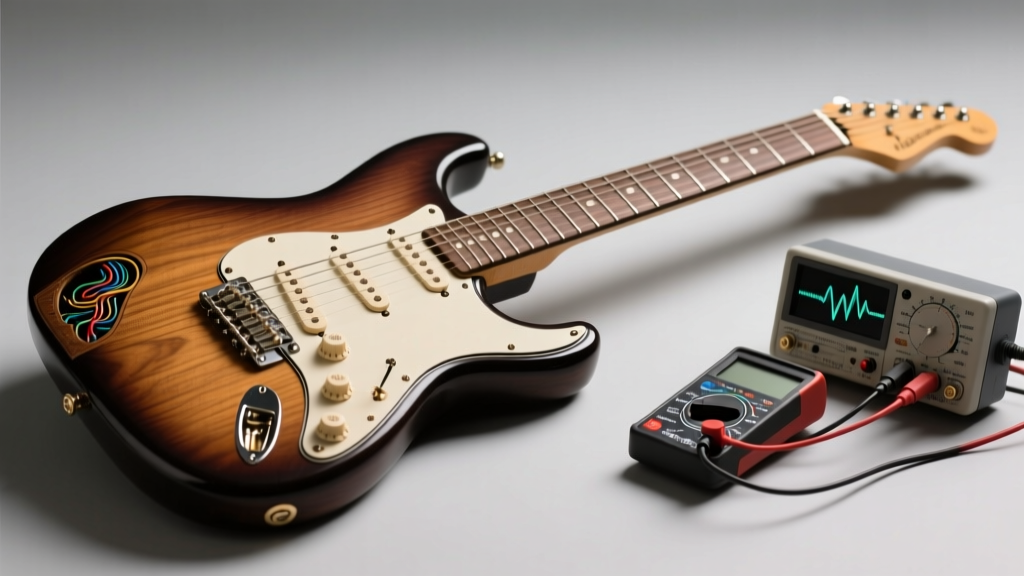
Types of Cigar Box Electric Guitars
A cigar box electric guitar (CBG) is a unique and historically rich instrument that blends DIY craftsmanship with raw, resonant tone. Originally rooted in 19th-century folk traditions, modern CBGs have evolved into fully amplified instruments with diverse string configurations. Each type offers distinct tonal characteristics, playability, and stylistic suitability—making them ideal for blues, rock, folk, and experimental music.
The choice of CBG should align with your musical genre, technical skill level, tonal preferences, and ergonomic comfort. Below is a comprehensive breakdown of the most common types available today.
Two-String Models
Perfect for beginners and minimalist musicians, two-string CBGs focus on rhythm, drone tones, and simple chord shapes. Their limited range encourages creativity within constraints.
Advantages
- Extremely easy to learn and play
- Ideal for rhythmic accompaniment
- Great for Delta blues and primitive slide styles
- Lightweight and portable
Limitations
- Limited melodic and harmonic range
- Not suitable for complex chord progressions
- Fewer tuning options
Best for: Beginners, street performers, experimental musicians, and roots music enthusiasts
Three-String Models
The most popular configuration in the CBG world, three-string guitars offer a balanced mix of simplicity and versatility. They support a wide variety of tunings (e.g., Open G, GDG, ADF) and are especially favored for slide playing.
Advantages
- Excellent for slide and lap-style playing
- Wider tuning flexibility than two-string models
- Simpler fretboard navigation
- Strong, punchy tone ideal for blues and rock
Limitations
- Still limited in chord complexity
- Fewer harmonic options compared to six-string
- May require custom strings or setups
Best for: Blues players, slide guitarists, DIY builders, and intermediate musicians
Four-String Models
Often tuned like a tenor guitar or mandolin (e.g., CGDA or GDAE), four-string CBGs deliver higher-pitched, brighter tones. Some are designed specifically for bluegrass, folk, or jazz-influenced styles.
Advantages
- Bright, crisp tone with excellent projection
- Suitable for melodic playing and chord-melody styles
- More harmonic flexibility than 2- or 3-string models
- Often features thicker strings for enhanced sustain
Limitations
- Less common than 3- or 6-string variants
- May require specialized string sets
- Shorter scale length can affect tuning stability
Best for: Bluegrass, folk, jazz, and players seeking a mandolin-like voice in a CBG format
Six-String Models
The most versatile and widely used CBG type, six-string models mirror standard guitar tuning (EADGBE) and allow full chord access. Despite their typically shorter necks (15–22 frets), they offer remarkable playability and tonal range.
Advantages
- Familiar tuning and chord shapes for guitarists
- Capable of complex melodies and full chords
- Lighter and more compact than acoustic guitars
- Easy to handle, especially for younger or smaller players
Limitations
- Shorter scale may affect string tension and tone
- Limited sustain compared to full-sized guitars
- Fret crowding on narrow necks
Best for: Guitarists transitioning to CBGs, songwriters, and players wanting maximum versatility
Twelve-String Models
The most sonically rich cigar box guitars, twelve-string CBGs feature paired strings (octave and unison) that create a lush, shimmering sound similar to a 12-string acoustic. These are complex instruments designed for experienced players.
Advantages
- Full, resonant, and harmonically rich tone
- Excellent for rhythm playing and strumming
- Stunning acoustic presence even before amplification
- Available in various body styles (tele-style, cutaway, acoustic-electric)
Limitations
- High string tension requires a sturdy build
- More difficult to tune and maintain
- Not recommended for beginners
- Heavier and more complex than other CBGs
Best for: Advanced players, studio musicians, and those seeking a powerful, full-bodied sound
| String Count | Difficulty Level | Tonal Character | Best For | Recommended Skill Level |
|---|---|---|---|---|
| 2-String | Beginner | Raw, rhythmic, drone-based | Delta blues, folk, experimental | New players, hobbyists |
| 3-String | Beginner to Intermediate | Bluesy, punchy, expressive | Slide guitar, roots music | Beginners to intermediate |
| 4-String | Intermediate | Bright, mandolin-like, articulate | Bluegrass, folk, jazz | Intermediate players |
| 6-String | Intermediate to Advanced | Full-range, versatile, balanced | All genres, songwriting | Guitarists, intermediate+ |
| 12-String | Advanced | Rich, shimmering, full-bodied | Studio work, rhythm playing | Experienced musicians |
Expert Tip: When choosing a CBG, consider the scale length and neck width—shorter scales are easier for beginners, while wider necks improve playability for fingerstyle or complex chords. Always check the quality of the pickup and electronics for consistent amplified tone.
Cigar box electric guitars are more than just novelty instruments—they're a gateway to authentic, soulful music with a vintage edge. Whether you're drawn to the primal growl of a three-string or the shimmering depth of a twelve-string, there's a CBG that fits your sound and style.
Materials Used for Making Cigar Box Electric Guitars
Cigar box electric guitars are a unique blend of DIY craftsmanship and musical innovation. The materials used in their construction significantly influence not only the instrument’s durability and appearance but also its tonal characteristics and playability. While rooted in rustic simplicity, modern builds often incorporate high-quality components to enhance sound and performance. From the resonant cigar box body to the carefully selected neck woods and electronic elements, each material plays a vital role in shaping the final product.
Cigar Box Bodies: The Heart of the Sound
The original cigar box serves as the guitar’s resonant chamber and is typically made from wood such as cedar, mahogany, or maple—each contributing a distinct tonal quality. Cedar offers a warm, soft tone with excellent resonance, ideal for blues and folk styles. Mahogany delivers a rich, midrange-heavy sound with good sustain, while maple provides a brighter, more articulate tone with enhanced clarity.
Although cigar box guitars are electric and rely on pickups for amplification, the box still contributes to the instrument’s acoustic resonance and overall “vibe.” A well-constructed box enhances feedback control and adds depth to the amplified sound. Additionally, the natural finish and vintage aesthetic of the box give each instrument a one-of-a-kind visual charm.
Neck Materials: Stability and Playability
The neck is typically crafted from hardwoods like maple or mahogany, chosen for their strength, stability, and smooth grain. Maple is prized for its rigidity and resistance to warping, making it ideal for maintaining consistent action and intonation. Its light color and prominent grain patterns also add visual appeal.
Mahogany necks are slightly softer but offer a warmer tonal response and a comfortable feel under the hand. Some builders source neck blanks from hardware stores or repurpose old broom handles, while others prefer precision-milled tonewoods for professional-grade instruments. Regardless of source, proper sealing and finishing are essential to protect against humidity and wear.
Fingerboard Materials: Smoothness and Durability
The fingerboard must withstand constant finger pressure and string friction, so durable materials are essential. Traditional choices like rosewood and ebony are favored for their smooth texture, natural oil content, and rich appearance. Rosewood provides a balanced tone with warm overtones, while ebony delivers a brighter, more focused attack.
For budget-friendly or experimental builds, alternative materials like bamboo and paduak are increasingly popular. Bamboo is sustainable, extremely hard, and dimensionally stable, offering excellent wear resistance. Paduak produces a bold red hue that deepens over time and contributes a slightly brighter tonal character. These options allow for creative customization without sacrificing performance.
Pickups and Electronics: Tone Shaping Components
The sound of a cigar box electric guitar is largely defined by its pickup configuration. Builders may use commercially available single-coil or humbucker pickups, or craft homemade units using alnico magnets and copper wire. Hand-wound pickups offer a raw, gritty tone highly sought after in blues and rock genres.
Higher-end pickups use nickel-plated wire and precision-magnetized cores for consistent output and clarity, while budget models may use cheaper materials that can result in noise or weak signal strength. Most builds include basic electronics: volume and tone controls, a selector switch (if multiple pickups are used), and a 1/4" output jack—all mounted on a pickguard or directly into the box.
Bridge and Nut Materials: String Transfer and Intonation
The bridge and nut are critical for proper string height, tuning stability, and tone transfer. Bridges are often made from metal alloys (such as brass or steel) for durability and sustain, though some builders use wood, bone, or even repurposed bolts and screws for a vintage or industrial look.
Nuts are typically crafted from bone, synthetic ivory, or plastic. Bone offers excellent resonance and smooth string movement, while plastic is more affordable but can wear down over time. DIY builders sometimes use hardwood or even old credit cards for makeshift nuts. Properly cut nut slots ensure even string spacing and prevent buzzing or tuning issues.
| Component | Common Materials | Impact on Sound & Performance |
|---|---|---|
| Cigar Box Body | Cedar, Mahogany, Maple | Affects resonance and tonal warmth; influences feedback and acoustic projection |
| Neck | Maple, Mahogany, Reclaimed Wood | Determines stability, sustain, and brightness of tone |
| Fingerboard | Rosewood, Ebony, Bamboo, Paduak | Impacts playability, durability, and harmonic response |
| Pickups | Hand-wound coils, Alnico magnets, Nickel wire | Defines output level, clarity, and genre suitability (e.g., blues, rock) |
| Bridge & Nut | Bone, Brass, Plastic, Wood, Metal | Influences sustain, tuning stability, and string vibration transfer |
| Strings | Steel, Nickel, Bronze, Coated Alloys | Affects brightness, durability, and playing feel |
String Selection: Final Touch for Tone and Longevity
Strings are a crucial yet often overlooked component. Steel strings offer a bright, punchy tone ideal for rock and slide playing. Nickel-wound strings provide a smoother, warmer sound favored in blues and jazz. Bronze strings are less common but add a unique sparkle, while coated strings extend lifespan by resisting corrosion—especially useful for frequent players or humid environments.
Important: Always match your material choices to your musical goals. For example, a blues player might prefer a cedar box with a hand-wound pickup and nickel strings, while a rock builder may opt for maple and high-output pickups. Test different combinations to find your signature sound. Additionally, ensure all wood is properly sealed and treated to prevent warping or cracking over time.
How To Select Cigar Box Electric Guitars
Selecting the right cigar box electric guitars for your store involves more than just aesthetics—it requires a deep understanding of craftsmanship, materials, and intended use. These unique instruments blend rustic charm with raw musical character, appealing to hobbyists, performers, and collectors alike. To ensure customer satisfaction and maximize retail success, consider the following key factors when curating your inventory.
Construction & Materials
The foundation of a quality cigar box guitar lies in its build. The body, typically crafted from authentic or replica cigar boxes, should be sturdy and well-sealed to support string tension and enhance resonance. Reinforced neck joints, solid wood types (such as maple, mahogany, or poplar), and durable adhesives are essential for longevity.
- Body: Look for thick, rigid boxes with reinforced corners and internal bracing to prevent warping
- Neck: A bolt-on or set neck with truss rod adjustment ensures stability and playability over time
- Wood Quality: Kiln-dried hardwoods resist cracking and improve tonal consistency
- Joinery: Dovetail, bolt-on, or epoxy-bonded neck joints offer superior strength over basic glue-only attachments
Pro tip: Instruments with internal bracing or sound wells project better volume and sustain.
String Configuration & Scale Length
Cigar box guitars come in various string setups—most commonly 3-string or 4-string models, though 6-string versions are growing in popularity. Each configuration serves different musical styles and skill levels.
- 3-String: Ideal for beginners and blues players; simpler tuning and easier chord shapes
- 4-String: Offers extended range and versatility, popular in folk and roots music
- 6-String: Bridges the gap between novelty and traditional guitar playing, attracting more serious musicians
- Scale Length: Standard (25") vs. short (20–22") scales affect tension and finger stretch—shorter scales suit smaller hands or slide playing
Key consideration: Match string count and scale to your target audience’s experience level and musical interests.
Pickups & Electronics
While cigar box guitars are often budget-friendly, their sound quality heavily depends on the pickup system. Options range from basic piezo elements to hand-wound lipstick tubes or humbuckers, each offering distinct tonal characteristics.
- Magnetic Pickups: Deliver warm, vintage-style tones; ideal for blues, rock, and slide
- Piezo Pickups: Capture natural box resonance but may require preamps for live use
- Active vs. Passive: Active systems include onboard preamps for better output and tone shaping
- Output Jack & Wiring: Secure, shielded connections reduce noise and ensure reliability
Smart choice: Guitars with adjustable pickup height allow players to fine-tune tone and volume balance.
Resonance & Acoustic Properties
Even electric models benefit from a resonant body. A well-constructed cigar box acts as a natural sound chamber, enhancing sustain and harmonic richness before amplification.
- Look for tightly sealed boxes with minimal gaps or flex
- Sound holes or f-holes can increase projection and tonal depth
- Some builders add internal membranes (like stretched leather or Mylar) to simulate drum-like resonance
- Heavier finishes may dampen vibration—opt for light sealants that preserve wood resonance
Technical note: Resonant bodies reduce reliance on amplification, making them great for unplugged sessions.
Hardware Quality
The durability and performance of tuning pegs, bridge, nut, and fingerboard directly impact tuning stability, intonation, and playability.
- Tuning Pegs: Geared (mechanical) tuners provide precise control over string tension
- Bridge: Adjustable bridges allow for proper string height and intonation
- Nut & Saddle: Bone, Tusq, or hard plastic materials reduce friction and improve tuning accuracy
- Fingerboard: Smooth, fretted boards with even spacing enhance comfort and accuracy
Critical factor: Poor hardware leads to frequent tuning issues and customer dissatisfaction.
Craftsmanship & Finish
Attention to detail separates amateur builds from professional-grade instruments. Clean fretwork, smooth edges, consistent finish, and secure electronics reflect high workmanship standards.
- Check for sharp fret ends, uneven sanding, or loose components
- Well-sealed electronics cavities protect against moisture and dust
- Authentic vintage-style finishes add visual appeal without sacrificing function
- Hand-signed or numbered builds often indicate limited editions or artisan care
Red flag: Sloppy soldering, misaligned parts, or wobbly necks suggest poor quality control.
Usage & Target Audience
Understanding your customer base is crucial when stocking cigar box guitars. These instruments attract diverse users—from casual hobbyists to stage performers—and each group has different expectations.
| Customer Type | Recommended Features | Price Range | Best For |
|---|---|---|---|
| Hobbyists & Beginners | 3-string, basic pickup, simple tuners | $75–$150 | Learning, casual play, DIY projects |
| Blues & Roots Musicians | 4-string, resonant body, lipstick pickup | $150–$300 | Live performance, recording, slide guitar |
| Collectors & Artisans | Handcrafted, unique designs, premium woods | $300–$600+ | Display, investment, custom builds |
| Educators & Workshops | Durable, easy-to-play, repairable | $100–$200 | Music programs, STEM/STEAM kits |
Professional Recommendation: Stock a tiered selection—from entry-level models for curious beginners to professional-grade instruments with superior electronics and tone. Partner with builders who test each guitar before shipping to ensure consistent quality. Highlight models with warranties or satisfaction guarantees to build customer trust and encourage repeat business.
Additional Considerations for Retailers
- Profit Margins: Due to lower electronic costs and use of local/recycled materials, cigar box guitars often offer higher markup potential than conventional instruments
- Customization: Offer personalized engraving, paint, or pickup upgrades to increase perceived value
- Bundle Kits: Include gig bags, straps, cables, and instructional books to boost average sale value
- Brand Storytelling: Showcase the builder’s background, craftsmanship process, and inspiration—customers love authentic narratives
- Return Policy: Ensure clear policies for returns or exchanges, especially for online sales, to reduce risk for buyers
Scenarios for Cigar Box Electric Guitars: Versatile, Portable, and Expressive
Cigar box electric guitars blend rustic charm with modern playability, making them ideal for a wide range of musical applications. Compact, affordable, and sonically unique, these instruments are perfect for both beginners and seasoned musicians. Whether you're practicing at home, performing live, or exploring new sounds in the studio, a cigar box guitar offers a fun and accessible way to create music without requiring much space or technical complexity.
Did You Know? The cigar box guitar dates back to the 19th century and has seen a modern revival thanks to its DIY-friendly design and raw, rootsy tone. Today’s electric versions often include built-in pickups and amplification, bridging historical authenticity with contemporary performance needs.
For Recording Music
Equipped with high-quality piezo or magnetic pickups, modern cigar box electric guitars deliver rich, distinctive tones that stand out in studio recordings. Their unique timbre—often described as twangy, warm, or gritty—adds character to tracks across genres like blues, indie rock, folk, and experimental music.
Connecting directly to an audio interface or computer via a 1/4" jack, these instruments integrate seamlessly into digital audio workstations (DAWs) such as GarageBand, Audacity, or Ableton Live. This makes them excellent tools for layering rhythm parts, adding texture to arrangements, or crafting lo-fi soundscapes.
- Ideal for home studios with limited gear or space
- Creates signature sounds that differentiate your music from standard guitar tones
- Perfect for overdubbing and harmonization due to their focused midrange response
- Low output noise and feedback resistance make them studio-friendly
For Live Music Shows
Cigar box guitars shine on stage, particularly in intimate or acoustic settings such as open mics, coffeehouse gigs, and folk festivals. Their visual appeal—often handcrafted with vintage aesthetics—draws audience attention and sparks conversation, enhancing the performer’s stage presence.
Commonly associated with blues, country, folk, and Americana, these instruments bring authenticity and energy to roots-based performances. With amplification, they project clearly in small to mid-sized venues, allowing for dynamic expression through slide playing, fingerpicking, or rhythmic strumming.
- Highly portable and easy to transport to gigs
- Adds a unique sonic and visual element that sets performers apart
- Great for storytelling sets where instrument history enhances the narrative
- Frequently used in one-person bands or minimalist ensembles
For Practicing Music
Due to their simplified construction—typically featuring 3 or 4 strings—cigar box guitars are excellent learning tools for beginners. They reduce the cognitive load of mastering complex chord shapes and fingerings, allowing new players to focus on rhythm, timing, and basic music theory.
Many music educators and self-taught musicians use cigar box guitars as a gateway instrument before transitioning to standard 6-string guitars. Their forgiving neck profile and lower string tension make them comfortable for extended practice sessions, especially for younger players or those with smaller hands.
- Reduces intimidation factor for first-time string players
- Encourages experimentation with scales, tunings, and improvisation
- Serves as a secondary practice tool for experienced guitarists exploring alternate techniques
- Helps build ear training and motor coordination through repetitive patterns
For Jamming with Others
Compact and easy to play, cigar box guitars are perfect for informal jam sessions, backyard gatherings, or campfire sing-alongs. Their portability means you can bring one along anywhere—from picnics to festivals—without the hassle of bulky cases or fragile instruments.
With simple chord structures and slide-friendly designs, they integrate effortlessly into group playing. Many players use open tunings (like G or D) to enable full chords with a single finger, making it easy for non-musicians to join in. This inclusivity fosters collaborative creativity and spontaneous musical expression.
- Enables quick setup and immediate participation in group music-making
- Slide playing adds expressive flair to jams and improvisations
- Encourages call-and-response patterns and rhythmic interplay
- Can be paired with harmonicas, percussion, or other acoustic instruments
For Educational Purposes
Educators increasingly incorporate cigar box guitars into music classrooms and community programs to teach fundamental musical concepts in an engaging, hands-on way. Their simplicity allows instructors to demonstrate tuning, pitch, scale formation, and even basic electronics (in amplified models) without overwhelming students.
Some schools and workshops even offer DIY cigar box guitar building projects, combining music education with STEM skills such as measurement, soldering, and circuitry. These interdisciplinary activities promote creativity, problem-solving, and confidence in learners of all ages.
- Used in K–12 music programs to introduce string instruments
- Supports lessons in music history, particularly American roots music
- Facilitates inclusive participation for students with varying skill levels
- Can be built affordably using recycled or repurposed materials
| Use Case | Key Benefits | Ideal Genres | Recommended Accessories |
|---|---|---|---|
| Home Recording | Unique tone, direct output, compact size | Blues, Indie, Lo-Fi, Experimental | Audio interface, DAW software, pop filter |
| Live Performance | Visual appeal, portability, stage presence | Folk, Roots, Americana, Open Mics | Amplifier, cable, capo, slide |
| Practice & Learning | Simple layout, low tension, easy to learn | All beginner-focused styles | Tuner, metronome, instructional books |
| Group Jamming | Portability, intuitive playability | Blues, Country, Campfire Songs | Harmonica holder, strap, extra slides |
| Classroom Education | Hands-on learning, STEM integration | Multicultural & Historical Studies | DIY kits, soldering tools, lesson plans |
Pro Tip: Experiment with alternate tunings (e.g., Open G: G–B–D or Open D: D–A–D) to unlock new sonic possibilities and simplify chord transitions. These tunings are especially effective for slide playing and can inspire fresh songwriting ideas.
Cigar box electric guitars are more than novelty instruments—they are legitimate musical tools with real expressive power. From recording studios to classrooms, back porches to live stages, they offer a joyful, accessible path into the world of music-making. Whether you're a curious beginner or a seasoned player looking for inspiration, a cigar box guitar might just be the most fun addition to your musical journey.
Frequently Asked Questions (FAQs) About Cigar Box Electric Guitars
Q1: How much does a cigar box electric guitar cost?The price of a cigar box electric guitar can vary significantly based on several key factors. Since these instruments are often handmade, they carry a unique blend of craftsmanship, creativity, and personalization that influences their value.
- Handmade vs. Mass-Produced: Handcrafted models from skilled luthiers or experienced builders typically range from $150 to $600 or more, depending on complexity and materials.
- Builder Reputation: Instruments made by well-known or award-winning builders—especially those who are also professional musicians—can command premium prices due to their reputation and sound quality.
- Materials Used: The type of wood, quality of the cigar box, hardware (tuners, bridge, pickups), and finish all affect cost. Upgraded electronics or custom artwork can also increase value.
- Number of Strings: Three-string models are often simpler and cheaper, while four- or six-string versions with full-scale necks may cost more due to added complexity.
- Customization: Personal engravings, unique paint jobs, or special pickups (e.g., humbuckers, lipstick tubes) add to the final price.
For beginners or hobbyists, affordable starter kits are available for under $100, making cigar box guitars one of the most budget-friendly entry points into electric guitar playing.
Q2: How do you maintain a cigar box electric guitar?Proper maintenance ensures your cigar box guitar stays in tune, sounds great, and lasts for years. While these instruments are often rugged and simple, they still require regular care like any stringed instrument.
- Tuning and String Care: Tune your guitar before each use. Strings should be changed every 3–6 months, or more frequently if you play often or notice dull tone or rust.
- Cleaning: Wipe down the body, neck, and strings after every use to remove sweat, oils, and dust. Use a soft, dry cloth; avoid harsh chemicals unless specified for your finish.
- Pickup Maintenance: Different pickups (magnetic, piezo, contact mics) have different needs. Keep them dry and free of debris. Check wiring periodically for loose connections or fraying.
- Environmental Protection: Avoid exposure to extreme heat, cold, humidity, or direct sunlight. These can warp the wood, damage glue joints, or degrade electronic components.
- Neck and Hardware Inspection: Regularly check the neck for warping and ensure tuning pegs turn smoothly. Tighten any loose screws or knobs as needed.
Storing your guitar in a dry, temperature-stable place—preferably in a case or padded bag—will greatly extend its lifespan.
Q3: How long do cigar box electric guitars last?The lifespan of a cigar box electric guitar depends on multiple factors, including build quality, materials, playing frequency, and how well it’s maintained.
- Build Quality: Well-constructed guitars with solid wood necks, durable joints, and quality hardware can last decades. Poorly glued or warped boxes may fail within a few years.
- Climate Conditions: High humidity can cause wood to swell and glue to weaken; dry environments may lead to cracking. Stable indoor conditions are ideal.
- Playing Style: Aggressive playing or frequent travel can accelerate wear on strings, frets, and electronics.
- Maintenance Habits: Regular cleaning, proper storage, and timely repairs significantly extend the instrument’s life.
With proper care, a well-built cigar box guitar can last 10–20 years or longer—some even become cherished heirlooms. Many builders design them to be repairable and modifiable, adding to their longevity.
Q4: Do cigar box electric guitars resonate?Unlike traditional acoustic guitars, most cigar box electric guitars are not designed to resonate acoustically. However, resonance plays a role in their amplified sound.
- Acoustic Resonance: The cigar box body does produce some natural resonance when played unplugged, but it’s typically quiet and more percussive than melodic.
- Electric Amplification: When connected to an amplifier, the vibrations from the strings are captured by the pickup and enhanced. Guitars with better resonance transfer (e.g., through a rigid neck-to-box connection) tend to have a fuller, richer amplified tone.
- Design Impact: Builders often enhance resonance by using stiff necks, internal bracing, or resonator inserts. Instruments built for maximum vibration transfer produce louder, more dynamic sounds when amplified.
So while they don’t “resonate” like an acoustic guitar, the physical vibration of the body and neck contributes meaningfully to their electric tone—especially in blues, slide, and roots music styles.
Q5: Are cigar box electric guitars worth buying?Absolutely—cigar box electric guitars offer a unique combination of affordability, portability, and musical character that makes them a worthwhile investment for many players.
- Beginner-Friendly: Simple string layouts (often 3 or 4 strings) make them ideal for learning basic chords, scales, and slide techniques without overwhelming new players.
- Portability: Compact and lightweight, they’re perfect for travel, busking, or casual jam sessions.
- Cost-Effective: Most models are significantly cheaper than standard electric guitars, making them excellent starter instruments or experimental tools.
- Versatile Sound: Especially suited for blues, folk, country, rockabilly, and DIY “primitive” music genres. Their raw, gritty tone stands out in recordings and live performances.
- Creative Expression: Many players enjoy building or customizing their own, turning the guitar into both a musical and artistic project.
- Educational Value: Great for teaching kids about music, electronics, and instrument construction in a hands-on way.
Whether you're a beginner, a seasoned musician looking for a unique tone, or a DIY enthusiast, a cigar box electric guitar can be a fun, expressive, and surprisingly capable instrument. They’re not just novelties—they’re legitimate tools for musical exploration.