Types of 8x10 Acrylic Displays
An 8x10 acrylic display is a modern, lightweight, and durable alternative to traditional glass display cases. Known for its crystal-clear transparency and shatter-resistant properties, acrylic is widely used across homes, offices, galleries, and retail environments to showcase photos, awards, documents, and memorabilia. These displays combine elegance with functionality, offering enhanced visibility and protection for valuable or decorative items.
Available in various styles and configurations, 8x10 acrylic displays are tailored to meet different aesthetic and practical needs—from desktop photo frames to promotional signage and trophy cases. Below is a detailed breakdown of the most common types and their ideal applications.
Acrylic Frame Displays
Designed specifically to showcase 8x10 photographs or artwork, these frame-style displays offer a sleek, modern appearance with excellent optical clarity. Many models feature a two-sided design, allowing them to be placed on tables, desks, or shelves for 360-degree visibility.
Advantages
- Crystal-clear visibility with UV resistance
- Lightweight and shatterproof (safer than glass)
- Dual-sided viewing capability
- Elegant, minimalist design enhances decor
Limitations
- More prone to surface scratches than glass
- May require occasional polishing for clarity
- Limited structural depth for bulky items
Best for: Art studios, home galleries, office décor, photo exhibitions
Rigid & Flexible Acrylic Displays
This category includes both rigid (hard) and flexible acrylic variants. Rigid displays offer sturdy, long-term protection for documents and stationery, while flexible acrylic allows for bendable, reconfigurable designs ideal for temporary or modular setups.
Advantages
- Rigid type provides excellent durability and protection
- Flexible version allows creative shaping and reuse
- Ideal for dynamic environments like trade shows
- Resistant to moisture and warping
Limitations
- Flexible acrylic may lose shape over time
- Not suitable for heavy or thick items
- May require custom fabrication for complex forms
Best for: Exhibitions, pop-up events, educational displays, temporary signage
Standees & Sign Holders
These freestanding or clip-in displays are engineered for promotional use. The 8x10 size matches standard print dimensions, making them perfect for posters, menus, event signage, and point-of-sale (POS) advertising in retail or corporate settings.
Advantages
- Easy to assemble and update with new content
- Stable base or wall-mount options available
- Professional appearance enhances brand image
- Reusable and cost-effective for marketing
Limitations
- Can tip over if not properly weighted
- Limited protection from dust or tampering
- May require frequent cleaning in high-traffic areas
Best for: Retail stores, trade shows, conferences, restaurant menus, office announcements
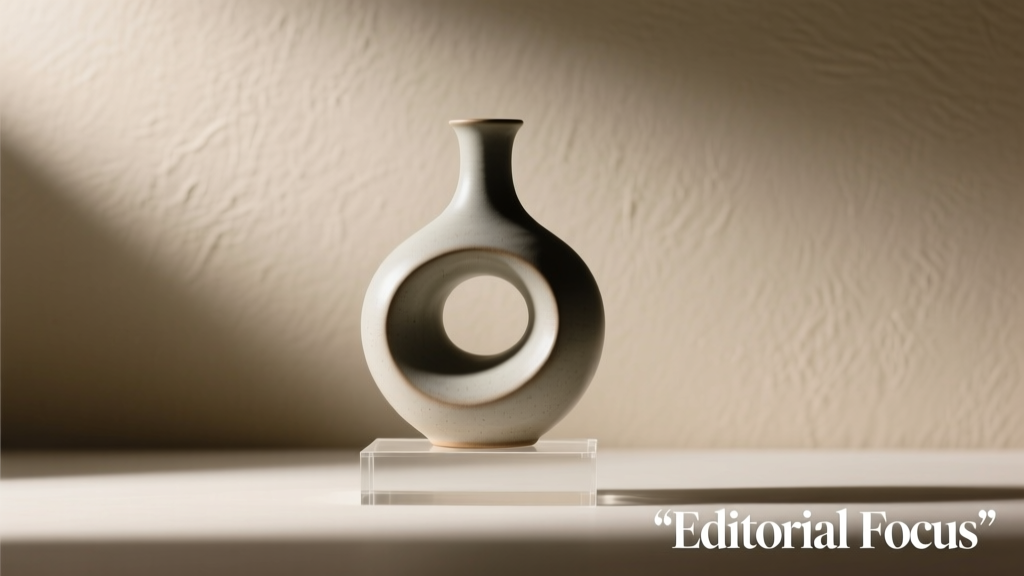
Award & Trophy Cases
Specially designed to highlight achievements, these enclosures protect awards, plaques, and trophies while showcasing them with a premium finish. The 8x10 acrylic cover often sits atop a wooden or metal base, adding elegance and durability.
Advantages
- Protects awards from dust, fingerprints, and damage
- Enhances presentation with a polished, professional look
- Custom engraving options available
- Can be illuminated for dramatic effect
Limitations
- Higher cost for engraved or lit versions
- Bulkier than simple frames
- May require secure placement to prevent tipping
Best for: Corporate recognition, sports awards, academic honors, retirement gifts
| Type | Primary Use | Durability | Visibility | Ideal Setting |
|---|---|---|---|---|
| Frame Displays | Photos & Artwork | High | Excellent | Home, Office, Studio |
| Rigid/Flexible | Documents & Modular Displays | Medium–High | Good | Exhibitions, Events |
| Standees & Sign Holders | Promotions & Signage | Medium | Very Good | Retail, POS, Conferences |
| Award & Trophy Cases | Recognition & Memorabilia | Very High | Excellent | Ceremonies, Offices, Displays |
Expert Tip: To maintain the clarity of your acrylic display, clean it regularly with a microfiber cloth and a solution of mild soap and water. Avoid ammonia-based cleaners (like Windex) as they can damage the acrylic surface over time.
Features of 8x10 Acrylic Display: A Modern Alternative to Glass
The 8x10 acrylic display has emerged as a superior choice for showcasing photos, artwork, and collectibles in homes, offices, retail spaces, and exhibitions. Unlike traditional glass displays, acrylic offers a combination of durability, visual clarity, and design flexibility that makes it ideal for a wide range of applications. Its lightweight nature and cost-effectiveness further enhance its appeal across personal and commercial settings.
Key Advantages of 8x10 Acrylic Displays
Durability & Impact Resistance
One of the most significant advantages of acrylic over glass is its exceptional durability. Acrylic is up to 10 times more impact-resistant than glass, making it far less likely to crack or shatter when dropped or bumped. This makes it an excellent option for high-traffic environments such as schools, retail stores, and busy households.
Unlike glass, which can pose safety hazards when broken, acrylic remains intact even under stress, reducing the risk of injury and minimizing maintenance costs. This resilience ensures long-term use with minimal risk of damage during handling or transportation.
Crystal Clarity & Optical Transparency
Acrylic provides exceptional optical clarity, with light transmission rates of up to 92%—higher than most types of glass. This means your photos, artwork, or products are displayed with vibrant color accuracy and minimal distortion.
The high transparency enhances visual appeal, making items appear more vivid and professionally presented. Whether used in picture frames, retail signage, or exhibition cases, acrylic ensures that every detail is showcased with precision and brilliance.
Lightweight & Easy to Handle
Weighing approximately half as much as glass, 8x10 acrylic displays are significantly easier to install, move, and reposition. This makes them ideal for dynamic environments where displays are frequently rearranged or transported.
The reduced weight also lowers shipping costs and simplifies wall mounting, reducing stress on fixtures and walls. For large-scale installations or temporary setups, this lightweight construction offers both convenience and safety.
Versatile Design Options
Acrylic is highly adaptable and can be easily cut, shaped, and finished to meet various aesthetic and functional needs. From sleek modern frames to custom exhibition stands, the 8x10 size fits seamlessly into diverse design themes.
Available in clear, frosted, tinted, or mirrored finishes, acrylic allows for creative customization. It can be laser-engraved, backlit, or combined with other materials like wood or metal for a unique presentation. This versatility makes it perfect for marketing displays, corporate branding, home decor, and special events.
Premium Edge Finishing
A defining feature of quality acrylic displays is the polished edge finish. When cut and sanded properly, acrylic edges become smooth and glossy, refracting light beautifully and adding a refined, high-end look to the display.
This seamless edge enhances the overall elegance and professionalism of the frame, drawing attention to the content rather than the border. The clarity of the material combined with precision finishing creates a "floating image" effect that elevates visual impact.
Cost-Effectiveness & Value
Despite offering many of the same visual benefits as glass, acrylic is generally more affordable—both in material cost and installation. It requires less expensive hardware and poses fewer risks during shipping and handling, reducing overall project expenses.
For businesses and individuals seeking an elegant yet budget-friendly display solution, acrylic provides excellent value. Its longevity and low maintenance needs further contribute to long-term savings, making it a smart investment for repeated use across multiple settings.
| Feature | Benefit | Ideal Use Cases |
|---|---|---|
| Durability | Resistant to breakage and impact | Children’s rooms, retail stores, public exhibitions |
| Optical Clarity | Superior light transmission and color fidelity | Art galleries, photography displays, product showcases |
| Lightweight | Easy to handle, ship, and mount | Trade shows, rotating displays, wall installations |
| Design Flexibility | Customizable shapes, colors, and finishes | Branding, events, interior decor |
| Cost Efficiency | Lower material and labor costs | Budget-conscious projects, bulk orders, temporary setups |
Why Choose Acrylic Over Glass?
Note: While acrylic is highly durable, it can scratch more easily than glass if not handled properly. Always clean with a microfiber cloth and avoid abrasive materials. For maximum longevity, consider displays with scratch-resistant coatings. Proper care ensures your 8x10 acrylic display remains pristine for years.
Uses of 8x10 Acrylic Display
The 8x10 acrylic display is one of the most versatile and widely used sizes in both personal and professional settings. Known for its sleek, modern appearance and exceptional clarity, this display format enhances visual presentation while offering durability and protection for delicate items. Its popularity stems from its ability to elevate the perceived value of displayed content—whether artistic, informational, or commemorative—making it ideal for a wide range of applications.
Photographic Art & Artwork Displays
Photographers and visual artists frequently choose 8x10 acrylic displays to showcase high-resolution prints and original artwork. The optical clarity of acrylic enhances image depth and color vibrancy, providing a glass-like finish without the risk of shattering.
- Blocks UV rays when treated, helping prevent fading of sensitive prints
- Provides a sleek, frameless look that emphasizes the artwork
- Ideal for gallery exhibitions, studios, or home art walls
- Anti-reflective coatings available for improved visibility in bright environments
Design tip: Backlight-compatible acrylic options can create a dramatic illuminated effect for portraits and digital art.
Home & Office Décor
In residential and corporate interiors, 8x10 acrylic displays add a touch of sophistication to personal and professional spaces. Their minimalist design blends seamlessly with modern décor, making them perfect for displaying cherished memories or professional milestones.
- Displays family photos, inspirational quotes, or calendars on desks and shelves
- Enhances executive offices with framed certifications, licenses, or mission statements
- Available in standing, wall-mount, or magnetic formats for flexible placement
- Scratch-resistant surface maintains pristine appearance over time
Styling idea: Use multiple acrylic displays in a curated gallery wall for a cohesive and elegant aesthetic.
Trophy & Award Showcases
Acrylic award displays are a preferred choice for recognizing achievement in sports, academics, and corporate environments. The 8x10 size is perfect for engraving names, dates, and accomplishments with precision and elegance.
- Crystal-clear finish conveys prestige and professionalism
- Durable enough for long-term display in schools, lobbies, or conference rooms
- Custom engraving and logo integration available for branding
- Lightweight yet sturdy—ideal for travel or event-based award ceremonies
Pro insight: Pair with LED base lighting to highlight awards during presentations or receptions.
Business Promotional Displays
For marketing and retail, the 8x10 acrylic display serves as a powerful point-of-purchase (POP) tool. Its premium appearance draws attention while conveying brand credibility and product value.
- Displays product details, pricing, or promotional offers in retail stores
- Used at trade shows, expos, and corporate events for branding and messaging
- Can hold QR codes, discount tags, or call-to-action inserts
- Easily interchangeable inserts allow for dynamic content updates
Retail advantage: Studies show clear acrylic signage increases customer engagement by up to 40% compared to paper-based displays.
Memorabilia & Collector Displays
Collectors use 8x10 acrylic enclosures to protect and showcase valuable items such as limited-edition vinyl records, trading cards, autographs, and vintage artifacts. The sealed environment helps prevent dust, moisture, and handling damage.
- Preserves condition and increases resale value of collectibles
- Allows 360-degree viewing when designed with open sides or stands
- Custom cutouts accommodate irregularly shaped items
- Popular among sneaker collectors, music enthusiasts, and sports memorabilia fans
Collector’s note: Acid-free foam inserts prevent chemical degradation of paper-based memorabilia.
Instructional & Informational Signage
In educational, corporate, and public spaces, acrylic displays are used to communicate important information clearly and professionally. Their durability makes them suitable for high-traffic areas.
- Displays safety instructions, operating procedures, or directional signs
- Used in museums, classrooms, and training centers for exhibit labeling
- Weather-resistant versions available for semi-outdoor installations
- Reusable dry-erase surfaces ideal for scheduling boards or daily updates
Efficiency benefit: Reusable design reduces printing costs and waste over time.
Expert Recommendation: When selecting an 8x10 acrylic display, consider the environment and purpose. For high-visibility areas, opt for UV-protected, anti-glare acrylic. For frequent content changes, choose open-top or snap-frame designs. For awards and memorabilia, sealed enclosures with tamper-resistant hardware offer superior protection and presentation.
| Application | Recommended Acrylic Type | Key Features | Best For |
|---|---|---|---|
| Art & Photography | Optical-grade, UV-protective | Color enhancement, anti-reflective coating | Galleries, studios, home décor |
| Awards & Trophies | Crystal-clear, laser-engravable | Premium finish, customizable engraving | Ceremonies, corporate recognition |
| Retail & Promotions | Matte or clear with insert slots | Easy content swap, durable surface | Point-of-sale, trade shows |
| Collectibles | Sealed, dust-resistant enclosure | Protective, display-focused design | Museums, private collections |
| Informational Use | Writable or changeable faceplate | Reusable, legible, low maintenance | Offices, schools, public spaces |
Additional Considerations
- Mounting Options: Choose from tabletop stands, wall mounts, or magnetic backs depending on space and visibility needs
- Customization: Many suppliers offer laser engraving, colored edges, or logo branding for personalized presentation
- Eco-Friendliness: Acrylic is recyclable, and some manufacturers offer sustainable production methods
- Cleaning & Maintenance: Use non-abrasive cleaners to maintain clarity and prevent scratching
- Thickness: Standard 1/8" to 1/4" thickness balances clarity and sturdiness for most applications
How to Choose the Perfect 8x10 Acrylic Display: A Comprehensive Buyer’s Guide
Selecting the right 8x10 acrylic display is more than just a matter of aesthetics—it's about functionality, durability, and presentation quality. Whether you're showcasing a cherished photograph, a professional certificate, artwork, or important instructions, understanding the key selection criteria ensures your display enhances the content while standing the test of time. This guide walks you through the essential factors to consider when choosing an 8x10 acrylic display for home, office, or commercial use.
Important Note: Always verify the exact internal dimensions of the display to ensure your 8x10 print or document fits properly. Some acrylic frames may have slightly smaller viewing areas due to bezel design or mounting mechanisms.
Key Factors to Consider When Choosing an 8x10 Acrylic Display
- Purpose of Use
Understanding the primary function of your display is the first step in making the right choice. An 8x10 acrylic display is commonly used to frame photographs, artwork prints, diplomas, certificates, awards, or instructional signage. If you plan to change the displayed content frequently—such as in a rotating employee spotlight or seasonal promotions—a dynamic (openable) display is ideal. These typically feature snap-open edges or hinged backs for easy access. For permanent displays, a sealed, static frame offers a sleek, tamper-resistant finish that enhances visual clarity and protection.
- Orientation: Portrait vs. Landscape
Choose the orientation based on the content you're displaying. Portrait orientation (taller than wide) is best suited for headshots, certificates, diplomas, and vertical artwork—common in offices, schools, and galleries. Landscape orientation (wider than tall) works well for scenic photos, panoramic images, wide-format artwork, or informational signage. Ensuring alignment between your image and the display’s orientation prevents awkward cropping and maintains professional presentation. Some models offer convertible stands that support both orientations, adding versatility.
- Standing vs. Wall-Mounted Design
Decide how and where the display will be used. Standing displays come with built-in easel backs, slotted bases, or tabletop stands, making them perfect for desks, reception areas, retail counters, or mantelpieces. They offer flexibility and portability. Wall-mounted displays, on the other hand, include pre-drilled holes or hanging brackets for secure installation on walls. These are ideal for creating photo walls, gallery exhibitions, or permanent signage in hallways and conference rooms. Consider your space and audience visibility when choosing the mounting style.
- Quality of Acrylic Material
Not all acrylic is created equal. High-quality, optical-grade clear acrylic provides superior clarity, often outperforming glass in light transmission while being significantly lighter and more impact-resistant. Avoid tinted, frosted, or textured acrylic unless a specific design effect is desired, as these can distort or dull the image. Thickness is also crucial—most durable 8x10 displays use 1/8" (3mm) to 1/4" (6mm) acrylic, which resists warping, bending, and yellowing over time. Thicker acrylic also adds a premium, substantial feel to the display.
- Ease of Access and Loading
If you anticipate changing the content regularly, prioritize displays with user-friendly access. Look for features like tool-free opening mechanisms, magnetic closures, snap frames, or removable back panels. These allow quick and safe insertion or replacement of prints without scratching the acrylic or damaging the frame. Poorly designed frames may require excessive force or tools, increasing the risk of cracks or scratches. For high-traffic environments like retail or offices, ease of access translates to time savings and reduced maintenance costs.
- Budget and Value Considerations
While acrylic displays vary in price based on thickness, finish, design complexity, and brand, investing in a higher-quality model often pays off in longevity and appearance. Entry-level options may use thinner acrylic or flimsy stands, while premium models feature precision laser-cut edges, UV protection coatings, and reinforced bases. Consider the display’s environment: a high-end lobby may justify a more elegant design, whereas a functional office space might prioritize practicality. Balancing cost with durability and aesthetics ensures you get the best value for your needs.
| Selection Factor | Best For | Avoid If | Recommended Features |
|---|---|---|---|
| Purpose of Use | Rotating content, temporary displays | Permanent installation with no changes needed | Openable back, snap frame, magnetic closure |
| Orientation | Matching image format (portrait/landscape) | Mismatched with content aspect ratio | Convertible stand, clear labeling |
| Mounting Style | Desks, shelves, walls, galleries | Unstable surfaces or incorrect hardware | Easel back, wall hooks, anti-tip base |
| Acrylic Quality | High-clarity, long-term display | Poor lighting or visible distortion | 3mm+ clear acrylic, polished edges |
| Ease of Access | Frequent content changes | Difficult or tool-requiring access | Tool-free opening, protective lining |
| Budget | Cost-effective, durable solution | Overpaying for unnecessary features | Value pack, modular design, brand reputation |
Pro Tip: To keep your acrylic display looking pristine, clean it regularly with a microfiber cloth and a solution of mild soap and water. Avoid ammonia-based cleaners (like window sprays) as they can cause clouding or cracking over time. Store spare displays flat in a dust-free environment to prevent scratches.
Additional Tips for Optimal Display Performance
- Check for UV protection coatings if displaying in direct sunlight to prevent fading of photos or documents.
- Look for displays with felt or rubber lining on the back to protect walls and prevent slipping on surfaces.
- Consider anti-glare or matte-finish acrylic if the display will be in a brightly lit area to reduce reflections.
- For professional settings, opt for frames with a minimalist design that doesn’t distract from the content.
- Always handle acrylic with clean hands or gloves to avoid smudges and oils that are difficult to remove.
Choosing the right 8x10 acrylic display involves balancing form and function. By carefully evaluating your needs in terms of purpose, orientation, mounting, material quality, accessibility, and budget, you can select a display that not only protects and presents your content beautifully but also enhances the overall environment. Whether for personal, professional, or commercial use, a well-chosen acrylic display adds a touch of sophistication and clarity to any space.
Frequently Asked Questions About Acrylic Displays
Q1: Are acrylic displays UV-resistant?Many acrylic displays are designed with UV resistance in mind, helping to protect displayed items from fading or degradation caused by prolonged exposure to sunlight. UV-resistant acrylic contains special additives that absorb or block ultraviolet radiation, preserving both the clarity of the display and the integrity of the contents—especially important for artwork, photographs, or retail products exposed near windows or under bright lighting.
- UV-Protected Grades: Some acrylics are specifically manufactured with built-in UV inhibitors for outdoor or high-sunlight environments.
- Lifespan: UV-resistant acrylic can last significantly longer outdoors—typically 10+ years without yellowing or brittleness.
- Limitation: Standard acrylic (non-UV stabilized) may degrade over time when exposed to direct sunlight, leading to discoloration and reduced transparency.
For long-term installations in sunny areas, always opt for UV-stabilized acrylic to ensure durability and visual clarity.
Q2: How should acrylic displays be cleaned and maintained?Proper care ensures your acrylic display remains crystal clear and scratch-free for years. Unlike glass, acrylic is more prone to scratching, so cleaning techniques must be gentle yet effective.
- Avoid Harsh Cleaners: Never use ammonia-based or abrasive cleaners (like Windex or paper towels), as they can cloud or scratch the surface.
- Recommended Method: Use a soft microfiber cloth dampened with lukewarm water. For stubborn smudges, add a few drops of mild dish soap to the water.
- Drying: Dry with a clean, lint-free cloth using straight-line motions to avoid swirl marks.
- Frequency: Regular dusting with a dry microfiber cloth helps prevent buildup without risking damage.
For commercial or high-traffic settings, consider anti-static acrylic, which repels dust and reduces the need for frequent cleaning.
Q3: Can acrylic displays be used outdoors?Yes, acrylic displays can be used outdoors, thanks to their durability, impact resistance, and lightweight nature. However, successful outdoor use depends on material selection and environmental conditions.
- Durability: Acrylic is up to 17 times more impact-resistant than glass, making it ideal for exposed or public areas.
- Weather Resistance: It performs well in moderate climates but should be protected from extreme temperature swings, heavy hail, or prolonged exposure to torrential rain if not properly sealed.
- UV Protection: Outdoor installations should always use UV-stabilized acrylic to prevent yellowing, cracking, or loss of transparency over time.
- Installation Tips: Ensure proper ventilation behind the display to prevent condensation and use UV-resistant adhesives or fasteners for mounting.
With the right specifications, acrylic is an excellent choice for signage, outdoor exhibits, and architectural displays.
Q4: What thickness of acrylic is best for wall-mounted gallery displays?For wall-mounted gallery stands or picture displays, thickness plays a key role in structural integrity, appearance, and safety. A thickness of around 1/4 inch (6 mm) is generally recommended for most applications.
- Strength: Thicker acrylic provides greater rigidity, reducing the risk of bending or warping—especially for larger panels or heavy items.
- Mounting Options: 1/4-inch acrylic supports secure attachment with standoffs, brackets, or embedded hardware without compromising the material.
- Clarity & Aesthetics: This thickness maintains excellent optical clarity while adding a premium, substantial look to the display.
- Smaller Displays: For lightweight or small-format pieces, 1/8 inch (3 mm) may suffice, but 1/4 inch offers better long-term stability.
Always consider the weight of the displayed item and consult engineering guidelines for ceiling or wall load limits when designing custom installations.
Q5: Are acrylic displays recyclable?Yes, acrylic (also known as polymethyl methacrylate or PMMA) is fully recyclable, making it a more environmentally responsible option compared to many other plastics.
- Recycling Process: Acrylic can be ground down and reprocessed into new sheets or molded products without significant loss of quality.
- Landfill Impact: Unlike some plastics, acrylic does not release toxic chemicals when incinerated and decomposes more safely in landfills—though recycling is still the preferred disposal method.
- Sustainability: Recycled acrylic requires less energy to produce than virgin material, reducing carbon footprint.
- Disposal Tip: Check with local recycling centers, as not all facilities accept acrylic. Some manufacturers offer take-back programs for offcuts or old displays.
Choosing recyclable acrylic supports eco-friendly design practices and contributes to sustainable retail, exhibition, and architectural projects.