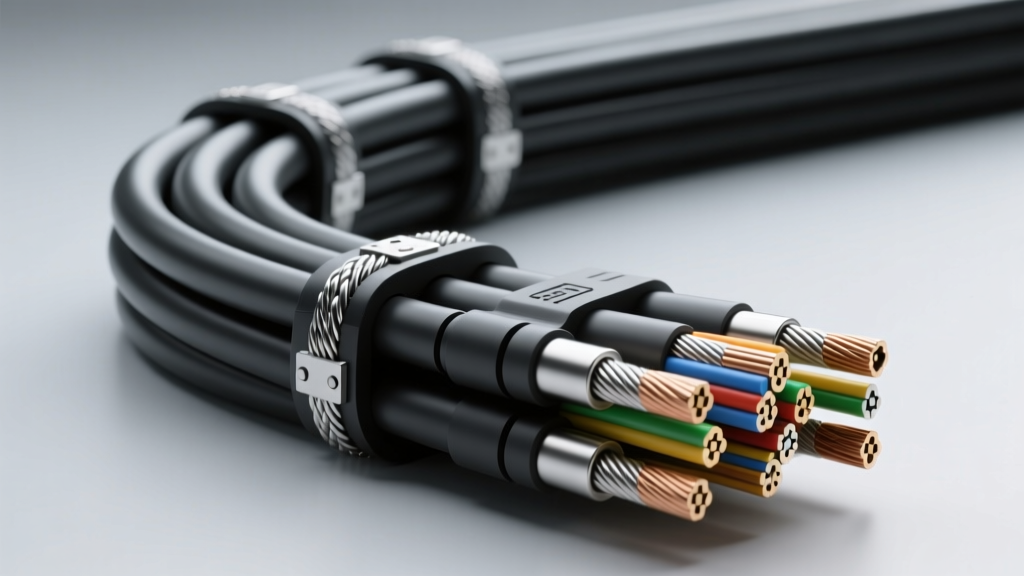
Types of LC Multimode Media Converters
An LC multimode media converter is a networking device that bridges copper-based Ethernet networks with fiber optic cabling using LC connectors and multimode fiber. These converters are essential for extending network reach, improving signal integrity, and integrating legacy systems with modern fiber infrastructure. They are widely used in enterprise networks, industrial environments, and surveillance systems where high-speed, reliable data transmission over longer distances is required.
Single-Channel Media Converter
Designed for point-to-point network conversion, this model supports a single Ethernet-to-fiber link.
Advantages
- Simple plug-and-play installation
- Low power consumption
- Compact design saves space
- Cost-effective for small-scale deployments
Limitations
- Limited to one connection per unit
- Not scalable for growing networks
- Fewer management features
Best for: Small offices, remote workstations, temporary setups, and basic network extensions
Multi-Channel Media Converter
Supports multiple simultaneous Ethernet-to-fiber conversions in a single chassis.
Advantages
- High port density reduces rack space
- Centralized management and monitoring
- Scalable for enterprise environments
- Improved cabling organization
Limitations
- Higher initial investment
- Requires more power and cooling
- Complex configuration for non-experts
Best for: Data centers, campus networks, and large-scale fiber deployments
Fiber to RS-232 Media Converter
Converts legacy serial (RS-232) signals to fiber optic for long-distance transmission.
Advantages
- Extends serial communication beyond 15 meters
- Immune to electromagnetic interference (EMI)
- Preserves data integrity over kilometers
- Ideal for legacy industrial equipment integration
Limitations
- Lower data rates compared to Ethernet
- Limited to serial device compatibility
- Specialized use case reduces versatility
Best for: Industrial automation, SCADA systems, and telecom infrastructure
Fast Ethernet Media Converter
Converts 100BASE-TX copper Ethernet to 100BASE-FX fiber optic signals.
Advantages
- Maintains 100 Mbps speed over fiber
- Extends reach up to 2 km with multimode fiber
- Seamless integration with existing networks
- Cost-effective infrastructure upgrade
Limitations
- Not suitable for Gigabit applications
- Becoming outdated in high-speed environments
- Limited future-proofing
Best for: Legacy network upgrades, mid-sized businesses, and cost-sensitive projects
PoE Media Converter
Combines fiber conversion with Power over Ethernet (PoE) delivery to remote devices.
Advantages
- Delivers both data and power over fiber + copper
- Eliminates need for local power at remote sites
- Simplifies installation of IP cameras, VoIP phones, and Wi-Fi access points
- Enhances safety in hard-to-reach locations
Limitations
- Power budget constraints (typically 15.4W or 30W)
- Heat generation in enclosed spaces
- Higher cost than non-PoE models
Best for: Security systems, smart buildings, and distributed IoT networks
| Type | Speed | Distance | Key Use Case | Power Delivery |
|---|---|---|---|---|
| Single-Channel | 10/100/1000 Mbps | Up to 2 km | Basic network extension | No |
| Multi-Channel | 10/100/1000 Mbps | Up to 2 km | Enterprise fiber aggregation | Optional |
| Fiber to RS-232 | Up to 115.2 Kbps | Up to 2 km | Industrial serial communication | No |
| Fast Ethernet | 100 Mbps | Up to 2 km | Legacy network upgrade | No |
| PoE Media Converter | 10/100/1000 Mbps | Up to 2 km | Remote device powering | Yes (PoE/PoE+) |
Expert Tip: When deploying LC multimode media converters, ensure compatibility between the converter's wavelength (typically 850nm) and your multimode fiber type (OM1, OM2, OM3, or OM4) to maximize transmission distance and reliability.
Function, Features, and Design of LC Multimode Media Converters
LC multimode media converters are essential networking devices that bridge copper-based Ethernet networks with fiber optic infrastructure. By converting electrical signals from standard RJ45 Ethernet into optical signals transmitted over multimode fiber, these converters enable high-speed, long-distance data transmission while maintaining signal integrity. Their integration allows organizations to leverage the benefits of fiber optics—such as immunity to electromagnetic interference (EMI), enhanced security, and extended reach—without requiring a complete overhaul of existing network systems.
Core Functionality
The primary function of an LC multimode media converter is protocol-transparent signal conversion between 10/100/1000BASE-T copper Ethernet and 1000BASE-SX fiber optic links. This enables seamless connectivity across mixed-media networks, particularly in environments where electrical noise, ground loops, or long cable runs make traditional copper cabling impractical.
These converters are commonly deployed in campus networks, industrial facilities, surveillance systems, and data centers to extend network segments beyond the 100-meter limit of copper Ethernet. Because they operate at the physical layer (Layer 1) of the OSI model, they require no configuration and are plug-and-play, making them ideal for quick upgrades and expansions.
Signal Conversion
LC multimode media converters translate electrical signals from twisted-pair cables into light pulses for transmission over fiber. This conversion preserves data integrity across distances up to 550 meters (for 1Gbps on OM2 fiber) or up to 1 kilometer (on OM3/OM4), far exceeding copper limitations.
Network Segmentation
They allow safe interconnection between different network segments, such as connecting a security camera system in a remote building to a central switch without introducing EMI risks or signal degradation.
Key Features and Performance Benefits
Most LC multimode converters support Gigabit Ethernet speeds (1000 Mbps), enabling rapid transfer of large files, HD video streams, and real-time data. High-performance models may support auto-negotiation between 10/100/1000 Mbps, ensuring backward compatibility with legacy equipment. This makes them ideal for enterprise environments, educational institutions, and healthcare networks where bandwidth demands are constantly increasing.
Designed with advanced ASICs (Application-Specific Integrated Circuits), these converters efficiently manage high-volume data traffic. Their ability to handle concurrent transmissions from multiple devices ensures consistent throughput during peak usage times. This is especially valuable in settings like office complexes, manufacturing floors, or retail locations with numerous connected endpoints.
With latency typically under 2 microseconds, LC multimode converters ensure near-instantaneous data forwarding. This minimal delay is critical for latency-sensitive applications such as VoIP, video conferencing, live streaming, online trading platforms, and industrial automation systems where timing precision is paramount.
| Feature | Typical Specification | Practical Benefit |
|---|---|---|
| Data Rate | 10/100/1000 Mbps (auto-sensing) | Backward compatibility and future-proofing for growing bandwidth needs |
| Fiber Type | Multimode (OM1, OM2, OM3, OM4) | Cost-effective short-to-medium distance connectivity |
| Maximum Distance | 550m (OM2), 1km (OM3/OM4) | Extended reach without repeaters or switches |
| Latency | < 2 μs | Real-time performance for critical applications |
| Connector Type | LC Duplex | Compact, secure, and widely used in modern fiber installations |
Design and Build Quality
LC multimode media converters are engineered for reliability, scalability, and ease of deployment. Their compact form factor allows for dense installation in equipment racks or on desktops, supporting efficient space utilization in network closets and control rooms.
Energy Efficiency
Modern converters are designed with power-saving circuitry that reduces energy consumption by up to 40% compared to older models. Many comply with Energy-Efficient Ethernet (EEE) standards, dynamically adjusting power usage based on link activity. Lower power draw translates to reduced operational costs and less heat generation—critical in enclosed or poorly ventilated spaces.
Robust Casing and Environmental Resilience
Housed in durable metal enclosures, these devices resist physical damage, electromagnetic interference, and environmental stressors such as dust, moisture, and temperature fluctuations. Industrial-grade models often feature extended operating temperature ranges (-10°C to 60°C) and DIN-rail mounting options, making them suitable for harsh environments like factories, outdoor enclosures, or transportation hubs.
In addition to physical durability, many LC multimode converters include diagnostic features such as LED indicators for link status, speed, and fault detection. Some managed variants offer remote monitoring via SNMP, enabling proactive maintenance and troubleshooting.
Important: Always verify fiber type compatibility (OM1–OM4) and match the converter’s wavelength (typically 850nm for multimode) with your existing cabling infrastructure. Using mismatched components can lead to signal loss or reduced performance. Additionally, ensure proper polarity and clean fiber connectors to avoid unnecessary attenuation. Regular inspection and cleaning of LC ports will maintain optimal signal transmission and prolong device lifespan.
Application of LC Multimode Media Converter
LC multimode media converters are essential components in modern networking, enabling seamless integration between copper-based Ethernet systems and fiber optic infrastructure. Thanks to their compact LC connectors and compatibility with multimode fiber, these devices are widely deployed across diverse environments—from corporate offices and educational institutions to industrial facilities and healthcare centers. Their ability to maintain high-speed data transmission over extended distances makes them ideal for expanding network reach, enhancing performance, and improving security without requiring a complete overhaul of existing infrastructure.
Expanding Network Reach
One of the primary advantages of LC multimode media converters is their ability to extend network coverage far beyond the limitations of traditional copper cabling. While standard Ethernet cables (like Cat5e or Cat6) are limited to 100 meters, fiber optic connections supported by these converters can span up to 2 kilometers, depending on the fiber type and transmission speed.
- Perfect for large campuses, warehouses, and manufacturing plants where devices are spread across vast areas
- Enables connection between buildings without signal degradation
- Supports flexible network topologies, including ring and star configurations over fiber backbones
Key benefit: Eliminates the need for additional network switches or repeaters in long-distance deployments
Upgrading Legacy Systems
Many organizations operate on aging copper-based networks that struggle to keep up with today’s bandwidth demands. LC multimode media converters offer a cost-effective migration path by bridging legacy copper networks with modern fiber optic backbones.
- Allows gradual transition from copper to fiber without replacing entire cabling infrastructure
- Preserves investment in existing switches and network hardware while boosting performance
- Supports upgrades to Gigabit or 10G Ethernet over fiber, even when original equipment only supports copper
Pro tip: Ideal for retrofitting older office buildings or school districts with limited IT budgets
Enhancing Network Security
Fiber optic transmission offers inherent security advantages over copper cabling, and LC multimode media converters make it easy to leverage this benefit. Unlike copper wires, fiber does not emit electromagnetic signals and is extremely difficult to tap without causing detectable signal loss.
- Prevents eavesdropping and data interception in sensitive environments (e.g., financial institutions, government offices)
- Protects customer data in retail chains like McDonald's, where POS systems transmit payment information
- Reduces risk of network breaches in multi-tenant buildings or shared facilities
Critical insight: Fiber is immune to electromagnetic interference (EMI), making it safer and more reliable in electrically noisy environments
Enabling Power over Ethernet (PoE) Integration
Advanced LC multimode media converters now support Power over Ethernet (PoE), combining data and power delivery over a single connection. This capability simplifies deployment of remote network devices that require both connectivity and electrical power.
- Power IP cameras, wireless access points, VoIP phones, and IoT sensors located far from power outlets
- Reduce installation costs by eliminating the need for separate power cabling and electrician labor
- PoE+ and PoE++ models support higher-power devices such as PTZ cameras and digital signage
Smart deployment: Use PoE media converters in outdoor surveillance or ceiling-mounted Wi-Fi installations
Supporting High Data Traffic Environments
In data-intensive settings, maintaining consistent throughput and low latency is critical. LC multimode media converters support high-bandwidth applications by leveraging the superior data-carrying capacity of fiber optics.
- Handle large file transfers, video streaming, cloud computing, and real-time collaboration tools without bottlenecks
- Support 1Gbps and 10Gbps speeds depending on model and fiber grade (OM3/OM4)
- Maintain performance during peak usage times in enterprise networks or university campuses
Performance note: Multimode fiber with LC connectors is optimized for short-to-medium reach, high-speed backbone links
Applications Across Industries
LC multimode media converters are versatile tools used across various sectors to solve specific networking challenges.
- Education: Connect classrooms, libraries, and administrative buildings across a campus
- Healthcare: Link medical imaging systems and electronic health records securely between departments
- Manufacturing: Provide reliable connections in EMI-heavy factory floors
- Smart Buildings: Integrate security, lighting, HVAC, and access control systems over a unified network
Real-world example: A university uses media converters to connect dormitories to the central data center using existing riser fiber
Professional Recommendation: When deploying LC multimode media converters, ensure compatibility between fiber type (OM1, OM2, OM3, OM4), wavelength (850nm), and distance requirements. Always use matched pairs (one at each end) and consider managed models with SNMP support for remote monitoring and troubleshooting. For mission-critical links, opt for units with redundant power supplies and auto-failover capabilities.
| Application Scenario | Recommended Converter Type | Max Distance | Key Features |
|---|---|---|---|
| Office building inter-floor connectivity | 1G LC Multimode | 550m (OM2), 1km (OM3) | Plug-and-play, LED diagnostics |
| School campus network extension | PoE+ LC Multimode | 550m | Power delivery up to 30W, surge protection |
| Factory floor to control room | Industrial-grade 1G LC | 2km | DIN-rail mount, wide temperature range |
| Data center rack-to-rack | 10G LC Multimode | 300m (OM3), 400m (OM4) | Low latency, high throughput |
Additional Considerations
- Fiber Type Compatibility: Ensure the converter matches your multimode fiber (OM1–OM4); mismatched types reduce performance
- Hot-Swappable Design: Some models allow replacement without shutting down the network
- Auto-Negotiation: Look for converters that automatically detect speed (10/100/1000 Mbps) and duplex settings
- Rack-Mount Options: Available for centralized deployment in server rooms or telecom closets
- Environmental Durability: Industrial models offer protection against dust, moisture, and extreme temperatures
How to Choose the LC Multimode Media Converter: A Comprehensive Buyer’s Guide
Selecting the right LC multimode media converter is essential for ensuring seamless, high-performance network connectivity. These converters play a critical role in bridging copper-based Ethernet networks with fiber optic infrastructure, especially in environments requiring high bandwidth and immunity to electromagnetic interference. However, not all converters are created equal. Buyers must carefully evaluate several key factors—ranging from network demands to scalability—to match the right device with their client’s specific requirements.
Important Note: Choosing the wrong media converter can lead to signal loss, network bottlenecks, or compatibility issues. Always verify technical specifications against your client’s current and future network infrastructure to ensure long-term reliability and performance.
Key Factors to Consider When Choosing an LC Multimode Media Converter
- Network Type and Performance Requirements
Understanding the client’s network environment is the first and most crucial step. Different businesses have vastly different data transmission needs:
- High-Demand Environments: Data centers, hospitals, and video production studios often require converters that support Gigabit Ethernet (1000BASE-SX) over multimode fiber, with low latency and high throughput.
- General Office Use: Smaller businesses or branch offices may only need basic 100BASE-FX converters for reliable connectivity over short to medium distances (up to 2 km).
- Distance and Bandwidth: LC multimode converters typically support distances from 550 meters (for 1 Gbps) up to 2 kilometers (for 100 Mbps), depending on fiber type (OM1, OM2, OM3, or OM4). Ensure the converter matches the required reach and bandwidth to prevent signal degradation.
Selecting a converter that aligns with both current load and future growth ensures stable, efficient network performance without costly upgrades down the line.
- Connection Type and Interface Compatibility
The media converter must seamlessly integrate with the client’s existing hardware and cabling infrastructure. Consider the following connection types:
- Ethernet (RJ45): Standard for connecting switches, routers, and end-user devices. Most LC multimode converters support 10/100/1000 Mbps auto-sensing Ethernet ports.
- Serial (RS-232/RS-485): For legacy industrial equipment, security systems, or point-of-sale terminals, select a media converter with serial-to-fiber capabilities to extend communication over long distances.
- Power over Ethernet (PoE): If the client needs to power remote devices like IP cameras, wireless access points, or VoIP phones over fiber, choose a PoE-enabled media converter that supports IEEE 802.3af or 802.3at standards.
- Fiber Interface: Confirm the converter uses LC duplex connectors and is compatible with multimode fiber (typically 50/125 µm or 62.5/125 µm). This ensures proper alignment and minimal insertion loss.
- Installation and Management Ease
Deployment complexity can vary significantly between models. Consider the following to ensure smooth integration:
- Plug-and-Play vs. Managed: Basic unmanaged converters offer immediate connectivity with no configuration required—ideal for clients with limited IT resources. For advanced monitoring and diagnostics, managed converters provide features like link fault pass-through, remote reboot, and SNMP support.
- Mounting Options: Rack-mountable, DIN-rail, or desktop models offer flexibility depending on the installation environment (e.g., server room vs. industrial cabinet).
- LED Indicators: Clear status lights for power, link, and activity help technicians quickly diagnose issues during setup and maintenance.
- User Documentation: Converters with detailed, multilingual manuals and online support resources reduce setup time and minimize errors.
- Scalability and Future-Proofing
Networks evolve, and today’s solution should support tomorrow’s needs. Evaluate scalability by asking:
- Modular Design: Some converters support expansion cards or stacking, allowing integration into larger fiber networks as the client grows.
- Backward and Forward Compatibility: Choose models that support both older OM1/OM2 and newer OM3/OM4 fibers to ensure compatibility across upgrades.
- Power Redundancy: For mission-critical applications, look for dual power inputs or support for redundant power supplies to maintain uptime.
- Upgrade Path: Investing in a converter that supports higher speeds (e.g., 2.5G or 5G) or can be managed via a central platform prepares the network for future bandwidth demands.
Selecting a scalable solution reduces long-term costs and avoids the need for disruptive hardware replacements.
| Selection Factor | Key Questions to Ask | Recommended Features | Common Use Cases |
|---|---|---|---|
| Network Type | What bandwidth and distance are required? | Gigabit support, OM3/OM4 compatibility, low latency | Data centers, enterprise networks, video streaming |
| Connection Type | What devices need connecting? Copper, serial, or PoE? | RJ45 + LC fiber, PoE+ support, RS-232 interface | IP cameras, legacy systems, access points |
| Installation | Is IT support available? Is remote management needed? | Plug-and-play, SNMP, LED diagnostics, rack mount | Small offices, remote sites, industrial control |
| Scalability | Will the network expand in the next 3–5 years? | Modular design, dual power, future-speed readiness | Corporate campuses, smart buildings, expanding businesses |
Expert Tip: Always test the media converter in the actual deployment environment before full rollout. Conduct a link test to verify signal strength, check for packet loss, and confirm compatibility with existing switches and SFP modules. This proactive step can prevent costly downtime and ensure optimal performance from day one.
Additional Recommendations for Buyers
- Verify compliance with industry standards such as IEEE 802.3, FCC, and RoHS for reliability and safety.
- Choose converters with built-in surge protection, especially for outdoor or industrial installations.
- Consider temperature tolerance—industrial-grade models operate reliably in harsh environments (-40°C to 75°C).
- Purchase from reputable manufacturers with strong warranties and technical support.
- Keep spare units on hand for quick replacements in mission-critical networks.
In conclusion, selecting the right LC multimode media converter goes beyond basic functionality. By evaluating network demands, connection types, ease of installation, and long-term scalability, buyers can deliver a robust, future-ready solution that meets their client’s evolving needs. When in doubt, consult technical specifications or partner with a trusted supplier to ensure compatibility and performance excellence.
Frequently Asked Questions About Media Converters
Q1: Do media converters work well for wireless networks?Yes, media converters are highly effective in enhancing wireless network performance, especially when extended reach is required. They bridge copper-based wireless access points with fiber optic infrastructure, enabling long-distance data transmission without signal degradation.
- Extended Range: Fiber optic cables connected via media converters can transmit signals over several kilometers—far beyond the limits of traditional Ethernet cables (which max out at 100 meters).
- Reduced Latency: By maintaining signal integrity over long distances, media converters help eliminate lag, ensuring seamless connectivity for applications like video streaming, VoIP, and real-time data transfer.
- Outdoor Deployment: Ideal for connecting remote wireless access points in campuses, parking lots, or industrial sites where Wi-Fi coverage needs to span large open areas.
- Backhaul Support: Often used to provide high-speed backhaul connections from wireless base stations to central network hubs.
This makes media converters a smart choice for expanding wireless network footprints in both urban and rural environments.
Q2: Can media converters connect different fiber optic types together?Yes, certain advanced media converters—known as mode converters or fiber mode translators—can effectively interconnect multimode and singlemode fiber optic cables by converting the optical signal characteristics between the two.
- Multimode to Singlemode Conversion: These converters adjust wavelength and signal focus to allow compatibility between short-range multimode fibers (typically 550m at 1Gbps) and long-haul singlemode fibers (up to 80km or more).
- Hybrid Network Integration: Organizations with mixed fiber installations can use media converters to unify their infrastructure instead of replacing existing cabling.
- Wavelength Matching: Media converters ensure that the light source (e.g., 850nm for multimode vs. 1310nm/1550nm for singlemode) is properly adapted for the target fiber type.
- Bi-Directional Support: Full-duplex operation allows simultaneous transmission and reception across different fiber types.
However, not all media converters support this functionality—be sure to select a model specifically designed for multimode-to-singlemode conversion to ensure compatibility and optimal performance.
Q3: Are media converters secure against hacking?Yes, media converters that utilize fiber optic connections offer a high level of inherent security compared to traditional copper-based networks, making them significantly more resistant to hacking and data interception.
- No Electromagnetic Emissions: Unlike copper cables, fiber optics do not emit signals, making it nearly impossible to eavesdrop using electromagnetic snooping techniques.
- Difficult to Tap: Physically tapping a fiber line requires precision equipment and direct access. Any attempt to intercept the signal typically causes noticeable light loss, triggering network alarms.
- Immunity to Interference: Fiber is immune to electromagnetic interference (EMI) and radio frequency interference (RFI), reducing vulnerabilities from signal jamming or corruption.
- Ideal for Sensitive Environments: Frequently used in government, healthcare, finance, and military networks where data confidentiality and integrity are critical.
While no system is 100% immune to attack, the physical and technical barriers involved in breaching a fiber network make media converters a secure choice for protecting sensitive data transmissions.
Q4: How do media converters assist in network upgrades?Media converters play a vital role in modernizing legacy networks by acting as a bridge between older infrastructure and new high-speed technologies, enabling a cost-effective and phased upgrade strategy.
- Legacy Compatibility: Allow existing copper-based devices (like switches, routers, or IP cameras) to connect to new fiber optic backbones without requiring full equipment replacement.
- Bandwidth Expansion: Enable 10/100/1000 Mbps Ethernet networks to leverage the higher bandwidth and longer reach of fiber, supporting future growth.
- Minimized Downtime: Facilitate gradual transitions without disrupting ongoing operations—upgrade one segment at a time while maintaining connectivity.
- Cost Efficiency: Preserve investments in functional hardware while extending network capabilities, reducing capital expenditure.
- Scalability: Support the integration of new fiber segments into hybrid networks, paving the way for full fiber migration when ready.
This makes media converters an essential tool for IT managers looking to balance performance improvements with budget constraints during network evolution.
Q5: Do media converters work in harsh industrial conditions?Yes, many media converters are specifically engineered for rugged industrial environments and can reliably operate under extreme conditions where standard commercial-grade equipment would fail.
| Environmental Factor | Industrial Media Converter Features | Typical Use Cases |
|---|---|---|
| Temperature Extremes | Operate from -40°C to 75°C; fanless design for thermal stability | Outdoor enclosures, oil & gas facilities, cold storage |
| Dust & Moisture | IP30 or higher protection rating; sealed housings | Manufacturing plants, mining operations, transportation systems |
| Vibration & Shock | Reinforced metal enclosures; DIN-rail mounting options | Automated production lines, rail signaling, heavy machinery |
| Power Instability | Wide voltage input (e.g., 12–48V DC); surge protection | Remote substations, renewable energy sites, utility grids |
These robust designs ensure uninterrupted signal conversion in demanding settings such as factories, power plants, and outdoor surveillance systems, making industrial media converters a reliable backbone for mission-critical communications.