Two years apart in release but often compared side by side, the iPhone 13 and iPhone 12 Pro Max continue to spark debate among Apple users. While the 12 Pro Max was a flagship powerhouse in 2020, the iPhone 13 arrived with refinements that promised better efficiency, improved cameras, and longer battery life. But for owners of the 12 Pro Max wondering if they should upgrade—or for buyers choosing between used and new models—the real question remains: is the jump from the 12 Pro Max to the iPhone 13 actually worth it?
This analysis dives deep into performance, camera capabilities, battery longevity, design changes, and long-term value to help you make an informed decision without falling for marketing hype.
Performance: A Closer Look at the A15 vs A14 Bionic
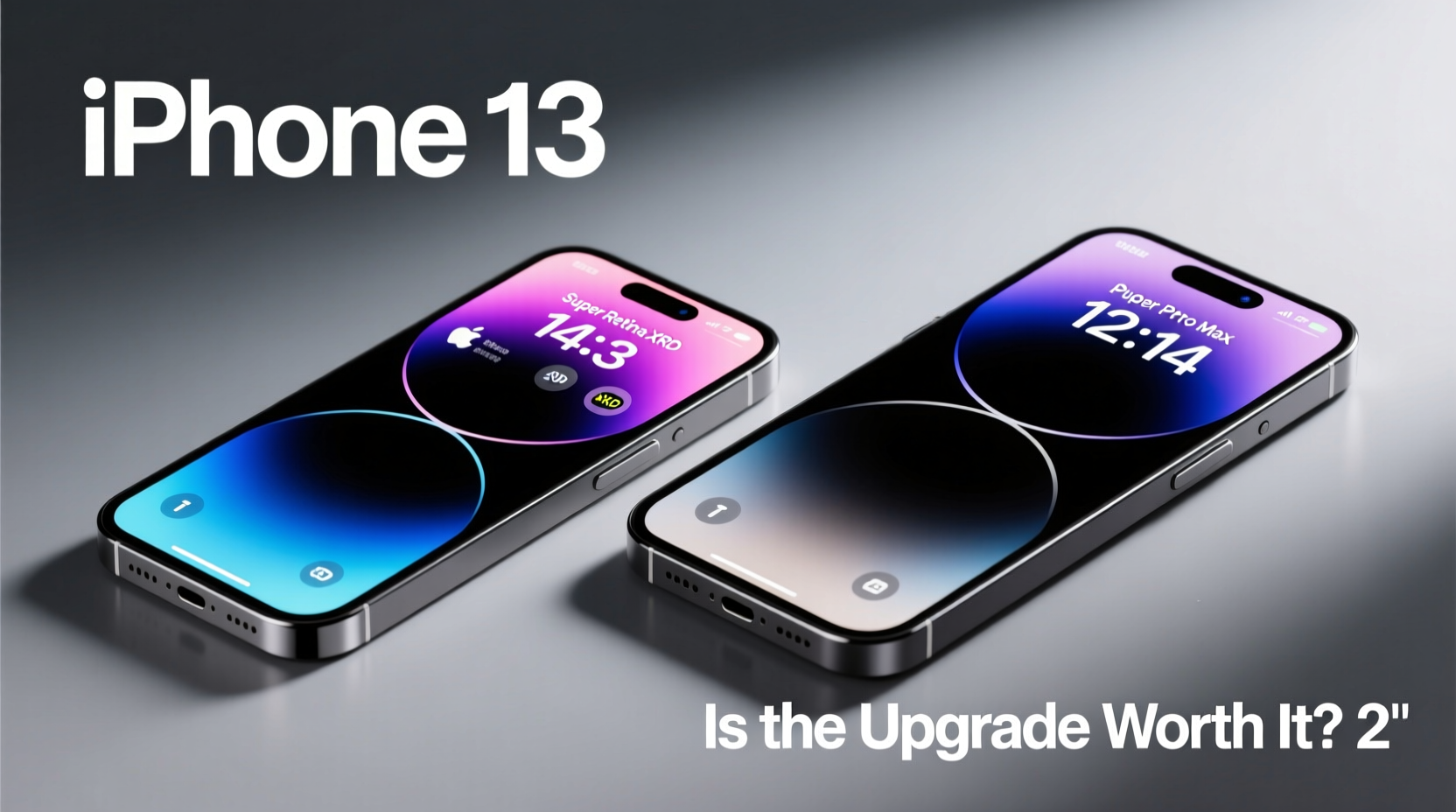
The iPhone 12 Pro Max runs on Apple’s A14 Bionic chip, the first 5nm processor in any smartphone. At launch, it delivered top-tier speed and efficiency. The iPhone 13, however, features the A15 Bionic, which Apple claims offers up to 50% faster CPU and GPU performance than competing chips at the time.
In real-world use, both phones handle daily tasks effortlessly—web browsing, social media, multitasking, and even heavy gaming run smoothly. However, the A15 brings tangible improvements:
- Better thermal management: The A15 runs cooler under load, reducing throttling during extended gaming or video recording.
- Enhanced machine learning: Face ID unlocks slightly faster, and photo processing in the Camera app benefits from improved neural engine performance.
- Future-proofing: Apps are increasingly optimized for newer chips. Over time, the A15 will likely support software updates one cycle longer than the A14.
“While the A14 still performs excellently, the A15 represents meaningful gains in efficiency and AI-driven features that compound over time.” — Mark Chen, Mobile Hardware Analyst at TechInsight Group
Camera Comparison: Computational Photography Takes a Leap
The most significant upgrade lies in the camera system. The iPhone 12 Pro Max already featured a strong triple-lens setup with sensor-shift stabilization on the main camera—a first for iPhone. The iPhone 13 improves upon this with hardware and software enhancements.
| Feature | iPhone 12 Pro Max | iPhone 13 |
|---|---|---|
| Main Sensor | 12MP, sensor-shift OIS | 12MP, larger sensor & improved OIS |
| Ultra-Wide Aperture | f/2.4 | f/1.8 (better low-light) |
| Telephoto Zoom | 2x optical | No telephoto lens |
| Night Mode | Available on all lenses | Faster capture, improved detail |
| Cinematic Mode | Not available | Yes, 1080p@30fps |
The iPhone 13 lacks a dedicated telephoto lens, which may disappoint zoom enthusiasts. However, it compensates with superior low-light performance across all lenses, especially the ultra-wide. The addition of Cinematic Mode—a feature that applies real-time depth-of-field transitions in videos—is a standout for content creators.
Tip: Use Cinematic Mode for vlogs or interviews—it adds a professional touch without post-production editing.Real-World Example: Portrait Photographer's Experience
Sophia Tran, a freelance portrait photographer based in Portland, upgraded from the 12 Pro Max to the iPhone 13 primarily for low-light shooting. “I shoot a lot of indoor sessions with natural light,” she said. “The iPhone 13 captures noticeably less noise in shadows, and the skin tones are more accurate. I’ve reduced my editing time by almost 30%. Even without the 2x zoom, the overall image consistency makes up for it.”
Battery Life: Where the iPhone 13 Shines
Battery longevity is where the iPhone 13 pulls ahead decisively. Despite having a smaller physical battery (3,240 mAh vs. 3,687 mAh), the iPhone 13 lasts longer due to the energy-efficient A15 chip and optimized iOS 15+ power management.
- iPhone 12 Pro Max: Up to 20 hours video playback
- iPhone 13: Up to 19 hours video playback (Apple’s official rating)
However, independent tests show the iPhone 13 often exceeds expectations. In mixed usage (email, social media, navigation, streaming), the iPhone 13 averages 6–7 hours of screen-on time, compared to 5–6 hours on the 12 Pro Max. This difference becomes critical for travelers, remote workers, or anyone who can’t charge midday.
Design and Durability: Subtle Changes, Same Build Quality
Both devices share a similar stainless steel frame and flat-edge design language introduced with the iPhone 12 series. The build quality remains premium, with Ceramic Shield front cover and IP68 water resistance.
Key differences:
- The iPhone 13’s notch is 20% smaller, freeing up slightly more screen space.
- The rear camera module is now diagonally aligned, a visual shift that doesn’t affect functionality.
- The 12 Pro Max is heavier (226g vs. 174g) and wider, making the iPhone 13 easier to handle one-handed.
If you prioritize ergonomics, the iPhone 13 offers a more compact and balanced feel despite its smaller battery and screen size.
Should You Upgrade? A Step-by-Step Decision Guide
Deciding whether to move from the iPhone 12 Pro Max to the iPhone 13 depends on your priorities. Follow this timeline to assess your needs:
- Assess current device condition: Is your 12 Pro Max functioning well? No major battery degradation or hardware issues? If yes, upgrading may not be urgent.
- Evaluate your usage patterns: Do you record videos, take photos in low light, or rely on all-day battery? These are areas where the iPhone 13 excels.
- Check resale value: As of 2024, a used iPhone 12 Pro Max in good condition fetches $350–$450, while the iPhone 13 sells for $500–$600. The price gap may not justify the upgrade unless features matter deeply to you.
- Consider future software support: The iPhone 13 is expected to receive iOS updates through 2027, potentially one year longer than the 12 Pro Max.
- Test before buying: Visit an Apple Store or trusted retailer to compare camera output, weight, and screen size side by side.
FAQ: Common Questions Answered
Is the iPhone 13 waterproof like the 12 Pro Max?
Yes. Both phones have an IP68 rating, meaning they can survive submersion in up to 6 meters of water for 30 minutes. There’s no practical difference in water resistance.
Does the iPhone 13 support ProRAW like the 12 Pro Max?
Yes. The iPhone 13 supports Apple ProRAW, allowing photographers to capture uncompressed, editable images with full access to HDR and computational data. However, only the main and ultra-wide cameras support it—no telephoto RAW since there’s no telephoto lens.
Can I expect faster charging on the iPhone 13?
No. Both models support 20W wired fast charging and 15W MagSafe wireless charging. Charging speeds are identical when using the same accessories.
Final Verdict: Who Should Upgrade?
The upgrade from iPhone 12 Pro Max to iPhone 13 isn’t revolutionary, but it’s meaningful for specific users. If you value:
- Better low-light photography
- Improved video features like Cinematic Mode
- Longer battery life in real-world conditions
- A lighter, more manageable device
…then the iPhone 13 is worth considering. However, if you’re satisfied with your 12 Pro Max’s performance, camera zoom, and don’t mind slightly shorter battery life, holding off is perfectly reasonable. The improvements are evolutionary, not transformative.
💬 Have you made the switch from iPhone 12 Pro Max to iPhone 13? Share your experience, pain points, or surprises in the comments below—your insights could help others decide their next move.