When it comes to flagship smartphones in 2021 and beyond, the iPhone 13 Pro Max and Samsung Galaxy S21 Ultra stood as two of the most powerful devices on the market. Both were marketed as photography powerhouses, each boasting advanced sensors, computational imaging, and professional-grade features. But for consumers deciding between them—especially those who prioritize camera performance—the question remains: which one actually takes better photos?
The answer isn’t always straightforward. While both phones deliver stunning results, their approaches to photography differ significantly. Apple emphasizes natural color science, consistency, and seamless integration with its ecosystem. Samsung leans into hardware versatility, higher megapixel counts, and aggressive AI enhancements. To determine which camera system is superior, we need to examine real-world performance across lighting conditions, zoom capabilities, dynamic range, and user experience.
Sensor Specs and Hardware Differences
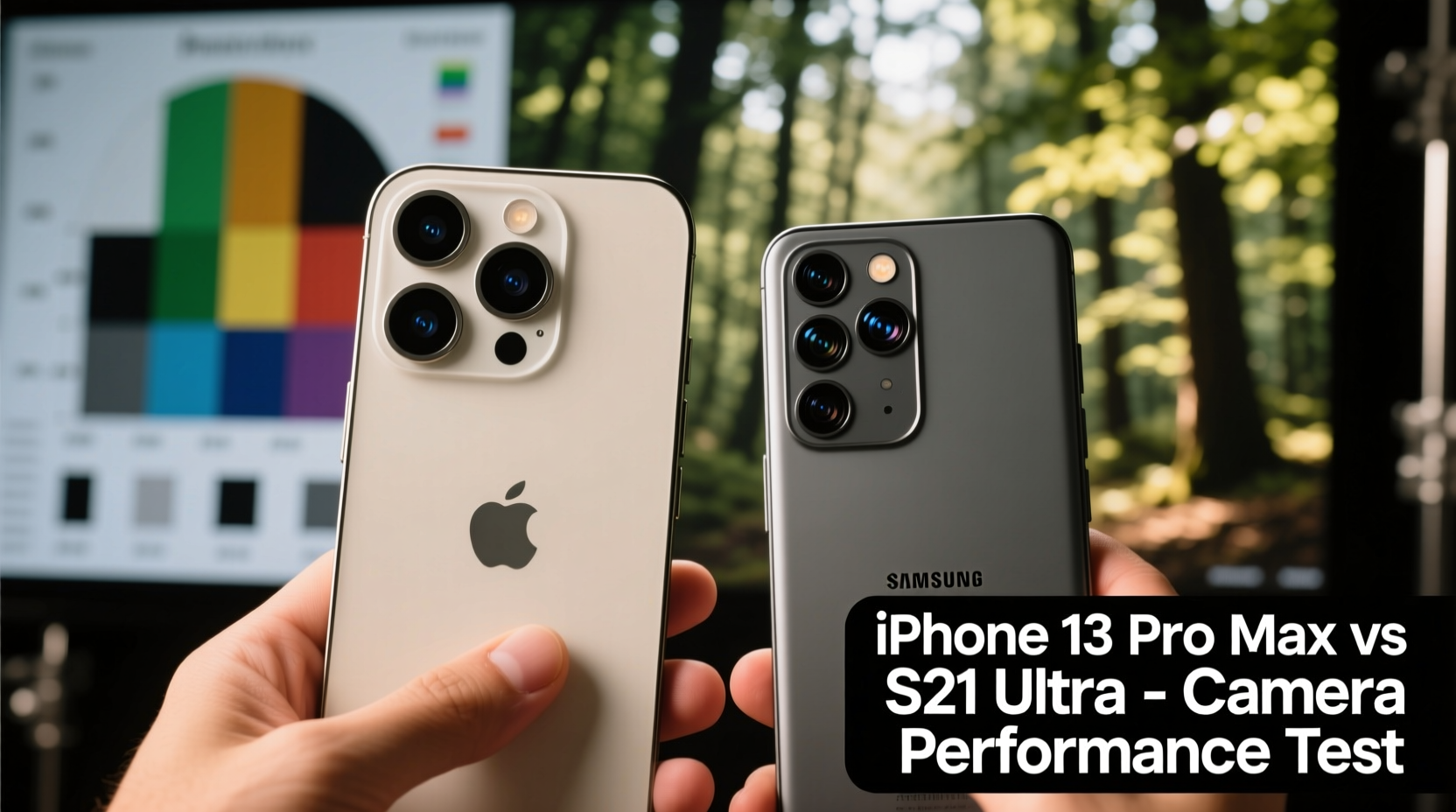
At first glance, the hardware specs suggest a clear advantage for the S21 Ultra. It features a quad-camera setup: a 108MP main sensor, dual telephoto lenses (3x and 10x optical zoom), a 12MP ultra-wide, and a laser autofocus sensor. The high-resolution main sensor allows pixel binning down to 9MP for improved light capture and detail retention.
In contrast, the iPhone 13 Pro Max uses a triple-camera array: a 12MP main wide lens, a 12MP ultra-wide, and a 12MP telephoto with 3x optical zoom. While the megapixel count is lower, Apple compensates with larger sensor size, improved sensor-shift stabilization, and superior computational photography algorithms.
“Megapixels matter less than how well a system processes light and manages noise.” — David Troedson, Mobile Imaging Analyst at DXOMARKTip: Don't judge camera quality solely by megapixel count—sensor size, pixel binning, and image processing are far more impactful.
Low-Light and Night Mode Performance
Night photography has become a key battleground for smartphone cameras. Both devices feature dedicated Night Modes, but they behave differently.
The S21 Ultra’s Night Mode activates earlier and applies more aggressive brightness boosting. In very dark environments, it often produces brighter images with visible details where the iPhone might appear darker. However, this can come at the cost of unnatural color tones and slight smudging in textures like brick walls or hair.
The iPhone 13 Pro Max takes a more conservative approach. Its Night Mode prioritizes accurate color reproduction and shadow detail without over-amplifying brightness. As a result, photos may look darker initially but retain more natural contrast and finer texture. With the introduction of Photographic Styles, users can also customize how the camera interprets skin tones and contrast before shooting.
In head-to-head tests, reviewers consistently note that while the S21 Ultra “wins” in terms of visibility in pitch-black scenes, the iPhone delivers more pleasing, realistic results suitable for sharing without editing.
Zoom and Telephoto Capabilities
This is where the S21 Ultra gains a measurable edge. With dual telephoto lenses offering 3x and 10x optical zoom—and up to 100x digital zoom (“Space Zoom”)—it provides unmatched flexibility for distant subjects.
The iPhone 13 Pro Max only offers 3x optical zoom. Beyond that, digital zoom degrades quickly, especially in low light. For users who frequently photograph wildlife, concerts, or architecture from a distance, the S21 Ultra’s periscope lens makes a tangible difference.
That said, Apple’s Smart HDR 4 and Deep Fusion work harder at intermediate zoom levels (up to 6x) to preserve detail and reduce noise. At 5x zoom, the iPhone often produces cleaner edges and better color accuracy than the S21 Ultra, which may apply oversharpening.
- Best for long-range shots:
- Samsung S21 Ultra (10x optical zoom)
- Best for consistent mid-range clarity:
- iPhone 13 Pro Max (Smart HDR + Fusion processing)
Dynamic Range and Color Science
Dynamic range refers to a camera’s ability to capture detail in both shadows and highlights within the same frame. This is crucial in high-contrast scenes like sunsets or backlit portraits.
The iPhone 13 Pro Max excels here thanks to Dolby Vision HDR recording and advanced tone mapping. It preserves highlight details in skies and manages blown-out windows better than most Android competitors. Skin tones remain consistent across lighting conditions, and whites stay neutral rather than leaning warm or cool.
The S21 Ultra, while capable, sometimes struggles with overly saturated skies or yellowish whites under artificial light. Samsung’s AI tends to boost saturation and contrast automatically, which can make images pop on-screen but feel less true-to-life.
| Metric | iPhone 13 Pro Max | S21 Ultra |
|---|---|---|
| Main Sensor Resolution | 12MP (larger pixels) | 108MP (pixel-binned to 9MP) |
| Optical Zoom | 3x | 3x & 10x |
| Night Mode Consistency | Natural, balanced exposure | Brighter but less accurate colors |
| Dynamic Range | Excellent (Dolby Vision support) | Very good (occasional clipping) |
| Video Recording | Cinematic Mode, ProRes (on supported models) | 8K @ 24fps, no major new video features |
Real-World Example: Concert Photography
Consider a scenario where a user attends an outdoor music festival at dusk. Lighting is mixed—stage spotlights, ambient crowd lights, and fading daylight. They want to capture close-ups of performers and wide audience shots.
With the S21 Ultra, they can use 10x optical zoom to get tight shots from the back of the crowd. The AI enhances facial details and brightens underexposed areas. However, some frames show halos around lights and inconsistent white balance between shots.
The iPhone user stays closer to the stage. They rely on the 3x telephoto and manual adjustments via the Camera app. While they can’t match the reach of the S21 Ultra, their photos exhibit smoother gradients, truer skin tones, and fewer artifacts. When reviewing both sets later, the iPhone images require less editing to look polished.
Expert Tips for Maximizing Camera Performance
Tip: Tap to focus and lock exposure by holding your finger on the screen—works on both devices for consistent results.- Use Pro Mode on S21 Ultra: Manually adjust ISO, shutter speed, and white balance for greater creative control.
- Leverage Photographic Styles on iPhone: Choose “Vibrant” or “Warm” presets to tailor image output to your preference.
- Avoid digital zoom on iPhone beyond 6x: Quality drops sharply; consider cropping instead.
- Shoot in RAW when possible: Both phones support RAW capture (via third-party apps or Pro mode), giving more flexibility in post-processing.
Frequently Asked Questions
Is the iPhone 13 Pro Max better than the S21 Ultra for portrait photography?
Yes, in most cases. The iPhone’s portrait mode delivers more natural depth mapping, especially around hair and glasses. It also allows adjusting bokeh strength after capture. The S21 Ultra does well but occasionally misjudges edges under complex lighting.
Which phone has better video quality?
The iPhone 13 Pro Max is widely regarded as the best smartphone video camera ever made at its release. Features like Cinematic Mode, sensor-shift stabilization, and ProRes recording give it a significant edge for filmmakers and content creators. The S21 Ultra supports 8K video but lacks advanced post-focus or professional grading tools.
Can I tell the difference in everyday photos?
In typical daylight shots—family gatherings, pets, landscapes—the differences are subtle. Both produce excellent images. The gap becomes noticeable in challenging conditions: extreme low light, high-zoom scenarios, or fast-moving subjects. For casual users, either phone is more than sufficient.
Final Verdict: Which Camera Is Better?
The answer depends on what “better” means to you.
If you value **natural color reproduction**, **seamless ecosystem integration**, and **best-in-class video**, the iPhone 13 Pro Max is the superior choice. Its consistency across lighting conditions and minimal need for editing make it ideal for photographers who want reliable, high-quality results with little effort.
If you prioritize **zoom versatility**, **high-resolution stills**, and **manual controls**, the S21 Ultra wins. Its 10x optical zoom and 108MP sensor offer creative possibilities the iPhone simply can’t match. However, these advantages come with trade-offs in color accuracy and processing aggressiveness.
Ultimately, neither camera is objectively “better.” They reflect different philosophies: Apple’s emphasis on realism and cohesion versus Samsung’s push for hardware innovation and spec-leading features.
💬 Have you used both phones for photography? Share your experience and favorite shots in the comments below—we’d love to hear what works best for you!