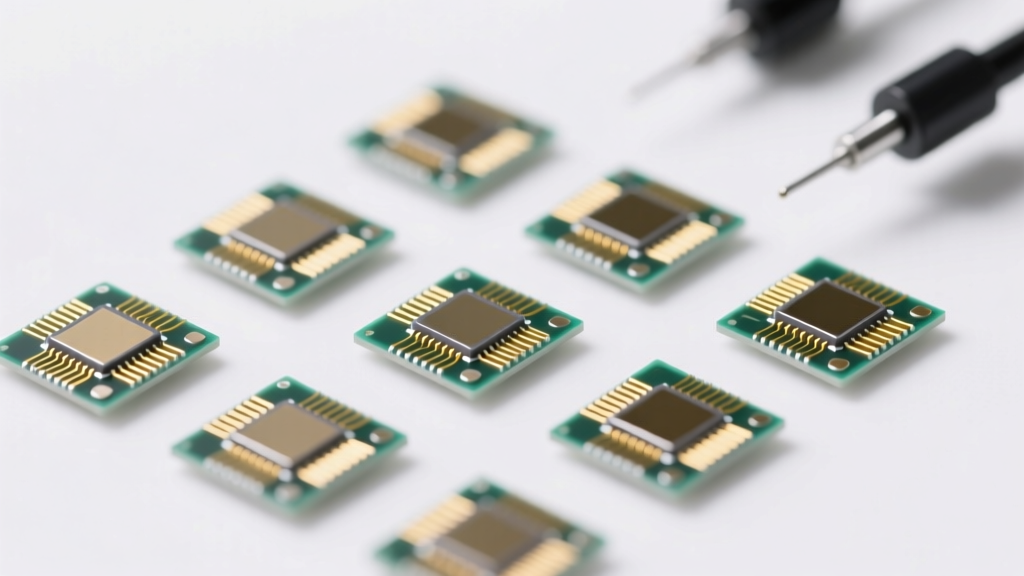
Types of Innovative Temperature Sensors
In today's rapidly evolving technological landscape, innovative temperature sensors play a pivotal role in ensuring precision, efficiency, and safety across a wide range of industries. These advanced sensors go beyond traditional thermometers by offering real-time monitoring, remote data transmission, high accuracy, and resilience in extreme environments. From healthcare to industrial automation, the right temperature sensor can enhance performance, prevent equipment failure, and support data-driven decision-making.
Thermal Imaging Sensors
These non-contact sensors detect infrared radiation emitted by objects to create detailed thermal maps, visualizing temperature distribution across surfaces without physical interaction.
Advantages
- Non-invasive and safe for live equipment
- Real-time visualization of heat patterns
- Excellent for identifying hotspots and anomalies
- Wide area scanning capability
Limitations
- Higher cost compared to point sensors
- Sensitive to environmental conditions (e.g., humidity, dust)
- Requires trained interpretation for accurate diagnosis
Best for: Predictive maintenance, electrical inspections, building energy audits, and fire detection systems
Wireless Smart Sensors
Equipped with wireless communication modules (e.g., Bluetooth, Wi-Fi, LoRa), these sensors transmit real-time temperature data to cloud platforms or mobile devices for continuous monitoring and analytics.
Advantages
- Remote monitoring and alerts
- Seamless integration with IoT ecosystems
- Scalable for large networks of sensors
- Enables automated control and historical data tracking
Limitations
- Dependent on network connectivity
- Battery life limitations
- Potential cybersecurity concerns
Best for: Medical patient monitoring, cold chain logistics, smart homes, and industrial process control
MEMS Temperature Sensors
Micro-Electromechanical Systems (MEMS) sensors integrate microscopic mechanical and electronic components on a silicon chip, enabling ultra-compact, fast-response temperature detection.
Advantages
- Extremely small size and lightweight
- High-speed response and accuracy
- Low power consumption
- Mass-producible using semiconductor techniques
Limitations
- Limited to moderate temperature ranges
- Sensitive to physical shock or contamination
- May require signal conditioning circuitry
Best for: Wearable devices, smartphones, aerospace systems, and medical diagnostics equipment
Fiber Optic Temperature Sensors
These sensors use optical fibers to measure temperature by analyzing changes in light properties (intensity, phase, wavelength) caused by thermal variations along the fiber.
Advantages
- Immune to electromagnetic interference (EMI)
- Safe in explosive or high-voltage environments
- Capable of distributed sensing over long distances
- Durable in harsh chemical and thermal conditions
Limitations
- Higher initial setup cost
- Complex installation and calibration
- Requires specialized readout equipment
Best for: Oil and gas refineries, power substations, nuclear facilities, and underground cable monitoring
Bimetallic Temperature Sensors
Constructed from two bonded metal strips with different thermal expansion coefficients, these mechanical sensors bend in response to temperature changes, triggering switches or indicating readings.
Advantages
- Highly reliable with no need for external power
- Robust and durable in tough environments
- Simple design with long service life
- Cost-effective for basic control applications
Limitations
- Slower response time compared to electronic sensors
- Lower precision and repeatability
- Limited to local indication or basic switching
Best for: Industrial thermostats, HVAC controls, manufacturing machinery, and overload protection systems
| Sensor Type | Accuracy | Response Time | Environment Suitability | Ideal Applications |
|---|---|---|---|---|
| Thermal Imaging | High | Fast | Indoor/Outdoor, Electrical | Inspections, Maintenance, Safety |
| Wireless Smart | Very High | Real-time | Connected, Remote | Healthcare, Logistics, IoT |
| MEMS | Very High | Ultra-fast | Compact, Mobile | Consumer Electronics, Aerospace |
| Fiber Optic | High | Fast | Hazardous, EMI-prone | Energy, Industrial, Extreme |
| Bimetallic | Moderate | Slow | Rugged, High-temp | Mechanical Controls, HVAC |
Expert Tip: When selecting a temperature sensor, consider not only accuracy and range but also environmental factors such as humidity, vibration, electromagnetic interference, and whether remote monitoring or local indication is needed. Combining sensor types (e.g., wireless MEMS with cloud analytics) often provides the most robust monitoring solution.
Materials Used to Make Innovative Temperature Sensors
The development of advanced temperature sensors relies heavily on the selection of appropriate materials, which directly influence sensitivity, accuracy, durability, and application suitability. These materials are chosen based on operational requirements such as temperature range, environmental exposure, response time, and integration needs. Below is a detailed overview of the core materials used in modern temperature sensing technologies.
Core Materials in Temperature Sensor Technology
Ceramics
Ceramic materials are widely used in thermistors—especially Negative Temperature Coefficient (NTC) and Positive Temperature Coefficient (PTC) types—due to their excellent electrical insulation, thermal stability, and resistance to extreme temperatures. Ceramics can endure environments exceeding 1000°C, making them ideal for high-temperature applications.
These materials exhibit predictable and sensitive resistance changes with temperature fluctuations, ensuring reliable and repeatable measurements. Their chemical inertness also makes them resistant to corrosion in harsh industrial settings. Common applications include industrial furnaces, kilns, automotive exhaust systems, and scientific research equipment where long-term stability and precision at elevated temperatures are critical.
Metals
Precious and base metals such as platinum, nickel, and copper are fundamental in Resistance Temperature Detectors (RTDs) and thermocouples. These metals offer highly linear and stable resistance-temperature relationships, enabling precise and repeatable temperature measurements.
Platinum RTDs (e.g., PT100 and PT1000) are especially valued for their accuracy across a wide range (-200°C to 850°C) and long-term stability. Copper and nickel are used in lower-cost or limited-range sensors. Metal-based sensors are extensively used in industries where measurement integrity is vital, including petrochemical processing, pharmaceutical manufacturing, aerospace systems, and food safety monitoring.
Polymers
Organic polymers have emerged as innovative materials in flexible and wearable temperature sensors. These materials are lightweight, mechanically flexible, and cost-effective to produce, enabling integration into non-traditional surfaces and portable devices.
Conductive polymers and polymer composites can be engineered to exhibit temperature-dependent resistance, making them suitable for thermistor-like behavior. Their adaptability allows use in medical wearables (e.g., skin-contact health monitors), smart textiles, HVAC systems, and consumer electronics like smartphones and smart home devices. While they typically operate within moderate temperature ranges (-50°C to 150°C), ongoing research is expanding their thermal and environmental resilience.
Semiconductor Materials
Semiconductors such as silicon and gallium arsenide form the foundation of integrated circuit (IC)-based digital temperature sensors. These sensors utilize the temperature-sensitive voltage characteristics of semiconductor junctions (e.g., diodes or bipolar transistors) to generate accurate, linear output signals.
Digital sensors offer advantages like built-in signal conditioning, calibration, and communication interfaces (I²C, SPI), enabling seamless integration into microcontroller-based systems. They provide high accuracy within limited ranges and are essential in applications requiring miniaturization and real-time monitoring, such as computer processors, mobile devices, medical instrumentation, and aerospace avionics, where even minor thermal deviations can impact performance or safety.
Alloys
Thermoelectric alloys are specifically designed for use in thermocouples, which operate on the Seebeck effect—generating a voltage proportional to the temperature difference between two dissimilar metal junctions. Common alloy combinations include Type K (chromel-alumel), Type J (iron-constantan), Type T (copper-constantan), and Type S (platinum-rhodium).
These alloys are selected for their stability, oxidation resistance, and consistent thermoelectric output across wide temperature ranges (from -200°C to over 1700°C, depending on type). Their robustness makes them suitable for extreme environments such as industrial boilers, metal smelting, gas turbines, and combustion monitoring systems. Proper pairing and insulation are crucial to maintain accuracy and longevity in corrosive or high-vibration settings.
| Material Type | Typical Sensors | Temperature Range | Key Advantages |
|---|---|---|---|
| Ceramics | NTC/PTC Thermistors | -50°C to >1000°C | High sensitivity, thermal stability, chemical resistance |
| Metals (Pt, Ni, Cu) | RTDs, Thermocouples | -200°C to 850°C | High accuracy, linearity, long-term stability |
| Polymers | Flexible Thermistors | -50°C to 150°C | Lightweight, flexible, low-cost, biocompatible |
| Semiconductors | Digital IC Sensors | -55°C to 150°C | Integrated output, small size, easy interfacing |
| Thermoelectric Alloys | Thermocouples | -200°C to 1700°C | Broad range, rugged, self-powered, fast response |
Emerging Trends and Considerations
Important: The choice of sensor material must align with the specific operational environment and performance requirements. Using an inappropriate material can lead to drift, failure, or inaccurate readings. Always consult technical datasheets and application guidelines when selecting temperature sensors for critical systems. Proper calibration and protection from environmental stressors are essential for maintaining sensor reliability and lifespan.
How to Choose the Right Temperature Sensor
Selecting the appropriate temperature sensor is crucial for ensuring accurate monitoring, process efficiency, and system safety across industrial, commercial, and scientific applications. With a wide variety of sensors available, understanding the key selection criteria helps match the right technology to your specific operational needs. Below are the most important factors to consider when choosing an innovative temperature sensor.
Precision and Accuracy
Accuracy determines how closely a sensor’s reading matches the actual temperature, while precision refers to the consistency of repeated measurements. In high-stakes environments such as pharmaceutical manufacturing, chemical processing, or laboratory research, even minor deviations can compromise product quality or safety.
- High-accuracy sensors (±0.1°C or better) are essential in controlled environments like cleanrooms or calibration labs
- Industrial processes may require sensors with tight tolerances to maintain reaction conditions and ensure batch consistency
- Lower-accuracy sensors can suffice for general-purpose monitoring in non-critical applications like outdoor weather stations or basic HVAC systems
Key insight: Always verify the sensor’s calibration certificate and long-term stability specifications to ensure reliable performance.
Response Time
The response time indicates how quickly a sensor detects and reports a temperature change. Fast response is vital in dynamic systems where temperatures fluctuate rapidly, allowing for timely control adjustments and preventing system instability.
- Food processing lines benefit from rapid-response sensors to maintain food safety standards during pasteurization or freezing
- HVAC systems use fast-reacting sensors to optimize energy use and maintain occupant comfort
- Applications with slow thermal changes—such as oil storage tanks or chemical reactors—can utilize slower, cost-effective sensors
Pro tip: RTDs (Resistance Temperature Detectors) offer excellent stability but slower response; thermocouples provide faster reaction times at the expense of absolute accuracy.
Environmental Conditions
Operating environment significantly impacts sensor performance and longevity. Sensors must withstand physical and chemical stresses such as moisture, dust, vibration, pressure, and extreme temperatures to deliver consistent readings over time.
- Explosion-proof and intrinsically safe sensors are required in hazardous areas like oil refineries or gas plants
- Marine and outdoor applications demand IP67 or higher-rated enclosures for water and dust resistance
- Vibration-resistant designs are critical in industrial machinery, engines, and transportation systems
- Cryogenic or high-temperature environments need specialized materials (e.g., mineral-insulated cables or ceramic housings)
Critical factor: Choose sensors with appropriate ingress protection (IP) and NEMA ratings based on the installation environment.
Compatibility and Integration
A sensor’s ability to integrate seamlessly with existing control and data acquisition systems is essential for efficient operation. Incompatible outputs or communication protocols can lead to data loss, increased complexity, and added costs.
- Analog outputs (4–20 mA, 0–10 V) are widely used in legacy industrial systems for reliable signal transmission over long distances
- Digital interfaces (Modbus, I²C, SPI) enable precise data transfer and are ideal for smart sensors and IoT-enabled monitoring
- Wireless sensors (Bluetooth, Wi-Fi, LoRa) support remote monitoring in hard-to-reach or mobile applications
- Ensure compatibility with PLCs, SCADA systems, or cloud platforms for real-time analytics and alerts
Smart choice: Opt for sensors with configurable outputs and protocol support to future-proof your monitoring infrastructure.
Cost and Total Ownership
While initial purchase price is important, the total cost of ownership—including installation, maintenance, calibration, and lifespan—should guide decision-making. Low-cost sensors may lead to higher long-term expenses due to frequent replacements or system downtime.
- Economy sensors suit short-term projects or non-critical monitoring where failure has minimal impact
- Premium sensors offer longer service life, reduced drift, and lower maintenance in mission-critical applications
- Consider sensors with self-diagnostics or predictive maintenance features to reduce unplanned outages
- Look for extended warranties and manufacturer support to protect your investment
Value tip: Investing in high-reliability sensors often results in lower lifecycle costs and improved system uptime.
Sensor Type and Technology
Different temperature sensing technologies offer distinct advantages depending on the application. Understanding the trade-offs between types helps in making an informed choice.
- RTDs: High accuracy and stability; best for precision applications but more expensive and fragile
- Thermocouples: Wide temperature range and durability; ideal for high-heat environments but less accurate
- Thermistors: High sensitivity in narrow ranges; perfect for medical devices and consumer electronics
- Infrared (IR) sensors: Non-contact measurement for moving parts or hazardous zones
Technical note: Pair sensor type with application requirements—don’t over-engineer for simple tasks.
Professional Recommendation: When selecting a temperature sensor, start by defining the application’s critical parameters: required accuracy, environmental exposure, response speed, and integration needs. For most industrial applications, a well-sealed RTD or thermocouple with digital output offers the best balance of reliability and functionality. In smart or remote monitoring setups, consider wireless-enabled sensors with cloud connectivity for enhanced visibility and control.
| Application | Recommended Sensor Type | Accuracy Requirement | Key Features |
|---|---|---|---|
| Pharmaceutical Processing | Platinum RTD (Pt100/Pt1000) | ±0.1°C | High stability, IP68 rated, calibrated |
| Food & Beverage Production | Stainless steel thermocouple (Type T/K) | ±1.0°C | Fast response, hygienic design, washdown-safe |
| Oil & Gas (Hazardous Areas) | Intrinsically safe RTD or thermocouple | ±0.5°C | Explosion-proof, ATEX/IECEx certified |
| Building Automation (HVAC) | Digital temperature sensor (I²C/Modbus) | ±0.5°C | Wireless option, low power, easy integration |
| Outdoor Environmental Monitoring | Thermistor with radiation shield | ±0.3°C | Weatherproof, low-cost, solar-powered option |
Additional Considerations
- Calibration and Traceability: Ensure sensors come with NIST-traceable calibration for compliance in regulated industries
- Lifespan and Maintenance: Regular recalibration and inspection extend sensor life and maintain accuracy
- Mounting and Installation: Proper installation (e.g., immersion depth, thermal contact) affects measurement quality
- Data Logging and Connectivity: Integrated memory or wireless transmission supports predictive maintenance and trend analysis
- Brand and Support: Reputable manufacturers provide technical support, documentation, and replacement parts
Applications of Innovative Temperature Sensors Across Industries
Temperature sensors have evolved into sophisticated, high-precision instruments that play a vital role in ensuring safety, efficiency, and quality across a wide range of industries. From food safety to semiconductor fabrication, these smart devices provide real-time monitoring, automated feedback, and remote alerts, enabling better decision-making and process control. This guide explores the key applications of modern temperature sensors, highlighting their critical functions, technological advancements, and operational benefits.
Key Insight: Advanced temperature sensors now integrate with IoT platforms, cloud analytics, and AI-driven control systems, transforming traditional monitoring into intelligent, predictive maintenance and real-time optimization across industrial and consumer applications.
Core Applications of Temperature Sensors
- Food Monitoring and Cold Chain Management
Temperature sensors are indispensable in the food industry, where they monitor and regulate conditions during storage, processing, transportation, and retail display. Maintaining precise temperature control is essential to prevent bacterial growth, preserve freshness, and comply with food safety regulations such as HACCP and FDA guidelines.
Modern wireless and Bluetooth-enabled sensors provide continuous, real-time data logging and can send instant alerts via mobile apps or cloud dashboards when temperatures exceed safe thresholds. These are especially critical in cold chain logistics—ensuring perishable goods like vaccines, dairy, meat, and produce remain within optimal temperature ranges from farm to consumer.
Smart sensors with GPS and humidity tracking enhance traceability and compliance, reducing waste and improving supply chain transparency.
- Industrial Process Control and Automation
In manufacturing, power generation, and chemical processing, temperature sensors are embedded in critical systems to monitor equipment health and process stability. They ensure optimal operating conditions in reactors, boilers, turbines, and conveyor systems, directly impacting energy efficiency, product quality, and worker safety.
These sensors feed real-time data into SCADA (Supervisory Control and Data Acquisition) and PLC (Programmable Logic Controller) systems, enabling automated adjustments to prevent overheating, equipment failure, or hazardous conditions. In high-risk environments such as oil refineries or steel mills, redundant sensor networks provide fail-safe monitoring to avoid catastrophic incidents.
With the rise of Industry 4.0, smart temperature sensors now support predictive maintenance by detecting subtle thermal anomalies before they lead to breakdowns, minimizing downtime and repair costs.
- HVAC and Building Environmental Control
Temperature sensors are fundamental components of Heating, Ventilation, and Air Conditioning (HVAC) systems, ensuring occupant comfort while optimizing energy use in residential, commercial, and industrial buildings. By continuously measuring indoor and outdoor air temperatures, they enable thermostats and Building Management Systems (BMS) to adjust heating and cooling dynamically.
Advanced sensors integrate with smart thermostats, voice assistants (e.g., Alexa, Google Assistant), and energy management platforms to deliver zone-specific climate control, improving both comfort and efficiency. In large facilities, networked sensors help balance airflow and reduce energy consumption by up to 20–30%.
Some modern HVAC sensors also monitor occupancy, humidity, and CO₂ levels, enabling demand-controlled ventilation and adaptive responses based on real-time environmental data.
- Medical Devices and Patient Care
Temperature sensors are critical in healthcare for accurate patient monitoring, diagnostic accuracy, and treatment effectiveness. They are used in digital thermometers, wearable health trackers, incubators, MRI machines, and infusion pumps, providing reliable, fast, and non-invasive temperature readings.
In clinical settings, continuous temperature monitoring helps detect fevers, infections, or post-operative complications early. Wearable sensors allow remote patient monitoring in telehealth and home care environments, supporting chronic disease management and elderly care without hospitalization.
High-precision sensors in medical imaging and laboratory equipment ensure stable operating temperatures, which is essential for accurate diagnostics and sample integrity. Many devices now feature wireless connectivity for real-time data transmission to electronic health records (EHRs) and clinician dashboards.
- Semiconductor and Microelectronics Manufacturing
In semiconductor fabrication, temperature control is paramount. Even minor deviations can compromise the integrity of silicon wafers during processes like photolithography, etching, diffusion, and chemical vapor deposition (CVD). Temperature sensors are embedded in furnaces, reaction chambers, and cleanroom environments to maintain nanoscale precision.
These sensors provide real-time feedback to control systems, ensuring uniform thermal distribution and process repeatability. High-stability sensors with millikelvin-level accuracy help maximize yield, reduce defects, and maintain consistency across production batches.
With the increasing complexity of chip designs (e.g., 3nm and below), advanced thermal monitoring systems are integrated with AI analytics to detect micro-variations and adjust parameters in real time, supporting the production of next-generation processors and memory devices.
| Industry | Primary Use Cases | Sensor Types Used | Technology Integration |
|---|---|---|---|
| Food & Beverage | Cold chain monitoring, storage safety, processing control | Wireless, RFID, Bluetooth, probe sensors | IoT, cloud logging, mobile alerts |
| Industrial Manufacturing | Boiler control, reactor monitoring, predictive maintenance | RTD, thermocouples, infrared sensors | SCADA, PLC, AI analytics |
| HVAC & Smart Buildings | Climate control, energy optimization, occupancy-based adjustment | Digital thermistors, smart thermostats | Smart home systems, BMS, voice control |
| Healthcare & Medical | Patient monitoring, diagnostics, equipment stability | Infrared, wearable, contact sensors | Telehealth, EHR integration, cloud platforms |
| Semiconductor | Wafer processing, furnace control, cleanroom monitoring | High-precision RTDs, thermal couples, optical sensors | AI-driven process control, real-time feedback loops |
Expert Tip: When selecting temperature sensors for critical applications, consider factors such as accuracy, response time, environmental durability, calibration requirements, and compatibility with existing control systems. Investing in smart, connected sensors can significantly enhance long-term operational efficiency and reliability.
Future Trends and Emerging Innovations
- Miniaturization: Development of micro-scale sensors for integration into wearables and medical implants.
- Energy Harvesting: Self-powered sensors using thermal gradients or ambient energy to eliminate battery dependency.
- Edge Computing: On-sensor data processing reduces latency and bandwidth use in real-time monitoring systems.
- AI Integration: Machine learning models analyze temperature patterns to predict failures and optimize performance.
- Blockchain for Traceability: Immutable logging of temperature data in supply chains for enhanced compliance and transparency.
As industries continue to embrace digital transformation, the role of temperature sensors will expand beyond simple measurement to become integral components of intelligent, responsive, and autonomous systems. Whether ensuring food safety, enabling next-gen electronics, or improving patient outcomes, innovative temperature sensing technology is a cornerstone of modern technological advancement.
Frequently Asked Questions About Temperature Sensors
Q1: Can temperature sensors be used in extreme industrial environments?Yes, temperature sensors are specifically engineered to operate reliably in extreme industrial environments. Devices such as thermocouples, Resistance Temperature Detectors (RTDs), and bimetallic sensors are built to endure harsh conditions including extreme heat (up to several hundred or even thousands of degrees Celsius), high pressure, mechanical vibration, and exposure to corrosive chemicals.
These sensors are often equipped with protective features that enhance their durability and performance:
- Explosion-proof housings: Designed for use in volatile atmospheres such as oil refineries and gas processing plants.
- Corrosion-resistant materials: Stainless steel, Inconel, or ceramic sheaths protect the sensing element from chemical degradation.
- Hermetic sealing: Prevents moisture and contaminants from entering the sensor assembly, ensuring long-term stability.
Industries like oil and gas, chemical manufacturing, power generation, and metallurgy rely heavily on robust temperature sensors to monitor critical processes, ensure safety compliance, and prevent equipment failure due to overheating or thermal stress.
Q2: How do temperature sensors contribute to energy efficiency?Temperature sensors play a vital role in improving energy efficiency across residential, commercial, and industrial systems by enabling precise thermal regulation. By continuously monitoring temperature in real time, these sensors allow control systems to make data-driven adjustments that minimize energy waste and optimize performance.
Key applications include:
- HVAC systems: Sensors regulate heating and cooling based on actual room temperature, avoiding unnecessary operation and reducing electricity or fuel consumption.
- Industrial processes: In manufacturing, accurate temperature feedback ensures optimal reaction conditions, reducing energy overuse in furnaces, dryers, and reactors.
- Building automation: Integrated with smart thermostats and energy management systems, temperature sensors help maintain comfort while lowering energy bills through scheduling and occupancy-based adjustments.
Smart thermal control reduces carbon emissions, extends equipment life, and supports sustainability goals by preventing systems from running longer or hotter than needed. This dynamic responsiveness is essential for green building certifications and industrial energy-saving initiatives.
Q3: Are temperature sensors important for health monitoring devices?Absolutely. Temperature sensors are a cornerstone of modern health monitoring technology, serving as critical tools for assessing and managing patient well-being. Body temperature is one of the primary vital signs, and even minor deviations can indicate infection, inflammation, or metabolic disorders.
These sensors are integrated into a wide range of medical and wearable devices, including:
- Digital thermometers: Provide fast, accurate readings for clinical and home use.
- Wearable fitness trackers and smartwatches: Enable continuous monitoring of skin or core temperature trends, useful for tracking menstrual cycles, detecting illness onset, or monitoring recovery.
- Hospital patient monitors: Offer real-time temperature data for critically ill patients, supporting early intervention in cases of fever or hypothermia.
- Remote patient monitoring systems: Allow healthcare providers to track chronic conditions from a distance, improving outcomes for elderly or homebound individuals.
Advanced sensors offer high accuracy (±0.1°C), low power consumption, and biocompatible packaging, making them ideal for long-term wear. Their ability to deliver early warnings enhances preventive care and supports telemedicine, ultimately improving diagnostic accuracy and patient safety.
Q4: What are smart temperature sensors?Smart temperature sensors represent the next generation of thermal measurement technology, combining traditional sensing capabilities with digital intelligence, connectivity, and advanced data processing. Unlike basic analog sensors, smart sensors include built-in microprocessors and communication interfaces that allow them to analyze, store, and transmit temperature data autonomously.
Key features of smart temperature sensors include:
- Digital output: Provides precise, noise-resistant readings compatible with microcontrollers and IoT platforms.
- Wireless connectivity: Uses protocols like Wi-Fi, Bluetooth, Zigbee, or LoRa to send data to cloud platforms or mobile apps.
- Onboard analytics: Can detect anomalies, trigger alarms, or predict equipment failures using machine learning algorithms.
- Self-diagnostics: Monitor their own health and report calibration drift or component failure.
These capabilities make smart sensors indispensable in applications such as:
- Industrial automation: For predictive maintenance of motors, transformers, and production lines.
- Cold chain logistics: Monitoring temperature-sensitive goods (e.g., vaccines, food) during transport and storage.
- Smart buildings: Optimizing climate control based on occupancy and usage patterns.
- Agriculture: Regulating greenhouse environments for optimal crop growth.
By enabling real-time insights and automated responses, smart temperature sensors increase operational efficiency, reduce downtime, and support the growing demand for intelligent, connected systems.
Q5: Do exposure to dust and humidity affect temperature sensors?Yes, environmental factors such as dust, humidity, and moisture can significantly impact the accuracy, response time, and longevity of temperature sensors if not properly mitigated. These elements pose specific challenges:
- Dust accumulation: Can form an insulating layer around the sensor probe, slowing down thermal response and leading to delayed or inaccurate readings—especially problematic in mining, cement plants, and woodworking facilities.
- Humidity and condensation: May cause corrosion of metal components, degrade insulation, or lead to electrical short circuits in electronic sensors.
- Moisture ingress: In non-sealed sensors, water penetration can damage internal circuitry and alter calibration.
To combat these issues, manufacturers design sensors with protective measures such as:
- IP-rated enclosures: Ratings like IP65, IP67, or IP68 indicate resistance to dust and water immersion.
- Hydrophobic coatings: Repel water and prevent condensation on sensitive surfaces.
- Ventilated yet filtered housings: Allow thermal exchange while blocking particulates.
- Potting or encapsulation: Seals electronics in resin to prevent moisture damage.
Selecting the right sensor for the environment—such as using stainless steel probes with sealed electronics in humid or dusty areas—is crucial for maintaining measurement integrity and system reliability in industries like construction, agriculture, wastewater treatment, and outdoor monitoring.