Types of Drone Flight Controller Arduino
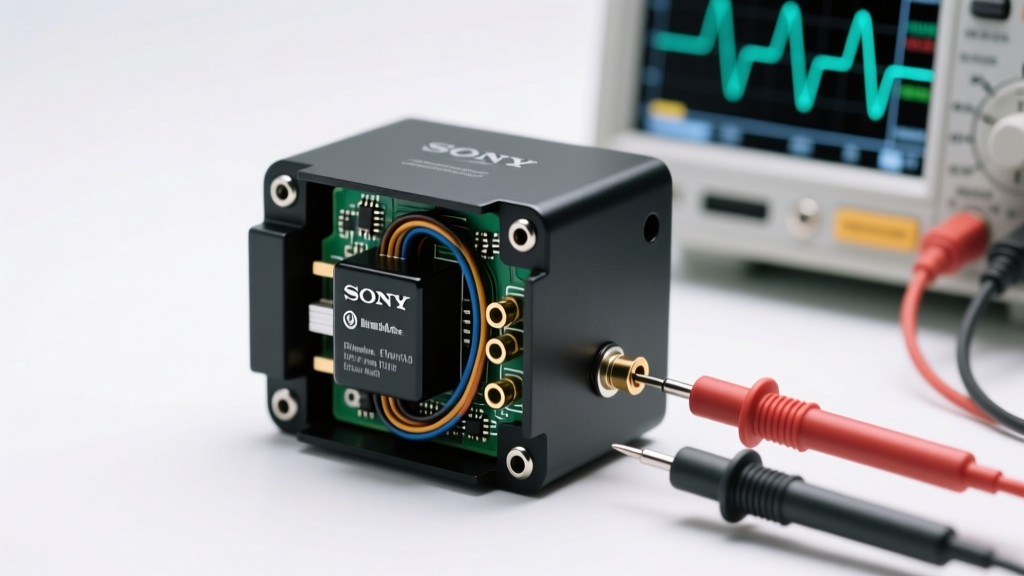
A drone flight controller Arduino serves as the brain of a drone, enabling stable, reliable, and intelligent flight. Built on the open-source Arduino platform, these controllers process sensor data (from accelerometers, gyroscopes, GPS, and barometers) in real time to maintain balance, adjust for environmental disturbances like wind, and execute complex maneuvers with precision.
Thanks to Arduino's flexibility and extensive community support, hobbyists and professionals alike can customize flight behavior, integrate advanced features, and build drones tailored to specific applications. These controllers come in various types, each optimized for different flight dynamics, performance needs, and use cases—ranging from DIY quadcopters to commercial VTOL drones.
Multi-Rotor Flight Controllers
Designed specifically for quadcopters, hexacopters, and octocopters, these Arduino-based controllers use PID (Proportional, Integral, Derivative) algorithms to calculate and adjust motor speeds in real time, ensuring stability and smooth flight.
Advantages
- Excellent stability and hover performance
- Simple integration with common sensors (MPU6050, HMC5883L)
- Ideal for beginners and DIY drone projects
- Supports manual and semi-autonomous flight modes
Limitations
- Limited to vertical takeoff and landing drones
- Less efficient for long-range missions
- Higher power consumption compared to fixed-wing
Best for: Aerial photography, indoor drones, educational kits, and hobbyist builds
Fixed-Wing Flight Controllers
Optimized for airplanes and gliders, these controllers enable autonomous navigation using GPS waypoints, altitude hold, and return-to-home (RTH) functions. They are built for endurance and efficiency over long distances.
Advantages
- Long flight duration and energy efficiency
- Advanced autopilot and navigation capabilities
- Supports complex mission planning via ground stations
- Ideal for surveying, mapping, and surveillance
Limitations
- Requires runway or launcher for takeoff
- Less maneuverable than multi-rotor drones
- More complex aerodynamic control logic
Best for: Agriculture monitoring, environmental surveys, long-range reconnaissance
VTOL (Vertical Take-Off and Landing) Controllers
These advanced Arduino-based controllers combine the vertical lift capability of multi-rotors with the forward flight efficiency of fixed-wing aircraft. They manage complex transitions between flight modes automatically.
Advantages
- Eliminates need for runways
- Combines hover capability with long-range efficiency
- Highly versatile for urban and remote operations
- Suitable for delivery, inspection, and emergency response
Limitations
- Complex control algorithms and tuning required
- Higher development and component costs
- Increased mechanical and software integration challenges
Best for: Commercial delivery drones, search and rescue, hybrid mission profiles
Racing Drone Controllers
Engineered for speed and agility, these controllers prioritize ultra-low latency and high-frequency processing. Often based on Arduino-compatible platforms like F3/F4/F7 flight boards, they support protocols like Betaflight, Cleanflight, and DSHOT.
Advantages
- Near-instantaneous response to pilot input
- Supports high refresh rates (up to 8kHz motor updates)
- Optimized for FPV (First Person View) racing
- Highly customizable via CLI and configurator tools
Limitations
- Minimal autonomous features
- Shorter flight times due to high power demands
- Less stable for casual or camera-focused flying
Best for: Drone racing, freestyle flying, FPV sports
Hybrid Controllers
These next-generation Arduino-compatible flight controllers support multiple drone configurations—multi-rotor, fixed-wing, and VTOL—within a single firmware environment. They offer maximum flexibility for experimental and professional applications.
Advantages
- Unified platform for diverse drone types
- Supports dynamic flight mode switching
- Ideal for R&D and prototype development
- Scalable from hobby to industrial use
Limitations
- Steeper learning curve and setup complexity
- Requires deep understanding of flight dynamics
- May need custom coding and calibration
Best for: Research projects, multi-mission drones, advanced hobbyists and engineers
| Controller Type | Primary Use Case | Autonomy Level | Flight Efficiency | Complexity |
|---|---|---|---|---|
| Multi-Rotor | Hovering, aerial photography | Low to Medium | Medium | Low |
| Fixed-Wing | Long-range, mapping | High | High | Medium |
| VTOL | Delivery, inspection | High | High (in cruise) | High |
| Racing | FPV racing, freestyle | Low (Manual-focused) | Low | Medium |
| Hybrid | R&D, multi-role missions | Variable | Variable | High |
Expert Tip: When programming an Arduino-based flight controller, always calibrate your IMU (Inertial Measurement Unit) on a level surface and fine-tune PID values gradually. Start with default values and adjust for responsiveness without inducing oscillations.
Important Features of Drone Flight Controllers for Business Applications
Flight controllers are the central nervous system of any drone, governing stability, responsiveness, and overall operational capability. For business owners, selecting the right flight controller directly impacts mission success, whether in aerial photography, precision agriculture, inspection, or racing. Understanding key technical features enables informed decision-making and ensures optimal performance tailored to specific use cases.
Stability and Control: The Foundation of Reliable Flight
Modern flight controllers rely on a suite of onboard sensors—accelerometers, gyroscopes, and magnetometers—to monitor orientation, motion, and heading in real time. This system operates on a Closed-Loop Control principle, continuously comparing actual flight data with desired states and making micro-adjustments to motor speeds via electronic speed controllers (ESCs).
For commercial applications such as surveying, mapping, or cargo delivery, superior stability ensures smooth flight paths, reduces operator fatigue, and enhances data accuracy. Advanced controllers often include adaptive stabilization algorithms that compensate for wind gusts, turbulence, and payload shifts, making them ideal for professional-grade operations.
Real-Time Processing: Speed That Matters
In high-performance scenarios like FPV (First-Person View) drone racing or cinematic filming, even millisecond delays can result in crashes or blurred footage. High-speed processors—commonly based on ARM Cortex architectures—enable rapid sensor data fusion and immediate actuator response.
Controllers with high refresh rates (e.g., 8 kHz or higher) and low-latency firmware deliver sharper control and improved agility. Businesses involved in time-sensitive missions, such as emergency response or live broadcasting, should prioritize flight controllers with robust processing power and optimized signal throughput to maintain precision under dynamic conditions.
Sensor Integration: Enhancing Autonomy and Precision
The integration of external sensors significantly expands a drone’s operational envelope. Key sensors include:
Businesses should evaluate their operational environments when choosing sensor-equipped controllers. For example, urban inspection drones benefit from combined GPS and optical flow systems, while agricultural drones may require barometric and RTK GPS integration for centimeter-level accuracy.
Firmware and Customization: Flexibility for Specialized Workflows
Many professional flight controllers support open-source firmware platforms such as ArduPilot, Betaflight, and INAV, offering unparalleled customization. These platforms allow businesses to fine-tune:
- PID Tuning: Adjust Proportional, Integral, Derivative values to optimize responsiveness and damping.
- Flight Modes: Program custom modes like Loiter, Altitude Hold, Position Hold, or Acro for different mission profiles.
- Telemetry & Logging: Monitor battery health, signal strength, and flight metrics in real time for post-mission analysis.
Organizations with specialized needs—such as search-and-rescue teams or research institutions—can leverage this flexibility to develop tailored flight behaviors, automate complex sequences, or integrate with third-party software ecosystems.
Communication Protocols: Ensuring Seamless Component Integration
Flight controllers must communicate efficiently with ESCs, receivers, telemetry modules, and onboard peripherals. Common protocols include:
| Protocol | Data Type | Use Case |
|---|---|---|
| PWM (Pulse Width Modulation) | Analog signal, one wire per channel | Basic RC systems; limited scalability |
| PPM (Pulse Position Modulation) | Serial signal combining multiple channels | Legacy transmitters; moderate complexity |
| SBUS (Serial Bus) | Digital, bidirectional, daisy-chained | Advanced FPV and commercial drones |
| OSD (On-Screen Display Protocol) | Digital, integrated with video feed | Arduino-based controllers; real-time flight data overlay |
Notably, Arduino-based flight controller drones often utilize the OSD protocol, which allows for real-time transmission of flight data directly onto the pilot’s video feed. This integration enhances situational awareness and enables faster diagnostics during operation. Choosing a controller with modern, high-bandwidth communication protocols improves system reliability, reduces interference, and supports future upgrades.
Important: When selecting a flight controller, always match its capabilities to your operational requirements. A mismatch in processing speed, sensor support, or communication standards can lead to suboptimal performance or system failures. Invest time in testing firmware compatibility and protocol support before deployment to ensure seamless integration across your drone fleet.
How to Choose the Best Drone Flight Controller
Selecting the right flight controller is one of the most critical decisions for business buyers in the commercial drone industry. As the "brain" of the drone, the flight controller directly impacts stability, performance, mission flexibility, and overall operational success. Understanding the different types, features, and compatibility requirements ensures that your investment aligns with your business goals—whether for aerial photography, surveying, inspection, or delivery operations.
Drone Type & Configuration
The type of drone you operate determines the appropriate flight controller architecture. Controllers are specifically designed to manage different aerodynamic behaviors and propulsion systems.
- Multi-Rotor Drones: Quadcopters, hexacopters, and octocopters require flight controllers with multi-channel PWM outputs and precise gyroscopic stabilization for hover accuracy and responsive maneuvering.
- Fixed-Wing Drones: These rely on forward motion for lift and need controllers optimized for efficient cruise flight, automatic takeoff/landing, and long-range navigation.
- VTOL (Vertical Takeoff and Landing) Hybrids: Combine features of both types; choose hybrid-capable controllers that support transition logic between hover and forward flight modes.
Key consideration: Always match the controller firmware (e.g., ArduPilot, Betaflight) to your drone’s flight dynamics and mission profile.
Control Precision & Flight Stability
Stable and predictable flight behavior is essential—especially in commercial applications where safety and data accuracy are paramount. Advanced control algorithms ensure reliable performance under real-world conditions.
- Look for controllers with robust PID tuning capabilities (Proportional, Integral, Derivative), allowing fine adjustment of responsiveness and damping.
- Controllers with adaptive stabilization can automatically adjust to changing payloads, wind conditions, or battery depletion.
- Firmware like ArduPilot or PX4 offers advanced autopilot functions, including failsafe routines and geofencing.
Pro tip: For turbulent environments (e.g., coastal areas or urban canyons), prioritize controllers with high-frequency IMUs (Inertial Measurement Units) and vibration isolation.
Sensor Integration & Capabilities
Modern flight controllers act as hubs for various sensors, enhancing autonomy, navigation, and situational awareness. Choosing a controller with ample sensor support expands your drone’s functionality.
- GPS/GNSS Modules: Enable waypoint navigation, return-to-home, and precision positioning (RTK/PPK for survey-grade accuracy).
- Optical Flow Sensors: Provide accurate indoor or GPS-denied hovering—ideal for inspection drones operating under bridges or inside structures.
- Barometers & Ultrasonic Sensors: Improve altitude hold stability across varying terrain and atmospheric conditions.
- Magnetometers (Compass): Ensure consistent heading control, especially important for mapping and photogrammetry missions.
Critical factor: Verify that the controller has dedicated ports (I2C, UART, SPI) and firmware support for your desired sensors.
Compatibility & Customization Options
For business applications requiring specialized missions, the ability to customize and integrate with other systems is a major advantage.
- Choose controllers compatible with open-source firmware such as ArduPilot, APM, or INAV for full access to configuration and scripting.
- Ensure compatibility with peripheral modules: telemetry radios, FPV systems, gimbals, and payload release mechanisms.
- Check for support with ground control stations (GCS) like Mission Planner or QGroundControl for mission planning and real-time monitoring.
- Modular designs allow future upgrades without replacing the entire system.
Smart choice: Open-hardware platforms like Pixhawk offer extensive documentation and community support, reducing development time.
Operating Range & Communication
The effective control range determines where and how your drone can be deployed. This depends on both the flight controller’s communication protocols and the radio system used.
- Short-Range Controllers: Ideal for indoor operations, training, or close-proximity inspections (e.g., building facades). Often use 2.4GHz protocols with high data rates.
- Long-Range Systems: Utilize 900MHz or LoRa-based telemetry for reliable control beyond visual line of sight (BVLOS), supporting ranges up to 10+ km.
- Look for controllers with dual-redundant communication links and automatic failover to enhance safety during extended missions.
Technical note: Pair long-range flight controllers with diversity receivers and high-gain antennas for maximum reliability.
Reliability & Build Quality
In commercial operations, downtime is costly. A high-quality flight controller should offer durability, consistent performance, and diagnostic capabilities.
- Prioritize controllers with conformal coating to protect against moisture, dust, and corrosion—especially for outdoor or maritime use.
- Look for models with built-in data logging (black box functionality) for post-flight analysis and compliance reporting.
- Industrial-grade components and EMI shielding reduce the risk of signal interference in complex environments.
- Redundant sensors (e.g., dual IMUs) improve fault tolerance and safety in critical applications.
Time-saving tip: Choose controllers with plug-and-play compatibility and pre-calibrated sensors to reduce setup time.
Professional Recommendation: For most commercial applications, mid-to-high-tier flight controllers like the Pixhawk 6X or Drotek PIX5 offer the best balance of reliability, sensor support, and customization. These platforms support advanced missions, integrate seamlessly with enterprise software, and are backed by active developer communities. Always test the controller in real-world conditions before full deployment to ensure compatibility with your operational environment.
| Business Use Case | Recommended Controller Type | Key Features | Expected Reliability |
|---|---|---|---|
| Aerial Photography & Cinematography | Multi-Rotor Optimized (e.g., Pixhawk 4) | Optical flow support, gimbal control, low-latency stabilization | High (99.5% uptime) |
| Land Surveying & Mapping | High-Precision GNSS-Ready (e.g., Cube Orange) | RTK GPS input, data logging, waypoint accuracy ±2cm | Very High (mission-critical) |
| Industrial Inspection (Energy, Infrastructure) | Ruggedized VTOL-Compatible (e.g., Pixhawk 6X) | Dual IMU, redundancy, optical flow for indoor use | Very High (harsh environments) |
| Delivery & BVLOS Operations | Long-Range Telemetry-Enabled (e.g., Holybro Durandal) | LoRa telemetry, geofencing, failsafe automation | Extreme (safety-critical) |
Additional Considerations
- Firmware Updates: Regular updates improve performance, fix bugs, and add new features—choose platforms with active development and long-term support.
- Security: For sensitive operations, ensure firmware supports encrypted telemetry and secure boot to prevent unauthorized access.
- Scalability: Controllers that support fleet management and remote configuration are ideal for growing drone operations.
- Regulatory Compliance: Some controllers support ADS-B integration or remote ID modules required by aviation authorities (e.g., FAA, EASA).
- Support & Documentation: Comprehensive manuals, SDK access, and technical support reduce integration time and training costs.
Drone Flight Controller Usage Scenarios
Drone flight controllers are the central intelligence units that govern stability, navigation, and maneuverability. The choice of flight controller depends heavily on the drone's design and intended application. This guide explores the most common usage scenarios for different types of drone flight controllers, helping businesses and operators select the right technology for their operational needs. From agile multi-rotor systems to long-range fixed-wing platforms, understanding these scenarios ensures optimal performance, safety, and return on investment.
Technical Note: Flight controller selection should align with drone aerodynamics, payload requirements, and environmental conditions. Always verify compatibility with sensors, motors, and communication systems before deployment.
Multi-Rotor Drones: Precision and Stability in Confined Spaces
Multi-rotor drone flight controllers are engineered for exceptional stability, vertical takeoff and landing (VTOL) capability, and precise hover control. These characteristics make them ideal for applications requiring detailed maneuvering in tight or complex environments. They are particularly effective for low-altitude operations, indoor flights, and missions demanding high-resolution data capture from stationary or slow-moving positions.
Their intuitive control systems and ease of operation also make them accessible to both novice and professional pilots, contributing to widespread adoption across commercial and recreational sectors.
- Aerial Photography and Cinematography: Capture smooth, stabilized footage for films, advertisements, and social media content using gimbals and high-resolution cameras.
- Delivery Services: Enable last-mile delivery in urban and suburban areas with pinpoint accuracy, especially for small packages and medical supplies.
- Real Estate Marketing: Showcase properties with dynamic 360° views, interior fly-throughs, and aerial neighborhood tours to attract potential buyers.
- Infrastructure Inspection and Monitoring: Conduct safe, non-invasive inspections of bridges, power lines, cell towers, and industrial facilities, reducing downtime and worker risk.
Pro Tip: For multi-rotor applications requiring extended flight times, consider hybrid controllers with power management optimization or integrate lightweight battery systems to enhance endurance without compromising stability.
Fixed-Wing Drones: Efficiency and Endurance for Large-Scale Missions
Fixed-wing drone flight controllers are designed for efficiency, enabling long-duration flights and broad area coverage. Unlike multi-rotors, fixed-wing drones generate lift through forward motion, allowing them to travel farther on less energy. These controllers support autonomous navigation over vast distances, making them ideal for surveying, mapping, and monitoring tasks that require consistent speed and coverage.
They typically require more space for takeoff and landing (often via catapult or hand launch), but their operational efficiency far exceeds that of rotary-wing systems for large-area missions.
- Agricultural Mapping and Crop Monitoring: Assess crop health, soil conditions, and irrigation needs using multispectral or thermal imaging across large farmland.
- Land Surveying and Topographic Mapping: Generate high-accuracy 3D maps and digital elevation models (DEMs) for construction, mining, and urban planning.
- Environmental Monitoring: Track deforestation, wildlife migration, water quality, and pollution levels over expansive natural reserves or coastlines.
- Search and Rescue Operations: Cover vast search areas quickly during emergencies, using thermal imaging to locate missing persons in remote or disaster-affected regions.
| Drone Type | Flight Duration | Typical Range | Best Use Cases | Controller Features |
|---|---|---|---|---|
| Multi-Rotor | 15–30 minutes | 1–5 km | Inspection, photography, delivery | Stabilization, GPS hover, obstacle avoidance |
| Fixed-Wing | 60–120+ minutes | 20–100+ km | Mapping, surveying, long-range monitoring | Autonomous routing, waypoint navigation, fuel efficiency |
| FPV Racing | 5–10 minutes | 0.5–2 km | Racing, dynamic cinematography | Low latency, high refresh rate, manual override |
| VTOL Hybrid | 30–60 minutes | 10–50 km | Urban mobility, cargo delivery | Mode switching, hybrid stabilization, GPS precision |
FPV Racing: High-Speed Agility and Real-Time Control
First Person View (FPV) racing demands flight controllers with ultra-low latency, rapid processing speeds, and responsive handling. These controllers prioritize real-time feedback and manual pilot control over autonomous functions, enabling drones to achieve extreme speeds and execute sharp maneuvers in dynamic environments. FPV systems transmit live video to pilot goggles, creating an immersive flying experience ideal for competitive racing and high-intensity operations.
While flight times are shorter due to high power consumption, the agility and responsiveness make FPV drones valuable beyond entertainment.
- Sports and Entertainment (Drone Racing): Organize or participate in professional drone racing leagues and public exhibitions.
- Aerial Inspection of Hard-to-Reach Areas: Navigate tight spaces like industrial chimneys, tunnels, or collapsed structures where precision and speed are critical.
- Cinematography in Dynamic Environments: Film fast-paced action sequences, sporting events, or nature documentaries with cinematic motion and fluid tracking.
Expert Insight: For FPV applications, choose flight controllers with support for high-refresh-rate sensors (e.g., 1000Hz+) and compatibility with analog or digital HD video transmitters (like DJI O3 or Walksnail) to minimize lag and enhance pilot responsiveness.
VTOL Drones: The Best of Both Worlds
Vertical Take-Off and Landing (VTOL) drones combine the hover capability of multi-rotors with the forward-flight efficiency of fixed-wing aircraft. Their flight controllers are among the most advanced, capable of seamlessly transitioning between vertical and horizontal flight modes. This hybrid functionality makes them ideal for operations in space-constrained environments where runways are unavailable, yet long-range performance is required.
VTOL controllers manage complex aerodynamic shifts and require robust software integration to ensure smooth mode transitions and stable flight under varying conditions.
- Urban Air Mobility Solutions: Support emerging air taxi services and passenger transport systems in densely populated cities.
- Delivery Services in Congested Areas: Deliver goods to rooftops or small landing zones in urban centers without needing large open spaces.
- Transporting Cargo in Difficult Terrains: Operate in mountainous, forested, or disaster-stricken regions where traditional infrastructure is limited or damaged.
Operational Advice: Regularly update VTOL flight controller firmware to ensure optimal mode-switching algorithms and stability. Conduct test flights in controlled environments before deploying in mission-critical scenarios.
Choosing the Right Flight Controller for Your Needs
Selecting the appropriate flight controller involves evaluating your mission profile, environmental conditions, and performance requirements. Consider factors such as:
- Flight Duration and Range: Fixed-wing and VTOL systems offer extended reach; multi-rotors excel in short, precise missions.
- Maneuverability vs. Speed: FPV and multi-rotors offer agility; fixed-wing drones prioritize speed and coverage.
- Autonomy Level: Mapping and surveying benefit from autonomous flight; racing and inspections may require manual control.
- Environmental Challenges: Wind resistance, GPS signal availability, and obstacle density influence controller selection.
By aligning your operational goals with the strengths of each drone type, you can maximize efficiency, safety, and data quality in your aerial operations.
Frequently Asked Questions About Drone Flight Controllers
Q1: How important is GPS integration for drone flight controllers?GPS integration is a critical feature in modern drone flight controllers, especially for professional and industrial applications such as agriculture, aerial mapping, surveying, and precision delivery services. It enables the drone to determine its exact geographical location, maintain stable hover, and execute autonomous flight missions with high accuracy.
- Waypoint Navigation: GPS allows users to program precise flight paths using predefined coordinates, enabling automated missions without constant manual input.
- Return-to-Home (RTH): In case of signal loss or low battery, GPS ensures the drone can autonomously return to its takeoff point, enhancing safety and reliability.
- Position Hold: Drones can maintain a fixed position in the air even in mild wind conditions, which is essential for tasks like photography, inspection, and monitoring.
- Geofencing: GPS supports virtual boundaries that prevent drones from entering restricted airspace, complying with regulatory requirements.
Without GPS, drones rely solely on inertial sensors and visual positioning systems, which may be less accurate over long distances or in GPS-denied environments. Therefore, GPS significantly enhances operational efficiency, safety, and mission success rates.
Q2: Can an Arduino-based flight controller be used in commercial applications?Yes, Arduino-based and other open-source flight controllers (such as those built on the ArduPilot or PX4 platforms) are increasingly being used in commercial drone operations due to their flexibility, transparency, and customization capabilities.
- Customizability: Developers can modify firmware to support unique payloads, sensors, or flight behaviors tailored to specific industry needs—such as crop spraying in agriculture or thermal imaging in construction.
- Cost-Effective Development: Open-source platforms reduce development costs and accelerate prototyping, making them ideal for startups and small-to-medium enterprises.
- Community & Documentation: A large developer community provides extensive libraries, tutorials, and troubleshooting support, reducing implementation barriers.
- Regulatory Compliance: When properly configured and tested, open-source controllers can meet aviation authority standards (e.g., FAA, EASA) for commercial use, especially when integrated with telemetry, geofencing, and remote ID modules.
However, businesses must ensure rigorous testing, redundancy, and fail-safe mechanisms are in place. While powerful, open-source solutions require technical expertise to deploy safely in mission-critical scenarios.
Q3: Which drone type is best for short-range and low-altitude applications?For short-range, low-altitude missions—such as indoor inspections, warehouse inventory, search and rescue in confined spaces, or urban surveillance—multi-rotor and hybrid VTOL (Vertical Takeoff and Landing) drones are the most suitable choices.
- Multi-Rotor Drones: These include quadcopters, hexacopters, and octocopters. They offer exceptional maneuverability, vertical takeoff and landing, and stable hovering capabilities, making them perfect for navigating tight or complex environments.
- Hybrid Drones: Combining features of multi-rotor and fixed-wing designs, hybrid drones provide vertical lift-off with the ability to transition into efficient forward flight, offering versatility for both confined and extended-area operations.
- Indoor Navigation: Equipped with optical flow sensors, LiDAR, or ultrasonic altimeters, these drones can operate without GPS by using sensor fusion to maintain stability and position awareness.
- Payload Flexibility: Ideal for carrying cameras, thermal sensors, gas detectors, or communication relays in environments where precision and control are more important than endurance.
While multi-rotors typically have shorter flight times (15–30 minutes), their superior control and stability make them the go-to option for detailed, close-range tasks.
Q4: How does sensor fusion improve drone flight performance?Sensor fusion is a key technology in modern flight controllers that combines data from multiple onboard sensors—such as accelerometers, gyroscopes, magnetometers, GPS, barometers, and vision systems—to create a more accurate and reliable understanding of the drone’s state and environment.
- Improved Position Estimation: By fusing GPS data with inertial measurement unit (IMU) readings, the controller can estimate position and velocity more accurately, especially during rapid movements or brief GPS signal drops.
- Enhanced Altitude Stability: Barometric pressure sensors measure altitude, while ultrasonic or LiDAR sensors provide ground clearance data. Fusing these inputs allows stable low-altitude flight, even over uneven terrain.
- Attitude Accuracy: Gyroscopes detect angular velocity, while accelerometers sense linear acceleration. Sensor fusion algorithms (like Kalman filters) reconcile these signals to determine precise orientation (pitch, roll, yaw) in real time.
- Robustness in Challenging Conditions: In environments with magnetic interference, poor GPS reception, or wind gusts, sensor fusion compensates by relying more heavily on reliable data sources, maintaining flight stability and safety.
This integrated approach reduces errors from individual sensors and enables smoother, safer, and more autonomous flight—critical for professional applications requiring high reliability.
Q5: What kind of flight controller should one choose for long-distance flights?For long-range and extended-duration missions—such as pipeline monitoring, border patrol, or large-scale agricultural surveys—flight controllers designed for fixed-wing drones or long-endurance hybrid VTOL systems are the optimal choice.
- Fixed-Wing Controllers: These are optimized for aerodynamic efficiency, enabling flight times of several hours and ranges exceeding 50+ kilometers. They require runway or launcher-assisted takeoff but offer unmatched endurance.
- Long-Range Communication Protocols: Controllers should support robust telemetry links such as 900 MHz radios, LTE, or satellite-based systems to maintain command and video feed over vast distances.
- Advanced Navigation Features: Look for support for GPS waypoint navigation, terrain-following modes, and failsafe return protocols to ensure safe operation beyond visual line of sight (BVLOS).
- Energy Efficiency: Flight controllers with intelligent power management can optimize motor output and sensor usage to extend battery life and maximize range.
- Redundancy Options: High-end controllers may include dual GPS modules, backup IMUs, or redundant communication channels to enhance reliability during extended missions.
When selecting a flight controller for long-distance applications, prioritize systems with proven BVLOS compliance, strong telemetry integration, and compatibility with autonomous mission planning software.