Types of Cylinder China Cable Connectors
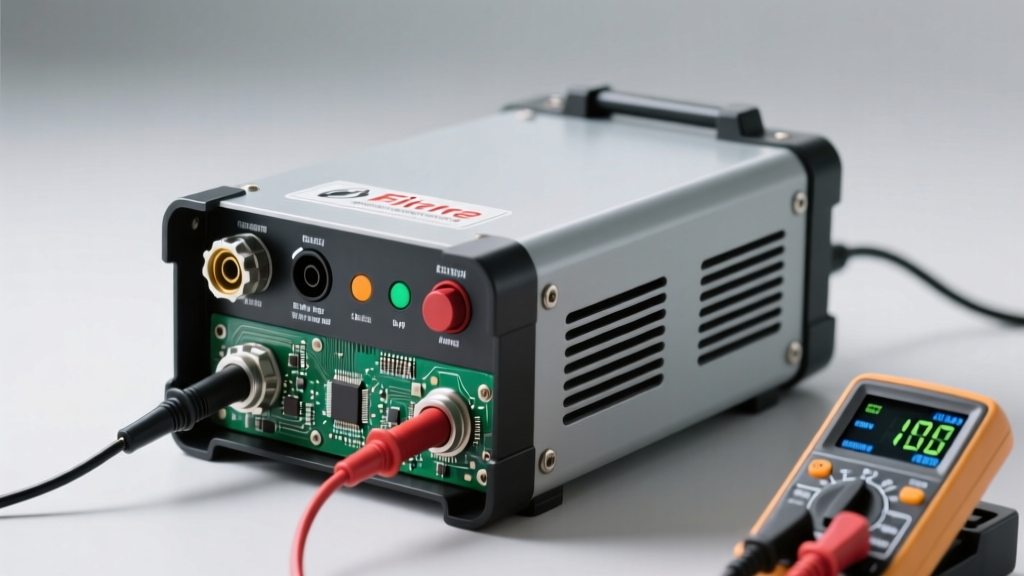
A China cable connector is a critical component in industrial systems, enabling the reliable transmission of power, data, and signals across machinery. These connectors are engineered for durability, precision, and performance in demanding environments. Available in various configurations—including cylindrical, threaded, and locking types—these connectors are widely used across automation, manufacturing, aerospace, automotive, and energy sectors. Their ability to function under high pressure, extreme temperatures, and in compact or hazardous spaces makes them indispensable for maintaining operational efficiency and safety.
Choosing the right type of cable connector ensures long-term reliability, minimizes downtime, and enhances system integrity. Below is a detailed breakdown of the most common types of cylinder-style China cable connectors, their features, benefits, and ideal applications.
Cylindrical China Cable Connectors
These round-shaped connectors are designed for easy alignment and quick mating, making them ideal for high-efficiency industrial environments.
Advantages
- Easy alignment and plug-and-play installation
- Excellent resistance to dust and water (IP67 and higher ratings common)
- Robust construction for long service life
- Widely compatible with automation and control systems
- Suitable for both indoor and outdoor use
Limitations
- Less secure than threaded or locking types under vibration
- May require additional strain relief in dynamic setups
- Limited sealing in extreme pressure environments
Best for: Manufacturing lines, robotics, automation systems, control panels
Threaded China Cable Connectors
Featuring screw-type threading, these connectors provide a secure, vibration-resistant connection essential for high-stress applications.
Advantages
- Secure, tamper-resistant connection
- Excellent performance under vibration and mechanical stress
- High sealing efficiency (IP68/IP69K ratings available)
- Resistant to extreme temperatures and pressure fluctuations
- Long-term reliability with minimal maintenance
Limitations
- Slower to connect/disconnect than cylindrical types
- Requires proper torque to avoid over-tightening
- Slightly bulkier design may limit space in tight enclosures
Best for: Aerospace, automotive testing, heavy machinery, hydraulic systems
Locking China Cable Connectors
Equipped with a locking mechanism (bayonet, lever, or push-pull), these connectors prevent accidental disconnection in critical environments.
Advantages
- Highly secure—virtually immune to accidental disconnection
- Ideal for high-vibration or mobile applications
- Fast and reliable mating with audible click confirmation
- Durable in harsh conditions (offshore, marine, oil & gas)
- Maintains signal integrity in dynamic environments
Limitations
- Higher cost compared to standard connectors
- Requires specific mating components (not always interchangeable)
- May need periodic inspection of locking mechanism
Best for: Oil & gas rigs, marine vessels, defense equipment, mobile cranes, emergency systems
| Type | Connection Security | Environmental Rating | Installation Speed | Typical Applications |
|---|---|---|---|---|
| Cylindrical | Medium | IP65–IP67 | Fast | Automation, manufacturing, control systems |
| Threaded | High | IP68–IP69K | Moderate | Aerospace, automotive, hydraulic systems |
| Locking | Very High | IP67–IP69K | Fast to Moderate | Marine, oil & gas, defense, mobile equipment |
Expert Tip: When sourcing China cable connectors from platforms like Alibaba, verify certifications (CE, RoHS, IP ratings) and request samples to test durability, sealing, and compatibility before large-scale procurement. Look for suppliers with ISO 9001 certification for quality assurance.
Understanding the differences between cylindrical, threaded, and locking China cable connectors empowers engineers and procurement teams to make informed decisions based on environmental demands, safety requirements, and operational efficiency. Whether you're setting up a smart factory or maintaining offshore equipment, selecting the right connector type ensures seamless, safe, and long-lasting performance.
Specifications and Designs to Consider for China Cable Connectors
Choosing the right Chinese cable connectors is essential for ensuring reliable electrical performance, durability, and system compatibility across diverse industrial and commercial applications. With the global demand for cost-effective yet high-quality components, Chinese-made connectors have become widely adopted in sectors ranging from automation and renewable energy to transportation and telecommunications. The right selection depends on precise understanding of material composition, environmental protection ratings, electrical capabilities, and physical design. Below is a comprehensive breakdown of key factors to consider when selecting China-manufactured cable connectors.
Material Specifications
Housing Materials
The outer housing of Chinese cable connectors is typically made from either high-grade aluminum alloys or engineered thermoplastics such as nylon, PBT (polybutylene terephthalate), or polycarbonate. Aluminum housings offer superior mechanical strength, heat dissipation, and electromagnetic shielding, making them ideal for heavy-duty industrial environments and outdoor installations. They are often anodized or coated to resist corrosion.
Plastic housings, on the other hand, are lightweight, electrically insulating, and resistant to many chemicals. They are commonly used in consumer electronics, indoor automation systems, and applications where weight and cost are critical factors. Modern thermoplastics also offer excellent flame resistance (UL94 V-0 rated) and UV stability for extended outdoor use.
Conductive Components
Internally, connectors use precision-machined contacts made from copper alloys—such as phosphor bronze, beryllium copper, or brass—due to their excellent electrical conductivity, spring properties, and wear resistance. These metals are often plated with tin, silver, nickel, or gold to enhance conductivity, prevent oxidation, and improve mating durability.
Gold plating, though more expensive, is used in signal connectors requiring high reliability and low contact resistance, such as in medical or aerospace applications. Tin plating is more common in power connectors due to its cost-effectiveness and good solderability. Proper material selection ensures long-term performance even under repeated mating cycles and exposure to harsh conditions.
IP Rating and Sealing Standards
Understanding IP Ratings
The Ingress Protection (IP) rating is a standardized measure of a connector’s ability to resist dust and moisture. For example, an IP67-rated connector is completely dust-tight and can withstand temporary immersion in water up to 1 meter deep for 30 minutes. IP68 indicates continuous submersion protection under specified conditions, while IP69K is designed for high-pressure, high-temperature washdown environments—common in food processing and automotive manufacturing.
Chinese manufacturers now widely comply with IEC 60529 standards, and many offer connectors with IP65, IP67, and IP68 ratings, making them suitable for outdoor lighting, solar farms, marine equipment, and agricultural machinery.
Sealing Mechanisms
Effective sealing relies on precision-molded O-rings, gaskets, and threaded or bayonet coupling mechanisms that ensure a tight seal upon mating. Rubber seals made from silicone, EPDM, or NBR (nitrile rubber) are selected based on temperature range and chemical exposure. For instance, silicone performs well in extreme temperatures (-50°C to +200°C), while EPDM offers excellent resistance to ozone and weathering.
Proper sealing not only prevents water and dust ingress but also protects against vibration, thermal cycling, and mechanical stress—key factors in maintaining long-term reliability in dynamic environments.
Current and Voltage Ratings
Electrical Load Capacity
Current and voltage ratings define the maximum electrical load a connector can safely carry without overheating or arcing. Typical Chinese power connectors range from 5A to 200A per contact, with voltage ratings from 300V to 1000V AC/DC. These ratings are determined by contact size, material conductivity, insulation quality, and heat dissipation design.
For example, a 100A connector used in electric vehicle charging stations must maintain low contact resistance and efficient thermal management to prevent hotspots. Always select a connector with a rating exceeding the system’s maximum expected load by at least 20% to ensure safety and longevity.
Safety and Compliance
Reputable Chinese manufacturers adhere to international standards such as UL, CE, RoHS, and CCC (China Compulsory Certification). These certifications verify that connectors meet safety, environmental, and performance benchmarks. For instance, UL 486A/B covers wire connectors, while IEC 61076 governs industrial rectangular connectors.
In high-power applications like industrial motors or solar inverters, using connectors below rated capacity can lead to catastrophic failures, including fire hazards. Always verify datasheets and test reports before deployment in critical systems.
Connector Size and Form Factor
Space Constraints and Miniaturization
Connector size is crucial in compact electronics, robotics, and embedded systems where space is limited. Chinese manufacturers offer miniaturized connectors such as micro-USB, M8, M12, and board-to-board types that maintain high performance in small footprints. Miniaturization involves advanced molding techniques and high-density contact arrangements without sacrificing current capacity or durability.
For example, M12 connectors are widely used in industrial sensors and automation due to their robust 12mm threaded coupling and compact size. Choosing the correct size ensures easy integration, reduces cable strain, and improves serviceability.
Ergonomic and Functional Design
The form factor—including shape, locking mechanism, and orientation—affects ease of installation, maintenance, and resistance to accidental disconnection. Common coupling types include screw-threaded (most secure), push-pull (quick connect/disconnect), and bayonet (fast and reliable).
Angled or right-angle connectors save space in tight enclosures, while panel-mount, inline, and free-hanging variants offer flexibility in system design. Color-coding and keying features prevent incorrect mating, reducing human error in complex wiring setups.
| Specification | Typical Range (China Connectors) | Application Guidance |
|---|---|---|
| Housing Material | Aluminum, Nylon, PBT, PC | Use metal for rugged environments; plastic for lightweight and insulated needs |
| Contact Material | Copper alloy with tin/silver/gold plating | Gold for signal integrity; tin for power applications |
| IP Rating | IP65, IP67, IP68, IP69K | IP67+ for outdoor, wet, or washdown environments |
| Current Rating | 5A – 200A per contact | Select 20% above max load for safety margin |
| Voltage Rating | 300V – 1000V AC/DC | Match system voltage; verify insulation standards |
| Form Factor | M8, M12, D-Sub, Circular, Rectangular | Choose based on space, mating frequency, and environment |
Important: Always source connectors from certified suppliers and verify compliance with relevant international standards. Counterfeit or substandard connectors may appear cost-effective but pose serious risks including overheating, short circuits, and system failure. Request test reports, conduct sample inspections, and prioritize long-term reliability over initial savings—especially in mission-critical or high-power applications.
Factors to Consider When Selecting Hydraulic China Cable Connectors
Selecting the right hydraulic cable connectors from China is a critical decision that directly impacts system reliability, safety, and operational efficiency. A hydraulic hose crimper makes assembling these connectors quick and easy, but choosing the appropriate connector requires careful evaluation of multiple technical and environmental factors. The right selection enhances durability, prevents leaks, reduces downtime, and ensures seamless integration into your hydraulic system. Let's explore the key considerations in detail to help you make informed, performance-driven choices.
Working Temperature and Pressure
The operating pressure and temperature range are among the most critical factors in selecting a hydraulic connector. Exceeding the rated limits can lead to catastrophic failures such as leaks, bursts, or seal degradation. High-pressure applications—common in construction, mining, and industrial machinery—require connectors built with reinforced materials and precision engineering to withstand intense stress without deformation.
- Standard hydraulic systems typically operate between 1,500–3,000 PSI; ensure connectors meet or exceed these ratings
- High-temperature environments (above 100°C/212°F) demand heat-resistant materials like stainless steel or high-grade thermoplastics
- Low-temperature applications (below freezing) require flexible seals that resist brittleness and cracking
- Thermal cycling can cause expansion and contraction, so materials must maintain integrity under fluctuating conditions
Key consideration: Always verify the maximum working pressure (MWP) and temperature tolerance before installation.
Fluid Compatibility
The type of hydraulic fluid used in your system plays a major role in determining the suitable materials for connectors and seals. Incompatible materials can lead to swelling, cracking, or chemical degradation, resulting in leaks and system failure. Different fluids have unique chemical properties that interact differently with metals, elastomers, and coatings.
- Mineral-based oils work well with NBR (nitrile) and FKM (viton) seals
- Water-glycol or water-oil emulsions require EPDM or specialized fluorocarbon seals
- Phosphate ester fluids (used in aviation and high-fire-risk environments) demand highly resistant materials like PTFE or FFKM
- Aggressive industrial chemicals may require stainless steel bodies with PTFE linings to prevent corrosion
Pro tip: Consult the manufacturer’s fluid compatibility chart to match seal material with your hydraulic fluid type.
Industry Standards and Certifications
Compliance with international standards ensures that hydraulic connectors meet rigorous safety, performance, and quality benchmarks. Certified connectors undergo extensive testing for pressure resistance, vibration, thermal stability, and longevity. Using non-compliant parts can void warranties, increase liability, and compromise worker safety.
- Look for connectors conforming to ISO 8434, SAE J514, or DIN 2353 standards for dimensional and performance consistency
- CE, RoHS, and REACH certifications indicate compliance with European safety and environmental regulations
- API 6A or API 16C ratings are essential for oil and gas industry applications
- UL or CSA marks ensure suitability for use in North American industrial settings
Critical factor: Prioritize suppliers who provide full certification documentation and traceability for each batch.
Ease of Installation and Maintenance
A connector that is easy to install and maintain reduces labor time, minimizes errors, and improves system uptime. Complex or poorly designed connectors can lead to improper crimping, misalignment, or seal damage—common causes of premature failure. Low-maintenance designs also reduce long-term operational costs.
- Quick-connect fittings save time during assembly and disassembly, especially in mobile equipment
- Pre-lubricated seals and color-coded components help prevent installation mistakes
- Reusable or field-repairable connectors reduce waste and spare part inventory
- Integrated O-rings and captive nuts simplify installation and prevent part loss
Smart choice: Opt for modular connector systems that allow tool-free maintenance and easy replacement of seals.
Professional Recommendation: When sourcing hydraulic cable connectors from China, prioritize manufacturers with ISO 9001 certification and a proven track record in export markets. Request sample testing, material certifications, and third-party validation reports to verify quality. Pair high-performance connectors with a reliable hydraulic hose crimper to ensure consistent, leak-free assemblies every time.
| Application Type | Recommended Connector Material | Seal Type | Max Working Pressure | Temperature Range |
|---|---|---|---|---|
| General Industrial | Carbon Steel with Zinc Plating | NBR (Nitrile) | 3,000 PSI | -30°C to +100°C |
| High-Pressure Machinery | Stainless Steel 316 | FKM (Viton) | 6,000 PSI | -20°C to +200°C |
| Marine & Offshore | Stainless Steel 316L | EPDM or FFKM | 4,500 PSI | -40°C to +150°C |
| Food & Beverage | Stainless Steel 304/316 | EPDM (FDA-compliant) | 2,500 PSI | -20°C to +135°C |
Additional Considerations
- Corrosion Resistance: In humid, coastal, or chemical-exposed environments, choose connectors with anti-corrosion coatings or marine-grade stainless steel.
- Vibration Resistance: Applications with constant vibration (e.g., heavy machinery) benefit from locking mechanisms and reinforced threads.
- Reusability: Some connectors are designed for single use, while others support multiple installations—ideal for testing or temporary setups.
- Flow Efficiency: Smooth internal bore designs minimize turbulence and pressure drop, improving system performance.
- Supplier Reliability: Work with Chinese manufacturers who offer technical support, product traceability, and responsive customer service.
Durability of China Cable Connectors in Industrial Settings
In industrial environments where equipment must operate continuously under harsh conditions, reliability is non-negotiable. Chinese-manufactured cable connectors have become a cornerstone in modern factories due to their exceptional durability, consistent performance, and cost-effective engineering. Designed for high uptime and resistance to failure, these connectors are built to withstand the rigors of demanding applications—ranging from extreme temperatures and high-pressure systems to dusty, corrosive, or vibration-prone environments. Constructed from high-grade materials such as reinforced polymers, brass alloys, and stainless steel, they resist wear, corrosion, and mechanical fatigue, ensuring long-term operational integrity. Below, we explore the key features that make China cable connectors a trusted choice in industrial automation, manufacturing, mining, and energy sectors.
Important Note: While "China cable connectors" refers broadly to connectors manufactured in China, quality can vary significantly between suppliers. Always verify certifications (e.g., IP ratings, UL, CE) and material specifications to ensure suitability for your specific industrial application.
Resistant to Extreme Temperatures
One of the most critical challenges in industrial environments is thermal fluctuation. China cable connectors are engineered to perform reliably across a wide temperature range—typically from -40°C to +125°C, depending on the model and insulation materials used. Whether installed in freezing cold storage units, near high-heat furnaces, or within enclosed control cabinets, these connectors maintain structural integrity and electrical continuity. Their advanced thermoplastic or silicone-based housings resist thermal expansion and contraction, preventing cracks or loosening over time. Additionally, internal seals and insulation materials prevent moisture ingress and signal degradation, even under rapid temperature shifts. This thermal resilience ensures uninterrupted power and data transmission, minimizing system downtime in climate-sensitive operations such as food processing, chemical manufacturing, and metal fabrication.
Expert Tip: For applications involving sustained high heat (above 85°C), consider connectors with ceramic or high-temperature silicone insulation to further enhance longevity and safety.
Maintains Performance Under High Pressure
In hydraulic systems, offshore platforms, and heavy machinery, connectors are often exposed to intense fluid or mechanical pressure. China cable connectors are designed with robust threading, reinforced coupling mechanisms, and compression seals that prevent leakage or disconnection under stress. Many models feature metal-to-metal sealing or O-ring compression technology, ensuring airtight and watertight performance even at pressures exceeding 100 bar. Their durable housings resist deformation, while internal strain reliefs protect the cable from pull-out or internal wire damage. This pressure resistance is crucial in industries like oil & gas, construction equipment, and automated manufacturing lines, where system failure can lead to costly downtime or safety hazards. By maintaining consistent electrical connectivity under load, these connectors contribute to stable, high-efficiency operations.
Protection from Contaminants
Industrial sites such as mines, foundries, and chemical plants are rife with airborne dust, metal shavings, moisture, and corrosive agents. China cable connectors address these challenges through high Ingress Protection (IP) ratings—commonly IP67, IP68, or even IP69K—indicating complete protection against dust and temporary or continuous water submersion. The connectors employ multi-layer sealing systems, including gaskets, rubber boots, and threaded locking rings, to create a barrier against contaminants. This sealing capability prevents oxidation, short circuits, and signal interference, preserving both safety and performance. In abrasive environments like quarrying or cement production, the rugged exteriors resist scratching and erosion, maintaining seal integrity over extended use. As a result, equipment remains operational in hostile conditions, reducing maintenance frequency and increasing overall system reliability.
| Environmental Challenge | Connector Feature | Benefit | Common Industrial Applications |
|---|---|---|---|
| Extreme Heat/Cold | High-temp thermoplastics, silicone seals | Prevents cracking and insulation failure | Foundries, refrigeration, engine bays |
| High Pressure | Metal seals, O-rings, reinforced threads | Leak-proof connections under load | Hydraulics, offshore drilling, test benches |
| Dust & Debris | IP67/IP68 rated enclosures | Blocks particulate ingress | Mining, construction, agriculture |
| Vibration & Impact | Shock-absorbing housings, strain relief | Prevents loosening and wire fatigue | Heavy machinery, mobile equipment, robotics |
| Chemical Exposure | Corrosion-resistant metals and coatings | Long-term durability in harsh atmospheres | Chemical plants, wastewater treatment |
Shock Resistance
Industrial machinery—especially mobile or rotating equipment—generates constant vibration and occasional mechanical shocks. China cable connectors are built to endure these dynamic forces without compromising connectivity. Their housings are often made from impact-resistant engineering plastics or die-cast metals, while internal components are secured with anti-vibration locking mechanisms. Features such as spring-loaded contacts, cushioned backshells, and flexible booting reduce stress on solder joints and wire terminations. This shock resistance is vital in applications like construction vehicles, CNC machines, and conveyor systems, where loose connections can lead to intermittent faults or catastrophic failures. By maintaining a stable electrical path despite constant movement, these connectors enhance system safety, reduce unplanned outages, and extend the service life of connected devices.
Pro Tip: In high-vibration environments, use locking nuts or safety wire to further secure connectors and perform routine inspections to ensure tightness and integrity.
Additional Considerations for Long-Term Reliability
- Material Quality: Opt for connectors with brass or stainless steel contacts and UV-resistant housings for superior conductivity and weather resistance.
- Certifications: Look for compliance with international standards such as IEC 61076, RoHS, and IP ratings to ensure safety and performance.
- Sealing Integrity: Regularly inspect O-rings and gaskets for wear, especially in washdown or outdoor applications.
- Compatibility: Ensure connectors match the cable gauge, voltage rating, and mating interface to avoid overheating or signal loss.
- Supplier Reputation: Choose manufacturers with proven track records and third-party testing documentation to avoid substandard products.
China cable connectors have earned their place in global industrial systems by combining rugged design, advanced materials, and scalable manufacturing. When properly selected and maintained, they deliver years of dependable service in some of the most challenging environments. Their ability to resist extreme temperatures, pressure, contaminants, and physical shock makes them a smart investment for any operation prioritizing uptime, safety, and efficiency. As automation and Industry 4.0 continue to expand, the role of durable, high-performance connectors will only grow—making informed selection and application more important than ever.
Frequently Asked Questions About China-Made Industrial Cable Connectors
Q1: Do China-made cable connectors perform reliably in industrial environments over long periods?Yes, modern China-manufactured industrial cable connectors are engineered for durability and long-term performance in demanding applications. Constructed from high-grade thermoplastics, reinforced polymers, and corrosion-resistant metals, these connectors withstand extreme mechanical stress, vibration, and temperature fluctuations commonly found in manufacturing, construction, and automation settings.
Many models feature IP67 or higher ingress protection ratings, meaning they are effectively sealed against dust, dirt, water, and other contaminants. This robust design ensures uninterrupted power transmission and stable signal integrity—critical for maintaining operational efficiency across continuous-use scenarios.
When sourced from reputable manufacturers adhering to international standards (such as IEC, UL, or CE), Chinese connectors offer reliability comparable to Western counterparts at a more competitive cost.
Q2: Are these connectors suitable for outdoor use under diverse weather conditions?Absolutely. Industrial-grade cable connectors from China are specifically designed to endure harsh outdoor environments. They are built to resist:
- Temperature Extremes: Functioning reliably from -40°C to +105°C, making them ideal for arctic climates to desert heat.
- Moisture & Rain: Sealed O-rings and gaskets prevent water ingress, even during heavy downpours or high-humidity conditions.
- UV Radiation: UV-stabilized housing materials resist degradation from prolonged sun exposure, preventing cracking or brittleness.
- Chemical Exposure: Resistant to oils, salts, and mild acids often present in marine, agricultural, or roadside installations.
These features make them widely used in outdoor applications such as telecommunications towers, railway signaling, solar farms, construction sites, and transportation infrastructure where environmental resilience is non-negotiable.
Q3: How do I choose the right type of China-made cable connector for my application?Selecting the appropriate connector depends on several key factors related to your operational environment and technical requirements. Here’s a breakdown by common connector types:
| Connector Type | Best For | Key Advantages |
|---|---|---|
| Cylindrical Connectors | General-purpose use, quick mating, compact spaces | Easy to install, space-efficient, widely compatible |
| Threaded Connectors | High-vibration environments (e.g., machinery, vehicles) | Vibration-resistant, secure locking, reduced risk of disconnection |
| Push-Pull & Bayonet Locking | Medical, robotics, and safety-critical systems | Fast connection/disconnection, secure fit, tactile feedback |
| Hybrid Power-Signal Connectors | Automation, control panels, IoT devices | Integrated power and data transmission in one housing |
Additionally, consider electrical specs (voltage/current rating), shielding (for EMI/RFI protection), and compliance with industry-specific certifications (e.g., ATEX for explosive environments). Always verify compatibility with your cabling and equipment interface.
Q4: Have China-made cable connectors evolved to keep pace with technological advancements?Yes, significantly. Over the past decade, Chinese manufacturers have invested heavily in R&D, materials science, and precision engineering to meet the growing demands of smart manufacturing, Industry 4.0, and high-speed digital systems.
Key technological improvements include:
- Enhanced Signal Integrity: Use of gold-plated contacts and improved dielectric materials for faster data transfer (e.g., Ethernet, CAN bus, USB-based industrial links).
- Miniaturization: Compact, high-density connectors that save space in robotics, drones, and portable equipment.
- Smart Features: Integration with sensors or status indicators in some advanced models for predictive maintenance.
- Sustainability: Adoption of recyclable materials and lead-free manufacturing processes in line with RoHS and REACH regulations.
- Ease of Installation: Tool-less designs, color coding, and keying mechanisms to prevent misconnections.
These innovations ensure that modern Chinese connectors are not only cost-effective but also technically competitive in global markets, serving sectors from renewable energy to autonomous vehicles.
Q5: How does proper maintenance extend the lifespan and reliability of these connectors?Regular maintenance plays a crucial role in maximizing the service life and performance of industrial cable connectors. Even the most robust connectors can degrade prematurely without care. Recommended practices include:
- Cleaning: Use a dry or slightly damp cloth to remove dust and debris. For stubborn grime, use isopropyl alcohol and a soft brush—avoid abrasive cleaners.
- Inspection: Check for signs of wear, corrosion, bent pins, cracked housings, or loose fittings during routine equipment checks.
- Sealing: Ensure protective caps are in place when disconnected to prevent moisture and particle ingress.
- Handling: Avoid excessive bending, twisting, or pulling on cables. Mating and unmating should be done straight-on to prevent pin damage.
- Lubrication: Apply dielectric grease to metal threads and seals (where applicable) to prevent galling and improve waterproofing.
- Replacement: Promptly replace worn or damaged components—especially seals and locking mechanisms—to avoid cascading failures.
With consistent care, high-quality China-made connectors can last 5–10 years or more in industrial use, delivering dependable performance while reducing downtime and replacement costs.