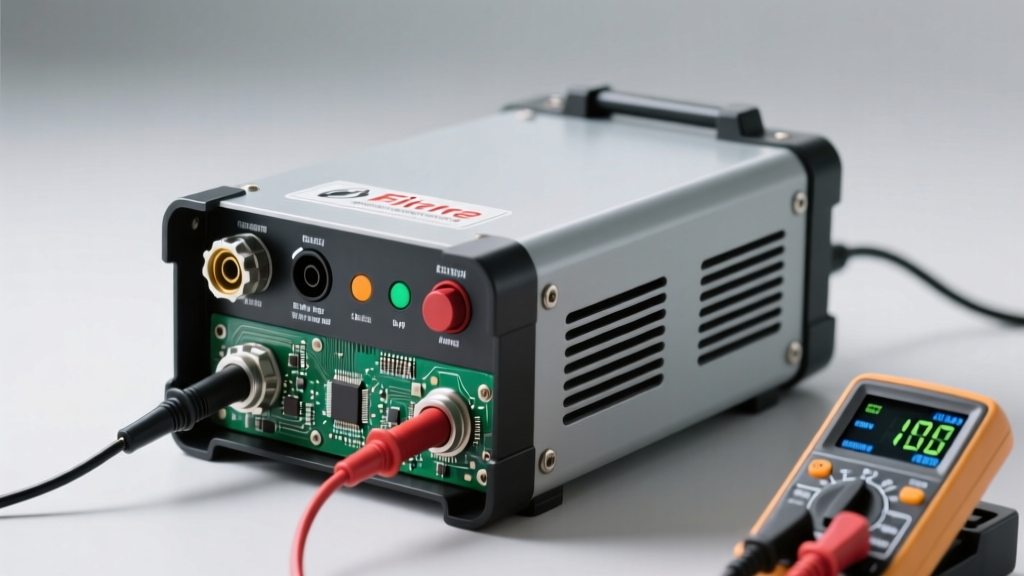
Types of 40kW Solar Lithium Batteries
A 40kW solar lithium battery is a powerful energy storage solution designed to store excess solar energy for later use, especially during peak demand or grid outages. When integrated with a backup generator, it enhances energy reliability and efficiency. Choosing the right battery chemistry is crucial for optimizing performance, safety, lifespan, and cost-effectiveness in residential, commercial, or off-grid applications.
Various lithium battery chemistries offer distinct advantages and trade-offs in terms of energy density, safety, cycle life, and thermal stability. Understanding these differences helps in selecting the best 40kW system for your energy needs.
Lithium Cobalt Oxide (LiCoO₂)
Known for high energy density, this chemistry is widely used in consumer electronics like smartphones and laptops.
Advantages
- Very high energy density
- Compact and lightweight design
- Smooth voltage output
- Well-established manufacturing process
Limitations
- Shorter cycle life (500–1,000 cycles)
- Poor thermal stability – higher fire risk
- Expensive due to cobalt content
- Not ideal for large-scale energy storage
Best for: Portable electronics; rarely used in 40kW solar systems due to safety and cost concerns
Lithium Iron Phosphate (LiFePO₄)
A highly stable and durable chemistry, LiFePO₄ is increasingly popular for solar energy storage systems.
Advantages
- Exceptional safety and thermal stability
- Long cycle life (3,000–7,000+ cycles)
- Low environmental impact
- Excellent performance in high-temperature environments
- Lower fire risk compared to other lithium types
Limitations
- Lower energy density (requires more space)
- Heavier than other lithium batteries
- Slightly lower voltage output
Best for: Residential and commercial 40kW solar installations, off-grid systems, and applications prioritizing safety and longevity
Lithium Nickel Manganese Cobalt Oxide (NMC)
NMC batteries strike a balance between energy density, power output, and lifespan, making them versatile for energy storage.
Advantages
- High energy and power density
- Good cycle life (2,000–4,000 cycles)
- Compact and efficient for space-constrained setups
- Widely used in EVs and grid storage
Limitations
- Moderate thermal stability – requires BMS protection
- Contains cobalt, raising cost and ethical sourcing concerns
- Performance degrades faster at high temperatures
Best for: Urban solar installations, hybrid systems, and users seeking a balance of size, performance, and efficiency
Lithium Nickel Cobalt Aluminum Oxide (NCA)
NCA batteries offer high energy density and long life, commonly used in premium electric vehicles and specialized energy systems.
Advantages
- Very high energy density
- Long cycle life (2,000–3,000+ cycles)
- Excellent performance in continuous discharge applications
- High efficiency and low self-discharge
Limitations
- Requires advanced thermal management systems
- Higher cost and complexity
- Safety concerns under fault conditions
- Less common in residential solar setups
Best for: Large-scale commercial systems, integration with smart grids, and high-performance applications where space and efficiency are critical
| Battery Type | Energy Density | Cycle Life | Safety | Best Use Case |
|---|---|---|---|---|
| Lithium Cobalt Oxide (LiCoO₂) | Very High | 500–1,000 | Low | Consumer electronics, not recommended for solar |
| Lithium Iron Phosphate (LiFePO₄) | Moderate | 3,000–7,000+ | Very High | Residential & commercial solar storage |
| NMC | High | 2,000–4,000 | Moderate | Hybrid systems, space-efficient installations |
| NCA | Very High | 2,000–3,000+ | Moderate | Commercial & industrial energy storage |
Expert Tip: For a 40kW solar lithium battery system, LiFePO₄ is often the best choice due to its superior safety, long lifespan, and minimal maintenance. Pair it with a robust Battery Management System (BMS) to maximize efficiency and system longevity.
Industrial Applications of 40kW Solar Lithium Battery Systems
As industries worldwide transition toward sustainable energy solutions, the 40kW solar lithium battery has emerged as a cornerstone of modern industrial energy management. These high-capacity battery systems store solar energy efficiently and deliver reliable power across a wide range of applications. By integrating with photovoltaic arrays and smart energy controls, 40kW lithium batteries enhance energy resilience, reduce operational costs, and support environmental goals in industrial operations.
Key Industrial Applications
Frequency Regulation
Lithium batteries offer rapid response times—often within milliseconds—making them ideal for frequency regulation in industrial power systems. When fluctuations occur between energy supply and demand, the 40kW battery quickly injects or absorbs power to stabilize grid frequency.
This capability supports grid operators and large facilities in maintaining voltage stability, preventing equipment damage, and complying with utility standards. In microgrids or self-contained industrial parks, frequency regulation ensures smooth integration of renewable sources like solar and wind, minimizing reliance on diesel generators or external grid support.
Peak Shaving
One of the most cost-effective uses of a 40kW solar lithium battery is peak shaving—reducing the amount of electricity drawn from the grid during periods of high demand. During peak hours, when utility rates are highest, the battery discharges stored solar energy to offset facility load.
By lowering peak demand charges, which can account for up to 40% of an industrial electricity bill, companies achieve significant savings. For example, a manufacturing plant running heavy machinery during the afternoon can use stored solar energy instead of drawing expensive grid power, delaying or eliminating the need for costly infrastructure upgrades.
Load Shifting (Energy Time-Shifting)
Load shifting involves charging the 40kW battery during off-peak hours—typically at night or midday when solar generation is high—and discharging it during peak usage periods. This strategy optimizes energy consumption patterns and maximizes the use of self-generated solar power.
Industries benefit from reduced energy costs, improved energy efficiency, and greater independence from volatile energy markets. Load shifting also contributes to grid stability by reducing strain during high-demand periods and promoting a more balanced energy profile across the day.
Backup Power & Continuity
In mission-critical industrial environments—such as food processing, pharmaceuticals, or data centers—even brief power interruptions can lead to production losses, equipment damage, or safety hazards. The 40kW solar lithium battery serves as a seamless backup power source, automatically engaging during outages.
Unlike traditional diesel generators, lithium batteries provide instant power without startup delays, emissions, or noise. They protect sensitive equipment, maintain refrigeration or process control systems, and minimize downtime. When paired with solar panels, they enable extended off-grid operation, enhancing business continuity and disaster resilience.
Demand Response Programs
Many utilities offer demand response incentives that reward industrial users for reducing grid consumption during peak events. A 40kW solar lithium battery enables automated participation in these programs by discharging stored energy when grid signals indicate high stress or pricing.
Facilities can earn revenue or receive bill credits while supporting grid reliability. Advanced energy management systems (EMS) can schedule battery discharge based on real-time pricing, weather forecasts, and production schedules, maximizing financial returns and operational flexibility.
Electric Vehicle (EV) Charging Infrastructure
As industries adopt electric forklifts, delivery vehicles, and employee EV fleets, on-site charging infrastructure becomes essential. A 40kW solar lithium battery can power EV charging stations without overloading the main electrical supply.
By sourcing energy from solar panels and stored battery reserves, companies reduce charging costs and carbon emissions. This setup is especially valuable in facilities with limited grid capacity or those aiming for net-zero transportation goals. The battery also prevents demand spikes that could trigger higher utility tariffs.
Microgrid & Off-Grid Systems
In remote mining sites, agricultural facilities, or rural industrial operations, access to a stable grid may be limited or nonexistent. The 40kW solar lithium battery is a critical component of microgrid systems that combine solar panels, inverters, and sometimes generators to create self-sufficient energy networks.
These systems provide reliable, clean power 24/7, reducing fuel dependency and maintenance costs. The battery ensures continuous operation by storing excess solar energy and releasing it during nighttime or cloudy conditions, significantly improving energy security and sustainability.
Sustainability & ESG Goals
Beyond cost savings and reliability, deploying a 40kW solar lithium battery supports corporate environmental, social, and governance (ESG) objectives. By increasing renewable energy utilization and reducing greenhouse gas emissions, industries demonstrate leadership in sustainability.
Such initiatives improve brand reputation, meet regulatory requirements, and qualify for green certifications or tax incentives. Over time, the reduction in fossil fuel use and grid dependence contributes to long-term energy sovereignty and climate resilience.
| Application | Key Benefit | Typical ROI Timeline |
|---|---|---|
| Peak Shaving | Reduces demand charges by 20–40% | 3–5 years |
| Load Shifting | Maximizes solar self-consumption | 4–6 years |
| Backup Power | Prevents $10k–$100k+ in downtime losses | Immediate risk mitigation |
| Demand Response | Generates revenue from utility programs | 1–3 years |
| EV Charging Support | Enables fleet electrification without grid upgrades | 5–7 years |
| Microgrid Integration | Provides energy independence in remote areas | 4–8 years |
Advantages of 40kW Capacity for Industrial Use
Important: Proper system sizing, thermal management, and compliance with local electrical codes are essential for safe and effective deployment. Always consult with certified energy engineers and installers when integrating a 40kW solar lithium battery into industrial operations. Regular software updates and battery health monitoring ensure optimal performance and longevity.
Solar Lithium Battery 40kW: Comprehensive Guide
The 40kW solar lithium battery is a high-capacity energy storage solution designed for residential, commercial, and off-grid applications. Built with advanced LiFePO4 (lithium iron phosphate) technology, this system offers exceptional safety, longevity, and efficiency. Below is a detailed breakdown of its technical specifications, installation process, and maintenance requirements to help you understand and recommend this powerful energy solution effectively.
Technical Specifications
| Specification | Details |
|---|---|
| Rated Capacity | 40,000Wh (40kWh) — a common standard for large-scale solar storage; note: "40 MWh" is likely a typo as it exceeds typical residential/commercial use. |
| System Voltage | 48V or 51.2V (standard for high-power systems); 1.2V refers to individual cell voltage, not system level. |
| Cell Chemistry | LFP (Lithium Iron Phosphate) — known for thermal stability, long cycle life, and safety compared to other lithium-ion variants. |
| Rated Power Output | 5kW to 50kW continuous; supports 5kVA to 300kVA apparent power, suitable for peak load handling in homes and small businesses. |
| Efficiency | Over 95% electrochemical efficiency — minimal energy loss during charge/discharge cycles, maximizing solar utilization. |
| Depth of Discharge (DoD) | 90% recommended for optimal lifespan; LiFePO4 cells can technically handle 100% DoD per cycle and still deliver up to 20 years of service under ideal conditions. |
| Operating Temperature (Charge) | 0°C to 55°C — charging outside this range may reduce battery life or trigger safety shutdowns. |
| Operating Temperature (Discharge) | -20°C to +55°C — capable of discharging in cold environments, though performance may slightly decrease at lower temperatures. |
| Battery Management System (BMS) | Equipped with both active and passive balancing for cell longevity, temperature monitoring, over-voltage/under-voltage protection, and state-of-charge estimation. |
| Water Resistance | IP55 rated — protected against dust and low-pressure water jets; not fully waterproof (IP66 not supported), so indoor or sheltered outdoor installation is recommended. |
| Communication Interfaces | RS485, Ethernet, CAN bus, and auxiliary ports for integration with solar inverters, monitoring systems, and smart home platforms. |
| Configuration | Typically consists of 5 battery units connected in parallel to achieve 40kWh capacity and scalable power output. |
Note on Units: Be cautious with unit confusion — "40 MWh" (megawatt-hours) is 1,000 times larger than 40 kWh and typically applies to utility-scale installations. The correct capacity for this system is 40kWh.
Installation Guide
Proper installation is crucial for the performance, safety, and lifespan of your 40kW solar lithium battery system. Follow these best practices for optimal results:
Location Selection
- Install near the solar inverter and main electrical panel to minimize DC cable length and energy losses.
- Choose a well-ventilated, dry, and temperature-controlled area — avoid garages or sheds with extreme seasonal swings.
- Ensure the space is secure from physical damage (e.g., vehicle impacts, falling objects) and away from flammable materials.
- Indoor installation is preferred; if outdoors, use a weatherproof enclosure with IP55+ protection.
Mounting & Electrical Setup
- The system includes a dedicated rack with structural pillars and sliding rails for secure mounting.
- Secure each battery unit to the rack using provided bolts to prevent vibration or movement.
- Connect the batteries in parallel using high-quality DC cables and proper fusing/breakers as per manufacturer guidelines.
- Link the battery bank to the inverter via the DC bus using shielded, appropriately gauged wiring to handle high current loads.
- Ensure proper grounding and polarity to avoid system faults or damage.
Safety First: These batteries operate at high voltages (48V–51.2V), which can be dangerous. Installation must be performed by certified electricians or solar technicians familiar with DC high-power systems and electrical safety protocols. Always de-energize the system before servicing and use insulated tools.
Maintenance & Long-Term Care
Lithium iron phosphate (LiFePO4) batteries require minimal maintenance compared to lead-acid systems, but regular oversight ensures peak performance and longevity.
Routine Maintenance
- Software Diagnostics: Regularly check the BMS for error codes, cell imbalances, or firmware alerts via the communication interface.
- Settings Verification: Confirm that charge/discharge parameters (voltage limits, temperature thresholds) are correctly configured.
- Note: Unlike electrolytic or flooded batteries, LiFePO4 systems do not require electrolyte level checks — they are sealed and maintenance-free in this regard.
Thermal & Environmental Care
- Maintain ambient temperatures between 15°C and 25°C for optimal efficiency and lifespan.
- Ensure adequate airflow around the rack; consider installing exhaust fans or passive vents in enclosed spaces.
- Avoid direct sunlight or proximity to heat-generating equipment like HVAC units.
Safety & System Checks
- Inspect terminals monthly for corrosion, loose connections, or physical damage.
- Use a thermal camera or multimeter periodically to detect hot spots or voltage inconsistencies across cells.
- Verify that the BMS alarms and communication links are functioning correctly.
Software & Longevity
- Apply firmware updates from the manufacturer to improve performance, fix bugs, and enhance safety features.
- LiFePO4 batteries typically last 10–20 years (or 6,000+ cycles at 90% DoD), significantly longer than standard lithium-ion (12 years max).
- When end-of-life is reached, individual modules can often be replaced rather than the entire system, reducing long-term costs.
Professional Recommendation: For customers seeking reliability and long-term value, the 40kW LiFePO4 solar battery is an excellent investment. Emphasize its safety, low maintenance, and 20-year potential lifespan. Pair it with a hybrid inverter and solar monitoring platform for a complete, future-ready energy solution.
Quick Reference: Key Advantages of 40kW LiFePO4 Battery
- Safety: Stable chemistry with low fire risk compared to NMC or other lithium types.
- Lifespan: Up to 20 years or 7,000+ deep cycles at 90% DoD.
- Eco-Friendly: No toxic heavy metals, fully recyclable components.
- Scalability: Multiple units can be paralleled for larger storage needs.
- Smart Integration: Real-time monitoring via Ethernet/RS485 for remote management.
Quality and Safety Considerations of 40kW Solar Lithium Batteries
A 40kW solar lithium battery is a high-capacity energy storage solution designed for residential, commercial, and off-grid applications. As these systems store and deliver substantial amounts of power, ensuring both quality and safety is paramount. Poorly manufactured or inadequately protected batteries can lead to performance degradation, reduced lifespan, or even hazardous situations such as thermal runaway, fire, or explosion. This guide explores the critical quality and safety factors to evaluate when selecting and maintaining a 40kW solar lithium battery system.
Safety Warning: Always ensure that solar lithium battery installations are performed or supervised by certified professionals. Improper handling, charging, or ventilation can lead to serious safety risks. Never attempt to modify or bypass built-in safety systems such as the Battery Management System (BMS).
Quality Considerations for 40kW Solar Lithium Batteries
- Cell Grading and Selection
The foundation of a high-performance lithium battery lies in the quality and consistency of its individual cells. Premium 40kW systems use Grade A lithium-ion or lithium iron phosphate (LiFePO4) cells sourced from reputable manufacturers such as CATL, LG, Samsung, or Panasonic. These cells undergo rigorous binning processes to ensure uniform capacity, internal resistance, and voltage characteristics.
When cells are mismatched, certain units may overwork during charge and discharge cycles, leading to accelerated aging, reduced overall capacity, and potential failure. High-quality battery packs implement strict cell matching protocols to ensure balanced performance, maximize usable capacity, and extend the system’s lifespan—often rated for 6,000+ cycles at 80% depth of discharge (DoD).
- Heat Dissipation and Thermal Management
Effective thermal regulation is essential for maintaining battery efficiency and longevity. A 40kW battery generates significant heat during charging and discharging, especially under heavy loads or high ambient temperatures. High-quality systems incorporate advanced thermal management solutions such as:
- Integrated cooling fins or heat sinks
- Active or passive ventilation systems
- Thermal sensors distributed across cell modules
- Liquid cooling in premium industrial-grade units
By maintaining optimal operating temperatures (typically between 15°C and 35°C), these systems prevent overheating, reduce electrolyte degradation, and minimize the risk of thermal runaway. Proper heat dissipation also ensures consistent performance across all seasons and climates.
- Mechanical and Electrical Integrity
Robust engineering and manufacturing standards are critical for the long-term reliability of large-scale battery systems. High-quality 40kW batteries feature:
- Welded or bolted busbars with anti-corrosion coatings for low-resistance electrical connections
- Reinforced enclosures made from fire-retardant materials
- Vibration-resistant mounting systems for stability in dynamic environments
- IP-rated seals to prevent dust and moisture ingress
These design elements ensure that electrical pathways remain secure and insulated, reducing the risk of short circuits, arcing, or ground faults. Mechanical durability also protects against damage during transport, installation, and operation, especially in outdoor or industrial settings.
Safety Considerations for 40kW Solar Lithium Batteries
- Battery Management System (BMS)
The BMS is the central nervous system of any lithium battery, and its role becomes even more critical in high-capacity 40kW systems. A sophisticated BMS performs real-time monitoring and control functions, including:
- Cell voltage balancing to prevent overcharging or deep discharge
- Current limiting during charge and discharge phases
- Temperature monitoring and automatic shutdown in overheating conditions
- State of Charge (SoC) and State of Health (SoH) estimation
- Communication with inverters and energy management systems
A high-quality BMS can prevent thousands of potentially dangerous scenarios by enforcing safe operating limits. For example, it automatically disconnects the battery if a cell exceeds 4.2V (overcharge) or drops below 2.5V (deep discharge), both of which can cause irreversible damage or safety hazards. Some advanced BMS platforms also offer remote diagnostics and firmware updates for enhanced safety and performance.
- Modular Design and Ingress Protection (IP) Rating
Many modern 40kW solar batteries use a modular architecture, allowing for scalability, easier maintenance, and improved fault isolation. If one module fails, the rest of the system can often continue operating, minimizing downtime.
Ingress Protection ratings such as IP55 or IP65 indicate the battery’s resistance to dust and water. For example:
- IP55: Protected against limited dust ingress and low-pressure water jets
- IP65: Fully dust-tight and protected against water jets from any direction
These ratings are essential for outdoor installations or environments with high humidity, salt air, or dust exposure. A high IP rating ensures long-term reliability and reduces the risk of internal corrosion or electrical shorts caused by environmental contaminants.
- Fire and Impact Resistance
Given the energy density of lithium batteries, fire safety is a top priority. High-quality 40kW systems incorporate multiple layers of protection:
- Flame-retardant battery enclosures made from materials like ABS+PC or metal alloys
- Thermal barriers between cells to slow heat propagation during thermal runaway
- Pressure relief valves to safely vent gases in case of internal buildup
- Impact-resistant casings to withstand physical shocks during handling or accidents
Some advanced systems also include fire suppression materials or early smoke detection sensors. These features significantly reduce the risk of fire spreading to surrounding structures. Additionally, impact resistance protects against damage from tools, falling objects, or accidental collisions—critical in industrial or shared utility spaces.
| Safety/Quality Feature | Recommended Standard | Risk if Compromised | Verification Method |
|---|---|---|---|
| Cell Quality | Grade A, from Tier-1 manufacturers | Reduced lifespan, imbalance, failure | Manufacturer datasheet, third-party testing |
| Thermal Management | Active/passive cooling, temp sensors | Overheating, thermal runaway | Thermal imaging, performance logs |
| BMS Capabilities | Multi-layer protection, SoC/SoH monitoring | Overcharge, fire, system damage | Firmware review, functional testing |
| IP Rating | IP55 or higher for outdoor use | Moisture ingress, corrosion | Environmental testing, certification |
| Fire Resistance | Flame-retardant materials, thermal barriers | Fire propagation, safety hazard | UL 9540, IEC 62619 compliance |
Expert Tip: When evaluating a 40kW solar lithium battery, always request third-party certifications such as UL 9540, IEC 62619, or UN38.3. These standards verify the battery’s safety, performance, and suitability for energy storage applications. Additionally, choose systems with transparent warranty terms—ideally 10 years or 6,000 cycles with 70% capacity retention.
Best Practices for Long-Term Safety and Performance
- Install the battery in a well-ventilated, temperature-controlled environment away from direct sunlight
- Ensure proper grounding and electrical isolation during installation
- Schedule annual inspections by a qualified technician to check connections, cooling systems, and BMS logs
- Keep flammable materials away from the battery enclosure
- Update BMS firmware regularly to benefit from the latest safety enhancements
- Monitor system performance through integrated software platforms for early warning signs
Selecting a high-quality and safe 40kW solar lithium battery is a long-term investment in energy independence and system reliability. By prioritizing cell quality, thermal management, robust construction, and comprehensive safety systems like a reliable BMS and high IP rating, you can ensure efficient, durable, and hazard-free operation for years to come. Always consult with certified solar integrators and adhere to local electrical codes and safety standards to maximize both performance and peace of mind.
Frequently Asked Questions About 40kWh Solar Lithium Batteries
Q1: Can a 40kWh battery backup be used in extreme temperature environments?Solar lithium batteries, including 40kWh systems, are engineered to operate reliably in a wide range of temperature conditions. However, extreme heat or cold can affect battery chemistry, lifespan, and efficiency if not properly managed.
To ensure optimal performance and longevity in harsh climates, many homeowners and commercial users implement advanced thermal management systems, such as:
- Insulated Enclosures: Protect batteries from direct exposure to freezing temperatures or excessive solar heat.
- Active Cooling Systems: Use fans or liquid cooling to dissipate heat in hot environments (e.g., desert regions).
- Heating Elements: Maintain minimum operating temperatures in cold climates, preventing reduced charging efficiency or temporary shutdowns.
- Climate-Controlled Rooms: Ideal for off-grid or critical backup installations where consistent performance is essential.
Most modern lithium batteries have built-in safeguards that automatically reduce charging rates or shut down temporarily outside safe temperature ranges. With proper installation and environmental controls, a 40kWh battery can deliver reliable performance year-round—even in sub-zero winters or 40°C+ summers.
Q2: What is the impact of a 40kWh solar lithium battery on property value?Installing a 40kWh solar lithium battery system can significantly enhance a property’s market value and appeal. As energy independence becomes a top priority for modern homeowners, energy storage solutions are increasingly viewed as premium upgrades—similar to high-efficiency HVAC systems or smart home technology.
Key benefits that contribute to increased property value include:
- Energy Resilience: Provides uninterrupted power during outages, making homes more attractive in areas prone to blackouts or extreme weather.
- Lower Utility Bills: Enables time-of-use load shifting, storing solar energy when rates are low and using it during peak pricing hours.
- Sustainability Appeal: Appeals to eco-conscious buyers seeking reduced carbon footprints and renewable energy integration.
- Grid Independence: Reduces reliance on utility companies, offering long-term cost predictability and energy security.
Studies by the U.S. Department of Energy and real estate analytics firms suggest that homes with solar-plus-storage systems sell faster and at a premium—often 3% to 5% higher than comparable non-equipped properties. A 40kWh battery, capable of powering an average home for multiple days, represents a substantial investment in resilience and efficiency, directly translating to enhanced resale value.
Q3: How does a solar lithium battery perform at high altitudes?Solar lithium batteries maintain excellent performance at high altitudes, with no significant degradation due to elevation changes. Unlike combustion-based generators or certain mechanical systems, lithium-ion technology does not rely on oxygen for operation, making it inherently suitable for mountainous or high-elevation regions.
Key considerations for high-altitude installations include:
- No Oxygen Dependency: Lithium batteries generate power through electrochemical reactions within sealed cells, unaffected by thin air or reduced atmospheric pressure.
- Temperature Variability: High-altitude locations often experience large diurnal temperature swings. Proper insulation or climate control ensures consistent battery efficiency.
- Installation Environment: While the battery itself is altitude-resistant, ancillary components like inverters or cooling fans may have operational limits at extreme elevations (typically above 3,000 meters). Always check manufacturer specifications.
- Regulatory Compliance: Some regions require special certifications for electrical systems installed at high elevations; ensure your battery and installation meet local codes.
Whether installed in a remote cabin at 8,000 feet or a suburban home in a hilly region, a 40kWh solar lithium battery will operate efficiently and reliably, offering the same energy storage capacity and cycle life as at sea level—provided environmental conditions are properly managed.
Q4: How do buyers ensure the quality of a 40kWh solar lithium battery?Ensuring the quality of a 40kWh solar lithium battery is critical for safety, performance, and long-term return on investment. Given the growing number of manufacturers and varying product standards, buyers should take a proactive approach to vetting their energy storage solution.
Here are essential steps to verify battery quality:
- Choose Reputable Manufacturers: Opt for brands with proven track records, international certifications (e.g., UL 9540, IEC 62619), and transparent supply chains. Established companies often provide better warranties and customer support.
- Inspect Battery Components: High-quality lithium iron phosphate (LiFePO4) cells, robust enclosures, and corrosion-resistant connectors are indicators of durable construction.
- Evaluate the Battery Management System (BMS): A sophisticated BMS monitors voltage, temperature, and state of charge in real time, preventing overcharging, deep discharging, and thermal runaway. Look for features like cell balancing, remote monitoring, and automatic fault detection.
- Review Warranty and Cycle Life: Premium batteries offer warranties of 10+ years or 10,000+ cycles at 80% depth of discharge (DoD), reflecting confidence in longevity.
- Perform Routine Maintenance: Use diagnostic tools to check voltage consistency, communication status, and firmware updates. Regular inspections help catch issues early.
- Verify Installation Standards: Ensure the system is installed by certified professionals following NEC (National Electrical Code) and local regulations for optimal safety and performance.
By prioritizing quality components, intelligent system design, and ongoing maintenance, buyers can maximize the efficiency, safety, and lifespan of their 40kWh solar lithium battery investment.