Every driver knows the moment: a spilled coffee, smeared ketchup packet, or muddy shoe print on the seat. In those urgent seconds, your go-to cleanup tool makes all the difference. Most drivers keep either a car tissue box or a pack of wet wipes in their vehicle—but which one actually handles messes more effectively? While both have their place, understanding their strengths, limitations, and ideal use cases can transform how you manage in-car spills and stains.
This isn’t just about convenience—it’s about efficiency, hygiene, and long-term vehicle maintenance. Let’s break down the practical realities of tissues versus wet wipes for car cleanups, backed by real usage scenarios and expert insights.
Dry Tissues: Simplicity with Limitations
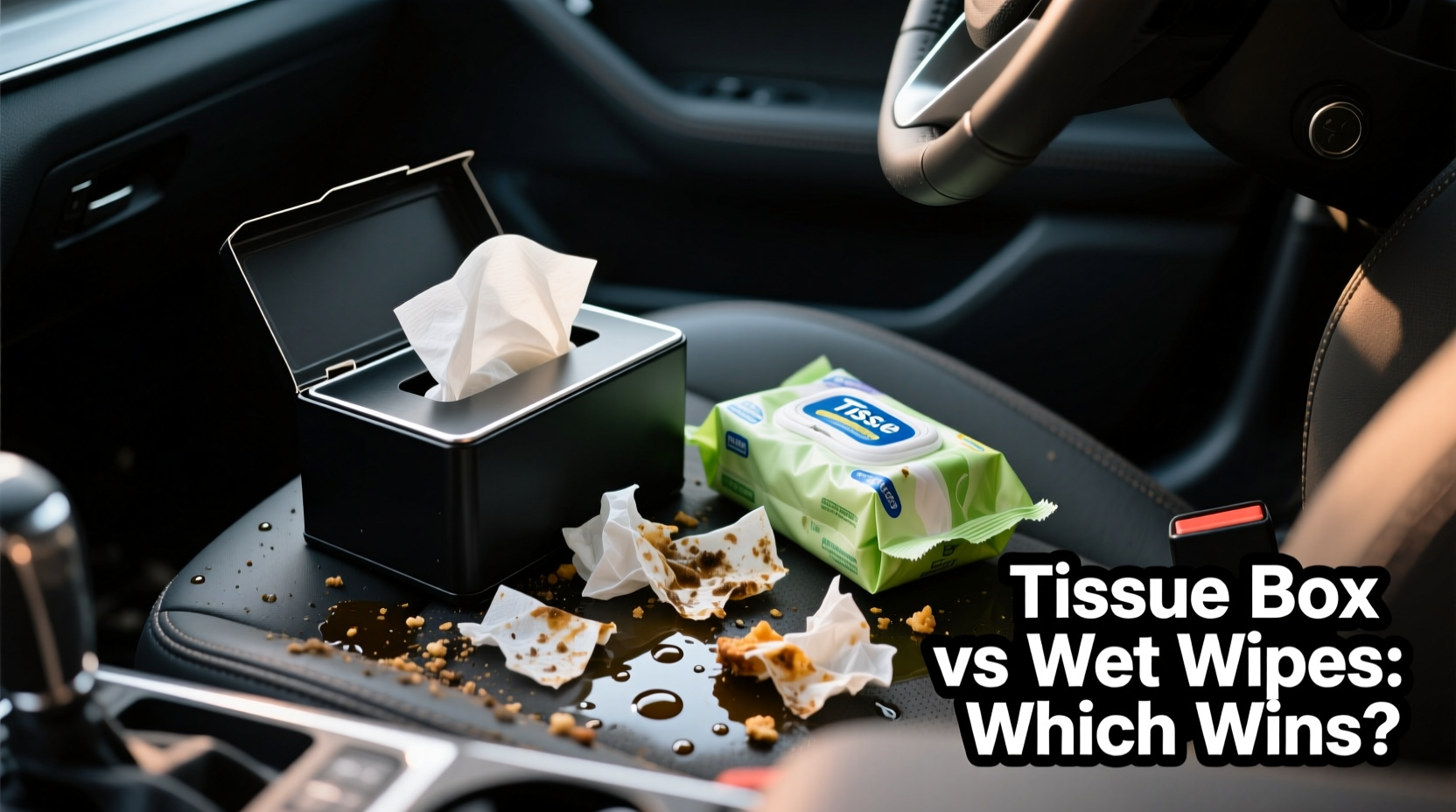
Dry paper tissues are a staple in glove compartments and center consoles. They’re lightweight, inexpensive, and readily available. Their primary function is to absorb liquids—like a spilled drink or condensation from a cold beverage. However, dry tissues lack cleaning agents and moisture, which limits their ability to tackle sticky residues, grease, or dried-on grime.
Tissues work best when the spill is fresh and primarily liquid-based. For example, blotting up a soda spill before it soaks into fabric seats is where they shine. But once a substance dries or becomes tacky—like syrup, mud, or food residue—dry tissues often just smear the mess around.
Tip: Keep tissues in a sealed plastic bag inside your console to prevent them from drying out or getting damp in humid climates.Wet Wipes: Power Through Sticky Situations
Pre-moistened wipes are engineered for cleaning, not just absorbing. Most contain mild surfactants, alcohol, or disinfectants that dissolve grease, lift dirt, and sanitize surfaces. This makes them far more effective for handling complex messes like greasy fingerprints on dashboards, sticky candy residue on cup holders, or muddy smears on door panels.
Because they’re already damp, wet wipes require no additional water or effort to activate. A single wipe can clean, disinfect, and polish a small area in one motion. Parents, pet owners, and frequent road-trippers often find wet wipes indispensable for managing unpredictable spills.
“Wet wipes offer a significant advantage in microbial control. In vehicles exposed to food, pets, or children, they reduce bacterial buildup on high-touch surfaces.” — Dr. Lena Torres, Environmental Health Specialist
Head-to-Head Comparison: Key Factors
| Factor | Tissue Box | Wet Wipes |
|---|---|---|
| Absorbency | High for liquids | Moderate (designed for cleaning, not soaking) |
| Cleaning Power | Low (only physical wiping) | High (chemical + mechanical action) |
| Hygiene | Limited (can spread germs if reused) | High (many are antibacterial) |
| Convenience | Lightweight, easy to replace | Packaged individually; some resealable packs leak |
| Environmental Impact | Biodegradable (if unbleached) | Often non-biodegradable; plastics in packaging |
| Storage Stability | Long shelf life; resists heat | Can dry out or degrade in extreme heat |
Real-World Scenario: The Family Road Trip
Consider the Martinez family on a weekend drive with two kids under 10. Halfway through the trip, a juice box leaks in the back seat, dripping onto the fabric and pooling near the seatbelt buckle. A granola bar wrapper gets crushed into the floor mat. By the time they stop, the juice has started to dry, leaving a sticky ring.
The father reaches for the tissue box first. He uses three sheets to absorb the liquid, but the residue remains. He then grabs a wet wipe from the side pocket. One wipe removes the sticky film, disinfects the area, and leaves no lint behind. Later, he uses another wipe to clean the child’s hands and the crumb-covered console.
In this case, tissues handled initial absorption, but only wet wipes completed the full cleanup. This hybrid approach—using both—is increasingly common among savvy drivers.
When to Use Each: A Practical Guide
Neither option is universally superior. The best choice depends on the type of mess, frequency of use, and personal priorities like eco-friendliness or cost.
- Use tissues when:
- You need to quickly soak up a fresh liquid spill.
- You're wiping sweat, condensation, or light dust.
- You prefer low-cost, disposable options with minimal environmental impact.
- Use wet wipes when:
- Dealing with sticky, greasy, or dried-on messes.
- Cleaning high-touch areas like steering wheels, gear shifts, or touchscreen displays.
- You want sanitization, especially after transporting pets, groceries, or sick passengers.
Step-by-Step: Optimizing Your In-Car Cleanup Kit
Maximize preparedness by assembling a compact, efficient cleanup system. Follow this sequence:
- Assess your driving habits: Do you eat in the car? Transport kids or pets? Commute daily or drive occasionally?
- Choose your primary tool: If spills are rare and liquid-based, tissues may suffice. For frequent or complex messes, prioritize wet wipes. <3> Select quality products: Opt for strong, lint-free tissues or alcohol-free, surface-safe wipes to avoid damaging interior materials.
- Store smartly: Keep supplies within reach—console, door pocket, or under the passenger seat—but away from direct heat.
- Add backup tools: Include a microfiber cloth and a small bottle of interior cleaner for larger jobs.
- Refresh regularly: Replace tissues if damp or dirty; check wipes monthly to ensure they haven’t dried out.
Environmental and Cost Considerations
Tissues are generally cheaper per unit and more biodegradable, especially if made from recycled paper. Wet wipes, particularly those with plastic fibers or chemical additives, contribute more to landfill waste. However, reusable cloth wipes with a refillable spray bottle offer a sustainable middle ground for eco-conscious drivers.
Cost-wise, a box of 100 tissues might cost $1–$2, while a pack of 50 wet wipes ranges from $3–$6. But considering effectiveness, one wet wipe often does the job of three or four tissues—making wipes more cost-efficient over time despite the higher upfront price.
FAQ: Common Questions Answered
Can wet wipes damage car interiors?
Some wipes containing high levels of alcohol or solvents can dry out leather or degrade plastic trim over time. Always choose wipes labeled as safe for automotive use or electronics. Test on a hidden area first.
Are flushable wipes okay to use in the car?
No. Even if labeled “flushable,” these should never be flushed and are not designed for car messes. They often don’t break down and can clog systems. Stick to standard wet wipes and dispose of them in a trash bin.
How many wipes or tissues should I keep in my car?
Aim for at least 50 wipes or a full tissue box. Rotate them every 3–6 months to maintain freshness and usability, especially in hot climates.
Final Verdict: Which Is Really Better?
For most drivers, wet wipes are the superior choice for actual cleaning. They remove more than just surface moisture—they eliminate bacteria, dissolve grime, and restore surfaces with minimal effort. Tissues are useful for quick absorption but fall short when cleanliness and sanitation matter.
The ideal solution? Keep both. Use tissues for blotting fresh spills, then follow up with a wet wipe for thorough cleaning. This dual approach combines the best of both worlds: affordability, absorbency, and deep-cleaning power.
🚀 Upgrade your car care today: Stock your vehicle with a sealed pack of automotive-safe wet wipes and a backup tissue box. You’ll handle messes faster, keep your cabin healthier, and protect your car’s interior longer. Share your favorite cleanup hack in the comments!