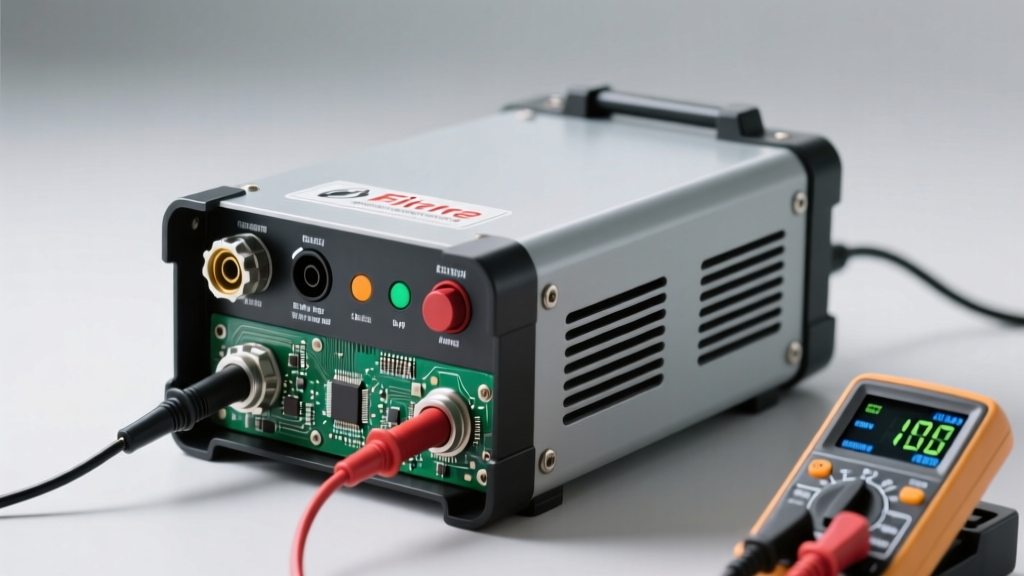
Types of Battery Terminal Press Tools
A battery terminal press tool is an essential piece of equipment for securely attaching terminals to battery cables, ensuring reliable electrical connections in vehicles, heavy machinery, and industrial systems. Proper crimping prevents loose connections, voltage drops, and potential safety hazards. Choosing the right tool depends on application frequency, cable size, portability needs, and precision requirements.
Manual Terminal Press Tools
Simple, hand-operated tools that use mechanical leverage to crimp terminals. Ideal for occasional use and field repairs.
Advantages
- Affordable and widely available
- No power source required
- Portable and lightweight
- Easy die change for different terminal sizes
- Excellent for small-scale or emergency repairs
Limitations
- Requires physical effort for repeated use
- Less consistent crimping pressure
- Not ideal for large cables or high-volume work
- Potential for operator fatigue
Best for: DIY mechanics, roadside repairs, low-frequency use, and environments without power access
Hydraulic Terminal Press Tools
Powerful tools that use hydraulic pressure to deliver precise, uniform crimps on large terminals and thick cables.
Advantages
- High crimping force for large cables (up to 500 MCM and beyond)
- Consistent, repeatable crimp quality
- Reduced operator effort and fatigue
- Ideal for professional and industrial applications
- Often includes safety pressure relief valves
Limitations
- Higher initial cost
- Bulkier and heavier than manual or electric models
- Requires maintenance of hydraulic fluid and seals
- Less portable in remote locations
Best for: Commercial garages, fleet maintenance, heavy-duty vehicles, and high-volume crimping operations
Electric Press Tools
Battery-powered or corded electric tools that automate the crimping process for faster, more efficient operation.
Advantages
- Fast, automated crimping cycles
- Consistent pressure with minimal operator input
- Highly portable (especially battery-powered models)
- Ideal for repetitive tasks and production environments
- Some models include digital force monitoring
Limitations
- Less force than hydraulic models
- Battery life limits continuous use
- Higher cost than manual tools
- May require calibration over time
Best for: Mobile technicians, production lines, and users needing speed and consistency without hydraulic complexity
Battery Terminal Removal Tools
Specialized tools designed to safely detach corroded or tightly fitted terminals from battery posts without damaging components.
Advantages
- Prevents damage to battery posts and cables
- Effective on heavily corroded terminals
- Some models combine removal with crimping or cleaning
- Reduces risk of acid spills or short circuits
- Essential for safe battery replacement and maintenance
Limitations
- Limited to removal function (unless multi-tool)
- May struggle with severely fused terminals
- Additional tool required for reconnection
Best for: Routine maintenance, battery replacement, and repair shops dealing with aged or corroded systems
| Type | Power Source | Force Level | Portability | Best Use Case |
|---|---|---|---|---|
| Manual Press | Hand-operated | Low to Medium | Excellent | Occasional use, field repairs |
| Hydraulic Press | Hydraulic pump | Very High | Fair | Heavy-duty, industrial crimping |
| Electric Press | Battery or AC power | Medium to High | Good | High-volume, consistent crimping |
| Removal Tools | Manual | N/A | Excellent | Battery maintenance and replacement |
Expert Tip: Always match the die size to your terminal and wire gauge to ensure a proper crimp. An improper crimp can lead to overheating, voltage drops, or terminal failure. For critical applications, consider using a calibrated press with a ratcheting mechanism to guarantee complete crimp cycles.
Important Features of Battery Terminal Press Tools
Battery terminal press tools are essential for creating secure, reliable electrical connections in automotive, marine, industrial, and renewable energy systems. A high-quality crimp ensures optimal conductivity, prevents overheating, and enhances the longevity of battery cables and terminals. Understanding the key features of these tools helps users select the right model for their specific needs—whether for occasional DIY repairs or professional-grade maintenance.
Core Features That Define Performance and Reliability
Ease of Use
One of the most important considerations when selecting a battery terminal press tool is how user-friendly it is. High-quality models allow for quick and tool-free removal or replacement of dies, enabling fast transitions between different terminal types. Simple mechanical adjustments—such as ratcheting mechanisms or tension dials—make setup intuitive, even for less experienced users.
Manual press tools require physical effort but offer excellent control and are ideal for low-volume work. In contrast, electric and hydraulic variants automate the crimping process, significantly reducing operator fatigue and ensuring consistent results with minimal input. Their ergonomic designs, often featuring non-slip grips and balanced weight distribution, further enhance usability during extended use.
Durability
Given the demanding environments in which they're used—such as auto shops, construction sites, or roadside repairs—battery terminal press tools must be built to last. Critical components like dies, handles, and frames are typically constructed from hardened steel or reinforced aluminum alloys that resist deformation under repeated pressure.
Many professional-grade tools feature corrosion-resistant coatings such as powder coating, zinc plating, or anodizing, which protect against rust, battery acid splashes, moisture, and exposure to extreme temperatures. This durability ensures reliable performance over years of service, even in harsh outdoor or industrial conditions.
Dies & Interchangeable Die Sets
The die set is the heart of any battery terminal press tool. These precision-machined components determine the shape, size, and quality of the crimp. Most tools come with standard die sets that accommodate common terminal sizes (e.g., #6, #8, #10 AWG), while advanced models offer modular systems compatible with a wide range of lug types—including ring terminals, spade connectors, and battery posts.
Some premium electric and hydraulic presses support multi-crimp dies, allowing a single stroke to compress multiple points on a terminal for superior electrical contact and mechanical strength. Compatibility with universal die standards (such as AMP or Duramax) increases versatility across brands and applications.
Precision and Consistency
A poorly crimped terminal can lead to voltage drops, overheating, or complete electrical failure—making precision a top priority. Hydraulic and electric presses deliver uniform pressure with every cycle, eliminating human error and ensuring repeatable, factory-level crimps.
Many advanced models include built-in pressure gauges or digital displays that monitor applied force in real time, allowing technicians to verify that crimps meet manufacturer specifications. Ratcheting mechanisms in manual tools also prevent incomplete crimps by locking the tool until full compression is achieved, enhancing safety and reliability.
Portability and Field Usability
For mobile technicians, field service crews, or emergency responders, portability is a critical factor. Manual crimping tools are inherently lightweight and require no external power source, making them ideal for on-the-go repairs under vehicle hoods, in engine compartments, or at remote job sites.
Modern innovations have expanded portability to powered tools: compact electric and mini hydraulic presses are now available with rechargeable battery packs, eliminating the need for cords or hydraulic pumps. These battery-operated units combine the power of stationary models with the convenience of handheld tools, offering unmatched flexibility for truckers, solar installers, and off-grid maintenance teams.
| Feature | Why It Matters | Best For |
|---|---|---|
| Ease of Use | Reduces training time and operator fatigue; enables faster job completion | DIY users, technicians, high-frequency use environments |
| Durability | Ensures long service life and resistance to environmental damage | Industrial settings, outdoor use, heavy-duty applications |
| Dies & Compatibility | Determines versatility across terminal types and wire gauges | Multifunctional shops, mixed-equipment fleets |
| Precision | Guarantees safe, low-resistance electrical connections | Critical systems (e.g., EVs, marine, medical equipment) |
| Portability | Enables use in confined spaces and remote locations | Field service, roadside assistance, mobile installations |
Important: Always match the die size and crimping force to the terminal and wire gauge being used. Using incorrect settings can result in loose connections, arcing, or fire hazards. Refer to manufacturer charts and industry standards (such as AWG and SAE) to ensure proper crimp specifications. Regular cleaning and lubrication of moving parts will extend tool life and maintain crimp accuracy.
Commercial Value of a Battery Terminal Press Tool
Battery terminal press tools have evolved from niche equipment to essential tools across multiple industries, offering significant commercial advantages through improved efficiency, reliability, and safety in electrical connections. These tools—available in manual, hydraulic, and electric models—ensure precise, high-integrity crimps that are critical for optimal conductivity and long-term performance. Their widespread adoption reflects a growing recognition of the cost savings and quality improvements they deliver across diverse professional environments.
Automotive Workshops
Professional automotive repair centers rely on battery terminal press tools to perform consistent, high-quality crimps on battery cables, terminals, and connectors. The use of hydraulic or electric presses ensures uniform pressure application, eliminating weak or inconsistent connections that can lead to starting issues, voltage drops, or premature component failure.
- Reduces rework and warranty claims by ensuring reliable, permanent connections
- Speeds up service time compared to traditional soldering or bolted methods
- Enhances customer satisfaction through durable repairs, encouraging repeat business
- Ideal for high-volume shops where efficiency and consistency are key
Key benefit: Long-term ROI through reduced labor costs and fewer comebacks
Manufacturing and Industrial Applications
In industrial manufacturing and heavy machinery production, secure electrical connections are vital for equipment safety and operational continuity. Battery terminal press tools provide standardized crimping for control panels, power distribution units, and motor systems, ensuring low-resistance joints that prevent energy loss and overheating.
- Supports compliance with electrical safety standards (e.g., UL, IEC)
- Minimizes downtime caused by faulty wiring or connection failures
- Integrates well into assembly lines with repeatable, traceable results
- Reduces risk of fire hazards due to loose or poorly connected terminals
Critical impact: Prevents costly product recalls and enhances brand reputation for quality
Field Service Technicians
Technicians working in utilities, mining, construction, and emergency response often operate in remote or harsh environments where quick, reliable repairs are essential. Portable battery terminal press tools enable them to create secure electrical connections on-site without requiring access to a full workshop.
- Compact, durable designs withstand rugged field conditions
- Enables rapid battery replacements or cable repairs in off-grid locations
- Reduces dependency on external support, increasing service autonomy
- Improves job completion rates and client confidence in field service quality
Operational advantage: Faster turnaround and increased mobility lead to higher productivity
Retail and Consumer Markets
The growing DIY automotive and electronics market has driven demand for user-friendly battery terminal press tools. Both hobbyists and small garage operators appreciate the ease, speed, and professionalism these tools bring to battery installation, upgrade, or repair tasks.
- Manual and mid-range electric models are affordable and easy to use at home
- Compatible with various terminal types (e.g., SAE, DIN, GM, top post)
- Empowers users to avoid costly shop visits for simple battery jobs
- Strong retail presence due to cross-application use in marine, RV, and solar systems
Market trend: Rising consumer interest in vehicle customization fuels sales of precision tools
Electrical Contractors
For electrical contractors working on residential, commercial, or industrial installations, battery terminal press tools streamline the process of terminating large-gauge wires and lugs. Whether installing backup power systems, solar arrays, or industrial controls, these tools ensure safe, code-compliant connections.
- Ensures NEC and OSHA compliance with secure, non-soldered terminations
- Significantly reduces installation time compared to mechanical lugs or set-screws
- Lowers long-term maintenance costs by preventing connection degradation
- Essential for high-current applications where poor contact could cause arcing or fire
Professional value: Enables contractors to deliver higher-quality work while scaling project capacity
Training and Educational Institutions
Vocational schools and technical training centers use battery terminal press tools to teach proper wiring and electrical safety practices. Hands-on experience with industry-standard tools prepares students for real-world careers in automotive, electrical, and industrial fields.
- Teaches precision, consistency, and adherence to best practices
- Supports curriculum in automotive technology and electrical trades
- Builds student confidence with professional-grade equipment
- Aligns training programs with current industry standards and employer expectations
Future-focused benefit: Invests in workforce development and industry readiness
Strategic Recommendation: Businesses should evaluate battery terminal press tools not just as tools, but as investments in quality, safety, and operational efficiency. Choosing models with interchangeable dies, ergonomic design, and durability ensures long-term usability across multiple applications. For distributors and retailers, bundling press tools with die kits, lubricants, or instructional guides can increase perceived value and boost sales.
| Sector | Primary Use Case | Tool Type Preferred | Key Commercial Benefit |
|---|---|---|---|
| Automotive Repair | Battery cable replacement and terminal repair | Hydraulic or electric press | Reduced comebacks and faster service |
| Industrial Manufacturing | Control panel and machinery wiring | Heavy-duty hydraulic press | Improved product reliability and safety |
| Field Service | On-site battery and cable repairs | Portable manual or hydraulic | Increased service reach and independence |
| Electrical Contracting | Lug crimping for power systems | Dual-power or electric press | Faster installations, fewer callbacks |
| Consumer/DIY | Home battery maintenance and upgrades | Manual or compact electric press | Cost savings and convenience |
Additional Value Drivers
- Tool Longevity: High-quality presses made from forged steel or aircraft-grade aluminum offer years of service with minimal maintenance
- Versatility: Interchangeable dies allow one tool to handle multiple terminal sizes and types, reducing equipment costs
- Safety Compliance: Properly crimped connections reduce risks of electrical fires, arcing, and system failures
- Brand Differentiation: Offering precision crimping services can set a business apart from competitors using outdated methods
- Sustainability: Durable crimps extend the life of batteries and cables, reducing waste and supporting green initiatives
How to Maintain a Battery Terminal Press Tool
A battery terminal press tool is a critical instrument used in automotive, marine, and industrial electrical systems to securely crimp terminals onto battery cables. Proper maintenance ensures consistent crimp quality, extends tool life, and enhances operator safety. Neglecting care can lead to inaccurate crimps, increased resistance, overheating, or even electrical failures. This comprehensive guide outlines the essential maintenance practices to keep your battery terminal press tool in optimal working condition.
Safety Note: Always disconnect power sources before servicing electric or hydraulic models. Wear protective gloves and safety glasses when cleaning or inspecting tools, especially if battery corrosion is present, as it can be caustic and harmful to skin and eyes.
Essential Maintenance Practices for Long-Lasting Performance
- Keep It Clean After Every Use
Residual dirt, grease, and corrosive battery acid can accumulate on the tool’s surface and dies, compromising performance and accuracy. After each use, wipe down the main body with a clean, damp cloth to remove grime. For the crimping dies, use a small brass or nylon brush—or a fine wire brush for stubborn deposits—to gently scrub away corrosion and debris. Avoid using water near electrical components or hydraulic systems. Regular cleaning prevents material buildup that could interfere with die alignment and crimp consistency.
- Lubricate Moving Parts Regularly
Tools with mechanical, electric, or hydraulic mechanisms rely on smooth-moving joints, hinges, and rams. Apply a light machine oil or manufacturer-recommended lubricant to pivot points, linkages, and sliding surfaces every few weeks—or more frequently in high-use environments. Over-lubrication can attract dust and form gummy residues, so use only a small amount. Proper lubrication reduces friction, prevents premature wear, and ensures consistent pressure application during crimps, resulting in clean, reliable connections.
- Inspect for Damage and Wear
Conduct a thorough visual and functional inspection before and after each use. Check for cracks, bends, or warping in the tool frame and handles. Examine crimping dies for chipping, pitting, or uneven wear—damaged dies can produce loose or deformed crimps that may fail under load. For electric models, inspect cords and connectors for fraying or exposed wires. In hydraulic presses, look for fluid leaks or spongy operation, which may indicate air in the system or seal failure. Address any issues immediately by repairing or replacing components to avoid unsafe operation or equipment damage.
- Store in a Dry, Protected Environment
Moisture and humidity are major contributors to rust and corrosion, especially on metal dies and moving parts. Store your press tool in a clean, dry toolbox or dedicated case—preferably one with foam inserts to prevent movement and impact damage. Avoid leaving tools in direct sunlight or extreme temperatures, as UV exposure and thermal cycling can degrade plastic components and seals. Proper storage not only prolongs tool life but also keeps it ready for immediate use without the need for extensive cleaning or calibration.
- Follow the Manufacturer’s Manual
The user manual provides model-specific guidance on maintenance intervals, lubrication points, compatible dies, and torque specifications. It may also include troubleshooting tips and safety warnings tailored to your tool. Adhering to these recommendations ensures optimal performance and helps maintain warranty coverage in case of defects or malfunctions. If the manual is lost, most manufacturers offer downloadable versions online—always refer to official documentation rather than generic advice when possible.
| Maintenance Task | Recommended Frequency | Tools/Supplies Needed | Potential Risks of Neglect |
|---|---|---|---|
| Cleaning Dies and Body | After every use | Nylon brush, damp cloth, brake cleaner (non-conductive) | Inaccurate crimps, contamination, corrosion buildup |
| Lubricating Joints and Mechanisms | Every 2–4 weeks (or per manual) | Light machine oil, lint-free rag | Increased friction, mechanical failure, inconsistent pressure |
| Visual Inspection for Damage | Before and after each use | Flashlight, magnifying glass (optional) | Safety hazards, poor crimp quality, equipment breakdown |
| Storage Preparation | After each use | Dry cloth, protective case, desiccant packs | Rust, impact damage, reduced lifespan |
| Review Manufacturer Guidelines | Annually or when issues arise | User manual, manufacturer website | Voided warranty, improper maintenance, misuse |
Pro Tip: Label your dies and organize them in a dedicated tray to prevent mix-ups. Using the wrong die for a terminal size can damage both the tool and the cable, leading to costly rework or safety issues. Consider applying a thin coat of corrosion inhibitor on metal dies during long-term storage.
Additional Best Practices
- Train all users on proper handling and maintenance procedures to ensure consistency across teams.
- Keep a maintenance log to track cleaning, lubrication, and inspections—especially in professional workshops.
- Replace worn dies promptly; they are precision components and cannot be resurfaced safely.
- Use only compatible terminals and cables specified for your tool to avoid overloading the mechanism.
- Periodically test crimp quality using a pull tester or micrometer to verify tool accuracy.
By following these maintenance steps, you’ll ensure your battery terminal press tool delivers reliable, high-quality crimps for years. A well-maintained tool not only improves efficiency but also contributes to safer electrical connections in critical applications. When in doubt, consult the manufacturer or a qualified technician—your investment in proper care will pay off in performance and longevity.
Frequently Asked Questions About Battery Terminal Press Tools
Q1: Which battery terminal press tool is the most suitable one?Choosing the right battery terminal press tool depends on your specific application, frequency of use, and the types of terminals you're working with. Here’s a breakdown to help guide your decision:
- Manual Hand Presses: Ideal for occasional or light-duty use, such as in home garages or small repair shops. They are cost-effective, require no power source, and are excellent for smaller gauge cables (e.g., 4 AWG to 2 AWG). However, they require more physical effort and are slower for high-volume jobs.
- Electric Press Tools: Best suited for technicians handling frequent crimps or larger cable sizes (e.g., 1/0 to 4/0 AWG). These tools offer consistent pressure, faster operation, and reduced user fatigue. They are commonly used in professional automotive or marine environments.
- Hydraulic Presses: Deliver the highest crimping force and are designed for heavy-duty industrial applications, such as commercial trucking, off-road vehicles, or large battery banks. They provide superior precision and reliability for thick cables and high-vibration environments.
Pro Tip: Match the tool to your workload. For DIY users, a manual press with interchangeable dies is often sufficient. For fleet maintenance or mobile service providers, investing in an electric or hydraulic model improves efficiency and long-term durability.
Q2: How often should the battery terminal press tool be replaced?Most battery terminal press tools are built to last for years with proper care, but their lifespan depends on usage frequency, maintenance, and environmental conditions. Here's what affects longevity:
- Manual Presses: Can last 5–10+ years with regular cleaning, lubrication, and storage in a dry place. The dies are the most likely component to wear out first and should be inspected periodically for deformation or cracking.
- Electric & Hydraulic Models: Typically have longer operational lives due to robust construction. However, internal components like motors, seals, or hydraulic pumps may degrade over time, especially under heavy use.
- Die Replacement: Dies should be replaced when they show signs of wear—such as inconsistent crimps, difficulty fitting terminals, or visible damage. Worn dies compromise electrical conductivity and can lead to connection failures.
Routine inspection after every 50–100 uses is recommended. Clean the jaws, check for loose parts, and store the tool properly to maximize its service life. With proactive maintenance, replacement is rarely needed unless the tool suffers physical damage or internal failure.
Q3: Is it necessary to have a hydraulic fluid replacement at some point?Yes, hydraulic fluid maintenance is crucial for electric and hydraulic press tools to ensure optimal performance and prevent internal damage. Over time, hydraulic fluid can degrade due to several factors:
- Moisture Absorption: Hydraulic fluid is hygroscopic—meaning it absorbs moisture from the air—which can lead to corrosion inside the cylinder and reduce efficiency.
- Contamination: Dust, dirt, or metal particles can enter the system during use or maintenance, causing abrasion and clogging valves or seals.
- Thermal Breakdown: Frequent or prolonged use generates heat, which can break down the fluid’s viscosity and lubricating properties.
Recommended Maintenance: Flush and replace the hydraulic fluid every 1–2 years, or after 500+ crimps, depending on usage. Always use the manufacturer-recommended fluid type (e.g., ISO 32 or AW-32 hydraulic oil) to avoid compatibility issues. Regular fluid changes extend the life of seals and pumps, reducing long-term repair costs.
Q4: Is it possible to use a battery terminal press tool outside?Yes, battery terminal press tools can be used outdoors, but certain precautions must be taken to protect both the tool and the quality of the crimp:
- Weather Protection: Avoid using the tool in rain, snow, or high humidity. Moisture can damage electrical components in electric models and cause rust in manual or hydraulic units.
- Dust & Debris: Work in a clean area whenever possible. Cover the tool when not in use to prevent dirt from entering moving parts or die slots.
- Temperature Extremes: Extremely cold temperatures can thicken hydraulic fluid, reducing efficiency. Very hot conditions may affect battery-powered tools or cause premature wear.
- Portability Advantage: Many modern tools—especially compact electric models—come with carrying cases and are designed for field use by mobile mechanics, emergency services, or off-grid technicians.
For best results, use a pop-up canopy or work under shelter when operating outdoors. After use, wipe down the tool, apply light lubrication to moving parts, and store it indoors to prevent corrosion and ensure long-term reliability.
Q5: Is the battery terminal press tool easy to move around?Portability varies significantly between tool types, but many models are designed with mobility in mind:
- Manual Presses: Lightweight and compact, these are the most portable options—often weighing less than 5 lbs. They require no cords or batteries, making them perfect for roadside repairs, camping setups, or small toolkits.
- Electric Presses: Slightly heavier due to motors and internal circuitry, but many feature ergonomic handles, compact housings, and included carrying cases. Cordless battery-powered versions offer maximum flexibility for mobile technicians.
- Hydraulic Units: Typically the heaviest, especially bench-mounted models. However, portable hydraulic kits with handheld presses and separate pump units are available for field use and are still easier to transport than full-sized industrial machines.
Best for Mobility: If you frequently work at different locations—such as in fleet maintenance, RV repair, or solar installation—opt for a lightweight manual or cordless electric model. These balance power, precision, and ease of transport without sacrificing performance.