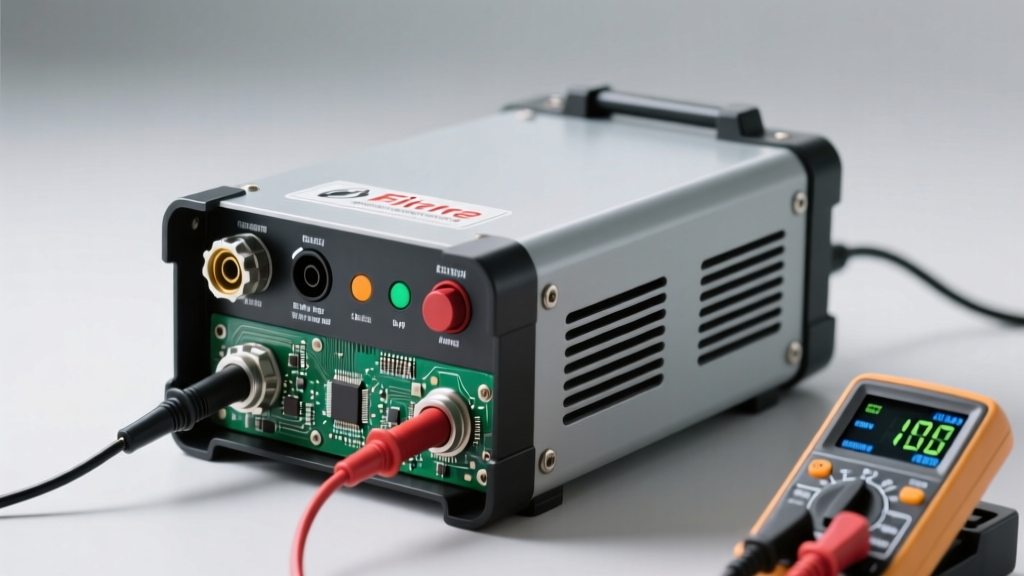
Types of Rechargeable Lithium-Ion Battery Packs
A rechargeable lithium-ion battery pack consists of one or more lithium-ion cells integrated with essential components such as protection circuits, voltage regulators, power connectors, and protective housing. These packs are engineered to store and deliver electrical energy efficiently across a wide range of applications—from portable electronics to electric vehicles and renewable energy storage systems.
Each type of lithium-ion battery chemistry is designed to meet specific performance requirements, balancing factors like energy density, power output, safety, cycle life, and cost. Choosing the right battery pack is crucial for optimizing device performance, longevity, and reliability.
Lithium Polymer (LiPo)
LiPo batteries use a polymer electrolyte instead of a liquid one, enabling flexible, ultra-thin, and lightweight designs that can be customized to fit compact or irregular spaces.
Advantages
- Extremely lightweight and compact
- High energy density (comparable or superior to standard Li-ion)
- Flexible form factors and custom shapes
- High discharge rates ideal for power-hungry devices
Limitations
- More sensitive to overcharging and physical damage
- Shorter lifespan compared to other lithium types
- Requires careful handling and charging protocols
- Higher cost per cycle over time
Best for: Drones, RC vehicles, smartphones, wearables, and portable gadgets where weight and space are critical
Lithium Nickel Manganese Cobalt (NMC)
NMC batteries combine nickel for high capacity, manganese for structural stability, and cobalt for enhanced energy density, offering a well-rounded balance of performance characteristics.
Advantages
- High energy density with good thermal stability
- Long cycle life and consistent performance
- Lower heat generation during charge/discharge cycles
- Excellent power-to-weight ratio
Limitations
- Higher cost due to cobalt content
- Performance degrades at extreme temperatures
- Cobalt sourcing raises ethical and environmental concerns
Best for: Electric vehicles (EVs), power tools, e-bikes, and grid-scale energy storage systems
Lithium Iron Phosphate (LiFePO₄)
A highly stable chemistry known for exceptional safety and long service life, LiFePO₄ is increasingly popular in industrial and stationary applications.
Advantages
- Outstanding thermal and chemical stability
- Very long cycle life (2,000–5,000+ cycles)
- Resistant to overcharging and thermal runaway
- Eco-friendly and non-toxic materials
Limitations
- Lower energy density than NMC or LiPo
- Heavier and bulkier for equivalent capacity
- Lower nominal voltage (3.2V per cell)
Best for: Solar energy storage, marine applications, backup power systems, and heavy-duty industrial equipment
Lithium Titanate (LTO)
LTO batteries replace the graphite anode with lithium titanate, enabling ultra-fast charging and exceptional durability under extreme conditions.
Advantages
- Extremely fast charging (minutes instead of hours)
- Exceptional cycle life (up to 20,000 cycles)
- Operates reliably in extreme temperatures (-40°C to +60°C)
- Superior safety and minimal degradation over time
Limitations
- Low energy density (larger size for same capacity)
- Significantly higher cost
- Lower voltage output per cell (2.4V)
Best for: Public transit (buses, trams), emergency systems, military applications, and fast-charge infrastructure
| Battery Type | Energy Density | Cycle Life | Safety | Best Applications |
|---|---|---|---|---|
| Lithium Polymer (LiPo) | High | 300–500 cycles | Moderate | Drones, RC models, mobile devices |
| NMC | Very High | 1,000–2,000 cycles | Good | EVs, e-bikes, power tools |
| LiFePO₄ | Moderate | 2,000–5,000+ cycles | Excellent | Solar storage, marine, industrial |
| Lithium Titanate (LTO) | Low | 10,000–20,000 cycles | Exceptional | Public transit, military, fast charging |
Expert Tip: Always use a battery management system (BMS) when integrating lithium-ion packs into custom applications. A BMS protects against overvoltage, undervoltage, overheating, and cell imbalance—critical for safety and maximizing battery lifespan.
The versatility of rechargeable lithium-ion battery packs makes them indispensable across modern technology sectors. From consumer electronics to electric transportation and renewable energy storage, each chemistry offers tailored benefits to meet specific operational demands. Understanding these differences ensures optimal selection for performance, safety, and cost-efficiency in any application.
Industrial Applications of Rechargeable Lithium-Ion Battery Packs
Rechargeable lithium-ion (Li-ion) battery packs have revolutionized industrial energy solutions due to their high energy density, long cycle life, low self-discharge rate, and declining production costs. These advanced batteries are now integral to a wide range of industrial applications, enabling cleaner, more efficient, and reliable operations across multiple sectors. Their ability to store and deliver power efficiently makes them ideal for both primary and backup power systems in demanding environments.
Key Advantages of Li-Ion Batteries in Industrial Use: High energy-to-weight ratio, rapid charging capability, minimal maintenance requirements, scalability, and compatibility with smart battery management systems (BMS) for enhanced safety and performance monitoring.
Energy Storage Systems (ESS)
Lithium-ion batteries are a cornerstone technology in modern Energy Storage Systems (ESS), particularly in utility-scale and commercial installations. They enable the capture and storage of electricity generated from intermittent renewable sources such as solar photovoltaic arrays and wind turbines. By storing excess energy during peak production periods—such as sunny afternoons or windy nights—Li-ion ESS units release power during periods of low generation or high demand, effectively balancing supply and load on the electrical grid.
This capability enhances grid stability, reduces reliance on fossil fuel-based peaker plants, and supports the integration of clean energy into national power infrastructures. Additionally, Li-ion ESS can provide ancillary services like frequency regulation, voltage support, and black-start capabilities, making them essential for modern smart grids.
- Grid Stabilization: Smooths out fluctuations in power supply and demand.
- Peak Shaving: Reduces electricity costs by discharging during high-rate periods.
- Renewable Integration: Enables higher penetration of solar and wind energy into the grid.
Electric Vehicles (EVs)
Rechargeable lithium-ion battery packs are the primary power source for electric vehicles (EVs), including passenger cars, buses, trucks, and industrial electric forklifts. These batteries provide the high energy density required for extended driving ranges and the power output necessary for acceleration and performance. Modern EV battery packs consist of hundreds of individual cells managed by sophisticated Battery Management Systems (BMS) that monitor temperature, voltage, and state of charge to ensure safety and longevity.
The advancement of Li-ion technology has directly contributed to the growing practicality of EVs, with many models now offering ranges exceeding 300 miles on a single charge. Fast-charging networks further enhance usability, allowing significant recharge in under 30 minutes. In industrial logistics, electric fleets powered by Li-ion batteries reduce operational emissions and noise pollution while lowering long-term maintenance costs compared to internal combustion engines.
Mobile Power Tools
In industrial and construction settings, cordless power tools such as drills, impact drivers, circular saws, and nail guns increasingly rely on lithium-ion battery packs. These batteries offer superior energy density compared to older nickel-cadmium (NiCd) or nickel-metal hydride (NiMH) technologies, allowing tools to operate longer on a single charge without sacrificing power or increasing weight.
Additionally, Li-ion batteries support rapid charging, enabling minimal downtime between uses. Their lack of memory effect means they can be recharged at any state of discharge without capacity degradation. Many manufacturers now use standardized battery platforms across tool lines, improving efficiency and reducing inventory needs for maintenance teams.
Uninterruptible Power Supplies (UPS)
Lithium-ion batteries are rapidly replacing traditional valve-regulated lead-acid (VRLA) batteries in Uninterruptible Power Supply (UPS) systems used in data centers, hospitals, manufacturing plants, and telecommunications facilities. During a power outage, Li-ion UPS systems provide immediate backup power to critical infrastructure, allowing time for safe shutdowns or seamless transition to generator power.
Compared to lead-acid alternatives, Li-ion UPS batteries offer longer lifespan (up to 10–15 years), higher energy density (reducing footprint by up to 60%), faster recharge times, and better thermal stability. Integrated BMS ensures real-time monitoring and predictive maintenance, enhancing system reliability and reducing total cost of ownership over time.
Telecommunications
In the telecommunications industry, lithium-ion battery packs serve as reliable backup power sources for cell towers, remote base stations, and network switching equipment. These installations often operate in off-grid or partially grid-dependent locations where power outages are frequent. Li-ion batteries ensure continuous network availability, maintaining voice, data, and emergency communication services during grid failures.
Their compact size and lightweight design make them ideal for deployment in elevated or hard-to-reach sites, such as rooftop installations or mountainous regions. Moreover, their ability to function efficiently across a wide temperature range and withstand deep discharge cycles enhances resilience in challenging environmental conditions.
Medical Devices
Critical medical devices—including portable infusion pumps, ventilators, defibrillators, ultrasound machines, and patient monitors—increasingly depend on rechargeable lithium-ion batteries for mobility and reliability. These batteries enable healthcare providers to deliver life-saving treatments in ambulances, field clinics, and home care settings without access to continuous AC power.
Li-ion batteries offer consistent voltage output throughout discharge, ensuring stable device performance. Their long cycle life and fast recharge capability support continuous operation in emergency scenarios. Stringent safety standards and fail-safe BMS designs minimize risks of overheating or failure, making them suitable for use in sensitive clinical environments.
Renewable Energy Systems (Solar/Wind)
Rechargeable lithium-ion batteries are a vital component of standalone and grid-tied renewable energy systems. In solar and wind installations, they store surplus energy generated during optimal conditions—such as bright sunlight or strong winds—for use during cloudy days, nighttime, or periods of low wind. This energy buffering capability transforms intermittent renewables into dependable power sources.
Li-ion batteries are particularly well-suited for off-grid homes, remote industrial sites, and microgrids where grid connectivity is unreliable or nonexistent. Their modular design allows scalability from small residential systems to large community-level storage solutions. When paired with solar charge controllers and inverters, Li-ion batteries form the backbone of sustainable, self-sufficient energy ecosystems.
| Application | Key Benefits | Typical Use Cases |
|---|---|---|
| Energy Storage Systems (ESS) | Grid balancing, peak shaving, renewable integration | Utility substations, commercial buildings, microgrids |
| Electric Vehicles (EVs) | Long range, fast charging, low emissions | Fleet vehicles, forklifts, public transit |
| Mobile Power Tools | High power, lightweight, no memory effect | Construction, manufacturing, field service |
| Uninterruptible Power Supplies (UPS) | Fast response, long life, compact size | Data centers, hospitals, industrial control systems |
| Telecommunications | Reliability, compactness, wide temperature range | Cell towers, remote base stations, emergency networks |
| Medical Devices | Mobility, stable output, long runtime | Portable diagnostics, emergency care, home health |
| Renewable Energy Systems | Energy time-shifting, off-grid capability, scalability | Solar farms, wind installations, rural electrification |
Note: As lithium-ion technology continues to evolve—with advancements in solid-state batteries, lithium iron phosphate (LiFePO₄), and recycling processes—its industrial applications are expected to expand further, driving innovation in sustainability, automation, and decentralized energy systems.
Product Specifications and Features of Rechargeable Lithium-Ion Battery Packs
Rechargeable lithium-ion (Li-ion) battery packs are among the most widely used energy storage solutions in modern technology, powering everything from portable electronics to electric vehicles and renewable energy systems. Their popularity stems from a combination of high performance, reliability, and compact design. Understanding their key specifications, installation requirements, and maintenance practices is essential for maximizing efficiency, safety, and lifespan.
Energy Density
Lithium-ion battery packs offer one of the highest energy densities among rechargeable battery technologies, typically ranging from 150 to 250 watt-hours per kilogram (Wh/kg). This means they can store substantial energy in a relatively small and lightweight package.
- Ideal for portable devices like smartphones, laptops, and drones where space and weight are critical
- Enables longer runtime in electric vehicles (EVs) without significantly increasing vehicle mass
- Supports compact energy storage in solar power systems and UPS backups
Technical Insight: High energy density contributes to improved efficiency and portability across consumer, industrial, and automotive applications.
Cycle Life
The cycle life of a lithium-ion battery refers to the number of complete charge and discharge cycles it can endure before its capacity drops to 80% of its original rating. Most Li-ion packs offer between 500 and 1,500 cycles, with premium models exceeding 2,000 cycles under optimal conditions.
- Well-suited for daily-use applications such as electric bikes, power tools, and home energy storage
- Longer cycle life reduces replacement frequency and total cost of ownership
- Advanced Battery Management Systems (BMS) help extend cycle life by preventing overuse and imbalance
Pro Tip: Partial charging (e.g., 20%-80%) instead of full cycles can significantly extend actual cycle life.
Self-Discharge Rate
Lithium-ion batteries exhibit a very low self-discharge rate—typically only 3% to 5% per month at room temperature—making them highly efficient for storage and intermittent use.
- Retains charge much longer than older battery types like NiMH or lead-acid
- Reduces the need for frequent recharging when devices are in standby mode
- Ensures reliable operation in emergency backup systems and infrequently used equipment
Note: Elevated temperatures can increase self-discharge; store batteries in cool, dry environments for best results.
Safety Features
Modern lithium-ion battery packs are engineered with multiple integrated safety mechanisms to prevent hazards such as thermal runaway, overcharging, and short circuits.
- Battery Management System (BMS): Monitors voltage, current, temperature, and cell balance in real time
- Thermal Runaway Protection: Includes thermal fuses and heat-dissipating materials to manage overheating
- Overcharge/Over-Discharge Protection: Automatically cuts off charging or discharging beyond safe thresholds
- Short-Circuit & Surge Protection: Built-in circuit breakers and current limiters enhance system safety
Critical Reminder: Always use certified components and follow manufacturer guidelines to maintain safety integrity.
How to Install Lithium-Ion Battery Packs
Proper installation is crucial for ensuring long-term performance, safety, and compliance with system requirements. Whether used in solar setups, EVs, or backup power systems, follow these best practices:
- Select a Suitable Location: Choose a clean, dry, and well-ventilated area away from direct sunlight, moisture, and extreme temperatures (ideally between 15°C and 25°C). Avoid placing near flammable materials.
- Secure the Battery Pack: Use mounting brackets or enclosures to prevent movement, vibration, or accidental impact. Secure placement minimizes mechanical stress and electrical connection issues.
- Connect to the Power Source: Use appropriately rated cables and connectors to link the battery to inverters, chargers, or loads. Ensure polarity is correct to avoid damage.
- Safety Precautions: Always disconnect power before making connections. Use insulated tools and wear protective gear. Verify that the BMS is active and communicating properly post-installation.
Expert Advice: For complex installations (e.g., solar + storage systems), consult a certified technician. Improper wiring or grounding can lead to system failure or fire hazards.
Usage and Maintenance Guidelines
To maximize the performance and lifespan of your lithium-ion battery pack, adopt regular maintenance habits and adhere to recommended usage practices:
- Regular Monitoring: Use monitoring tools or built-in displays to track state of charge (SoC), voltage levels, and internal temperature. Early detection of anomalies can prevent long-term damage.
- Avoid Deep Discharge: Never let the battery drop below 10–20% capacity regularly. Deep discharges strain the cells and accelerate degradation. Recharge promptly after use.
- Proper Charging: Use only compatible, manufacturer-recommended chargers. Avoid charging in extreme cold (<0°C) or heat (>45°C), as this can cause permanent capacity loss or swelling.
- Routine Inspection: Periodically inspect for physical damage, corrosion on terminals, loose connections, or signs of overheating. Address any issues immediately.
Maintenance Tip: For long-term storage, charge the battery to approximately 50% and store in a cool, dry place. Check charge level every 3–6 months and top up if needed.
| Specification | Typical Range | Application Examples | Lifespan Influence |
|---|---|---|---|
| Energy Density | 150–250 Wh/kg | EVs, laptops, power tools | Higher = longer runtime, lighter systems |
| Cycle Life | 500–1,500 cycles | Solar storage, e-bikes, UPS | More cycles = lower replacement cost |
| Self-Discharge Rate | 3–5% per month | Backup systems, emergency lights | Lower = better shelf life |
| Operating Temperature | 0°C to 45°C (charging) | All applications | Extreme temps reduce efficiency and life |
Additional Considerations for Optimal Performance
- State of Health (SoH): Monitor battery health over time using diagnostic tools; most BMS systems provide SoH estimates based on internal resistance and capacity fade.
- Cell Balancing: Ensures uniform charge distribution across cells, preventing weak links and extending overall pack life.
- Environmental Impact: Li-ion batteries are recyclable; dispose of responsibly through certified e-waste programs.
- Warranty & Support: Reputable manufacturers offer 3–10 year warranties, especially for stationary storage systems.
- Firmware Updates: Some advanced BMS systems support firmware upgrades for improved performance and safety protocols.
Quality and Safety Considerations for Rechargeable Lithium-Ion Battery Packs
Lithium-ion batteries power a vast range of modern devices—from smartphones and laptops to electric vehicles and energy storage systems. While highly efficient and energy-dense, these batteries require careful design, handling, and maintenance to ensure long-term safety and performance. This guide outlines critical quality and safety factors to consider when manufacturing, using, or maintaining lithium-ion battery packs, helping prevent hazards such as thermal runaway, fire, or explosion.
Safety Warning: Lithium-ion batteries can pose serious fire and explosion risks if mishandled, damaged, or improperly charged. Always follow manufacturer guidelines, use certified components, and avoid exposing batteries to extreme temperatures, physical impact, or moisture.
Battery Management System (BMS)
A Battery Management System (BMS) is a crucial electronic control unit integrated into every high-quality lithium-ion battery pack. The BMS continuously monitors and regulates key parameters such as cell voltage, current flow, temperature, state of charge (SoC), and state of health (SoH) during both charging and discharging cycles.
By actively balancing individual cells and preventing critical conditions, the BMS plays a vital role in safety and longevity. It protects against:
- Overcharging: Prevents voltage from exceeding safe limits, which could lead to electrolyte breakdown and gas generation.
- Over-discharging: Stops deep discharge that can damage cell chemistry and reduce capacity permanently.
- Overheating: Triggers shutdown or cooling mechanisms when temperatures rise beyond safe thresholds.
- Short circuits: Detects abnormal current surges and disconnects the circuit via built-in relays or fuses.
Advanced BMS units also support cell balancing, ensuring uniform charge distribution across series-connected cells, which maximizes efficiency and extends overall battery life.
Use of High-Quality Materials
The chemical and structural integrity of a lithium-ion battery begins with the quality of materials used in its construction. Substandard or contaminated materials can compromise electrochemical stability, leading to internal shorts, gas buildup, or thermal events.
Key materials and their roles include:
- Cathode materials: High-purity cobalt, nickel, manganese, or iron phosphate (e.g., NMC, LFP) are used for their electrochemical stability and energy density.
- Anode materials: Typically graphite or silicon-based composites that safely intercalate lithium ions.
- Electrolyte: A high-purity lithium salt (e.g., LiPF₆) in an organic solvent, carefully formulated to minimize flammability and decomposition.
- Separator: A microporous membrane that prevents direct contact between anode and cathode while allowing ion flow; must be thermally stable and resistant to puncture.
Manufacturers must source materials from reputable suppliers and conduct rigorous quality control testing to avoid impurities that could trigger dendrite formation or internal short circuits.
Regular Maintenance and Inspection
Like any complex electrochemical system, lithium-ion battery packs require regular inspection and maintenance to ensure continued safe operation. Early detection of issues can prevent catastrophic failures.
Recommended maintenance practices include:
- Periodically checking for physical damage, swelling, or leakage.
- Monitoring voltage levels and charge/discharge behavior for anomalies.
- Using diagnostic tools to assess BMS logs and cell balancing status.
- Cleaning terminals and connectors to prevent corrosion and resistance buildup.
- Updating firmware in smart battery systems to ensure optimal BMS performance.
For industrial or large-scale battery systems (e.g., EVs, solar storage), scheduled professional inspections are strongly advised to verify system integrity and compliance with safety standards.
Testing and Certification Standards
Rechargeable lithium-ion battery packs must undergo comprehensive safety and performance testing before market release. These tests simulate real-world stress conditions to evaluate resilience and failure modes.
Common safety tests include:
- Thermal runaway testing: Evaluates how a single failing cell affects neighboring cells.
- Overcharge and over-discharge tests: Assess protection circuit effectiveness.
- Short-circuit testing: Simulates internal or external short conditions.
- Crush and nail penetration tests: Test mechanical integrity under physical stress.
- Temperature cycling: Checks performance across extreme hot and cold environments.
- Vibration and shock testing: Ensures durability in mobile applications.
Always ensure that battery packs are certified by recognized international bodies such as:
- IEC 62133: Safety standards for portable sealed secondary cells.
- UL 1642: Standard for lithium battery safety in the United States.
- UN 38.3: Mandatory for air transport of lithium batteries.
- CE Marking: Indicates compliance with European health, safety, and environmental standards.
Using uncertified or counterfeit batteries significantly increases the risk of fire and should be avoided.
Proper Ventilation and Thermal Management
Heat is one of the primary enemies of lithium-ion battery safety. Excessive heat buildup can accelerate chemical degradation and trigger thermal runaway—a self-sustaining chain reaction that may result in fire or explosion.
To mitigate this risk:
- Ensure battery packs are installed in well-ventilated areas with adequate airflow.
- Avoid enclosing batteries in sealed or insulated compartments without heat dissipation provisions.
- Use passive (heat sinks, thermal pads) or active (fans, liquid cooling) thermal management systems in high-power applications.
- Monitor ambient temperature and avoid charging above 45°C (113°F).
In battery energy storage systems (BESS), proper spacing between modules and integration with fire suppression systems are essential for large-scale safety.
Prevention of Physical Damage
Physical integrity is critical to the safe operation of lithium-ion batteries. Even minor damage—such as dents, punctures, or deformation—can compromise internal layers, leading to internal short circuits.
To protect battery packs:
- Use robust, impact-resistant enclosures made from flame-retardant materials.
- Avoid dropping, crushing, or applying pressure to the battery.
- Keep batteries away from sharp objects or tools during handling and storage.
- Do not disassemble or modify battery packs, as this can expose sensitive components.
- Store batteries in protective cases when not in use.
Swelling or bulging of a battery pack is a clear sign of internal damage or gas buildup and indicates immediate removal from service.
| Safety Factor | Key Function | Risks if Neglected | Best Practices |
|---|---|---|---|
| Battery Management System (BMS) | Monitors voltage, current, temperature, and cell balance | Overcharging, thermal runaway, reduced lifespan | Use intelligent BMS with real-time diagnostics and fail-safes |
| High-Quality Materials | Ensures chemical and structural stability | Internal shorts, gas generation, fire hazard | Source from certified suppliers; avoid recycled or contaminated materials |
| Maintenance & Inspection | Early detection of faults | Undetected degradation leading to failure | Regular visual checks, performance logging, professional servicing |
| Testing & Certification | Validates safety under extreme conditions | Use of unsafe, non-compliant batteries | Require IEC, UL, UN 38.3, or CE certification |
| Ventilation & Cooling | Dissipates heat and prevents overheating | Thermal runaway, reduced efficiency | Ensure airflow, use thermal pads/fans, avoid hot environments |
| Physical Protection | Prevents internal damage and short circuits | Puncture-induced fires or explosions | Use protective casing, handle with care, avoid impacts |
Expert Tip: When replacing or upgrading a battery pack, always match the voltage, capacity, and chemistry specifications exactly. Mixing incompatible batteries or using off-brand replacements can bypass safety protections and create serious hazards.
Additional Safety Recommendations
- Store lithium-ion batteries at 40–60% charge if not in use for extended periods.
- Keep batteries away from water, moisture, and flammable materials.
- Never charge a damaged or swollen battery.
- Dispose of old batteries at designated recycling centers—do not incinerate or landfill.
- Use only chargers specifically designed for your battery type and model.
By adhering to these quality and safety principles, users and manufacturers alike can maximize the performance, lifespan, and safety of lithium-ion battery systems. As battery technology continues to evolve, staying informed about best practices and regulatory standards remains essential for minimizing risks and ensuring reliable operation in all applications.
Frequently Asked Questions About Rechargeable Lithium-Ion Battery Packs
Q1: What is a rechargeable lithium-ion battery pack used for?A1: Rechargeable lithium-ion battery packs are essential energy storage units designed to power a wide range of modern devices and systems. Their high energy density, lightweight design, and ability to be recharged hundreds of times make them ideal for various applications, including:
- Consumer Electronics: Smartphones, laptops, tablets, cameras, and wearable devices.
- Electric Vehicles (EVs): Powering electric cars, e-bikes, scooters, and buses, offering long driving ranges and efficient performance.
- Power Tools: Cordless drills, saws, and other heavy-duty tools benefit from the consistent power output and portability of Li-ion packs.
- Renewable Energy Storage: Storing solar or wind energy for use during non-productive hours, enabling off-grid living and energy independence.
- Medical Devices: Portable medical equipment such as defibrillators, infusion pumps, and monitoring systems rely on reliable battery performance.
- Backup Power Systems: Uninterruptible power supplies (UPS) and emergency lighting use Li-ion batteries for dependable backup during outages.
These versatile batteries have become the standard in modern technology due to their efficiency, scalability, and decreasing cost over time.
Q2: Is the rechargeable lithium-ion battery pack safe?A2: Yes, when properly designed, manufactured, used, and maintained, lithium-ion battery packs are considered safe and comply with rigorous international safety standards such as UL 1642, IEC 62133, and UN 38.3. However, safety depends on multiple factors:
- Quality Design: High-quality cells, protective circuitry (like Battery Management Systems), and proper thermal management reduce risks of overheating or short circuits.
- Safe Handling: Avoid puncturing, crushing, or exposing batteries to water and fire. Always use the correct charger specified by the manufacturer.
- Storage Conditions: Store in a cool, dry place away from direct sunlight and extreme temperatures to prevent degradation or instability.
- Regulatory Compliance: Reputable manufacturers follow strict testing protocols for overcharge, discharge, temperature extremes, and physical stress.
While rare, incidents like thermal runaway can occur due to defects, damage, or improper use. To ensure safety, always purchase certified batteries from trusted brands and replace any swollen or damaged units immediately.
Q3: How long does a rechargeable lithium-ion battery pack last?A3: The lifespan of a lithium-ion battery pack typically ranges from 3 to 5 years under normal operating conditions, which equates to approximately 500 to 1,500 full charge-discharge cycles, depending on usage and care. Key factors influencing longevity include:
- Charge Cycles: One cycle equals using 100% of the battery’s capacity (not necessarily in one go). For example, two 50% discharges equal one full cycle.
- Depth of Discharge (DoD): Regularly draining the battery to 0% shortens its life. Shallower discharges (e.g., 20%-80%) significantly extend cycle life.
- Temperature Exposure: High heat (above 35°C/95°F) accelerates chemical degradation, while very cold temperatures can temporarily reduce performance.
- Storage Charge Level: Long-term storage at full charge or complete discharge can damage the battery. Storing at around 40–60% charge is optimal.
After this period, the battery will still function but may hold significantly less charge—typically below 80% of its original capacity—indicating it's time for replacement or recycling.
Q4: How can one enhance the life of a rechargeable lithium-ion battery pack?A4: Extending the life of your lithium-ion battery pack involves adopting smart charging habits and environmental precautions. Here are best practices to maximize longevity and performance:
- Avoid Full Discharges: Try not to let the battery drop below 20%. Frequent deep discharges increase stress on the cells.
- Prevent Overcharging: Unplug devices once they reach 100%, especially overnight. Some modern devices include software-based charge limiting features (e.g., "Optimized Battery Charging" on iPhones).
- Use Partial Charging: Keeping the charge level between 20% and 80% reduces wear and can double or triple the number of effective cycles.
- Control Temperature: Keep batteries away from hot environments (like direct sun in a car) and avoid charging in freezing conditions.
- Use Original Chargers: Low-quality or incompatible chargers may deliver unstable voltage, damaging the battery over time.
- Power Down When Stored: If storing for weeks or months, power off the device and maintain a charge level of about 50%.
By following these guidelines, users can significantly delay capacity loss and get the most value from their battery investment while supporting sustainability through longer product life.