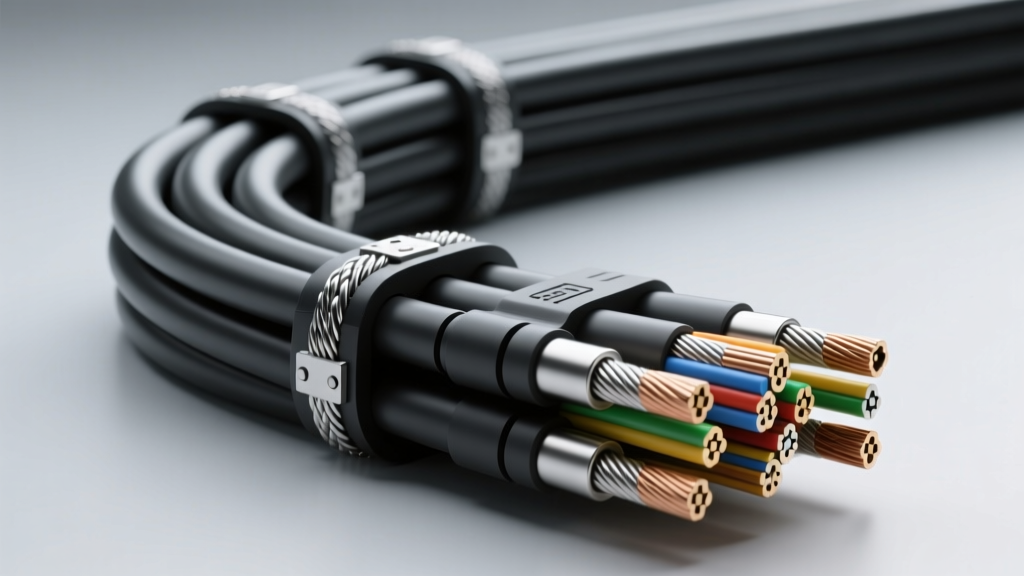
Types of Battery Converter Campers
A battery converter camper refers to a recreational vehicle (RV) designed for camping and outdoor adventures, equipped with a comprehensive power management system. This system typically includes a battery bank, inverter, charger, and DC-DC converter, enabling the use of household electrical appliances and devices while off-grid or without access to external power sources. These systems convert and manage energy from various inputs—such as shore power, solar, generators, or vehicle alternators—to ensure a reliable and continuous power supply. Battery converter campers come in several specialized types, each tailored to different travel styles, climates, and technological preferences.
Screens Integrated Converters
These converters feature built-in digital displays that provide real-time monitoring of battery charge levels, power input/output, and system diagnostics. Designed with user experience in mind, they enhance the visual and functional integration within the camper’s interior.
Advantages
- Real-time battery and power monitoring
- User-friendly interface for system control
- Centralized access to power data
- Helps prevent over-discharge and optimize usage
Limitations
- Higher cost due to advanced electronics
- Potential for screen failure in extreme conditions
- May require software updates or troubleshooting
Best for: Tech-savvy users, modern RVs, and those who prefer intuitive power management
HVAC Integrated Converters
These systems are specifically engineered to power heating, ventilation, and air conditioning (HVAC) units efficiently. They ensure stable energy delivery to climate control systems, even in extreme weather conditions.
Advantages
- Seamless integration with AC and heating systems
- Optimized power delivery for high-load appliances
- Improved comfort in varying climates
- Reduces strain on the main battery bank
Limitations
- High energy consumption requires large battery capacity
- More complex installation and wiring
- May require auxiliary power sources for extended use
Best for: Full-time RVers, extreme climate travelers, and luxury campers
Generator-Integrated Converters
These systems include or are paired with onboard generators that automatically start when battery levels are low. They provide a reliable backup power source, ensuring uninterrupted electricity during long off-grid trips.
Advantages
- Ensures continuous power supply
- Automatic charging when batteries are low
- Ideal for extended off-grid adventures
- Supports high-power appliances
Limitations
- Fuel dependency and associated costs
- Noise and emissions during operation
- Requires regular maintenance
Best for: Remote expeditions, winter camping, and heavy power users
Solar-Integrated Converters
These converters are designed to work with rooftop solar panels, efficiently managing solar energy to charge batteries. They include MPPT (Maximum Power Point Tracking) technology for optimal energy harvesting.
Advantages
- Eco-friendly and renewable energy source
- Reduces reliance on generators and shore power
- Low operating costs after initial setup
- Enables true off-grid independence
Limitations
- Weather-dependent energy generation
- Higher upfront investment
- Requires adequate roof space and sun exposure
Best for: Eco-conscious travelers, boondocking, and sunny climate adventurers
Mobile App & Cloud-Based Converters
These smart converters connect to mobile apps and cloud platforms, allowing remote monitoring and control via smartphones or tablets. Some systems offer predictive maintenance, usage analytics, and automatic firmware updates.
Advantages
- Remote access to system status and controls
- Real-time alerts for low battery or system faults
- Data-driven insights for energy optimization
- Future-proof with over-the-air updates
Limitations
- Dependent on cellular or Wi-Fi connectivity
- Potential cybersecurity concerns
- Higher complexity and cost
Best for: Digital nomads, smart RV owners, and those seeking advanced diagnostics and convenience
| Type | Best For | Energy Source | Key Benefit | Considerations |
|---|---|---|---|---|
| Screens Integrated | Tech-savvy users | Battery/DC Power | Real-time monitoring & control | Higher cost, screen reliability |
| HVAC Integrated | Climate control needs | Shore/Generator/Battery | Stable HVAC operation | High power draw, complex setup |
| Generator-Integrated | Remote travel | Fuel-powered generator | Uninterrupted power | Fuel cost, noise, maintenance |
| Solar-Integrated | Off-grid sustainability | Solar panels | Renewable, silent charging | Weather dependency, initial cost |
| Mobile App & Cloud | Smart monitoring | Multi-source with connectivity | Remote access & analytics | Connectivity needed, complexity |
Expert Tip: For maximum efficiency and reliability, consider combining solar-integrated converters with mobile app monitoring. This setup allows you to track solar charging performance in real time and receive alerts if system output drops, helping you maintain optimal battery health during extended off-grid trips.
Industrial Applications of Battery Converter Campers
Battery converter campers are transforming the way recreational vehicles (RVs) and mobile living units operate, merging innovation with sustainability. These systems integrate advanced power electronics—specifically inverters and converters—to manage, store, and distribute electrical energy efficiently. Originally designed for off-grid comfort, their applications have expanded into industrial, environmental, and emergency sectors due to their versatility and energy independence.
By converting and regulating power between different voltage forms (DC to AC, AC to DC, or DC to DC), battery converter campers support diverse energy needs—from propulsion to household appliances—making them essential in modern mobile infrastructure. Below are the key industrial and practical applications of this technology.
1. Hybrid Electric Vehicles (HEVs)
Hybrid electric vehicles combine a traditional internal combustion engine with an electric propulsion system powered by rechargeable batteries. A critical component in this setup is the inverter/converter system, which manages energy flow between the battery, motor, and engine.
The inverter converts DC power stored in the battery into AC power to drive the electric motor, while the converter adjusts voltage levels for auxiliary systems such as lighting, HVAC, and onboard electronics. This dual-power approach significantly improves fuel efficiency, reduces greenhouse gas emissions, and enhances overall vehicle performance—especially in stop-and-go driving conditions typical of urban or agricultural environments.
In industrial contexts, hybrid campers and RVs are increasingly used in eco-conscious tourism, park management, and remote site operations where reduced noise and emissions are priorities.
2. All-Electric Vehicles (EVs)
Fully electric RVs and camper vans rely entirely on high-capacity battery banks for all power needs, including propulsion, climate control, cooking, and entertainment systems. The inverter/converter system plays a central role in ensuring seamless operation by converting stored DC battery power into usable AC power for standard appliances.
Modern systems feature multi-stage conversion with high efficiency (often exceeding 90%), intelligent load management, and regenerative capabilities. For example, braking energy can be recaptured and stored, minimizing waste and extending range. These campers produce zero tailpipe emissions, making them ideal for environmentally sensitive areas such as national parks, wildlife reserves, and urban centers aiming for low-emission transportation.
Additionally, smart converters allow for dynamic voltage regulation, ensuring sensitive electronics like laptops, medical devices, and communication gear receive stable, clean power—critical in both recreational and professional mobile operations.
3. Grid-Connected Electric RVs and Campers (Vehicle-to-Grid Technology)
An emerging industrial application is the integration of electric campers into the power grid through Vehicle-to-Grid (V2G) technology. In this setup, the inverter/converter system enables bidirectional energy flow: charging the vehicle when electricity demand is low and feeding surplus power back into the grid during peak hours.
When parked and connected to a smart grid, these vehicles act as distributed energy storage units. This not only helps stabilize the electrical network but also allows owners to earn revenue or offset energy costs through demand-response programs. For example, a fleet of electric campers at a campground could collectively provide backup power during high-demand periods or emergencies.
This application is particularly valuable in microgrid installations, disaster relief zones, and renewable-heavy energy systems where energy storage and flexibility are crucial.
4. Emergency Power Supply and Disaster Relief
Battery converter campers serve as mobile emergency power stations during blackouts, natural disasters, or humanitarian crises. Equipped with robust battery banks and high-wattage inverters, they can power essential devices such as medical equipment, refrigeration units, communication systems, lighting, and water pumps.
Unlike traditional diesel generators, these systems operate silently and emit no pollutants—making them safer and more suitable for use in enclosed spaces or populated areas. Their portability allows rapid deployment to affected regions, and solar charging compatibility ensures prolonged operation without reliance on fuel supply chains.
Emergency response teams, field hospitals, and temporary shelters increasingly utilize converted campers as self-sustaining power hubs, enhancing resilience and operational continuity in crisis scenarios.
| Application | Key Components | Primary Benefits | Typical Use Cases |
|---|---|---|---|
| Hybrid Electric Vehicles | Battery pack, DC-DC converter, inverter, ICE engine | Fuel savings, lower emissions, extended range | Tourism fleets, rural transport, mobile offices |
| All-Electric RVs | Lithium-ion battery, pure sine wave inverter, solar charge controller | Zero emissions, quiet operation, low maintenance | Eco-camping, off-grid living, digital nomadism |
| Grid-Connected Systems (V2G) | Bidirectional inverter, smart meter, grid interface | Energy arbitrage, grid stabilization, cost offset | Smart cities, utility partnerships, renewable integration |
| Emergency Power Supply | High-capacity battery, inverter, solar input, transfer switch | Reliability, portability, clean energy | Disaster relief, field clinics, backup for critical loads |
Emerging Trends and Future Outlook
Important: When designing or upgrading a battery converter system for industrial or emergency use, always ensure compliance with local electrical codes, safety standards (e.g., UL, CE), and vehicle regulations. Use only certified components and professional installation to prevent fire hazards, system failure, or voided warranties. Proper thermal management, ventilation, and overcurrent protection are essential for safe long-term operation.
Product Specifications and Features of Battery Converter Campers
Battery converter campers are engineered for energy independence, allowing travelers to power essential appliances and electronics off-grid. These systems integrate advanced power management technologies to ensure reliable, efficient, and safe electricity supply in remote environments. Understanding the core specifications and features helps customers choose the right setup for their camping lifestyle, from weekend getaways to extended off-grid adventures.
Inverter/Converter/Battery System
The heart of a battery converter camper is its integrated power system, combining an inverter, converter, and deep-cycle battery to manage energy flow efficiently.
- Inverter Function: Converts stored DC (direct current) power from the battery into AC (alternating current) to run household appliances like microwaves, laptops, and coffee makers.
- Converter/Charger Function: Transforms AC power from shore power or a generator into DC to recharge the battery system when external power is available.
- Battery Storage: Stores energy for later use, enabling off-grid operation. The system automatically switches between power sources to maintain seamless operation.
Key Benefit: Complete energy self-sufficiency—operate appliances anytime, whether connected to shore power or parked in a remote location.
Depth of Discharge (DoD) & Battery Type
Battery converter campers rely on deep-cycle batteries designed for repeated charge and discharge cycles, unlike standard automotive batteries.
- Lithium-Ion Batteries: Offer 80–100% depth of discharge, longer lifespan (2,000+ cycles), lighter weight, and faster charging. Ideal for frequent or long-term off-grid use.
- Lead-Acid (AGM/Gel): More affordable but limited to 50% DoD to preserve longevity. Require more maintenance and are heavier, but remain popular for casual users.
- Real-World Impact: A 100Ah lithium battery can deliver ~80–100Ah usable energy, while a lead-acid battery of the same rating provides only ~50Ah.
Pro Tip: For extended dry camping, lithium batteries significantly reduce generator dependency and recharging frequency.
Power Output & Inverter Sizing
Selecting the right inverter size is crucial to avoid overloads and ensure smooth operation of multiple devices.
- Continuous Power: The sustained wattage an inverter can deliver (e.g., 2,000W). Must exceed the combined running wattage of all simultaneously used appliances.
- Peak/Surge Power: Short bursts (e.g., 3,000W) needed to start motors in fridges, air conditioners, or power tools.
- Common Configurations:
- 1,000W: Suitable for lights, fans, phone charging, and small electronics.
- 2,000–3,000W: Supports microwaves, coffee makers, and small AC units.
- 3,000W+: Required for full kitchen setups or running an air conditioner and microwave simultaneously.
Critical Note: Always calculate total appliance wattage and include a 20–30% safety margin when sizing inverters.
Efficiency & Energy Conservation
Efficiency determines how much battery power is actually delivered to your devices, minimizing waste and extending runtime.
- Modern inverters boast 85–95% efficiency, meaning only 5–15% of stored energy is lost during DC-to-AC conversion.
- High-efficiency models reduce heat generation and prolong battery life by minimizing unnecessary discharge cycles.
- Look for features like pure sine wave output, which ensures compatibility with sensitive electronics (laptops, medical devices) and reduces electrical noise.
- Smart energy management systems may include automatic shutdown, low-voltage alarms, and sleep modes to conserve power.
Energy Tip: A 90% efficient 2,000W inverter draws ~2,222W from the battery—every percentage point in efficiency gains more usable runtime.
Operating Conditions & Durability
Battery converter systems are built to withstand the rigors of travel and diverse climates.
- Temperature Tolerance: Quality systems operate reliably from -10°C to 50°C (14°F to 122°F), with thermal protection to prevent damage in extreme heat or cold.
- Vibration Resistance: Components are mounted securely to endure rough roads and off-road conditions.
- Moisture & Dust Protection: Look for IP-rated enclosures (e.g., IP65) to guard against humidity, splashes, and dust in outdoor environments.
- Cycle Life: Premium systems support 2,000–5,000 charge/discharge cycles, especially with lithium batteries, ensuring years of dependable service.
Field-Tested: Top-tier systems include surge protection, short-circuit prevention, and overheating safeguards for safe, worry-free operation.
Integration & Expandability
Modern battery converter campers support seamless integration with renewable energy and smart monitoring.
- Solar Ready: Most systems are compatible with solar charge controllers, allowing solar panels to recharge batteries during daylight.
- Expandable Batteries: Modular designs let users add extra battery banks for increased capacity.
- Digital Monitoring: Bluetooth or display panels show real-time data on voltage, current, state of charge, and estimated runtime.
- Remote Management: Some systems offer smartphone apps for monitoring and control, enhancing convenience and energy awareness.
Future-Proof: Choose systems with scalable architecture to adapt to evolving power needs without full replacement.
Expert Recommendation: For most campers, a 2,000W pure sine wave inverter paired with a 100Ah lithium battery offers the best balance of power, efficiency, and longevity. Pair it with a solar charging option for true off-grid freedom. Always verify compatibility with your camper’s electrical panel and consult a certified technician for installation to ensure safety and optimal performance.
| Feature | Typical Range | Best For | Considerations |
|---|---|---|---|
| Inverter Power (Continuous) | 1,000W – 3,000W+ | Light to full appliance use | Match to total appliance load; include surge capacity |
| Battery Type | Lithium-ion, AGM, Gel | Lithium: long trips; AGM: budget use | Lithium costs more but lasts 2–3x longer |
| Conversion Efficiency | 85% – 95% | All systems | Pure sine wave > modified sine wave for electronics |
| Depth of Discharge (DoD) | 50% (AGM) – 100% (Lithium) | Off-grid duration | Avoid deep discharges in lead-acid to extend life |
| Operating Temperature | -10°C to 50°C (14°F to 122°F) | All climates | Insulate batteries in extreme cold |
Additional Considerations
- Warranty & Support: Reputable brands offer 2–5 year warranties, reflecting confidence in durability and customer service.
- Noise Level: Pure sine wave inverters operate silently, unlike modified wave models that may produce a buzzing sound.
- Installation Ease: Plug-and-play kits simplify setup; professional installation recommended for hardwired systems.
- Fuse & Circuit Protection: Built-in fuses, breakers, and grounding ensure electrical safety and prevent fire hazards.
- Brand Reliability: Established manufacturers invest in R&D, compliance testing (UL, CE), and real-world validation.
Quality and Safety Considerations of Battery Converter Campers
When outfitting or operating a battery converter camper, ensuring high quality and robust safety standards is essential for both performance and occupant protection. These systems convert and manage power for off-grid living, making them central to the camper’s functionality. Below is a comprehensive breakdown of the key quality and safety features every camper owner should understand and prioritize.
Safety Warning: Electrical systems in campers involve high voltages and potentially hazardous materials. Always de-energize the system before inspection or maintenance, and consult certified professionals for installation and major repairs.
1. Emergency Cutoff Switch
The emergency shutdown switch is a critical safety component in any battery converter camper. It allows for the immediate disconnection of the entire power system during emergencies such as electrical faults, overheating, or fire risks.
- The switch must be easily accessible—ideally located near entry points or the main control panel.
- It should require only a single action (e.g., flip or pull) to deactivate all circuits.
- Regular testing ensures the switch remains functional and responsive when needed.
This feature protects both the electrical system and occupants by preventing overcurrent events, short circuits, or thermal runaway in lithium batteries.
2. Insulation and Environmental Protection
Battery converter systems are exposed to a wide range of environmental stressors, including extreme temperatures, moisture, dust, and vibration. High-quality insulation and protective enclosures are vital for long-term reliability.
- Enclosures should meet at least IP65 standards (dust-tight and protected against water jets) to resist outdoor elements.
- Thermal insulation helps maintain optimal operating temperatures, especially in freezing or desert conditions.
- Adequate ventilation and passive or active cooling systems (e.g., fans or heat sinks) prevent overheating during high-load operations.
Proper environmental protection ensures stable voltage output, extends component lifespan, and reduces the risk of system failure during travel or remote use.
3. Conformity with Regulatory Standards
Reputable battery converter campers must comply with national and international safety and emissions regulations. These standards ensure that equipment is designed, manufactured, and tested to minimize risks.
- Look for certifications such as UL (Underwriters Laboratories), CE (Conformité Européenne), or E-Mark for road vehicle compliance.
- In North America, compliance with NEC (National Electrical Code) Article 551 for recreational vehicles is essential.
- Emissions standards may apply to inverters and chargers that generate electromagnetic interference (EMI).
Adherence to these standards not only ensures legal operation but also guarantees that the system has undergone rigorous safety and performance testing.
4. Smoke Detectors
Given the presence of electrical systems and energy-dense batteries, fire detection is a non-negotiable safety feature in any camper.
- Install smoke detectors near sleeping areas, the kitchen, and the electrical compartment.
- Use dual-sensor alarms (photoelectric and ionization) for broader fire detection capability.
- Test monthly and replace batteries annually—or use hardwired models with battery backup.
Early smoke detection can prevent catastrophic fires, especially in confined spaces where flames can spread rapidly.
5. Electrical System Safety
A well-designed electrical system includes multiple layers of protection to prevent overloads, short circuits, and electric shocks.
- Fuses and circuit breakers must be correctly rated for each circuit and installed close to the power source.
- Ground fault circuit interrupters (GFCIs) should protect outlets in wet areas like kitchens and bathrooms.
- Proper wire gauge, secure connections, and conduit protection reduce the risk of arcing and fire.
Regular inspection of wiring and connections helps identify wear, corrosion, or loose terminals before they become hazards.
6. Proper Battery Handling and Storage
Batteries—especially lithium-ion or lead-acid types—contain hazardous materials and store significant energy. Safe handling practices are crucial during installation, maintenance, and disposal.
- Always wear insulated gloves and eye protection when working with batteries.
- Secure batteries in ventilated, non-conductive enclosures to prevent movement and gas accumulation.
- Follow manufacturer guidelines for charging, discharging, and temperature limits to avoid thermal runaway.
- Dispose of old batteries at certified recycling centers to prevent environmental contamination.
Improper handling can lead to acid leaks, explosions, or toxic fumes, particularly in enclosed spaces.
| Safety Feature | Purpose | Recommended Standard | Maintenance Tip |
|---|---|---|---|
| Emergency Cutoff Switch | Immediate power shutoff in emergencies | Clearly labeled, accessible location | Test monthly for functionality |
| Environmental Protection | Shield components from dust, moisture, and temperature extremes | IP65 or higher enclosure rating | Inspect seals and vents quarterly |
| Regulatory Compliance | Ensure legal and safe operation | UL 458, NEC 551, CE, E-Mark | Verify certification labels on equipment |
| Smoke Detectors | Early fire detection | Dual-sensor, interconnected alarms | Test monthly, replace every 10 years |
| Electrical Protection | Prevent overloads and short circuits | Fuses, breakers, GFCI outlets | Inspect wiring annually |
| Battery Safety | Prevent leaks, fires, and exposure | Ventilated, secured enclosures | Check terminals and mounts biannually |
Expert Tip: Create a safety checklist for your camper’s electrical system and review it before every trip. Include testing the emergency cutoff, verifying smoke detector function, inspecting battery connections, and confirming all protective covers are secure.
Final Recommendations
- Invest in high-quality, certified components—even if they cost more upfront.
- Schedule professional inspections of your electrical system at least once a year.
- Educate all travelers on how to use the emergency cutoff and respond to alarms.
- Keep a fire extinguisher rated for electrical fires (Class C) readily accessible.
- Document all maintenance and upgrades for future reference and resale value.
Prioritizing quality and safety in your battery converter camper not only enhances reliability but also ensures peace of mind during your adventures. A well-maintained system provides efficient power for years while minimizing risks to people and property.
Frequently Asked Questions About Battery and Inverter Systems in Campers
Q1: Which factors influence the size of the battery converter in a camper?Selecting the right inverter and battery system for your camper involves careful consideration of several interrelated factors. The goal is to ensure reliable power for all onboard appliances while maintaining efficiency and safety.
- Battery Capacity (Ah/kWh): Determined by your expected usage duration and the total energy consumption of your appliances. For example, running a refrigerator (50W), lights (20W), and a laptop (60W) for 8 hours requires roughly 1,040Wh (1.04kWh) of stored energy.
- Appliance Power Requirements: High-wattage devices like microwaves (800–1200W), air conditioners (1000–2000W), or induction cooktops (1500W+) demand a larger inverter (measured in watts) and a robust battery bank to handle peak loads.
- Inverter Size (Watts): Must exceed the total peak wattage of all devices you plan to run simultaneously. It’s wise to add a 20–30% buffer to prevent overloading.
- Usage Patterns: Weekend campers may need smaller systems, while full-time RVers require larger, more resilient setups with solar integration for off-grid sustainability.
In short, the ideal system balances energy storage (battery), power delivery (inverter), and consumption habits to ensure uninterrupted power without overspending or overloading.
Q2: Are there features of lithium batteries in campers that require special attention during use or maintenance?Lithium batteries—especially LiFePO₄ (Lithium Iron Phosphate)—are increasingly popular in RVs due to their efficiency and longevity, but they do require specific care to maximize performance and safety.
- Temperature Sensitivity: Operate best between 32°F (0°C) and 113°F (45°C). Charging below freezing can cause permanent damage; consider heaters or temperature-controlled chargers for cold climates.
- No Maintenance Required: Unlike lead-acid batteries, lithium units don’t need water topping or equalization charges, making them ideal for hassle-free use.
- Durability: Can endure 2,000–5,000 charge cycles (vs. 300–500 for lead-acid), significantly extending lifespan with proper use.
- Use of BMS: The built-in Battery Management System (BMS) protects against overcharging, deep discharging, short circuits, and thermal runaway. Never bypass or disable the BMS.
- Charge/Discharge Limits: Avoid discharging below 10–20% and charging above 100%. Storing at 50–80% charge when unused for long periods prolongs life.
With proper handling, lithium batteries offer superior performance, lighter weight, and longer life—making them a smart long-term investment for modern campers.
Q3: How do RV converters support eco-friendly energy use?Modern RV power systems are increasingly designed with sustainability in mind, reducing reliance on fossil fuels and minimizing environmental impact.
- Solar Power Integration: Solar panels convert sunlight into electricity, providing a clean, renewable energy source. A typical 400–600W solar array can maintain battery charge during daylight, enabling off-grid "boondocking" without generators.
- Energy Efficiency: Inverters and converters have improved efficiency (often 90–95%), reducing energy waste during DC-to-AC conversion.
- Grid-Tied Systems (for stationary RVs): Some setups allow feeding excess solar power back into the grid through net metering, supporting green energy infrastructure.
- Reduced Generator Use: Efficient battery systems minimize the need for noisy, polluting gas or diesel generators, lowering carbon emissions and noise pollution.
- Sustainable Materials: Many manufacturers now use recyclable components and non-toxic battery chemistries like LiFePO₄.
By combining solar, efficient power conversion, and smart energy management, RVs can become mobile models of sustainable living.
Q4: What measures can enhance the lifespan of a battery in a battery converter camper?Maximizing battery lifespan ensures better return on investment and reduces replacement costs and environmental waste. Key practices include:
- Temperature Control: Install batteries in insulated, ventilated compartments to avoid exposure to extreme heat or cold. High temperatures accelerate degradation; freezing can cause internal damage.
- Proper Charging: Use a compatible charger with correct voltage and current settings. Lithium batteries benefit from constant-current/constant-voltage (CC/CV) charging profiles.
- Battery Management System (BMS): Always use a functioning BMS to monitor cell balance, voltage, current, and temperature, preventing dangerous conditions.
- Avoid Deep Discharges: Keep state of charge (SoC) above 20% for lithium and 50% for lead-acid batteries. Frequent deep discharges shorten cycle life.
- Regular Monitoring: Use battery monitors (e.g., Victron BMV, Shunt-based systems) to track voltage, current, and capacity, enabling proactive maintenance.
- Storage Practices: If storing for months, charge to 50–80%, disconnect loads, and check every 3 months.
Following these guidelines can extend battery life by years, especially for high-cost lithium systems.
Q5: How are safety levels maintained in battery-powered campers and RVs?Safety is paramount in RV electrical systems, where high-capacity batteries and inverters pose risks if not properly managed. Multiple layers of protection are standard in well-designed setups.
| Safety Feature | Function | Importance |
|---|---|---|
| Smoke & CO Detectors | Alert occupants to fire or carbon monoxide from appliances or battery faults. | Essential for early hazard detection in enclosed spaces. |
| Battery Management System (BMS) | Prevents overcharge, over-discharge, short circuits, and overheating in lithium batteries. | Core protection for modern battery banks. |
| Circuit Breakers & Fuses | Interrupt current during overloads or short circuits to prevent wire damage or fire. | Required by electrical codes; protects wiring and devices. |
| Isolation Switches | Allow complete disconnection of battery power for maintenance or emergencies. | Enables safe servicing and reduces risk during accidents. |
| Proper Wiring & Insulation | Prevents arcing, short circuits, and heat buildup in high-current circuits. | Compliance with standards (e.g., NEC, RVIA) ensures reliability. |
| Ventilation (for lead-acid) | Prevents hydrogen gas accumulation during charging. | Critical to avoid explosion risks in sealed compartments. |
Additionally, adhering to manufacturer guidelines, using certified components, and having systems inspected by qualified technicians ensures long-term safety and compliance. Never modify high-voltage DC systems without proper training.