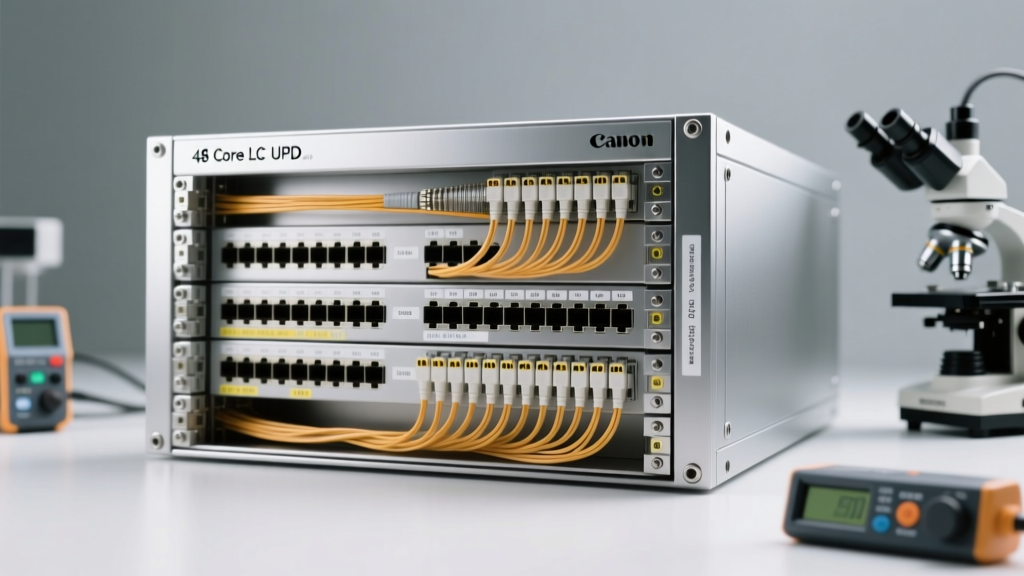
Types of Air-Purification Boards
An air-purification board is a critical component in modern indoor air quality systems, designed to remove contaminants, allergens, and pathogens from the air. These boards are used in both residential and commercial environments to promote healthier breathing conditions, reduce illness transmission, and improve overall comfort. Understanding the different types helps users select the most effective solution based on their specific air quality needs.
Basic Air-Purification Boards
These are the most common types of air purification boards, widely used in homes and small offices. They primarily feature HEPA (High-Efficiency Particulate Air) filters, which capture up to 99.97% of airborne particles as small as 0.3 microns.
Advantages
- Highly effective at capturing dust, pollen, pet dander, and smoke particles
- No ozone or byproducts produced
- Quiet and energy-efficient operation
- Ideal for allergy and asthma sufferers
Limitations
- Does not neutralize gases or odors
- Requires regular filter replacement
- Limited effectiveness against viruses and bacteria without additional tech
Best for: Residential spaces, bedrooms, offices, and environments with high particulate pollution
Active vs. Passive Air-Purification Boards
Active purification boards use energy-driven technologies—such as ionization, plasma wave, or UV-C light—to neutralize contaminants at a molecular level. Passive boards, in contrast, rely solely on mechanical filtration (like HEPA) without emitting energy into the air stream.
Advantages (Active)
- Kills bacteria, viruses, and mold spores
- Breaks down volatile organic compounds (VOCs)
- Continuous decontamination without filter saturation
Limitations (Passive)
- Passive systems only trap, not destroy, pathogens
- Active systems may produce trace ozone (check certifications)
- Higher energy consumption and maintenance needs
Best for: Hospitals, schools, gyms—any space requiring microbial control
Boards with Carbon Filters
These air-purification boards include activated carbon layers to adsorb gases, chemicals, and odors. Often combined with HEPA filters, they offer a dual-action approach to air cleaning.
Advantages
- Effectively removes cooking odors, pet smells, and smoke
- Reduces VOCs from paints, cleaning products, and furniture
- Improves air freshness and comfort
Limitations
- Carbon filters saturate over time and require replacement
- Less effective against particulates without HEPA pairing
- Bulkier design due to added filter media
Best for: Kitchens, basements, pet areas, and urban homes with high pollution exposure
UV-C and Germicidal Boards
These specialized boards integrate ultraviolet (UV-C) light technology to destroy the DNA of bacteria, viruses, and mold, rendering them harmless. UV-C is often used in conjunction with other filtration methods for comprehensive purification.
Advantages
- Proven germ-killing efficiency
- Reduces risk of airborne illness transmission
- Low maintenance (UV bulb replacement every 9–12 months)
Limitations
- Does not remove particles or odors
- UV-C must have sufficient exposure time to be effective
- Direct exposure to UV light can degrade nearby materials
Best for: Healthcare facilities, daycare centers, and high-traffic commercial environments
| Type | Pollutants Targeted | Key Technology | Maintenance Needs | Best Application |
|---|---|---|---|---|
| Basic (HEPA) | Dust, pollen, smoke, allergens | Mechanical filtration | Filter replacement every 6–12 months | Residential, allergy-sensitive environments |
| Active/Passive Hybrid | Bacteria, viruses, mold | Ionization, UV-C, plasma | UV bulb or plate cleaning every 6–12 months | Schools, offices, healthcare |
| Carbon-Enhanced | Odors, VOCs, fumes | Activated carbon adsorption | Carbon filter replacement every 3–6 months | Kitchens, garages, industrial areas |
| UV-C Germicidal | Microorganisms, pathogens | Ultraviolet light (254 nm wavelength) | Annual bulb replacement | Hospitals, labs, high-risk zones |
What Commercial Air Purification Boards Do
Commercial air-purification boards operate continuously to maintain clean, safe indoor air in high-occupancy environments. They are engineered for durability, scalability, and compliance with health regulations. These systems remove a broad spectrum of contaminants—including particulates, pathogens, and chemical vapors—ensuring optimal indoor air quality (IAQ). By reducing airborne illness transmission, minimizing allergens, and eliminating odors, commercial purification boards play a vital role in protecting employee health, enhancing customer experience, and meeting industry standards such as ASHRAE 62.1 and OSHA guidelines.
Expert Tip: For maximum effectiveness, combine HEPA filtration with UV-C and activated carbon in commercial settings. This multi-stage approach ensures comprehensive air purification by targeting particles, microbes, and gases simultaneously.
Specifications and Features of Air Purification Boards
Air purification boards are advanced components used in modern air purifiers and HVAC systems to improve indoor air quality. These integrated systems combine multiple filtration technologies to capture particulates, neutralize odors, and eliminate harmful microorganisms. Understanding their features, proper installation, and maintenance is essential for achieving optimal performance and long-term efficiency.
Key Features of Air Purification Boards
The effectiveness of an air purification board depends on the combination of technologies it employs. Below is a detailed breakdown of the most important features that enhance air cleaning performance.
HEPA Filter Technology
The core of most air purification boards is a High-Efficiency Particulate Air (HEPA) filter. True HEPA filters are capable of capturing 99.97% of airborne particles as small as 0.3 micrometers in diameter, including dust, pollen, mold spores, pet dander, and even certain bacteria and viruses.
These filters use a dense mat of randomly arranged fibers to trap particles through mechanisms like interception, impaction, and diffusion. For allergy sufferers and those in polluted environments, HEPA filtration is a critical component for maintaining healthy indoor air.
Activated Carbon Layer
Beyond particulate filtration, air purification boards often include an activated carbon layer to address gaseous pollutants. This porous material has a vast surface area that adsorbs volatile organic compounds (VOCs), smoke, cooking odors, chemical fumes, and other airborne gases.
Unlike HEPA filters, which focus on solids, carbon filters excel at improving air freshness and reducing exposure to harmful chemicals emitted from paints, cleaning products, and building materials. However, they become saturated over time and must be replaced regularly to remain effective.
UV-C Light Disinfection
Many advanced air purification boards incorporate ultraviolet (UV-C) lamps to provide germicidal action. UV-C light at a wavelength of 254 nm damages the DNA and RNA of bacteria, viruses, and mold spores, rendering them inactive and unable to reproduce.
This feature adds an extra layer of protection, especially in healthcare settings, schools, or homes with immunocompromised individuals. It’s important to note that UV-C only works on microorganisms that pass directly under the lamp and requires sufficient exposure time for maximum efficacy.
Plasma Generator or Ionizer
Some boards include a plasma generator or ionizer that releases negatively charged ions into the air. These ions attach to airborne particles like dust, smoke, and allergens, causing them to clump together and become heavier.
The resulting larger particles either fall out of the air or are more easily captured by the HEPA filter. While effective at reducing airborne particulates, some ionizers may produce small amounts of ozone, so it’s important to choose models that meet UL 2998 or CARB ozone safety standards.
| Feature | Function | Recommended Use Cases |
|---|---|---|
| HEPA Filter | Captures 99.97% of particles ≥0.3 µm | Allergy relief, asthma management, general air cleaning |
| Activated Carbon | Adsorbs gases, VOCs, and odors | Kitchens, smoking areas, industrial environments, new buildings |
| UV-C Light | Inactivates bacteria, viruses, and mold | Hospitals, schools, homes during flu season |
| Ionizer/Plasma | Charges particles for easier filtration | Dusty environments, smoke removal, supplemental cleaning |
Installation Guidelines for Air Purification Boards
Proper installation is crucial to ensure that air purification boards function efficiently and safely. These components are typically integrated into air purifiers, HVAC units, or duct systems, where they act as the primary filtration stage.
Maintenance & Repair of Air Purification Boards
Regular maintenance ensures long-term performance and extends the lifespan of both the board and the host system. Neglecting upkeep can lead to reduced efficiency, increased energy consumption, and potential damage to internal components.
Important: Always consult the manufacturer’s manual before installing, cleaning, or replacing any component of an air purification board. Using incorrect parts or improper procedures can void warranties, reduce efficiency, or create electrical hazards. Regular maintenance not only ensures clean air but also protects your investment in air quality technology.
Usages of Air Purification Boards: Enhancing Health, Safety, and Efficiency
Air purification boards are advanced filtration and treatment systems designed to actively clean and sanitize indoor air. These intelligent components integrate seamlessly into HVAC systems or standalone air purifiers, offering multi-stage protection against airborne contaminants. From homes to hospitals, their applications are broad and impactful, contributing significantly to healthier indoor environments, improved public health outcomes, and operational efficiency across various industries.
Indoor Air Quality Improvement
The primary function of air purification boards is to enhance indoor air quality (IAQ) by capturing and neutralizing a wide range of airborne pollutants. These include dust, particulate matter (PM2.5 and PM10), allergens, mold spores, and fine aerosols that circulate in enclosed spaces.
- Multi-stage filtration systems combine HEPA, electrostatic, and activated carbon layers for comprehensive contaminant removal
- Smart sensors detect pollution levels and automatically adjust purification intensity for optimal performance
- Continuous operation maintains consistent air quality, especially in tightly sealed modern buildings with limited natural ventilation
Key benefit: Creates a cleaner, fresher indoor atmosphere ideal for homes, offices, and educational institutions.
Health Benefits and Respiratory Protection
By removing harmful airborne particles, air purification boards play a vital role in supporting respiratory health and reducing the risk of illness. This is particularly important for vulnerable populations such as children, the elderly, and individuals with pre-existing conditions.
- Reduces asthma triggers by eliminating pollen, pet dander, and dust mites
- Lowers the risk of respiratory infections by filtering out airborne viruses and bacteria (e.g., influenza, rhinovirus)
- Supports allergy sufferers by significantly decreasing allergen concentration indoors
- Improves sleep quality and cognitive function through cleaner, oxygen-rich air
Medical insight: Studies show improved IAQ can reduce sick building syndrome symptoms by up to 40%.
Disinfection and Sterilization Capabilities
Advanced air purification boards incorporate UV-C light technology to provide germicidal action, effectively destroying the DNA of microorganisms and preventing their reproduction. This active sterilization process goes beyond filtration to ensure microbiological safety.
- UV-C modules eliminate up to 99.9% of airborne bacteria, viruses, and mold spores
- Critical in healthcare settings like hospitals, clinics, and laboratories to prevent cross-contamination
- Essential in food processing, pharmaceutical production, and cleanrooms where microbial control is mandatory
- Some systems use photocatalytic oxidation (PCO) with titanium dioxide to break down pathogens at the molecular level
Safety note: UV-C must be shielded to prevent human exposure; integrated safety cutoffs are standard in certified units.
Odor Elimination and VOC Reduction
Air purification boards equipped with activated carbon or chemisorption filters are highly effective at adsorbing volatile organic compounds (VOCs) and neutralizing persistent odors from various sources.
- Removes cigarette smoke, cooking fumes, pet odors, and chemical off-gassing from furniture and carpets
- Breaks down formaldehyde, benzene, and other harmful VOCs commonly found in household products
- Enhances comfort in hospitality environments such as hotels, restaurants, and spas
- Improves air freshness in vehicles, basements, and newly renovated spaces
Eco-friendly advantage: Reduces reliance on air fresheners that mask odors with synthetic fragrances.
Energy Efficiency and HVAC Optimization
By maintaining cleaner air pathways and reducing particulate buildup, air purification boards help HVAC systems operate more efficiently, leading to long-term energy savings.
- Keeps coils and ducts cleaner, improving heat transfer and airflow efficiency
- Reduces system strain and maintenance frequency, extending equipment lifespan
- Smart purification boards modulate power usage based on real-time air quality data
- Lowers energy consumption by up to 15–20% in well-maintained commercial buildings
Cost-saving insight: Improved HVAC efficiency translates to lower utility bills and reduced carbon footprint.
Applications in Specialized Environments
Air purification boards are indispensable in high-demand settings where air purity is non-negotiable. Their adaptability allows customization for industry-specific requirements.
- Healthcare: Prevents hospital-acquired infections (HAIs) and protects immunocompromised patients
- Hospitality: Enhances guest comfort and satisfaction with consistently fresh-smelling rooms
- Industrial: Controls fumes, solvents, and hazardous particulates in manufacturing and laboratories
- Education: Supports student concentration and reduces absenteeism due to illness in schools
- Residential: Ideal for homes with pets, smokers, or residents with allergies or asthma
Future-ready: Integration with smart home systems allows remote monitoring and control via mobile apps.
Professional Recommendation: When selecting air purification boards, prioritize units with multi-technology integration (e.g., HEPA + UV-C + activated carbon) for comprehensive protection. Ensure compatibility with existing HVAC infrastructure and verify certifications from organizations like AHAM, ENERGY STAR, or CADR for performance validation. For sensitive environments, consider models with real-time air quality displays and automatic adjustment features.
| Application Setting | Primary Function | Recommended Technology | Key Benefits |
|---|---|---|---|
| Homes & Apartments | Allergen and odor control | HEPA + Activated Carbon | Improved sleep, reduced allergy symptoms |
| Hospitals & Clinics | Pathogen elimination | UV-C + HEPA Filtration | Infection control, patient safety |
| Offices & Schools | General air quality | Multistage Filtration + Sensors | Enhanced focus, reduced absenteeism |
| Hotels & Restaurants | Odor and smoke removal | Activated Carbon + PCO | Improved guest experience, brand reputation |
| Industrial Facilities | VOC and fume reduction | Chemical Adsorption + High-CFM Fans | Regulatory compliance, worker safety |
Additional Considerations for Optimal Performance
- Maintenance Requirements: Regular filter replacement and UV lamp servicing ensure sustained effectiveness
- Noise Levels: Select low-decibel models for quiet environments like bedrooms and offices
- Certifications: Look for CARB compliance (for VOCs), UL safety ratings, and CE marks
- Scalability: Modular boards allow system expansion as needs grow
- Smart Features: Wi-Fi connectivity, app control, and air quality alerts enhance user experience
How to Choose Air Purification Boards: A Comprehensive Buyer’s Guide
Selecting the right air purification board is essential for maintaining healthy indoor air quality in homes, offices, and medical facilities. These advanced filtration systems are designed to remove harmful airborne particles and gases, but choosing the best one requires careful consideration of several key factors. This guide provides in-depth insights into the most important criteria—from contaminant types to long-term costs—helping you make an informed decision that aligns with your environment and budget.
Important Note: Air purification boards are not one-size-fits-all. The effectiveness of a board depends on proper selection, installation, and ongoing maintenance. Always match the board specifications to your specific air quality needs and system requirements.
The Type of Airborne Contaminants
Identifying the primary pollutants in your environment is the first step in selecting an effective air purification board. Different contaminants require different filtration technologies:
- Allergens (dust, pollen, pet dander): High-Efficiency Particulate Air (HEPA) filters capture 99.97% of particles as small as 0.3 microns.
- Bacteria and viruses: HEPA filters combined with UV-C light technology can trap and inactivate microorganisms.
- Volatile Organic Compounds (VOCs) and odors: Activated carbon filters absorb gases, smoke, and chemical fumes.
- Mold spores and fungi: A combination of HEPA and antimicrobial-treated filters helps prevent biological growth within the system.
Recommendation: For comprehensive air cleaning, choose a board that integrates both HEPA and activated carbon filters. This dual-filtration approach ensures removal of both particulate and gaseous pollutants.
The Area of Application
The environment where the air purification board will be used significantly influences the ideal features and performance level:
- Residential settings: Focus on quiet operation, energy efficiency, and removal of common household allergens and odors.
- Commercial spaces (offices, gyms, retail): Prioritize high airflow capacity, durability, and low maintenance to handle higher occupancy and continuous use.
- Healthcare facilities (clinics, hospitals, labs): Require advanced disinfection capabilities such as UV-C sterilization, antimicrobial coatings, and compliance with medical-grade air quality standards.
Boards designed for healthcare applications often include additional safety features like sealed housings and real-time air quality monitoring to prevent cross-contamination.
Airflow Rate and CADR Performance
The airflow rate—measured in cubic feet per minute (CFM) or Clean Air Delivery Rate (CADR)—determines how quickly the board can purify the air in a given space. A mismatch between airflow capacity and room size can result in inefficient filtration.
- Match the board’s airflow rating to the square footage of the area it will serve.
- For optimal performance, the air should be filtered at least 2–3 times per hour (air changes per hour).
- Higher CFM ratings are necessary for large rooms or areas with high pollutant loads (e.g., kitchens, workshops).
Ensure the board integrates seamlessly with your existing fan or blower system to maintain consistent airflow without creating pressure imbalances.
Compatibility with Existing Systems
Before purchasing, verify that the air purification board is compatible with your current air purifier, HVAC unit, or ductwork:
- Check physical dimensions and mounting requirements to ensure a proper fit.
- Confirm electrical specifications (voltage, amperage) match your system’s power supply.
- Verify filter size and configuration—many boards use standard-sized filters, but custom units may require proprietary replacements.
- Ensure control interfaces (wiring, sensors, smart connectivity) are compatible with your system’s control panel.
Improper fit or electrical mismatch can lead to reduced efficiency, system damage, or safety hazards.
Replacement and Long-Term Maintenance Costs
While initial purchase price is important, long-term ownership costs should not be overlooked:
- Evaluate the lifespan and replacement frequency of integrated filters (e.g., HEPA lasts 6–12 months; carbon filters 3–6 months).
- Consider the cost and availability of replacement components—some specialty boards use proprietary filters that are expensive or hard to source.
- Factor in labor costs if professional servicing is required for board replacement or recalibration.
- Boards with modular designs allow for individual component replacement, reducing long-term expenses.
Tip: Opt for boards with filter life indicators or smart alerts to avoid premature replacements and ensure timely maintenance.
Certifications and Performance Standards
Third-party certifications provide assurance that the air purification board meets industry-recognized performance and safety benchmarks:
- CADR (Clean Air Delivery Rate): Measures the volume of filtered air delivered by the unit for tobacco smoke, dust, and pollen.
- Energy Star: Indicates energy efficiency, helping reduce operational costs and environmental impact.
- HEPA Certification (e.g., H13 or H14): Confirms the filter meets international standards for particle capture efficiency.
- UL or ETL Listing: Ensures electrical safety and compliance with North American safety standards.
- AHAM Verified: Validates performance claims made by manufacturers.
Always request documentation or certification labels before purchase, especially for commercial or medical applications.
| Selection Factor | Key Considerations | Ideal Features | Recommended Use Cases |
|---|---|---|---|
| Type of Contaminants | Allergens, pathogens, VOCs, odors | HEPA + Activated Carbon + UV-C | Homes, hospitals, labs |
| Application Area | Room size, occupancy, usage frequency | Scalable airflow, noise control | Residential, office, industrial |
| Airflow Rate (CFM/CADR) | Room volume, air changes per hour | Adjustable fan speeds, high CADR | Large rooms, high-traffic areas |
| Compatibility | Physical fit, electrical specs, controls | Standard dimensions, plug-and-play design | HVAC retrofits, DIY installations |
| Maintenance Cost | Filter lifespan, replacement cost | Modular design, indicator alerts | Long-term installations |
| Certifications | Performance, safety, energy efficiency | CADR, Energy Star, HEPA, UL Listed | All applications, especially commercial |
Expert Tip: When upgrading an existing system, consider retrofit kits that allow integration of advanced purification boards without replacing the entire unit. This can save time and money while significantly improving air quality.
Final Recommendations
- Conduct an indoor air quality assessment before selecting a board to identify dominant pollutants.
- Choose a board with multi-stage filtration for comprehensive contaminant removal.
- Prioritize units with smart monitoring features like filter life indicators and air quality sensors.
- Keep a maintenance log to track filter replacements and system performance over time.
- Consult with an HVAC professional when integrating purification boards into central systems.
Investing in the right air purification board enhances comfort, protects health, and improves the longevity of your air handling equipment. By carefully evaluating your needs and considering all technical and financial factors, you can select a solution that delivers clean, safe air for years to come.
Frequently Asked Questions About Air Purification Systems
Q1: Is it very important to purify the air indoors?Yes, indoor air purification is critically important for health and well-being. According to the Environmental Protection Agency (EPA), indoor air can be up to five times more polluted than outdoor air due to limited ventilation and the accumulation of contaminants such as dust, pet dander, mold spores, volatile organic compounds (VOCs), and allergens.
- Health Benefits: Clean indoor air reduces the risk of respiratory issues like asthma, allergies, and bronchitis, especially in children and the elderly.
- Improved Comfort: Proper air purification helps eliminate airborne particles that cause irritation to the eyes, nose, and throat, enhancing overall comfort.
- Productivity & Sleep: Studies show that cleaner air improves concentration, cognitive function, and sleep quality by reducing nighttime allergens and pollutants.
Given that most people spend over 90% of their time indoors, maintaining high indoor air quality through effective purification systems is essential for long-term health.
Q2: How does one know which air purification system is ideal to buy?Selecting the right air purification system depends on several key factors tailored to your environment and needs. Making an informed decision ensures optimal performance and value.
- Type of Pollutants: Identify the primary contaminants in your space—such as smoke, pet dander, pollen, or VOCs—to choose a system with the appropriate filtration technology (e.g., HEPA for particles, activated carbon for gases).
- Room Size: Match the purifier’s Clean Air Delivery Rate (CADR) and recommended room size to the area where it will be used. An undersized unit won’t effectively clean the air.
- Filtration Technology:
- HEPA Filters: Capture 99.97% of particles as small as 0.3 microns.
- Activated Carbon: Absorbs odors and chemical fumes.
- UV-C Light: Destroys bacteria, viruses, and mold spores.
- Ionizers & PCO: May produce ozone; choose CARB-certified models if used.
- Certifications: Look for trusted certifications like AHAM Verified, Energy Star (for efficiency), and CARB compliance (for ozone safety) to ensure quality and reliability.
- Noise Level & Maintenance: Consider units with quiet operation for bedrooms and check filter replacement costs and availability.
By evaluating these aspects, you can select an air purification system that effectively meets your household or workspace requirements.
Q3: What is the average lifespan of an air purification board or filter?The lifespan of an air purification board or filter varies significantly based on its type, usage, and environmental conditions. Understanding these differences helps optimize performance and maintenance schedules.
| Filter Type | Average Lifespan | Key Influencing Factors |
|---|---|---|
| Basic Mechanical Filters | 6–12 months | Low-cost models with minimal filtration; degrade faster in dusty environments. |
| HEPA + UV-C Combination Boards | 18–24 months | Durable design with multi-stage filtration; UV lamps may need replacement before the full unit. |
| Activated Carbon Filters | 3–6 months (pre-filters), up to 1 year (integrated) | Saturate quickly with odors and chemicals; effectiveness diminishes over time. |
| Smart or IoT-Enabled Units | 2+ years (with regular maintenance) | Include sensors that alert when filter replacement is needed; extend longevity through usage tracking. |
Additional factors affecting lifespan include daily runtime, air pollution levels, humidity, and whether the unit operates in high-traffic or pet-inhabited areas. Regular cleaning of pre-filters and following manufacturer guidelines can extend the life of the main purification board.
Q4: Do air purification boards/filters need to be replaced regularly?Yes, regular replacement of air purification filters and boards is essential to maintain optimal performance and indoor air quality. Over time, filters become clogged with trapped particles, reducing airflow and filtration efficiency.
- Performance Decline: A saturated filter cannot capture new pollutants, allowing allergens and microbes to recirculate in the air.
- Increased Energy Use: The fan must work harder to push air through a blocked filter, raising energy consumption and potentially shortening the unit’s lifespan.
- Odor & Mold Growth: Trapped organic matter in dirty filters can breed bacteria and mold, leading to unpleasant smells and secondary contamination.
- Manufacturer Warranty: Failure to replace filters as recommended may void the warranty on some advanced systems.
Most manufacturers provide indicator lights or mobile app alerts to signal when replacement is due. Adhering to a consistent maintenance schedule ensures your air purifier continues to deliver clean, healthy air efficiently and safely.
Q5: Do air purification boards help eliminate odors?Yes, many air purification systems are specifically designed to neutralize unpleasant odors, particularly those equipped with activated carbon filters or other gas-phase filtration technologies.
- Activated Carbon Filters: These contain highly porous charcoal that adsorbs volatile organic compounds (VOCs), cooking smells, pet odors, tobacco smoke, and chemical fumes at a molecular level.
- Enhanced Carbon Blends: Some advanced units use carbon infused with potassium iodide or zeolite to target specific gases like formaldehyde or ammonia.
- Combination Systems: Units pairing HEPA, carbon, and UV-C light offer comprehensive purification—removing both particulate matter and gaseous pollutants responsible for bad smells.
- Ozone-Free Options: While some ionizers eliminate odors using ozone (a lung irritant), certified carbon-based systems do so safely without producing harmful byproducts.
For best results in odor control, ensure the purifier has a sufficiently large carbon filter and is appropriately sized for the room. Regular replacement of the carbon filter is crucial, as once saturated, it loses its ability to absorb odors.