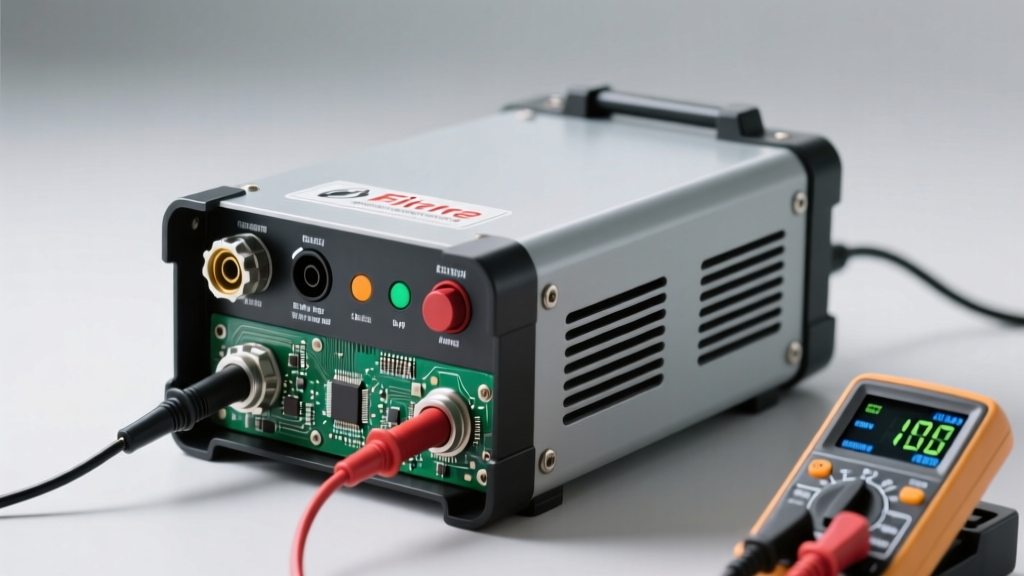
Types of 10-Pin Bulkhead Connectors
A 10-pin bulkhead connector is a robust electrical interface designed to pass signals and power through a panel or enclosure wall (bulkhead), commonly used in industrial, automotive, aerospace, and telecommunications systems. These connectors ensure secure, reliable connections in demanding environments. Below are the most common types, each engineered for specific performance requirements and application needs.
Unshielded 10-Pin
Ideal for general-purpose signal transmission with an emphasis on simplicity and ease of use.
Advantages
- Lightweight and easy to install
- Cost-effective for standard applications
- High contact density in compact form
- Quick mating and servicing design
Limitations
- No protection against EMI/RFI
- Not suitable for high-noise environments
- Less secure in vibration-prone settings
Best for: Basic control systems, low-interference environments, internal wiring
Shielded 10-Pin
Engineered with a metallic shell to protect signal integrity in electrically noisy environments.
Advantages
- Superior EMI and RFI shielding
- Ensures clean signal transmission
- Essential for sensitive electronics
- Used in medical, military, and comms systems
Limitations
- Heavier and more complex
- Higher cost than unshielded versions
- Requires proper grounding for full effectiveness
Best for: Communications, medical devices, industrial automation with high noise
Reverse Gender
Features reversed mating polarity to prevent incorrect connections and support specialized configurations.
Advantages
- Prevents mis-mating and wiring errors
- Supports non-standard interconnection schemes
- Critical for fail-safe system design
- Reduces risk of short circuits or damage
Limitations
- Limited interchangeability
- Less commonly available
- Requires careful system planning
Best for: Military, aerospace, defense systems, and high-reliability applications
Hybrid 10-Pin
Combines power, signal, and sometimes coaxial lines in a single, space-saving connector.
Advantages
- Integrates multiple signal types
- Saves space and reduces cable clutter
- Lowers system complexity and cost
- Ideal for compact electronic devices
Limitations
- More complex pinout design
- Potential for cross-talk if not isolated
- Higher engineering requirements
Best for: Robotics, cameras, medical equipment, multi-function devices
High-Density 10-Pin
Optimized for maximum signal throughput in minimal space with advanced sealing and locking.
Advantages
- Maximizes contact count in small footprint
- Supports blind-mate applications
- Excellent environmental sealing (IP-rated)
- Secure locking mechanisms for reliability
Limitations
- More difficult to terminate and service
- Sensitive to misalignment during mating
- Premium pricing due to precision engineering
Best for: Aerospace, defense, compact industrial controls, high-reliability systems
| Type | EMI Protection | Signal Flexibility | Space Efficiency | Best Application |
|---|---|---|---|---|
| Unshielded | None | Standard | Good | General-purpose control systems |
| Shielded | Excellent | High | Good | Noisy environments, sensitive electronics |
| Reverse Gender | Varies | Specialized | Fair | Military, aerospace, fail-safe systems |
| Hybrid | Moderate (depends on design) | Very High | Excellent | Multi-signal devices, compact systems |
| High-Density | Good to Excellent | High | Exceptional | Space-constrained, high-reliability systems |
Expert Tip: When selecting a 10-pin bulkhead connector, always consider the operating environment—especially exposure to electromagnetic interference, vibration, moisture, and temperature extremes. For critical applications, opt for shielded or high-density variants with IP67 or higher sealing ratings to ensure long-term reliability.
Function, Features, and Design of 10-Pin Bulkhead Connectors
10-pin bulkhead connectors are essential components in modern electronic and industrial systems, serving as reliable interface points between internal circuitry and external devices. Designed to pass through panels or enclosure walls, these connectors enable secure, durable, and environmentally protected signal and power transmission. Their widespread use across critical industries underscores their importance in maintaining system integrity, ease of maintenance, and operational flexibility.
Core Functionality
A 10-pin bulkhead connector is engineered to facilitate the passage of multi-conductor cables through a barrier such as a metal panel, chassis, or equipment enclosure. This allows for modular system design, where subsystems can be connected or disconnected without permanent wiring. By providing a standardized, sealed entry point, these connectors support:
- Modular Connectivity: Enables quick assembly, disassembly, and replacement of components—ideal for field service and upgrades.
- Barrier Penetration: Securely routes signals and power through walls of enclosures while maintaining structural and environmental integrity.
- Interoperability: Facilitates integration between different electronic systems, such as control units, sensors, and communication modules, without requiring hardwired connections.
This functionality is particularly valuable in applications where equipment must be frequently serviced, reconfigured, or deployed in harsh environments.
Key Features and Benefits
Environmental Sealing
Most 10-pin bulkhead connectors incorporate precision gaskets, O-rings, or molded seals made from silicone or rubber compounds. These provide IP67 or higher protection ratings, shielding internal circuits from dust, moisture, and water ingress. This makes them ideal for outdoor, marine, and military applications where exposure to rain, humidity, salt spray, or extreme temperatures is common.
The sealed design ensures long-term reliability and prevents corrosion or short circuits, even under prolonged environmental stress.
Compact Design with High Pin Density
Despite accommodating ten individual contacts, these connectors are designed for space efficiency. The high pin density allows multiple signal or power lines to be routed through a minimal panel footprint—critical in compact electronics such as medical devices, avionics, and robotics.
Their small form factor supports miniaturization trends in modern engineering without sacrificing connectivity or performance.
Durability and Robustness
Constructed with rugged metal housings—often aluminum or stainless steel—10-pin bulkhead connectors resist mechanical shock, vibration, and repeated mating cycles. The materials are typically anodized or plated to enhance corrosion resistance.
This durability ensures consistent electrical performance in demanding industrial, aerospace, and defense applications where equipment failure is not an option.
Versatile Applications
Thanks to configurable pin layouts, sealing options, and termination methods (solder, crimp, or PCB mount), these connectors are highly adaptable. They are widely used across diverse sectors including:
- Telecommunications: For connecting external antennas or data lines.
- Aerospace & Defense: In cockpit instruments and radar systems.
- Medical Devices: Where sterile, sealed connections are required.
- Industrial Automation: Linking sensors, actuators, and control panels.
Design Characteristics and Engineering Considerations
The design of a 10-pin bulkhead connector integrates mechanical, electrical, and environmental performance into a single robust unit. Key design elements include:
- Mounting Flexibility: Designed for through-hole panel mounting with compatibility across various panel thicknesses (typically 1–6 mm), secured using hex nuts or flange mounts.
- Contact Termination: Available with solder or crimp contacts, allowing customization based on production needs and field serviceability.
- Material Selection: Metal housings (e.g., brass, aluminum, or stainless steel) provide EMI shielding and mechanical strength. Insulating inserts are made from high-performance thermoplastics like PBT or nylon, ensuring dielectric isolation between pins.
- Sealing Materials: Silicone or EPDM rubber seals offer excellent temperature resilience (-40°C to +125°C) and long-term elasticity.
- Locking Mechanisms: Equipped with threaded couplings, bayonet locks, or snap-fit designs to prevent accidental disconnection due to vibration or movement.
- Polarization: Keyed shells or offset pin patterns ensure correct orientation during mating, preventing reverse insertion and potential damage to circuits.
- Pin Spacing: Optimized for high-density layouts while maintaining safe creepage and clearance distances to avoid cross-talk or arcing.
| Design Feature | Typical Specification | Application Benefit |
|---|---|---|
| Pin Count | 10 (configurable) | Supports multiple signals/power lines in one connector |
| Sealing Rating | IP67 or IP68 | Water and dust resistant for outdoor/harsh use |
| Housing Material | Anodized aluminum, stainless steel | Durable, corrosion-resistant, EMI shielding |
| Operating Temperature | -40°C to +125°C | Suitable for extreme environments |
| Locking Type | Threaded, bayonet, or push-pull | Secure connection under vibration |
Important: Always verify compatibility between mating connectors, including pin configuration, gender, sealing rating, and voltage/current specifications. Using mismatched or non-standard parts can lead to signal loss, short circuits, or environmental breaches. Follow manufacturer guidelines for installation torque, cable strain relief, and inspection intervals to ensure optimal performance and safety.
Scenarios of 10-Pin Bulkhead Connectors: Applications and Performance
10-pin bulkhead connectors are essential components in a wide range of high-performance industries due to their ability to provide secure, sealed, and reliable electrical connections through barriers such as panels, walls, or enclosures. Designed for durability and precision, these connectors support signal and power transmission in environments where failure is not an option. Their compact size, robust sealing (often IP67 or higher), and resistance to vibration, moisture, and temperature extremes make them ideal for mission-critical applications.
Aerospace Applications
10-pin bulkhead connectors play a vital role in aerospace systems, where they are used to bridge electrical connections across pressurized and temperature-variable zones in aircraft, satellites, and spacecraft. These connectors must meet stringent standards for reliability, weight efficiency, and EMI shielding.
- Commonly used in avionics for flight control systems, navigation units, and communication modules
- Constructed from lightweight, corrosion-resistant materials like aluminum alloys or stainless steel
- Sealed to prevent moisture ingress and maintain integrity at high altitudes and rapid pressure changes
- Often feature gold-plated contacts for consistent conductivity in extreme thermal cycles
Key benefit: Ensures uninterrupted signal transmission in safety-critical flight systems
Medical Equipment
In medical technology, 10-pin bulkhead connectors enable reliable power and data transfer in sensitive diagnostic and therapeutic devices. Their compact design and hermetic sealing are crucial for maintaining sterility and performance in clinical environments.
- Used in MRI machines, ultrasound systems, patient monitors, and implantable device testers
- Support high signal integrity for accurate data acquisition and real-time diagnostics
- Designed for biocompatible materials and easy sterilization in reusable equipment
- Resist electromagnetic interference to prevent data corruption in sensitive measurements
Critical advantage: Compact, sealed design supports miniaturization and safety in life-support systems
Industrial Automation
In manufacturing and robotics, 10-pin bulkhead connectors serve as durable interface points between control systems, sensors, and actuators. They are mounted directly into equipment enclosures to maintain environmental protection while enabling modular connectivity.
- Widely used in PLCs, robotic arms, conveyor systems, and CNC machines
- Provide stable signal transmission in high-vibration and electrically noisy environments
- IP-rated sealing protects against dust, oil, and coolant splashes in factory settings
- Quick-disconnect capability reduces downtime during maintenance or equipment reconfiguration
Operational benefit: Enhances system modularity and reduces maintenance time in automated production lines
Underwater & Marine Applications
Marine and subsea systems rely on 10-pin bulkhead connectors for reliable performance in corrosive saltwater environments. These connectors are engineered to withstand constant exposure to moisture, pressure, and biofouling.
- Used in ROVs (Remotely Operated Vehicles), sonar systems, underwater sensors, and offshore monitoring equipment
- Constructed with marine-grade stainless steel or titanium housings and EPDM or silicone seals
- Rated for deep-sea pressures (up to thousands of meters depth)
- Maintain signal integrity despite long cable runs and harsh oceanic conditions
Durability factor: Corrosion-resistant design ensures long service life in saltwater immersion
Telecommunications Infrastructure
In telecom networks, 10-pin bulkhead connectors facilitate secure interconnections between servers, routers, and switching equipment housed in racks and cabinets. Their reliability contributes directly to network uptime and data integrity.
- Used in data centers, telecom base stations, and fiber distribution panels
- Support stable power and low-latency signal transmission for network components
- Shielded designs minimize electromagnetic interference in dense electronic environments
- Panel-mount configuration allows clean, organized cable routing through chassis walls
System impact: Contributes to high availability and reduced signal loss in mission-critical communications
Cross-Industry Benefits
Despite their application-specific designs, 10-pin bulkhead connectors share several universal advantages that make them a preferred choice across sectors.
- Environmental Sealing: IP67 or higher ratings ensure protection against dust, water, and humidity
- Space Efficiency: Compact 10-pin layout maximizes functionality in constrained spaces
- Versatility: Available in various configurations (straight, right-angle, shielded, filtered)
- Interoperability: Designed to meet international standards (e.g., MIL-DTL-5015, IEC 61076)
- Longevity: High-cycle mating durability with anti-vibration locking mechanisms
Design insight: Standardization enables interchangeability while allowing customization for specialized needs
Professional Recommendation: When selecting a 10-pin bulkhead connector, always consider the operating environment, required ingress protection, mating cycle life, and signal type (analog, digital, power). For critical applications, opt for connectors with third-party certifications (e.g., MIL-STD, UL, CE) and traceable manufacturing processes to ensure reliability and compliance.
| Application Sector | Key Requirements | Typical Connector Features | Performance Standards |
|---|---|---|---|
| Aerospace | Lightweight, EMI shielding, thermal stability | Aluminum housing, gold plating, hermetic seal | MIL-DTL-5015, DO-160 |
| Medical | Sterilizability, signal accuracy, compact size | Plastic or stainless steel, low-outgassing seals | ISO 13485, IEC 60601 |
| Industrial | Vibration resistance, dust/water protection | Robust housing, IP67 rating, locking threads | IEC 61076-2, NEMA 4X |
| Marine/Underwater | Corrosion resistance, pressure tolerance | Titanium or stainless steel, double O-rings | IP68, MIL-C-28876, DNV-GL |
| Telecommunications | Signal integrity, EMI protection, density | Shielded contacts, modular panel mounting | GR-3108, TIA/EIA-455 |
Additional Selection Criteria
- Contact Material: Gold-plated contacts offer superior conductivity and corrosion resistance for critical signals
- Insulation: High-dielectric strength materials prevent short circuits in high-voltage applications
- Mounting Style: Choose between threaded, flange, or snap-in mounts based on enclosure design
- Cable Glands: Integrated or external glands enhance strain relief and environmental sealing
- Customization: Many manufacturers offer tailored pin configurations, keying, and color coding
How to Choose the Right 10-Pin Bulkhead Connector: A Comprehensive Guide
Selecting the appropriate 10-pin bulkhead connector is essential for ensuring reliable, durable, and safe electrical connections in a wide range of industrial, military, marine, and commercial applications. A bulkhead connector serves as a critical interface between internal and external systems, often passing through panels, enclosures, or walls. This guide provides a detailed breakdown of the key factors to consider when choosing a 10-pin bulkhead connector to ensure optimal performance under your specific operating conditions.
Safety & Compatibility Warning: Always verify that the connector meets the electrical, mechanical, and environmental requirements of your application. Using an incompatible or improperly rated connector can lead to system failure, safety hazards, or costly downtime.
1. Environmental Seals and Ingress Protection
When deploying a 10-pin bulkhead connector in outdoor, marine, or harsh industrial environments, environmental sealing is paramount. Look for connectors certified to recognized standards such as IP68 (dust-tight and submersible up to 1.5 meters for extended periods) or NEMA 4X/6P (protection against water, ice, corrosion, and temporary submersion).
- IP68-rated connectors offer complete dust protection and long-term water immersion resistance, ideal for underwater systems or high-humidity areas.
- NEMA-certified models are especially valuable in chemical processing, food & beverage, or offshore applications where washdowns and corrosive exposure are common.
- Sealing is typically achieved through rubber O-rings, gaskets, or molded seals at the panel interface and between mating halves.
- Military-grade connectors (e.g., MIL-DTL-5015 or MIL-DTL-38999 series) often include advanced sealing and locking mechanisms for extreme conditions.
2. Material Selection and Durability
The mechanical strength and longevity of a 10-pin bulkhead connector depend heavily on its construction materials. Choose based on environmental stress, vibration, and thermal demands:
- Stainless steel: Offers superior corrosion resistance and mechanical strength. Ideal for marine, chemical, and high-temperature environments. More expensive but extremely durable.
- Aluminum alloy: Lightweight and corrosion-resistant (especially when anodized). Commonly used in aerospace, transportation, and portable equipment.
- Engineered thermoplastics (e.g., PBT, nylon, or polycarbonate): Provide excellent dielectric properties, chemical resistance, and cost-efficiency. Suitable for indoor or moderate environments.
- Consider plating options like nickel, zinc, or gold plating on contacts to enhance conductivity and prevent oxidation.
3. Application-Specific Requirements
Understanding your application’s functional needs is crucial in selecting the right connector variant:
- Signal vs. Power Applications: For high-current or power transmission, choose connectors with power-integrated pins or hybrid designs that combine signal and power contacts. Coaxial variants are best for RF or high-frequency signal integrity.
- Space Constraints: In compact enclosures or densely packed systems, opt for high-density or hybrid 10-pin connectors that maximize functionality in minimal space.
- EMI/RFI Shielding: In electrically noisy environments (e.g., industrial automation, medical devices), select shielded connectors with 360° metal backshells or conductive housings to prevent electromagnetic interference.
- Mating Cycles: For applications requiring frequent disconnects (e.g., test equipment), ensure the connector is rated for hundreds or thousands of mating cycles without degradation.
4. Electrical Specifications and Performance
Electrical compatibility ensures safe and efficient operation. Mismatched electrical ratings can lead to overheating, arcing, or system failure.
- Voltage Rating: Confirm the connector supports the maximum system voltage (AC or DC). Industrial connectors typically range from 250V to 600V, while high-voltage variants exceed 1kV.
- Current Rating per Pin: Standard signal pins may handle 1–3A, while power pins can support 7–15A or more. Ensure total current doesn’t exceed the connector’s aggregate rating.
- Contact Resistance: Should be low (typically <10mΩ) to minimize power loss and heat generation.
- Insulation Resistance: Must be high (≥1000MΩ) to prevent leakage currents, especially in humid environments.
- Pin Configuration: Verify that the pin layout (straight, right-angle, staggered) matches your PCB or cable harness design.
5. Installation, Termination, and Serviceability
A well-designed 10-pin bulkhead connector should be easy to install, terminate, and maintain—especially in field-deployed or hard-to-reach locations.
- Termination Type:
- Solder contacts: Provide strong, permanent connections but require skilled labor and more time.
- Crimp contacts: Faster, more consistent, and suitable for field repairs. Require proper crimping tools and dies.
- Insulation Displacement (IDC): Ideal for ribbon cables and rapid assembly, though less common in bulkhead variants.
- Panel Mounting: Look for features like hex nuts, jam nuts, or flange mounts that simplify installation and ensure a secure, vibration-resistant fit.
- Mating Mechanism: Bayonet, threaded, or push-pull couplings offer varying levels of security and speed. Threaded couplings are most secure for high-vibration environments.
- Color Coding & Keying: Prevents mis-mating and simplifies identification in multi-connector setups.
- Serviceability: Choose connectors with replaceable contacts or modular inserts to reduce downtime during maintenance.
| Selection Factor | Recommended Features | Common Applications | Standards to Look For |
|---|---|---|---|
| Environmental Protection | IP68, NEMA 4X, sealed O-rings | Marine, outdoor, washdown areas | IEC 60529, UL 50E |
| Material & Durability | Stainless steel, anodized aluminum, PBT | Industrial, military, aerospace | MIL-DTL-5015, RoHS |
| Signal Integrity | Shielded, coaxial, EMI gaskets | Medical, telecom, data systems | IEC 60603, TIA/EIA |
| Power Handling | High-current pins, thermal management | Power distribution, EV charging | UL 486A, IEC 60999 |
| Installation & Service | Crimp contacts, keying, modular design | Field equipment, automation | IEC 60352, IPC/WHMA-A-620 |
Expert Tip: Always request a sample or datasheet before large-scale procurement. Test the connector under real-world conditions—especially for mating durability, sealing effectiveness, and ease of termination—to avoid compatibility issues after deployment.
Final Recommendations
- Consult the manufacturer’s datasheet for full specifications, including temperature range (-40°C to +125°C typical), vibration resistance, and mating force.
- Consider customization options such as special pin layouts, color coding, or labeling for complex systems.
- Prioritize connectors from reputable brands with proven field performance and technical support.
- For mission-critical applications, opt for connectors with third-party certifications (e.g., UL, CSA, CE, ATEX for hazardous locations).
- Train technicians on proper termination and handling procedures to ensure long-term reliability.
Choosing the right 10-pin bulkhead connector involves balancing environmental resilience, electrical performance, mechanical durability, and ease of use. By carefully evaluating each of these factors, you can ensure a reliable, long-lasting connection that supports the integrity and safety of your entire system. When in doubt, consult with a connector specialist or manufacturer representative to match your exact operational demands.
Frequently Asked Questions About 10-Pin Bulkhead Connectors
Q1: What is the 10-pin bulkhead connector used for?A 10-pin bulkhead connector serves as a robust electrical interface that enables secure signal or power transmission through a panel, wall, or enclosure (commonly referred to as a "bulkhead"). This type of connector is specifically designed to maintain a reliable connection while passing through a barrier, ensuring both mechanical stability and electrical continuity.
With its 10-pin configuration, it supports the simultaneous transfer of multiple data signals, control inputs, or power lines through a single, compact unit. This high-density capability makes it ideal for environments where space is limited but multiple connections are required—such as in control panels, instrumentation systems, and embedded electronics.
Additionally, these connectors often feature locking mechanisms and environmental seals, making them suitable for applications requiring resistance to vibration, moisture, dust, and other harsh conditions.
Q2: What are the key features of a 10-pin bulkhead connector?The 10-pin bulkhead connector combines engineering precision with rugged reliability. Its standout features include:
- Durability: Constructed from high-quality materials like brass, stainless steel, or engineered plastics, these connectors withstand mechanical stress, corrosion, and long-term use in demanding environments.
- Compact Design & High Pin Density: The 10-pin layout maximizes functionality within a minimal footprint, making it perfect for tight spaces without sacrificing performance.
- Environmental Sealing: Many models include IP-rated seals (e.g., IP67 or IP68) to protect against water, dust, and contaminants—ideal for outdoor, industrial, or submersible applications.
- Versatile Termination Options: Available with solder, crimp, or PCB termination styles to suit various assembly methods and maintenance needs.
- Secure Mounting: Designed with threaded or flanged bodies that allow firm attachment to panels, preventing loosening due to vibration or thermal expansion.
- Reliable Performance: Ensures consistent signal integrity and low contact resistance across all ten pins, supporting both analog and digital systems.
These features collectively make the 10-pin bulkhead connector a preferred choice in mission-critical and space-constrained applications.
Q3: Where are 10-pin bulkhead connectors commonly applied?Due to their reliability, compactness, and resilience, 10-pin bulkhead connectors are widely used across industries that demand stable electrical connections under challenging conditions. Key application areas include:
| Industry | Application Examples | Why 10-Pin Bulkhead Connectors Are Ideal |
|---|---|---|
| Aerospace & Defense | Avionics systems, radar units, communication modules | High reliability under extreme temperatures and vibration; secure, sealed connections |
| Industrial Automation | PLC interfaces, motor controls, sensors, robotics | Space-saving design; resistance to dust, oil, and electromagnetic interference |
| Medical Devices | Diagnostic equipment, patient monitoring systems, portable devices | Precision signal transmission; compact size; sterilization-compatible materials |
| Marine & Underwater Systems | Submersible sensors, sonar equipment, ROVs (remotely operated vehicles) | Waterproof sealing (IP68), corrosion-resistant housing |
| Telecommunications | Signal distribution units, base station modules, network enclosures | High-density connectivity in confined spaces; stable data transfer |
Their adaptability to harsh environments and ability to consolidate multiple connections into one point make them indispensable in modern electronic systems.
Q4: How should one choose the right 10-pin bulkhead connector?Selecting the appropriate 10-pin bulkhead connector involves evaluating several critical factors to ensure compatibility, safety, and long-term performance:
- Electrical Requirements: Confirm the voltage and current ratings match your system’s needs. Exceeding these limits can lead to overheating or signal degradation.
- Environmental Conditions: Choose connectors with appropriate ingress protection (IP) ratings for exposure to moisture, dust, chemicals, or extreme temperatures. For outdoor or marine use, IP67 or higher is recommended.
- Termination Type: Decide between solder, crimp, or PCB mount based on your assembly process, maintenance access, and desired reliability.
- Material & Plating: Opt for corrosion-resistant materials (e.g., stainless steel, nickel-plated brass) and contact plating (e.g., gold or silver) for enhanced conductivity and longevity.
- Mechanical Fit: Ensure the connector’s thread size (e.g., M23, 7/8"-14 UNF), panel cutout, and mounting depth are compatible with your enclosure.
- Shielding & EMI Protection: In high-noise environments, select shielded versions to prevent electromagnetic interference and ensure signal integrity.
- Certifications: Look for industry-specific certifications (e.g., MIL-DTL-5015 for military, UL/CSA for industrial) to meet regulatory and safety standards.
Consulting manufacturer datasheets and application guides can further assist in making an informed decision tailored to your project’s unique demands.