
Soccer isn’t just a game. It’s a language spoken in every corner of the world, from dusty village fields in West Africa to state-of-the-art stadiums in Europe. More than 3.5 billion people—nearly half the planet—follow the sport in some form. Its influence stretches far beyond goals and trophies, shaping identities, economies, and even international relations. To understand why soccer matters is to recognize its unparalleled role as a catalyst for unity, development, and cultural exchange.
The Cultural Power of Soccer
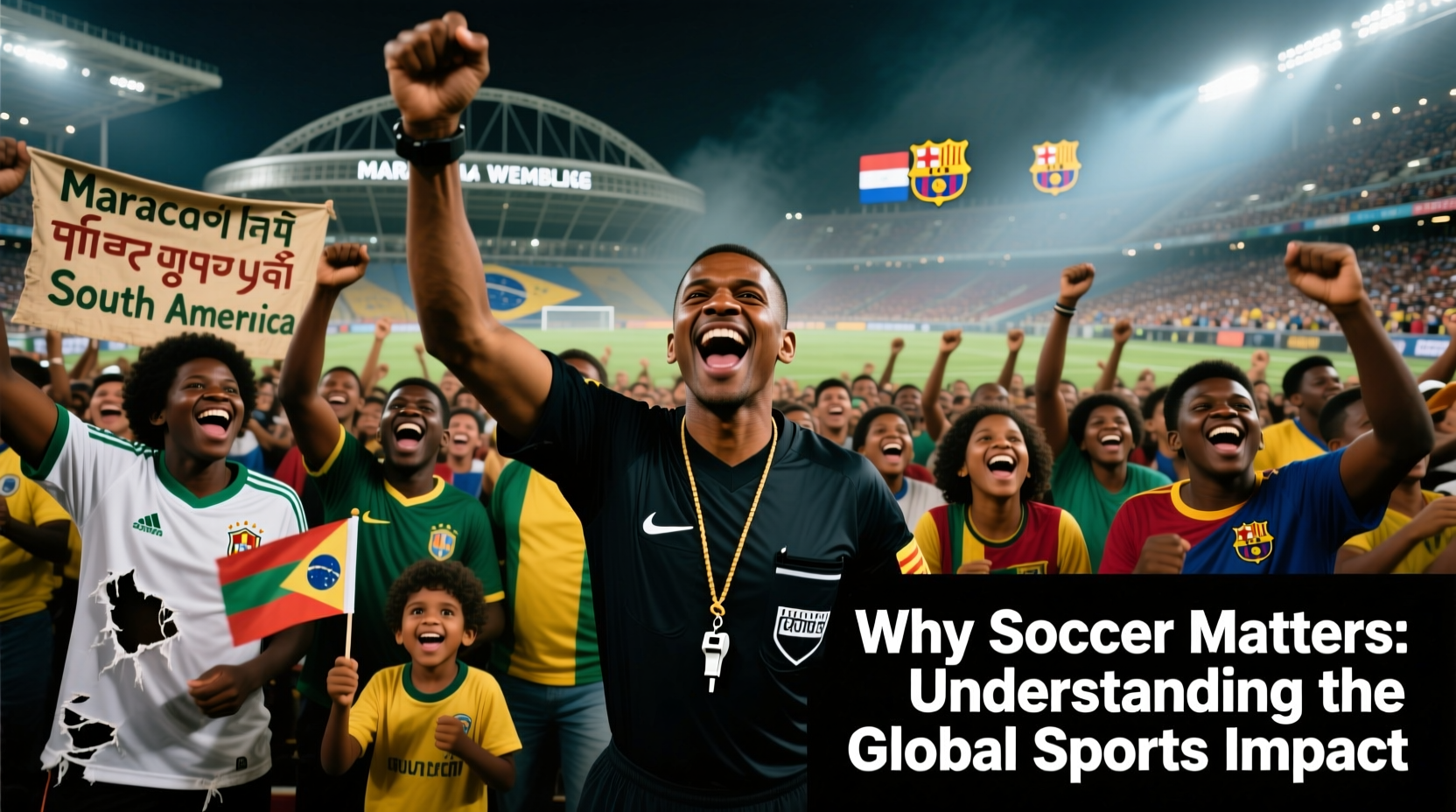
Soccer transcends national borders and linguistic barriers. In Brazil, it’s samba on grass; in Argentina, a passionate expression of national pride; in Nigeria, a pathway out of poverty for many young athletes. The sport becomes part of a nation’s identity, often reflecting deeper societal values, struggles, and aspirations.
In post-apartheid South Africa, hosting the 2010 FIFA World Cup wasn’t just about competition—it was symbolic. It signaled inclusion, progress, and the country’s reintegration into the global community. The tournament united diverse ethnic groups under one banner, reinforcing national cohesion through shared celebration.
“Football is more than just a game. It’s a mirror of society.” — Pelé, legendary Brazilian footballer
The rituals around matches—the chants, jerseys, and pre-game gatherings—form a cultural fabric that binds generations. Families pass down team loyalties like heirlooms, and local derbies carry historical tensions or triumphs that echo beyond the pitch.
Tip: Attend a local match in a foreign country to experience firsthand how soccer reflects cultural identity and community spirit.Economic Impact: From Grassroots to Global Markets
The soccer industry generates over $300 billion annually, influencing sectors from broadcasting and apparel to tourism and infrastructure. Major tournaments like the UEFA Champions League or the FIFA World Cup trigger massive economic activity.
Host nations invest billions in stadiums, transportation, and security, hoping for long-term returns. While outcomes vary, successful events can boost tourism, create jobs, and improve urban development. Qatar’s investment in the 2022 World Cup led to new metro systems, hotels, and global visibility—though debates continue over labor practices and sustainability.
At the grassroots level, youth academies and amateur leagues stimulate local economies. Equipment suppliers, coaches, referees, and event organizers all benefit. In countries like Ghana and Colombia, talent scouting networks provide livelihoods and opportunities for upward mobility.
| Tournament | Estimated Economic Impact (USD) | Host Nation(s) | Year |
|---|---|---|---|
| FIFA World Cup | $13–15 billion | Qatar | 2022 |
| UEFA Euro | $10–12 billion | Multiple European nations | 2020/2021 |
| Copa América | $1.2 billion | USA (planned 2024) | 2024 |
Soccer as a Force for Social Change
Beyond entertainment, soccer has been leveraged to drive social initiatives. Organizations like Common Goal commit 1% of players’ salaries to global causes such as gender equality, refugee support, and education. High-profile figures like Megan Rapinoe and Mohamed Salah use their platforms to advocate for justice and inclusion.
In conflict zones, soccer programs promote peacebuilding. The “Soccer for Peace” initiative in Israel and Palestine brings together Jewish and Arab youth, fostering dialogue through teamwork. Similarly, streetfootballworld supports over 200 organizations using soccer to combat homelessness, discrimination, and extremism.
Women’s soccer has also become a vehicle for empowerment. The growth of leagues like the NWSL and the success of teams like Spain’s 2023 Women’s World Cup champions challenge traditional gender norms and inspire millions of girls to pursue sports and leadership roles.
Mini Case Study: The Rise of Women’s Soccer in Morocco
Morocco’s women’s national team made history by qualifying for the 2023 Women’s World Cup—the first Arab nation to do so. Their journey sparked national pride and challenged conservative attitudes toward female athletes. Matches were broadcast widely, and young girls began enrolling in clubs across cities like Casablanca and Rabat. The federation reported a 70% increase in youth registrations within a year. This shift wasn’t just about sport; it reflected broader changes in societal views on gender and opportunity.
Global Diplomacy Through the Beautiful Game
Soccer diplomacy has eased tensions where politics have failed. In 1998, Iran and the United States faced off in a World Cup match amid strained relations. The game ended 2–1 for Iran, but the handshake between captains symbolized mutual respect. FIFA president Gianni Infantino later called it “a moment of humanity.”
North and South Korea have fielded joint teams during Olympic qualifiers and sent unified squads to women’s hockey and youth soccer events. While political divisions remain, these collaborations open diplomatic channels and foster goodwill.
Even club rivalries can bridge divides. When Manchester City and Real Madrid meet in the Champions League, fans from vastly different cultures engage in respectful banter, share experiences, and sometimes forge lasting friendships online or at fan zones.
Checklist: How Communities Can Leverage Soccer for Positive Change
- Establish inclusive youth leagues open to all genders and backgrounds
- Partner with NGOs to run education or health campaigns during matches
- Train coaches in conflict resolution and emotional intelligence
- Create safe spaces for marginalized groups through recreational play
- Promote local talent through media coverage and scholarship programs
Expert Insight: The Psychology Behind Fan Loyalty
Supporting a team fulfills deep psychological needs—belonging, identity, and purpose. Dr. Sarah Thompson, a sports sociologist at the University of Edinburgh, explains:
“Being part of a fan base gives people a sense of control in an unpredictable world. Wearing a jersey, chanting in unison—it’s tribal, yes, but also therapeutic. We see lower rates of depression among regular attendees of live matches compared to non-fans.” — Dr. Sarah Thompson, Sports Sociologist
This emotional investment fuels loyalty that lasts decades. Fans endure losses, travel long distances, and spend significant income supporting their clubs—not because they expect a financial return, but because the experience enriches their lives.
Frequently Asked Questions
Why is soccer more popular than other sports globally?
Soccer’s simplicity makes it accessible. All you need is a ball—or even a bundle of rags—and open space. Unlike sports requiring expensive equipment or facilities, soccer can be played anywhere, making it the most democratic sport in the world.
Can soccer really help reduce crime in urban areas?
Yes, when properly structured. Programs like “Street League” in the UK have shown up to a 40% reduction in youth crime in neighborhoods with active soccer-based outreach. The combination of discipline, mentorship, and physical activity redirects energy positively.
How does hosting a major tournament affect small businesses?
Local restaurants, hotels, transport services, and vendors often see spikes in revenue during big events. However, without proper planning, benefits may be short-lived. Long-term gains come when host cities integrate tournament infrastructure into everyday civic life.
Conclusion: Why Soccer Will Continue to Matter
Soccer’s significance lies not in its rules or rankings, but in its power to connect. It gives voice to the voiceless, hope to the disadvantaged, and joy to the weary. Whether it’s a child kicking a ball barefoot in Kenya or a packed stadium roaring in Germany, the rhythm remains the same—unity in motion.
As climate change, migration, and inequality reshape our world, soccer offers a rare common ground. It reminds us that while we may wear different colors, we all play under the same sky.
💬 What does soccer mean to you? Share your story, tradition, or favorite moment in the comments—let’s celebrate the game that brings us together.








