
Kashi cereal has long been a favorite among health-conscious consumers for its organic ingredients, whole grains, and minimal processing. But if you've recently visited your local grocery store only to find empty shelves where Kashi used to be, you're not alone. Across the U.S., many shoppers report difficulty finding Kashi products—ranging from GoLean to Honey Almond Flax. The absence isn't random; it's the result of interconnected factors affecting production, distribution, and consumer behavior. Understanding these dynamics can help you anticipate availability and locate alternatives or restocks more effectively.
Supply Chain Disruptions Impacting Kashi Production
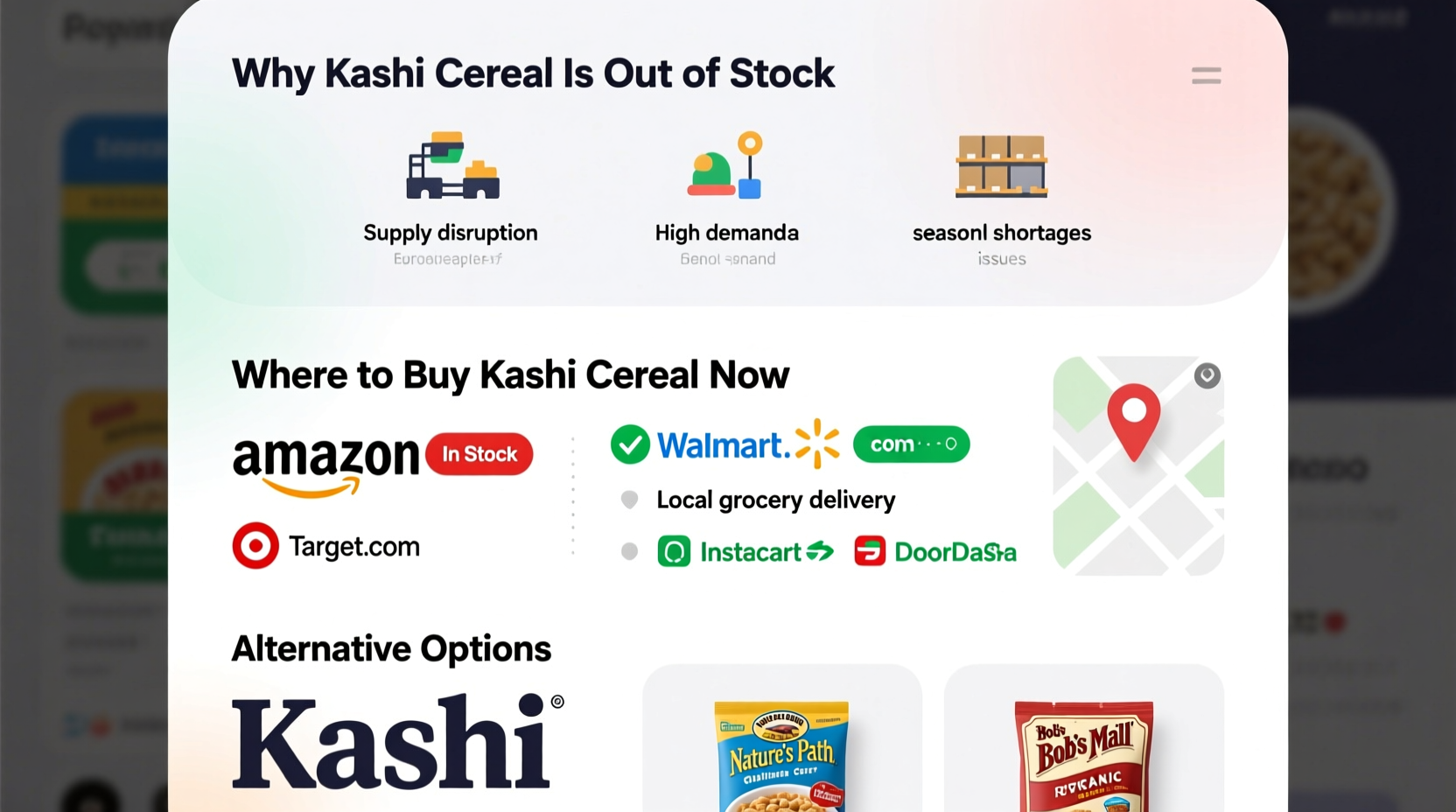
One of the primary reasons Kashi cereals are frequently out of stock lies in ongoing global and domestic supply chain challenges. As a brand owned by Kellogg’s (now Kellanova), Kashi relies on complex networks for sourcing grains, packaging materials, and transportation logistics. Over the past few years, several key disruptions have strained this system:
- Labor shortages: Reduced staffing at manufacturing and distribution centers has slowed output and delayed shipments.
- Grain and ingredient scarcity: Droughts in major grain-producing regions like the Midwest have limited the supply of organic oats and flaxseed—core ingredients in many Kashi varieties.
- Packaging bottlenecks: Shortages in cardboard, plastic liners, and printed boxes have forced temporary halts in production runs.
- Transportation delays: Trucking and rail congestion continue to delay deliveries from factories to retail warehouses.
These issues don’t affect all brands equally. Because Kashi uses premium, often certified organic ingredients, it faces tighter sourcing constraints than conventional cereals. When a single supplier fails to deliver non-GMO wheat or organic honey, entire product lines may stall.
Tip: Check manufacturer websites for production updates. Kellanova occasionally posts operational statements that hint at upcoming restocks.Surge in Demand for Health-Focused Breakfast Options
Consumer interest in nutritious, plant-based breakfasts has surged since 2020. According to the Organic Trade Association, sales of organic cereals grew by 14% between 2021 and 2023. Kashi, positioned as a clean-label brand with recognizable ingredients, has benefited—but also suffered—from this trend.
Increased demand means faster turnover on shelves. In some cases, stores receive shipments that sell out within hours. Online retailers report similar patterns: Amazon and Walmart.com often list Kashi items as “temporarily unavailable” despite high order volumes.
“Brands like Kashi are caught between rising consumer expectations and constrained supply systems. It’s not just about making more cereal—it’s about securing the right ingredients ethically and consistently.” — Dr. Lena Peterson, Food Industry Analyst at MarketEdge Research
The problem is amplified by panic buying during perceived shortages. Once social media highlights a scarcity, shoppers stockpile, worsening the cycle. This behavioral loop makes it harder for retailers to maintain steady inventory.
Where to Buy Kashi Cereal: Reliable Sources and Alternatives
If your local supermarket is out of stock, don’t assume the product is discontinued. There are multiple channels where Kashi remains available, though prices and delivery times may vary.
| Retailer | Availability | Notes |
|---|---|---|
| Walmart.com | High (select flavors) | Frequent restocks; check Honey Almond Flax and GoLean Original |
| Amazon | Moderate to High | Third-party sellers may charge premiums; filter by “Ships from Amazon��� |
| Target.com | Low to Moderate | In-store pickup sometimes available even when website shows sold out |
| ThrivingMarket.com | Consistently Available | Subscription discounts; focuses on organic/natural foods |
| VitaminShoppe.com | Spotty | Carries protein-focused Kashi variants |
For best results, set up stock alerts using browser extensions like NowInStock.net. You can monitor specific SKUs (e.g., Kashi GO Soft Baked Blueberry) and receive email or text notifications when they return.
Real Example: A Shopper’s Success Story
Sarah M., a registered dietitian from Portland, OR, went six weeks without finding her preferred Kashi GO Coconut Cashew bars. She tried three grocery chains and two natural food stores with no luck. Instead of giving up, she signed up for back-in-stock alerts on Thrive Market and Amazon. Two weeks later, she received a notification from Thrive Market. She purchased a six-case pack with free shipping and now rotates through them slowly, avoiding future shortages.
Her strategy? “I stopped checking stores weekly and let the tech do the work. It saved me time and stress.”
Step-by-Step Guide to Finding Kashi Cereal During Shortages
Follow this timeline-based approach to increase your chances of securing Kashi products:
- Week 1: Confirm local availability. Call nearby supermarkets and ask if they expect restocks. Request to be added to a notification list if available.
- Week 2: Search online retailers. Prioritize Thrive Market, Amazon Subscribe & Save, and Vitacost. Compare prices per ounce to avoid overpaying.
- Week 3: Set up automated alerts. Use NowInStock.net or RestockPal to track specific products across multiple sites.
- Ongoing: Consider switching temporarily. Many Kashi fans successfully transition to similar cereals like Nature’s Path Optimum Power or One Degree Organic Sprouted O’s.
- Long-term: Buy in bulk when available. Purchase multi-packs and store in airtight containers to preserve freshness for up to six months.
Common Misconceptions About Kashi Availability
Several myths circulate online about why Kashi is missing from shelves. Let’s clarify:
- Myth: Kashi has been discontinued.
Fact: No official announcement from Kellanova indicates discontinuation. Production continues, albeit at reduced capacity. - Myth: Only big cities have access.
Fact: Rural areas may actually see faster restocks due to less speculative buying. - Myth: All flavors are equally scarce.
Fact: Popular varieties like Chocolate Almond Karma face longer shortages than niche options like Pumpkin Pepita.
Frequently Asked Questions
Is Kashi going out of business?
No. While shelf presence varies, Kashi remains an active brand under Kellanova. The company continues to market Kashi through digital campaigns and retail partnerships. Temporary unavailability reflects logistical issues, not brand closure.
Why is Kashi cereal so hard to find compared to other brands?
Kashi uses organic, non-GMO ingredients that require specialized sourcing. These supply chains are less flexible than those for conventional cereals. Additionally, lower production volumes mean fewer buffer stocks during disruptions.
Are there any true substitutes for Kashi cereal?
Yes. Look for cereals with similar nutritional profiles: high fiber (≥5g/serving), low sugar (≤8g), and whole grains. Recommended alternatives include:
- Nature’s Path Flax Plus Multibran
- Barbara’s Shredded Wheat Original
- One Degree Organic Foods Oat Sprout
- Attune Cinnamon Crunch (contains probiotics like some Kashi lines)
Final Checklist: Maximize Your Chances of Finding Kashi
- Check multiple retailers weekly:
- Don’t rely on one store or website.
- Enable price tracking:
- Use CamelCamelCamel (for Amazon) to spot drops and restocks.
- Call customer service:
- Kashi’s support line (1-800-KASHI-99) can provide distributor insights.
- Join online communities:
- Facebook groups like “Kashi Lovers” often share real-time restock tips.
- Buy smart:
- Avoid third-party sellers charging 2–3x retail unless urgent.
Conclusion
The unavailability of Kashi cereal is frustrating but not permanent. Supply chain pressures, ingredient sourcing limits, and shifting consumer habits have created a perfect storm of scarcity. However, with proactive strategies—automated alerts, alternative retailers, and smart substitutions—you can still enjoy this trusted brand or discover satisfying replacements. Stockpiling when possible and staying informed through reliable sources will reduce future disruptions. The key is patience, persistence, and knowing where to look.
💬 Have you found a reliable source for Kashi lately? Share your experience in the comments to help fellow health-focused shoppers navigate the shortage.








