December 26th is a public holiday in many countries across the Commonwealth, marked not by gift-giving frenzy but by quiet reflection, acts of generosity, and sporting events. Known as Boxing Day, this post-Christmas tradition has roots stretching back centuries, blending charitable customs with evolving social practices. While it may seem like an extension of Christmas festivities, Boxing Day carries its own unique identity—one shaped by historical class structures, religious observance, and community spirit.
The Historical Origins of Boxing Day
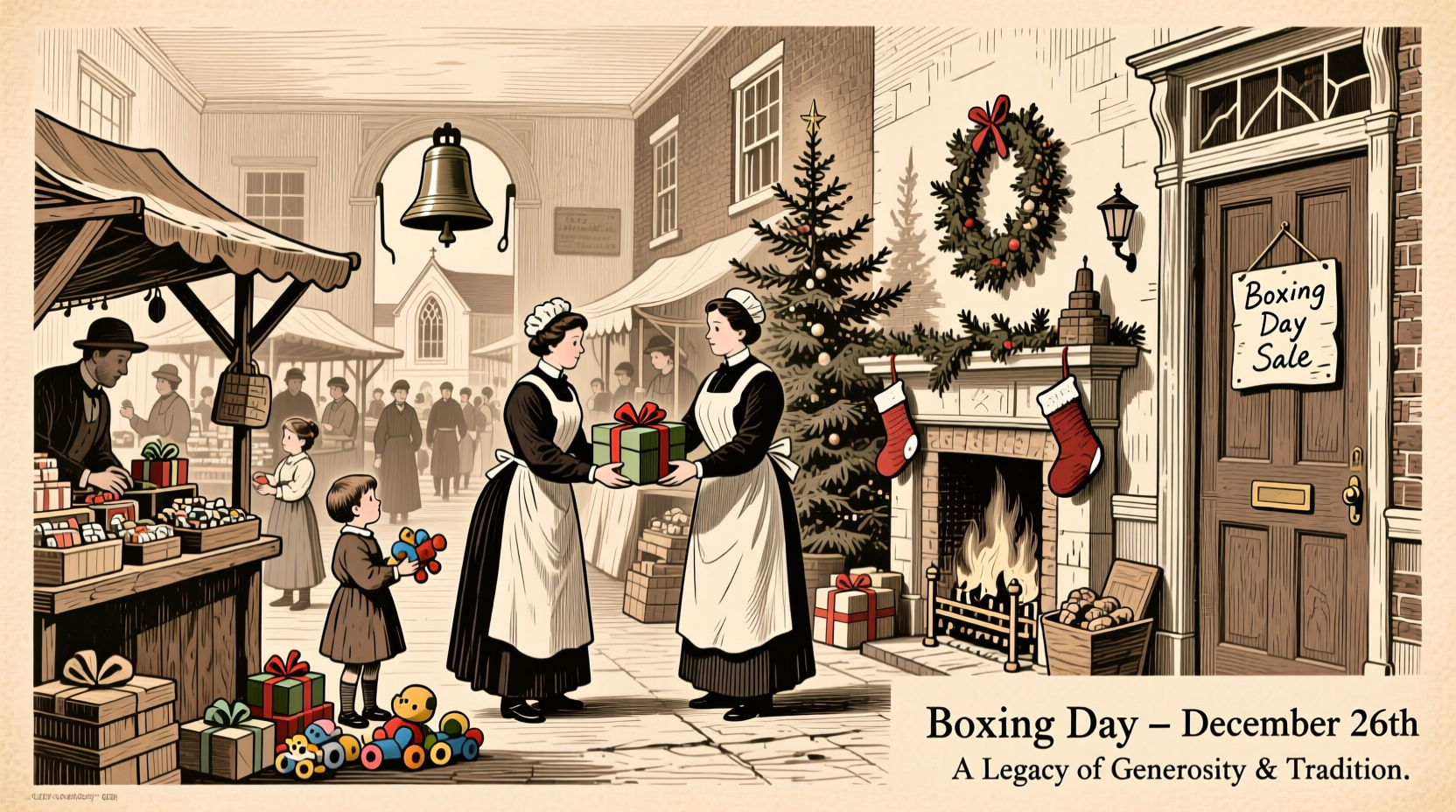
The term \"Boxing Day\" first appeared in print in the 1830s, but the customs behind it are far older. The name likely derives from the practice of giving \"Christmas boxes\"—small gifts or monetary tips—to service workers and tradespeople the day after Christmas. These boxes were tokens of appreciation for their year-round labor: postmen, servants, delivery drivers, and other lower-income workers who supported households throughout the year.
In Victorian England, employers would distribute these boxes on December 26th, often filled with money, food, or small goods. Some churches also participated in the tradition by placing alms boxes near nativity scenes during Advent. After Christmas, these boxes were opened and their contents distributed to the poor—another possible origin of the name.
“Boxing Day was never about retail; it was about reciprocity and recognition. It acknowledged those whose work went unseen but sustained daily life.” — Dr. Helen Prescott, Social Historian at the University of Edinburgh
Religious and Cultural Foundations
December 26th is also observed as St. Stephen’s Day in Christian liturgical calendars, honoring the first Christian martyr. In Ireland and parts of continental Europe, the day is primarily associated with this religious observance rather than the secular customs of Boxing Day. However, in former British colonies and Commonwealth nations like Canada, Australia, New Zealand, and South Africa, the two traditions merged over time.
The alignment of St. Stephen’s Day with existing English customs helped solidify December 26th as a day of charity and goodwill. The idea of opening boxes and sharing resources resonated with Christian teachings on humility and service. Over time, the act of giving became institutionalized—not just within families, but through organized philanthropy and public events.
Tip: If you're hosting staff or service providers during the holidays, consider offering a small thank-you gift or bonus on December 26th—it's a meaningful nod to Boxing Day’s original spirit.Traditional and Modern Celebrations
While the essence of gratitude remains central, how Boxing Day is celebrated varies widely today. In rural England, fox hunts were once common on this day—a tradition now largely replaced due to legal restrictions. Instead, many attend church services, enjoy leftovers from Christmas dinner, or participate in festive walks.
In Canada and Australia, Boxing Day has become synonymous with major sales events, mirroring Black Friday in the United States. Retailers open early, offering deep discounts that draw massive crowds. This commercial shift has sparked debate about whether the holiday’s original meaning is being eroded.
Yet, charitable activities persist. Many organizations run donation drives, food banks see increased contributions, and volunteerism spikes on December 26th. Sports also play a significant role: in the UK, football (soccer) matches are traditionally held on Boxing Day, drawing millions of viewers. Horse racing and yacht races are popular in Australia and New Zealand.
Boxing Day Traditions Around the World
| Country | Key Traditions | Public Holiday? |
|---|---|---|
| United Kingdom | Sales, football matches, family outings, charity donations | Yes |
| Canada | Retail sales, winter sports, volunteering | Yes |
| Australia | Cricket matches (Boxing Day Test), beach visits, sales | Yes |
| New Zealand | Sailing events, outdoor recreation, shopping | Yes |
| Ireland | St. Stephen’s Day; wrenboys processions, church services | Yes (as St. Stephen’s Day) |
| United States | No official observance; minor retail promotions | No |
How to Honor the True Spirit of Boxing Day Today
In an era dominated by consumerism, reviving the authentic values of Boxing Day requires intentionality. Rather than rushing to stores at dawn, individuals and families can reclaim the day’s purpose through thoughtful actions. Here’s a practical checklist to help ground your celebration in meaning:
Actionable Checklist: A Meaningful Boxing Day
- Write thank-you notes or give small tokens to delivery drivers, cleaners, or caregivers who serve your household.
- Donate unused items or organize a clothing drive for local shelters.
- Volunteer at a food bank or community kitchen.
- Cook a simple meal using Christmas leftovers and share it with a neighbor or elderly relative.
- Attend a local event that supports community well-being—concerts, charity runs, or religious services.
“We handed out warm socks and hot drinks to people sleeping rough last Boxing Day. It wasn’t grand, but it reminded us what the season should be about.” — Mark Thompson, community organizer in Manchester
Case Study: Reviving Tradition in a Canadian Town
In the small Ontario town of Halton Hills, residents grew concerned that Boxing Day had become nothing more than a shopping free-for-all. In 2018, a group of volunteers launched “Real Boxing Day,” a campaign encouraging locals to perform random acts of kindness instead of lining up for sales.
They set up donation stations at parking lots where shoppers could drop off canned goods before entering stores. They also coordinated visits to nursing homes and offered free rides to those without transportation. Within three years, participation doubled, and several businesses began matching donations raised on December 26th.
The initiative didn’t eliminate shopping, but it created space for reflection. As one participant noted, “I still bought a jacket—but I also gave away three bags of clothes. Feels different when you start the day with giving.”
Frequently Asked Questions
Is Boxing Day only celebrated in the UK?
No. While it originated in Britain, Boxing Day is a public holiday in over 20 countries, particularly those within the Commonwealth such as Canada, Australia, New Zealand, and South Africa. Each nation adapts the day to its cultural context.
Why isn't Boxing Day observed in the United States?
The U.S. did not adopt the tradition, partly because the class-based servant economy that underpinned the original practice was less entrenched. Additionally, American holiday culture emphasizes Thanksgiving and Christmas, with little room for a post-Christmas civic holiday. However, some retailers use the date for extended sales.
Do employees have to work on Boxing Day?
It depends on the country and sector. In the UK and Canada, most government offices and schools are closed, but retail and hospitality workers often work due to high consumer demand. In recent years, debates around fair pay and mandatory holiday labor have intensified, especially as Boxing Day sales grow larger.
Conclusion: Reclaiming the Heart of the Holiday
Boxing Day stands at a crossroads. On one side lies commercialization—crowded malls, digital countdowns, and transactional energy. On the other rests its deeper legacy: a pause after Christmas to express gratitude, support the vulnerable, and strengthen community bonds.
The choice is personal. You don’t need a grand gesture to honor the day’s origins. A tip for your mail carrier, a donation to a shelter, or simply taking time to reflect on the past year’s blessings can realign the day with its intended purpose.
💬 This December 26th, how will you celebrate the true spirit of Boxing Day? Share your plans or traditions with others—and inspire a more thoughtful way to close the holiday season.








