
If you've filed your tax return and are still waiting for your refund, you're not alone. Each year, millions of taxpayers experience delays that range from minor processing hiccups to more complex issues requiring IRS intervention. While the Internal Revenue Service (IRS) typically issues most refunds within 21 days for electronically filed returns with direct deposit, various factors can extend this timeline—sometimes by weeks or even months.
Understanding the root causes behind a delayed refund empowers you to take proactive steps, avoid unnecessary stress, and know when it’s time to reach out for help.
Common Reasons for Tax Refund Delays
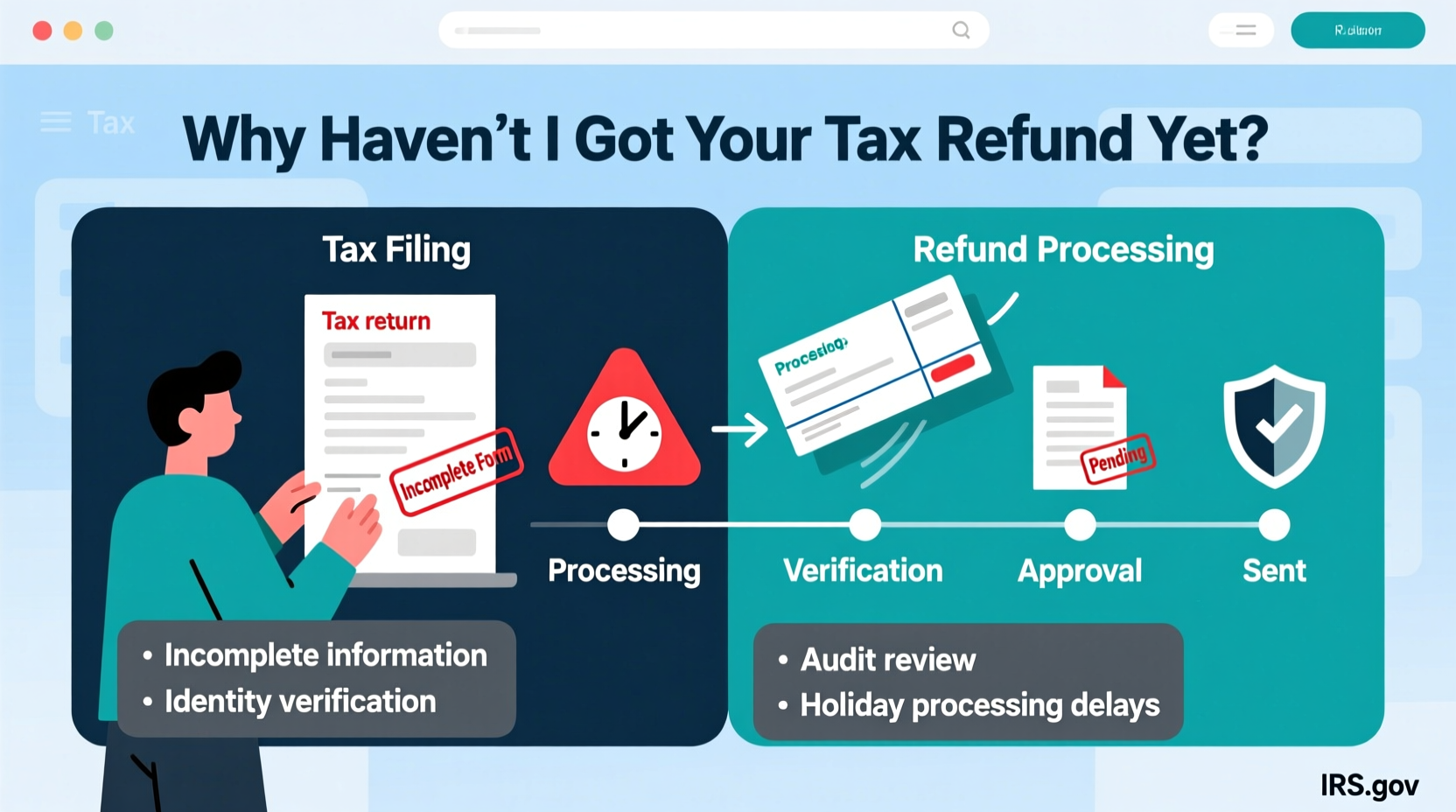
The IRS processes over 150 million individual tax returns annually. Despite automation and streamlined systems, several factors can slow down your refund. These include errors on your return, identity verification needs, and high-volume processing periods.
- Filing errors: Simple mistakes like incorrect Social Security numbers, math errors, or mismatched income figures can trigger manual reviews.
- Paper filings: Paper returns take significantly longer—often six to eight weeks or more—due to manual data entry and physical handling.
- Claiming certain credits: Returns with the Earned Income Tax Credit (EITC) or Additional Child Tax Credit (ACTC) are held until mid-February due to fraud prevention rules under the PATH Act.
- Identity theft or fraud suspicion: If the IRS detects suspicious activity or duplicate filings under your name, your return may be flagged for investigation.
- Amended returns: Form 1040-X filings require additional review and can take up to 16 weeks to process.
How Long Should You Wait Before Worrying?
The IRS provides a clear benchmark: if you e-file with direct deposit, expect your refund in about 21 days. For mailed returns, allow up to 21 days for acknowledgment and several weeks beyond that for processing.
However, “normal” doesn’t mean universal. The following timeline outlines typical processing stages:
- Day 0–3: IRS receives and acknowledges your e-filed return.
- Day 4–14: Return undergoes automated screening; any discrepancies are flagged.
- Day 15–21: Refund approved and scheduled for deposit or mailing.
- After Day 21: If no update, use the \"Where's My Refund?\" tool or contact the IRS.
Note: Delays beyond three weeks warrant investigation—especially if you’ve received no notification from the IRS.
Step-by-Step Guide to Tracking Your Refund
When your refund is late, follow these steps to get clarity:
- Wait at least 21 days after e-filing (or three weeks after mailing).
- Visit the IRS “Where’s My Refund?” tool at irs.gov/refunds.
- Enter required details: SSN, filing status, and exact refund amount from your return.
- Review the status: It will show one of three phases—Return Received, Refund Approved, or Refund Sent.
- Check your mailbox or bank account: If “Sent,” verify delivery method and allow 5 business days for direct deposits or up to two weeks for paper checks.
- Contact the IRS only if no update after 28 days or if you receive a notice.
This tool updates once every 24 hours, usually overnight, so checking multiple times per day won’t yield faster results.
Do’s and Don’ts When Dealing with Refund Delays
| Do’s | Don’ts |
|---|---|
| Verify your return was accepted using IRS tools. | Don’t file a second return thinking the first was lost. |
| Respond promptly to IRS notices via mail. | Don’t call the IRS daily—wait at least two weeks between calls. |
| Ensure your bank account details are correct. | Don���t assume fraud without evidence—many delays are administrative. |
| Keep copies of all tax documents and correspondence. | Don’t ignore letters from the IRS—they often explain delays. |
“Many refund delays stem from easily avoidable errors. Taking an extra 10 minutes to review your return can save weeks of waiting.” — Lisa Nguyen, Enrolled Agent and Tax Advisor
Real-World Example: A Delayed EITC Claim
Samantha, a single mother from Ohio, filed her 2023 tax return in January claiming the Earned Income Tax Credit. She expected her $3,200 refund by early February. But by March, nothing had arrived.
She used the \"Where’s My Refund?\" tool and saw her status stuck at “Return Received.” After calling the IRS, she learned that due to the PATH Act, all EITC and ACTC returns are held until mid-February to allow additional fraud screening. Her return was then selected for further review because her reported income slightly differed from third-party forms (Form 1099-MISC vs. W-2).
She submitted a wage verification letter from her employer, and within 10 business days, her refund was approved. Total delay: five weeks. Without knowing where to look or how to respond, Samantha might have waited much longer.
When the IRS Sends a Notice: What It Means
Sometimes, delays come with official communication. The IRS may send letters such as:
- Notice 147C: Indicates your return is being reviewed or corrected.
- Notice 507C: Alerts you to a change in your refund amount.
- CP05 Notice: Triggers a review of your income, deductions, or credits.
These notices aren’t punitive—they’re procedural. They often request documentation like proof of income, eligibility for credits, or confirmation of dependents. Responding accurately and promptly is crucial to resuming processing.
Tip: Never discard IRS mail—even if your refund seems unrelated. Notices often explain delays and include deadlines for response.Frequently Asked Questions
Can I speed up my refund once it’s delayed?
Not directly. The IRS does not offer expedited processing. However, ensuring your return is accurate, responding quickly to notices, and using direct deposit maximize efficiency.
What if my refund status says “Still Being Processed”?
This message means your return is under review. It could be due to errors, audits, or identity verification. While vague, it’s not uncommon during peak seasons. Monitor weekly and act if no progress occurs after 28 days.
Could my refund be gone if it’s been months?
Unlikely. The IRS holds refunds indefinitely until resolved. If your return was rejected or voided, you’d receive written notice. In rare cases, outdated bank information may cause a failed deposit, returning the funds to the IRS—but they’ll eventually issue a paper check.
Action Plan: What to Do Now
If you’re still waiting, here’s a checklist to regain control:
- ✅ Confirm your return was accepted via IRS e-file or postal tracking.
- ✅ Use “Where’s My Refund?” with accurate personal details.
- ✅ Check spam/junk folders for emails from the IRS or your tax software.
- ✅ Review recent mail for IRS notices requiring action.
- ✅ Verify your bank account is active if expecting direct deposit.
- ✅ Contact the IRS only after 28 days of silence or if instructed.
Patience matters, but so does vigilance. Most delays are temporary and resolvable with the right information.
Final Thoughts
Tax refund delays are frustrating, but rarely permanent. From technical holds to credit-related freezes, most issues have clear explanations and solutions. By understanding the IRS workflow, using available tools, and staying responsive to requests, you minimize downtime and protect your financial planning.
Remember: the system is designed to ensure accuracy and prevent fraud—even if it slows things down. Staying informed is your best defense against uncertainty.
🚀 Take action today: Check your refund status, gather your documents, and prepare to respond if needed. Share this guide with someone who’s wondering, “Where’s my refund?”—because clarity starts with knowledge.








