
A musty odor in the home is more than just unpleasant—it can signal hidden moisture, mold growth, or compromised indoor air quality. Many homeowners assume that opening windows and running the air conditioner will naturally clear out stale, earthy smells. Yet, when the mustiness persists despite these efforts, it’s a sign that the root cause lies deeper than surface-level ventilation. Understanding why this happens—and how to fix it—requires examining less visible areas of your home, from ductwork to insulation, crawl spaces to wall cavities.
The presence of a musty smell typically points to microbial volatile organic compounds (mVOCs) released by mold and mildew as they grow in damp environments. Even if you can’t see visible mold, its spores may be thriving behind walls, under flooring, or within HVAC components. The irony is that while your AC system and open windows are designed to improve air quality, they can sometimes contribute to or mask the problem rather than solve it.
How Ventilation Can Mislead You
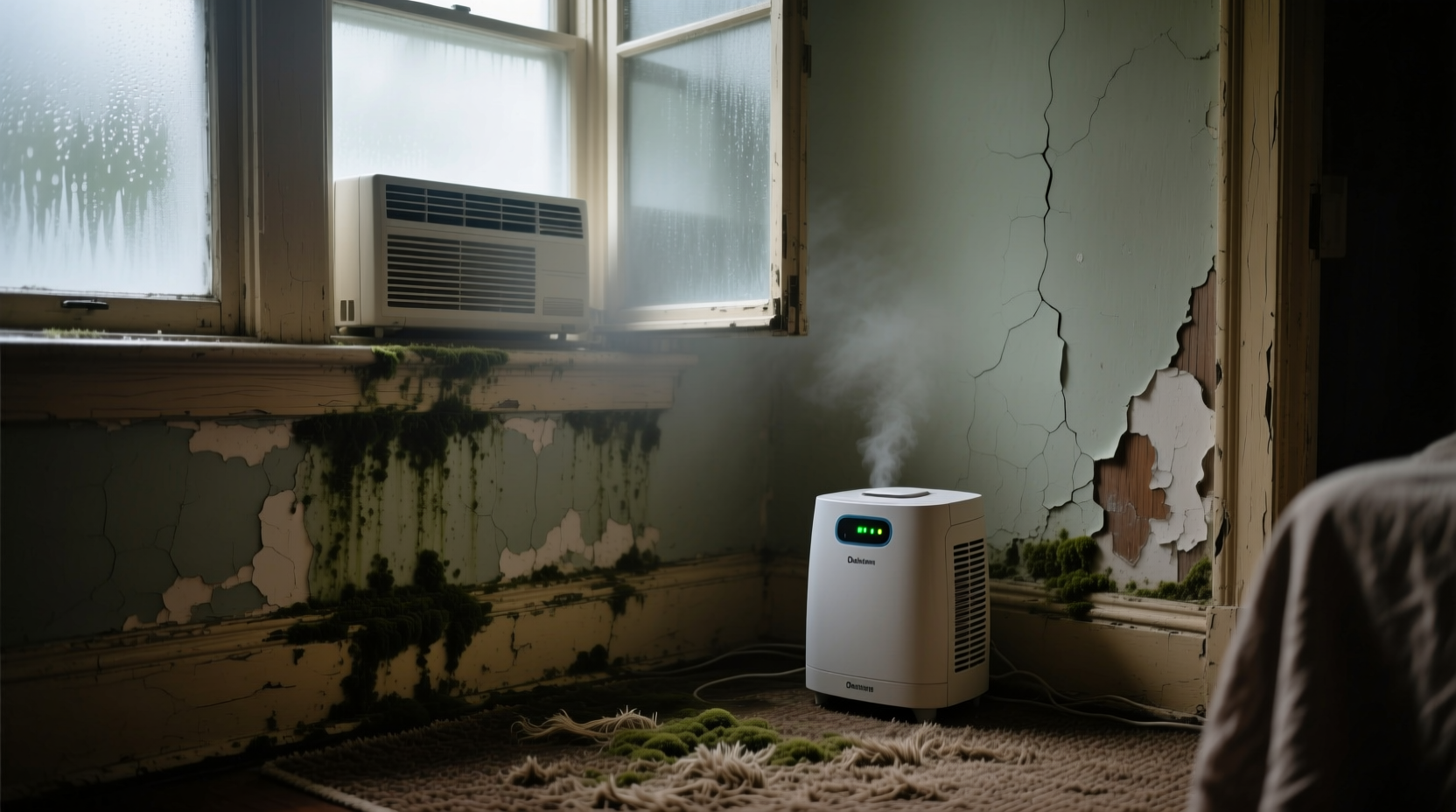
Opening windows seems like a straightforward solution for refreshing indoor air. However, in humid climates or during certain seasons, outdoor air can actually introduce more moisture into your home. If the relative humidity outside exceeds 60%, bringing that air inside without proper dehumidification creates ideal conditions for mold growth—especially on cool surfaces like concrete floors, basement walls, or window frames.
Similarly, air conditioning systems cool the air but don’t always remove enough moisture. Standard AC units dehumidify as a secondary function, but their effectiveness depends on proper sizing, maintenance, and runtime. An oversized unit cools too quickly without running long enough to extract sufficient moisture, leaving humidity levels high enough for mold to thrive. Additionally, if the AC filter is dirty or the evaporator coil is coated in grime, the system circulates contaminated air, spreading mVOCs throughout the house.
Tip: Run your AC for longer cycles at lower cooling power to enhance dehumidification, especially during humid months.Hidden Sources of Musty Odors
The most common reason a house remains musty despite ventilation is the presence of concealed moisture sources. These often go unnoticed because they’re out of sight—behind furniture, under carpets, inside walls, or beneath appliances. Below are five frequently overlooked culprits:
- Clogged condensate drain lines: Your AC removes moisture via a condensate pan and drain line. If this line becomes blocked, water backs up and stagnates, creating a breeding ground for mold.
- Duct contamination: HVAC ducts accumulate dust and moisture over time. When combined, they foster microbial growth that gets blown into living spaces every time the fan runs.
- Basement or crawlspace dampness: Even minor seepage through foundation cracks or vapor diffusion through concrete slabs can elevate indoor humidity and fuel mold behind baseboards or under flooring.
- Leaky plumbing: A slow drip under a sink, behind a toilet, or inside a wall provides constant moisture. Without visible water damage, homeowners may not detect it until odors become strong.
- Poor attic ventilation: Inadequate airflow in the attic traps warm, moist air rising from lower levels. This leads to condensation on wood framing and insulation, promoting mold growth that drifts downward.
“Mold doesn’t need a flood to grow—it only requires 72 hours of dampness and organic material like drywall paper or wood.” — Dr. Linda Chang, Indoor Air Quality Specialist, American Society of Heating, Refrigerating and Air-Conditioning Engineers (ASHRAE)
Step-by-Step Guide to Diagnose and Eliminate Musty Smells
Resolving persistent musty odors requires a systematic approach. Follow this timeline to identify and address the underlying issue:
- Day 1: Inspect visible areas for moisture signs
Check under sinks, around toilets, near water heaters, and below appliances. Look for discoloration, peeling paint, warped flooring, or soft drywall. Use a moisture meter if available. - Day 2: Examine HVAC components
Turn off the system and inspect the air filter. If it’s dark gray or black, replace it immediately. Remove the access panel to view the evaporator coil and drain pan. Any slime, algae, or standing water indicates contamination. - Day 3: Test indoor humidity levels
Use a hygrometer to measure relative humidity in different rooms. Ideal levels are between 30% and 50%. Readings above 60% suggest excess moisture that needs mitigation. - Day 4: Investigate basements, crawlspaces, and attics
Look for damp insulation, efflorescence (white chalky residue on concrete), or musty cardboard-like smells. Consider installing a vapor barrier or encapsulation system in crawlspaces. - Day 5: Clean or service the AC and ducts
Schedule professional duct cleaning if there’s visible mold or excessive debris. Flush the condensate line with vinegar or bleach solution to prevent clogs. - Day 6–7: Address structural issues
Seal foundation cracks, redirect downspouts away from the house, ensure proper grading, and install a sump pump if necessary. Repair any roof leaks or damaged flashing.
Do’s and Don’ts: Managing Indoor Moisture
| Do’s | Don’ts |
|---|---|
| Maintain indoor humidity between 30%–50% | Run exhaust fans only occasionally—use them during and after showers/cooking |
| Clean AC filters monthly during peak season | Ignore musty smells assuming they’ll “air out” |
| Use a dehumidifier in basements or poorly ventilated rooms | Place furniture directly against exterior walls, blocking airflow |
| Inspect roof and gutters twice a year | Store wet items (towels, clothes) indoors without drying first |
| Vacuum and dust regularly to reduce organic matter for mold | Use chemical air fresheners to mask odors instead of removing causes |
Real Example: The Case of the Lingering Basement Smell
Mark and Sarah lived in a 1980s ranch home in North Carolina. Every summer, despite keeping windows open and running their central AC constantly, a musty odor crept into the main floor from the basement. They replaced carpets, painted walls, and used air purifiers, but the smell returned within weeks.
A home inspector eventually discovered the issue: the plastic vapor barrier in the crawlspace had torn during a pest control treatment two years earlier. Ground moisture was evaporating freely into the space, and the AC’s return duct—located in the basement—was pulling that humid, mold-laden air into the system. The cooled air circulated through vents, depositing moisture on cold surfaces and spreading spores.
The fix? A new encapsulated crawlspace with sealed seams, a dehumidifier, and UV lights installed in the HVAC ductwork to inhibit microbial growth. Within three weeks, the musty smell disappeared completely.
When to Call a Professional
While many moisture issues can be managed with DIY efforts, some situations require expert intervention. Consider hiring a certified mold inspector or indoor air quality specialist if:
- You suspect mold inside walls or above ceilings.
- Family members experience unexplained allergies, coughing, or headaches that improve when away from home.
- Humidity remains above 60% despite using dehumidifiers and ventilation.
- There’s a history of flooding or chronic water intrusion.
Professionals use tools like thermal imaging cameras, borescopes, and air sampling kits to locate hidden mold colonies and assess spore counts. They can also recommend remediation strategies tailored to your home’s construction and climate zone.
FAQ
Can a dirty air filter cause a musty smell?
Yes. A clogged filter restricts airflow, causing the evaporator coil to ice over and then melt, leading to excess moisture in the drain pan. This stagnant water promotes mold growth, which releases musty-smelling compounds into the airstream.
Is it safe to stay in a house with a musty odor?
Short-term exposure is usually not dangerous for healthy individuals, but prolonged exposure to mold spores can trigger respiratory issues, especially in people with asthma, allergies, or weakened immune systems. It’s best to identify and eliminate the source promptly.
Why does my house smell musty only in summer?
Summer brings higher outdoor humidity. If your AC isn’t properly sized or maintained, it fails to dehumidify effectively. Warm, moist air entering through windows or infiltration points meets cooler indoor surfaces, causing condensation and temporary mold blooms.
Conclusion: Take Control of Your Indoor Environment
A musty smell in your home—even with windows open and the AC running—is not something to ignore or mask with scented candles. It’s a symptom of an underlying moisture imbalance that, left unchecked, can compromise both your health and your home’s structural integrity. By systematically investigating hidden sources, maintaining your HVAC system, and controlling humidity, you can restore fresh, clean air throughout your living space.
The key is consistency: regular inspections, proactive maintenance, and immediate response to water events. Your nose is often the first detector of trouble—listen to it.
🚀 Ready to reclaim fresh air in your home? Start today by checking your AC filter and measuring indoor humidity. Share your experience or questions in the comments—your insight could help another homeowner breathe easier.








